Saigon runs on "bo ne" before 9 a.m. The smell hits you first: butter browning on cast iron, a thin beef slice crisping at the edges, an egg sliding into the fat. It is one of the most specifically Saigon things you can eat, and it costs about 40,000–60,000 VND.
What Actually Comes on the Skillet
A proper bo ne order arrives at the table still spitting. The skillet — a small oval cast-iron pan — holds a thin slice of beef ("bo"), usually marinated in soy and garlic, one or two fried eggs, a wedge of pork liver pate, and a pat of butter melting across everything. On the side: a split baguette, sliced tomato, cucumber, and a small dish of Maggi sauce or soy with chili.
The name "ne" refers to the act of dodging — you lean back from the skillet as it hits the table because it is genuinely hot enough to splatter. Restaurants that have been doing this for decades have the timing down to muscle memory.
"Bo ne kieu Phap" (bo ne in the French style) is the full name you see on older shopfront signs, an explicit nod to the baguette and pate. The French left the bread and the cast iron; Saigon (사이공 / 西贡 / サイゴン) built the rest around it.
Where to Eat It in Saigon
The highest concentration of bo ne spots sits along Cao Thang Street in District 3 and the surrounding blocks. This strip has been the unofficial bo ne corridor for decades.
Quan Bo Ne 3A, at 3A Cao Thang, opens at 6 a.m. and runs until around 10:30 a.m. — when it sells out, it closes. A single skillet with bread is 45,000 VND. The beef is thin and well-marinated, the pate is house-made and noticeably less salty than the canned versions some places cut corners with. Get there before 8 a.m. if you want a table without waiting.
Bo Ne Thanh Tri, a few blocks away at 76 Cao Thang, is slightly larger and stays open until noon. Prices run 50,000–60,000 VND depending on whether you add a second egg or extra pate. The skillet here runs hotter — the beef edges char a little, which some people prefer.
If you are in District 1, Pho 2000 on Phan Chu Trinh near Ben Thanh Market does a respectable version alongside its noodle menu, but the bo ne corridor in District 3 is worth the 15-minute ride.

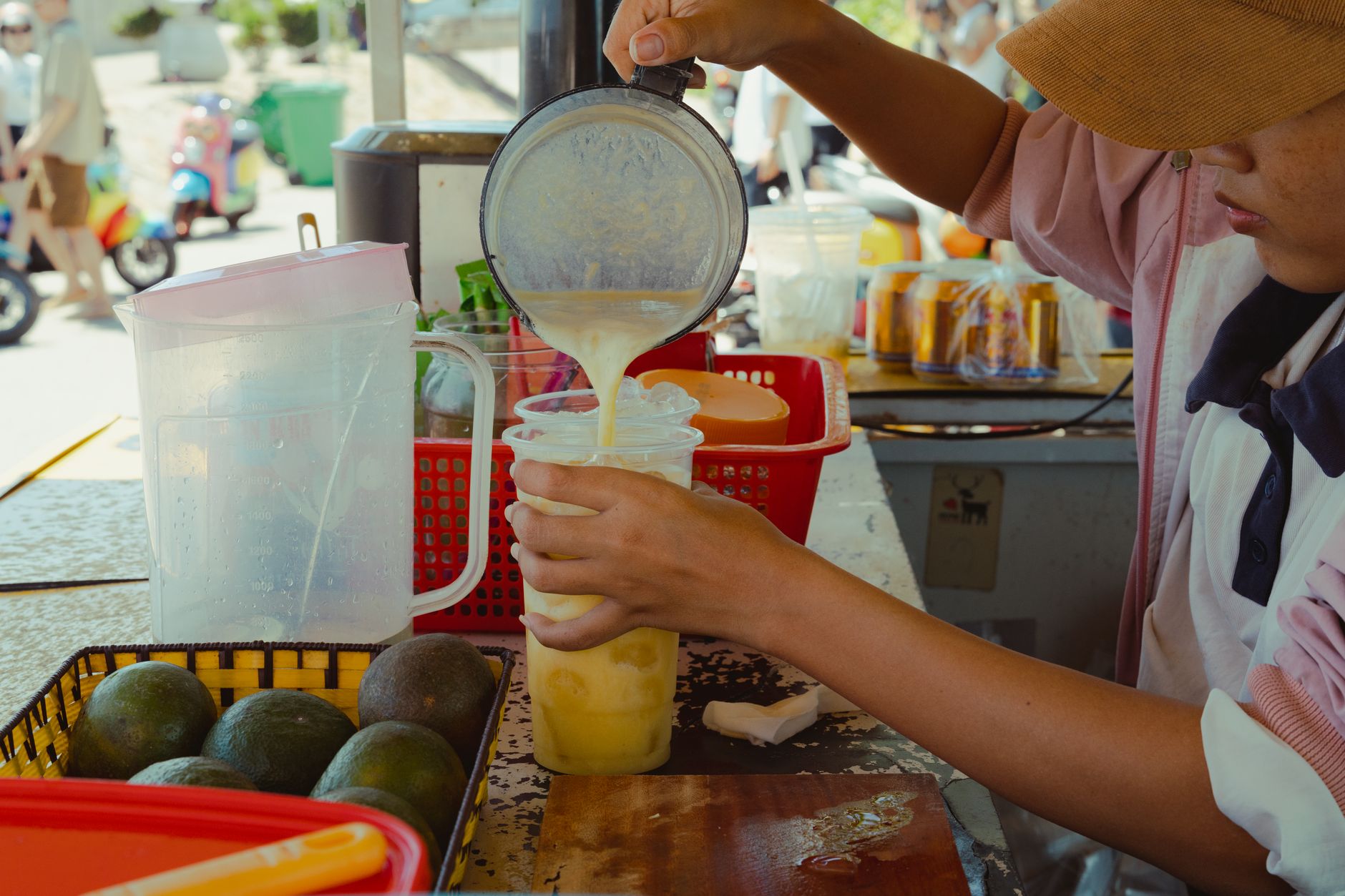
Photo by Jordan Coleman on Pexels
How Saigon's Version Differs from the Rest
Bo ne exists outside Saigon — you will find it in Da Lat, Da Nang, and even occasional spots in Hanoi — but the dish changes character as it moves north.
In Da Lat (달랏 / 大叻 / ダラット), bo ne is popular partly because the highland city has its own French-colonial food culture and a beef supply from nearby farms. The version there often uses thicker cuts and incorporates local butter, giving it a richer, heavier result. Some Da Lat spots add pork floss or a fried spring roll alongside. It is good, but it reads more as a full meal than a commuter breakfast.
In Da Nang and Hue, bo ne appears mostly at tourist-facing cafes and is rarely a local staple. The baguette quality tends to drop — softer, less crust — and the pate is more often canned. The sizzle is the same, but the surrounding ecosystem of regulars, the 6 a.m. opening, the standing-room overflow: none of that exists the way it does in Saigon.
In Hanoi, bo ne is a curiosity rather than a tradition. The northern breakfast identity is built around "pho", "bun thang", and "banh cuon" — rice-based, broth-forward dishes. A cast-iron skillet with butter and pate sits outside that logic. You can find bo ne in Hanoi if you look, but it is imported, not embedded.
What makes Saigon's bo ne distinct is not one ingredient — it is the whole infrastructure around it: dedicated single-dish shops, early-morning-only hours, a clientele of office workers eating fast before the commute, and decades of refinement on a narrow set of variables. The beef slice is thin for a reason — it cooks in under two minutes on a hot skillet. The pate is there to spread on bread while the meat finishes. The Maggi is for cutting the richness. It is a system, not just a dish.

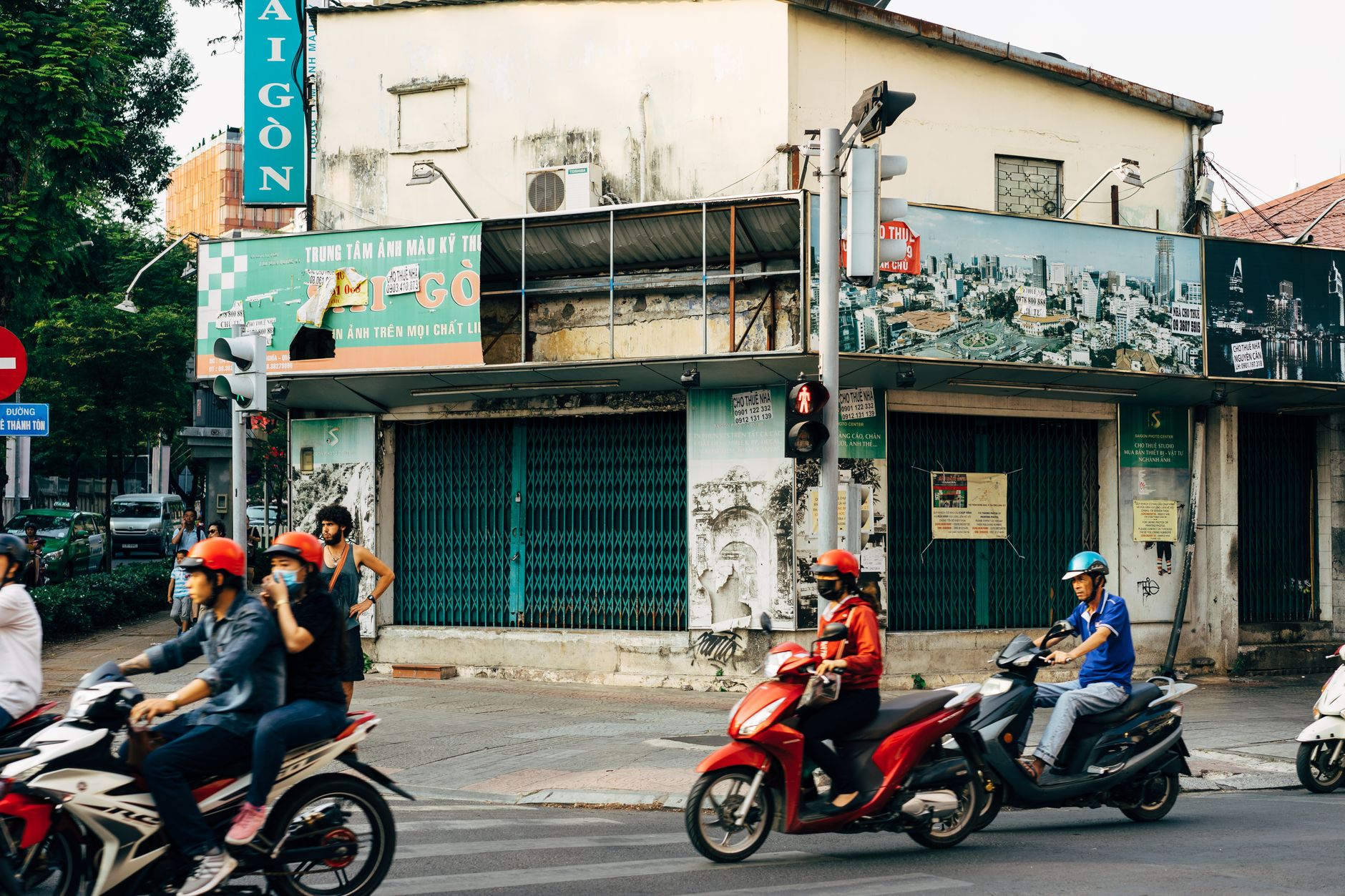
Photo by Nguyen Huy on Pexels
Practical Notes
Most bo ne spots are cash only; bring small bills. Opening windows are strict — 6 to 10 a.m. at the serious spots, occasionally noon at busier ones. If you are visiting Saigon and want one genuinely local breakfast, skip the hotel buffet and take a Grab to Cao Thang Street on any weekday morning.
Last updated · May 29, 2026 · independently researched, never sponsored.