Saigon drinks coffee the way other cities drink water — constantly, cheaply, and with strong opinions about how it should be done. The scene stretches well beyond the glass of "ca phe sua da" (iced coffee with sweetened condensed milk) that every travel photo shows, into a genuinely layered culture worth spending a few mornings exploring properly.
The Baseline: Sidewalk Coffee and Why It Still Wins
Before anything else, find a tiny plastic stool on a narrow footpath and order a "ca phe den da" — black iced coffee — for around 15,000 to 20,000 VND. These street-side spots, usually run by one person with a thermos and a cooler box, are where Saigon (사이공 / 西贡 / サイゴン)'s coffee culture actually lives. No wi-fi, no menu, often no signage. You sit, you watch motorbikes thread past at 7 a.m., and you drink something strong enough to rewire your morning.
The coffee itself is almost always Robusta from the Central Highlands, brewed through a "phin" — the small metal drip filter that sits on top of your glass and takes its time. Robusta gives Vietnamese coffee (베트남 커피 / 越南咖啡 / ベトナムコーヒー) its characteristic bitterness and caffeine punch. It is not subtle, and that is the point.
Look around District 1, District 3, and Binh Thanh for clusters of these spots. The stretch along Hoang Dieu 2 in Thu Duc, or the older shophouse blocks near Ben Thanh Market, tend to have the most lived-in versions.
Beyond the Classic: What Else Saigon Drinks
Once you have the baseline, the variations are worth trying one by one.
"Ca phe trung" — egg coffee — arrived here from Hanoi but has been fully adopted. Whipped egg yolk and condensed milk sit on top of strong drip coffee, thick and almost custardy. It sounds wrong until you try it. Served hot, it drinks more like a dessert than a morning ritual. Several District 1 cafes now serve their own versions; the Hanoi original remains different, but Saigon's take is legitimate.
"Ca phe muoi" — salt coffee — is a central Vietnamese thing, specifically from Hue, but you will find it in Saigon now. A pinch of salt cuts the bitterness and brings out a slightly caramel edge. Worth trying once, even if you end up going back to the plain black.
"Bac xiu" is the lighter, sweeter cousin of ca phe sua da: more milk, less coffee, often ordered by people who want the ritual without the intensity. Cheaper cafes in working-class districts serve this to regulars who come twice a day.
Coconut coffee became a thing in recent years — cold brew or drip poured over coconut cream and ice. It is sweet, rich, and popular with a younger crowd. Cong Ca Phe, a chain with a retro aesthetic, popularized it and has locations across the city if you want a reliable version.

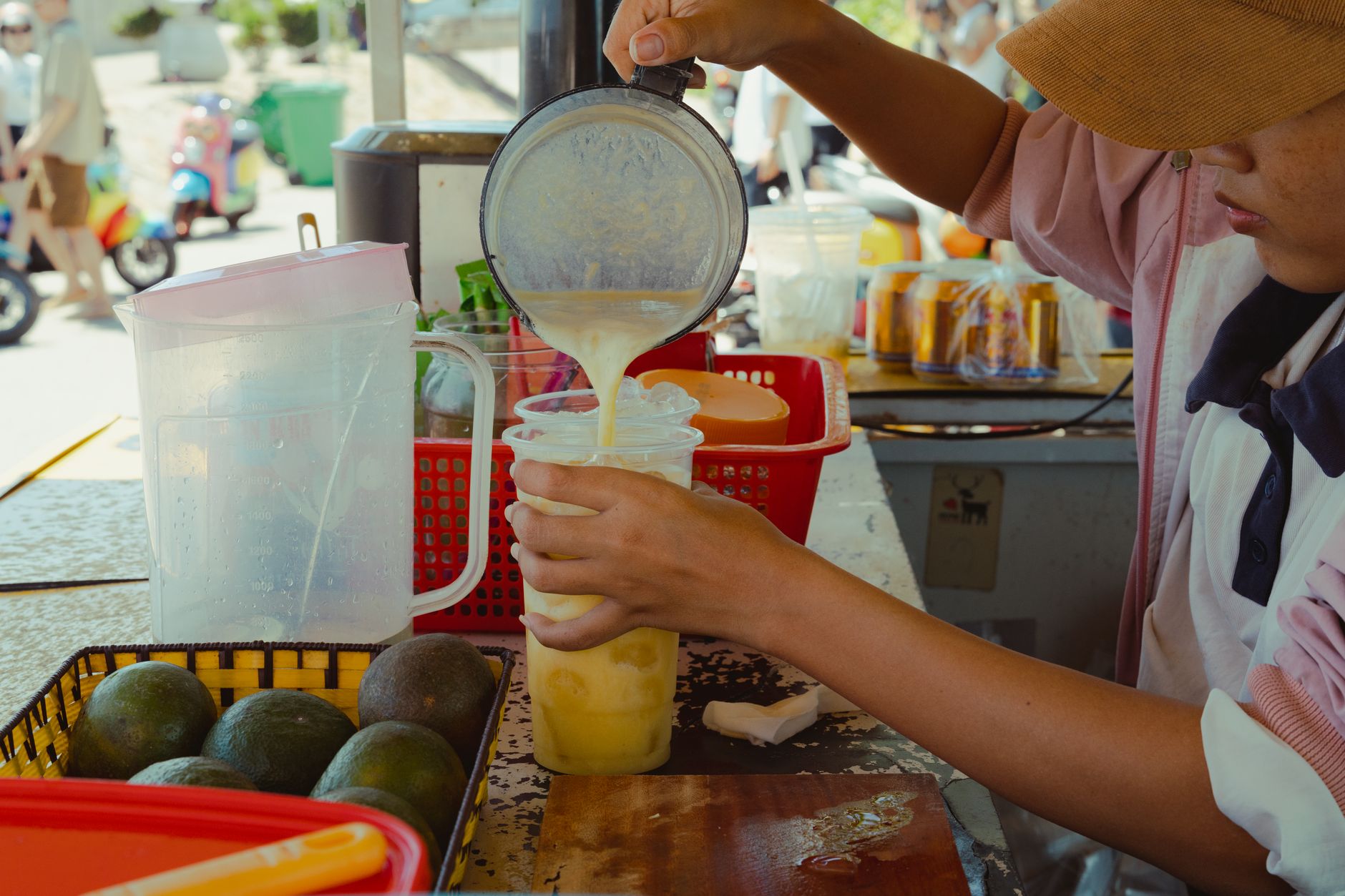
Photo by Sóc Năng Động on Pexels
The Third-Wave Side of Things
Saigon has a genuine specialty coffee scene, concentrated mainly in District 1, District 3, and the creative corridor around Nguyen Van Tho and Mac Dinh Chi streets.
Shops like The Workshop (on Ngo Duc Ke, third floor, above the street noise) were early in treating Vietnamese single-origin beans seriously — pour-overs, AeroPress, tasting notes on a blackboard. The coffee costs 60,000 to 90,000 VND a cup, which feels steep by local standards but is still a fraction of equivalent places in Bangkok or Singapore.
Phuong Mai Coffee and several smaller roasters in Binh Thanh now source directly from Da Lat and Dak Lak farms, working with Arabica varieties that most Vietnamese coffee drinkers grew up not knowing existed. This is not the default Saigon coffee experience, but it is a real part of the city's current food culture and worth an hour if you care about the subject.
For something in between — not a plastic stool, not a tasting flight — the mid-tier cafe scene in District 3 around Tran Cao Van and Vo Thi Sau streets hits a comfortable balance. Wooden furniture, phin-brewed coffee, 30,000 to 45,000 VND, air conditioning optional.

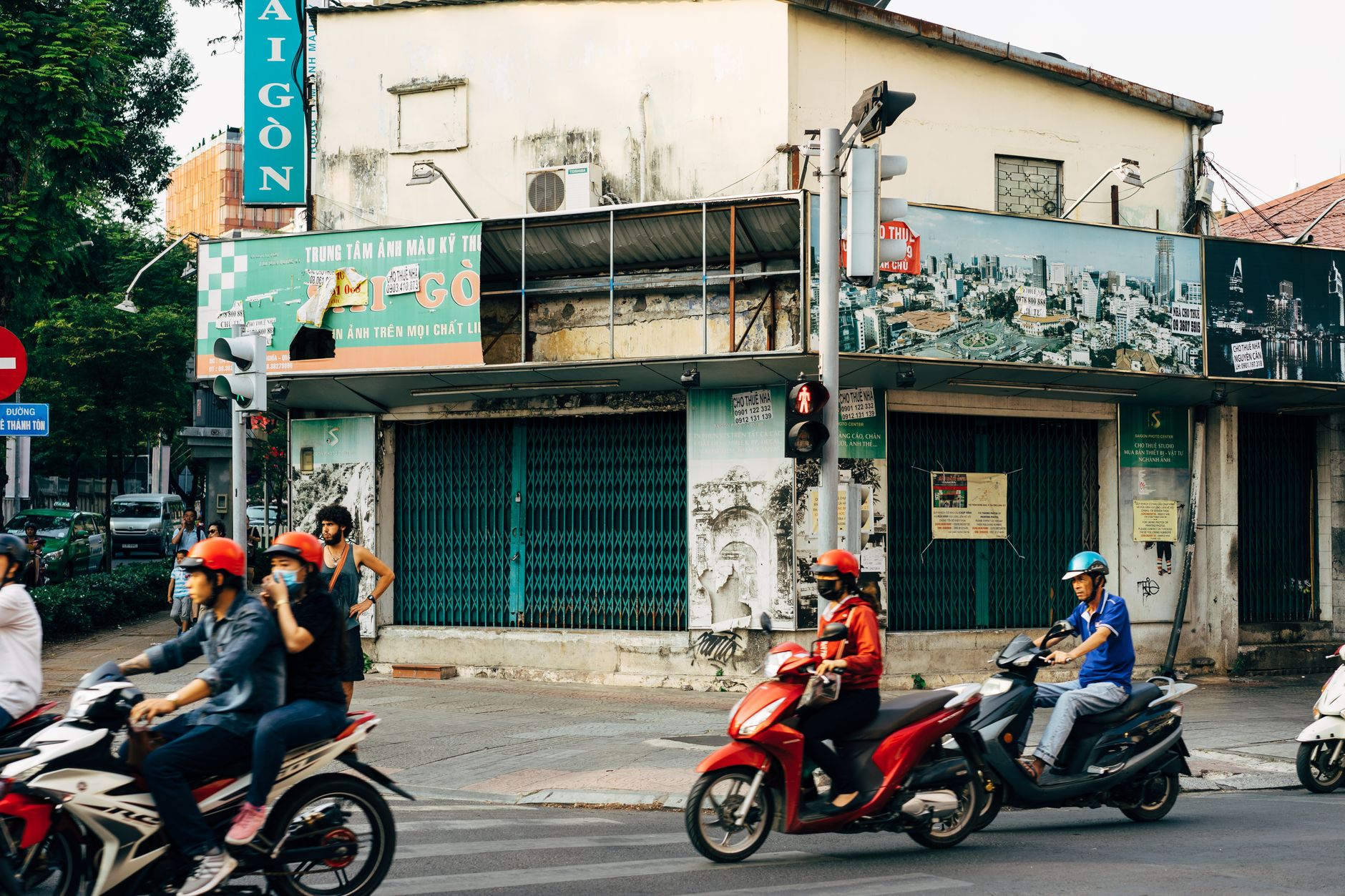
Photo by Theodore Nguyen on Pexels
Where to Drink Slow
Saigon cafe culture is not just about coffee — it is about duration. People sit for hours. Students study, friends talk for entire afternoons, freelancers set up laptops and stay until the evening rush. The social function of the cafe here is closer to a living room than a quick stop.
For slow mornings with good people-watching, the area around Ton That Dam in District 1 has old-school cafes that open at 6 a.m. and fill with retirees playing chess and reading newspapers. It is one of the few places in central Saigon that still feels unhurried.
For something newer but genuinely relaxed, Nha Chung Street near the Notre-Dame Cathedral area has a cluster of quiet cafes in old French-era buildings. Less foot traffic than the main tourist drag, better coffee, and usually a seat available.
"Vietnamese coffee" as a category undersells what Saigon actually has going on. The city drinks at every hour, at every price point, and with enough variation that you could spend a week just mapping the differences between neighborhoods.
Practical Notes
Street coffee runs 15,000 to 25,000 VND; mid-range cafes 30,000 to 55,000 VND; specialty shops 60,000 to 95,000 VND. Most street spots open by 6 a.m. and run until early afternoon when the thermos runs out. Third-wave cafes typically open around 8 or 9 a.m. Cash is standard at street level; cards are increasingly accepted at sit-down places.
Last updated · May 29, 2026 · independently researched, never sponsored.