Saigon has never had a shortage of coffee. It runs on the stuff — "vietnamese coffee" brewed dark and slow through a phin filter, served over condensed milk, consumed on a plastic stool at 6am while the city warms up around you. That culture isn't going anywhere. But in the last five years or so, a distinct third-wave scene has taken root, one that talks about altitude, processing method, and extraction yield with the same seriousness you'd find in Melbourne or Portland. The two cultures coexist here without much friction, which is part of what makes Saigon interesting to drink in.
The Roasteries Doing Serious Work
The clearest sign that Saigon's specialty scene has matured is the number of roasters operating in-house. These aren't cafes that bought a bag of beans from somewhere overseas and called it single-origin — they're sourcing directly from farms in Da Lat, Lam Dong, and the Central Highlands (중부 고원 / 中部高原 / 中部高原), cupping through harvests, and building real relationships with growers.
Shin Coffee (multiple locations, main shop in District 3) is probably the most consistent of the bunch. They work heavily with Da Lat (달랏 / 大叻 / ダラット) arabica and publish their sourcing information openly. A pour-over here runs around 75,000–95,000 VND depending on the bean. The space is quiet enough to actually taste what you're drinking.
The Workshop on Ngo Duc Ke in District 1 was one of the early movers in the scene, and it's still relevant — partly because of the high-ceilinged colonial space, partly because the barista team actually knows how to dial in an espresso. Expect to pay 80,000–110,000 VND for a filter coffee. It fills up with laptops by mid-morning, so go early if you want a seat without noise.
Lacaph in District 3 is smaller and more focused — the kind of place where the menu has tasting notes printed on it and the staff will walk you through them without being insufferable about it. They run occasional cupping events for around 200,000 VND per person that are worth doing once if you're curious about how Robusta and Arabica from different Vietnamese regions actually differ from each other.
What's Actually Being Served
Most of the serious cafes offer filter coffee brewed as pour-over (V60 or Chemex), cold drip, and espresso-based drinks. The interesting local inflection is that "ca phe sua da" — iced coffee with condensed milk — gets the craft treatment here too: same format, better beans, sometimes with the condensed milk served separately so you control the sweetness. It works.
Single-origin Da Lat arabica is everywhere and tends toward the lighter end: floral, slightly citric, low bitterness. The Central Highlands Robusta — when roasted well — is earthier and heavier-bodied, and a few roasters are now presenting it as a feature rather than a filler. If you've only ever had Robusta as the background note in cheap drip coffee, trying a well-roasted single-origin version here is genuinely surprising.
There's also been a quiet revival of interest in weasel coffee ("ca phe chon") — though the ethical sourcing questions around civet coffee are real, and the better cafes will tell you exactly where theirs comes from and whether the animals are farmed or wild-collected. Worth asking before you pay the premium (anywhere from 150,000 to 350,000 VND a cup).

Photo by Loriz E on Pexels
The Gap Between Sidewalk and Specialty
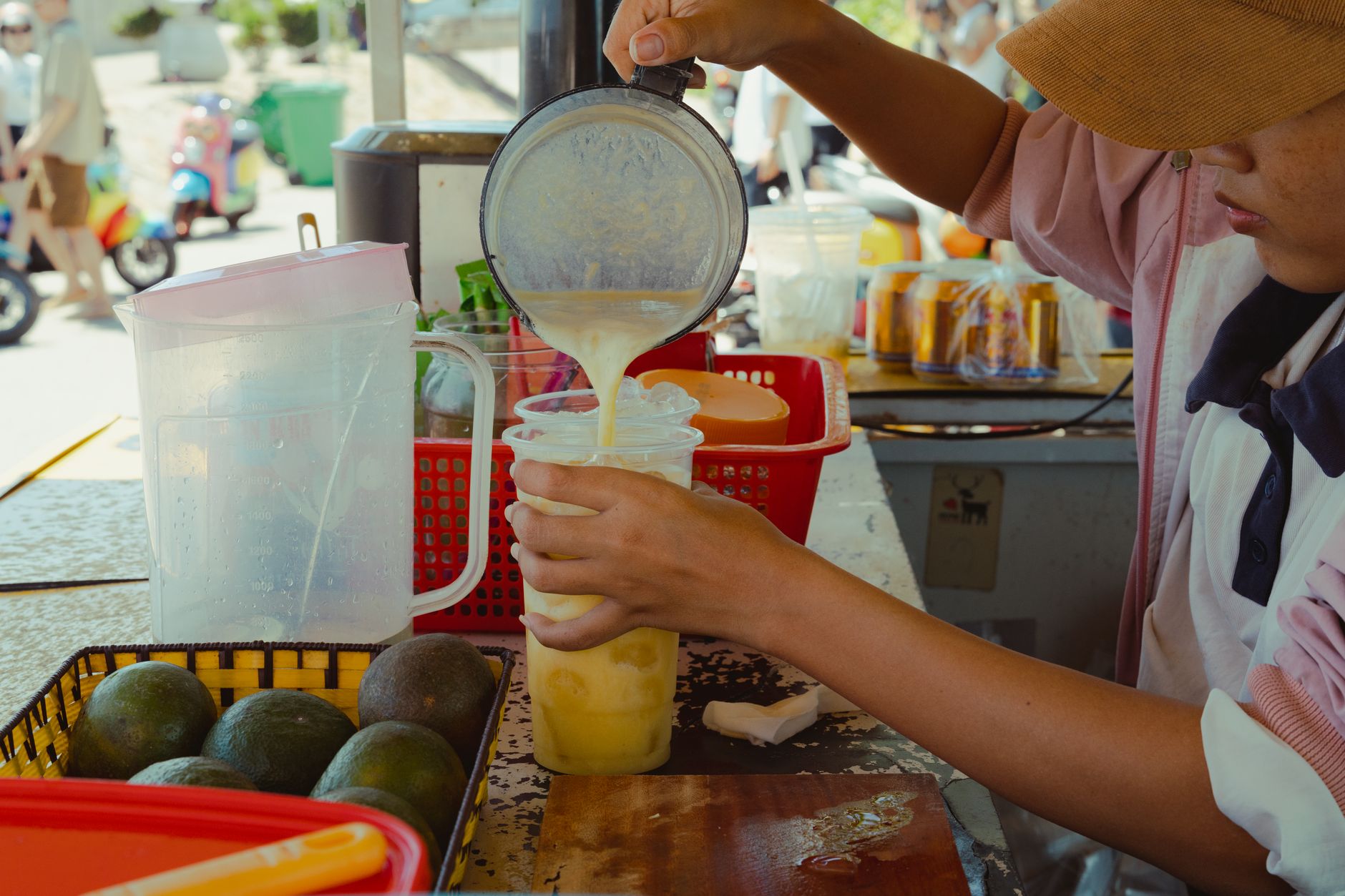
It would be easy to frame this as "old Saigon vs. new Saigon," but that's not quite right. The sidewalk "ca phe sua da" at 15,000 VND from a street cart near Ben Thanh Market and the 90,000 VND pour-over in a District 3 roastery aren't really competing — they serve different moments in a day. Most people who drink at the craft cafes also drink at the street cart. The gap is about occasion, not identity.
What does create friction is price perception. Ninety thousand dong for a coffee is genuinely expensive by local standards — it's more than a bowl of "bun cha" at a decent lunch spot. The clientele at the specialty cafes skews younger, urban, and increasingly international, which isn't a criticism so much as a data point about who these spaces were built for. A few roasters — Shin included — have worked to keep at least some of their menu accessible, with house filter options starting around 55,000 VND.

Photo by Sóc Năng Động on Pexels
Where to Start If You Have Limited Time
If you want one stop that covers the range of what's happening in Saigon coffee right now, spend a morning in District 3. Walk Vo Van Tan or Tran Cao Van and you'll pass four or five cafes within a few blocks — everything from a classic phin-filter setup at a family-run spot to a full roastery with a tasting menu. Have the street coffee first, then go sit somewhere with air conditioning and a V60. The contrast tells you something real about how this city eats and drinks.
Practical Notes
Most specialty cafes open between 7:30am and 8am and stay open until around 9–10pm. Card payment is accepted at the larger spots; bring cash for smaller roasteries. WiFi is reliable almost everywhere, which means seats fill up fast on weekday mornings — weekday afternoons are the easiest time to drop in without waiting.
Last updated · May 29, 2026 · independently researched, never sponsored.