Sapa is not a beer city the way Hanoi is, but that's part of what makes drinking here interesting. The scene is small, unpolished in the right places, and split pretty cleanly between where trekkers go and where people who actually live here drink. Both are worth your time.
The Bia Hoi Situation
"Bia hoi" — Vietnamese fresh draft beer brewed daily without preservatives — is the backbone of social drinking across northern Vietnam (베트남 / 越南 / ベトナム), and Sapa has its version of it, though it looks different from the famous corner joints in Hanoi's Old Quarter.
You won't find a dedicated bia hoi (비아호이 / 鲜啤 / ビアホイ) corner with a hundred plastic stools and a Huda umbrella. What you get instead are small local eateries — sometimes just a folding table outside a family home — that keep a keg of local draft running from around 5 PM. The beer is usually Halida or a regional brand from Lao Cai province, served in glass mugs for 8,000–12,000 VND. Don't overthink it. It's cold, it's cheap, it's social.
The cluster of lanes running off Ham Rong Street toward the market area — away from the main tourist strip on Cau May — is where you'll find these spots. Walk past the point where the souvenir shops thin out. If you see a group of men in work clothes eating "thang co" (a slow-cooked offal stew, local to this mountain region) and someone waves you over, sit down. That's the spot.
Saturday market day in Bac Ha, about 60 km southeast of Sapa, has its own version of this — local corn wine is more common there than beer, but a few vendors run cold draft alongside the market chaos.
Where the Trekkers Drink
Cau May Street and the surrounding blocks are where most visitors end up, and there's nothing wrong with that. The bars here are warmer (literally — Sapa gets cold, especially November through February), stocked with local and imported options, and generally fine if you want to debrief after a day on the trails.
Eden Bar has been around long enough to have regulars among both expats and long-stay tourists. It's not fancy. Bia Saigon on tap, a fireplace or space heater depending on the season, and a crowd that's usually a mix of Western hikers and Vietnamese tour guides. Prices sit around 30,000–50,000 VND for a local draft, 60,000–80,000 VND for a Tiger or Heineken.
Cogito Bar, a short walk from the main square, leans slightly more toward the cocktail crowd but still keeps local beer options. The balcony view toward the valley is genuinely good on a clear night — rare enough in Sapa that it's worth mentioning.

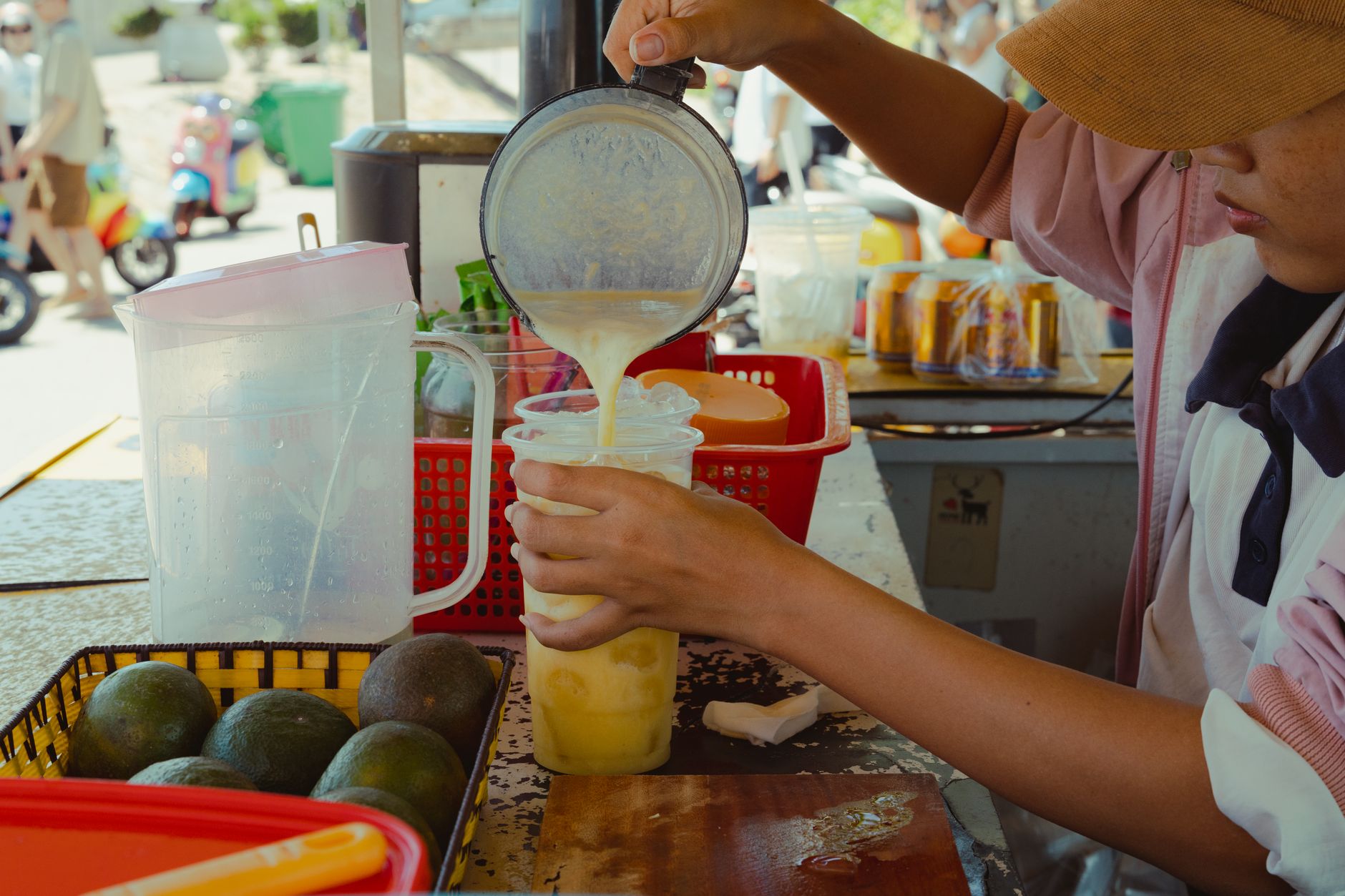
Photo by Tuan Vy on Pexels
The Craft Corner
Sapa's craft beer scene is small but not nonexistent. A few guesthouses and newer restaurants have started stocking Vietnamese craft labels — Ta Craft Beer from Hanoi, Heart of Darkness from Saigon, Pasteur Street Brewing from Ho Chi Minh City — and at least one taproom-style spot has opened in the last couple of years near the north end of Cau May.
Expect to pay 80,000–120,000 VND for a proper craft pour. The selection rotates and depends on what made the supply run from Hanoi, so treat the menu as advisory rather than fixed. IPAs and wheat beers tend to travel better up here than anything too delicate. If you see a Vietnamese pale ale on tap rather than canned, order it — it means someone made the effort.
What to Drink Alongside the Food
This is where Sapa separates itself. The food pairing question is genuinely interesting because the local cuisine is mountain food — heavy, fatty, smoky — and cold beer cuts through it well.
Thang co is the obvious pairing. The stew is rich and intensely savory, and a cold light lager (bia hoi works perfectly here) keeps the palate from getting overwhelmed. You'll find thang co at the Saturday markets and at a handful of restaurants serving Hmong and Dao minority cuisine around the town center.
Grilled meats — particularly "thit lon cap nach" (free-range black pig, roasted over charcoal) — are everywhere in Sapa and pair with basically anything cold. The fat-to-lean ratio on these small mountain pigs is different from lowland pork, and a session beer or a wheat ale handles it better than something aggressively hoppy.
For a lighter evening, "banh mi" with salmon — Sapa's farms produce decent cold-water salmon — alongside a craft pale ale is a more modern combination that a few of the newer cafes have figured out. It works.

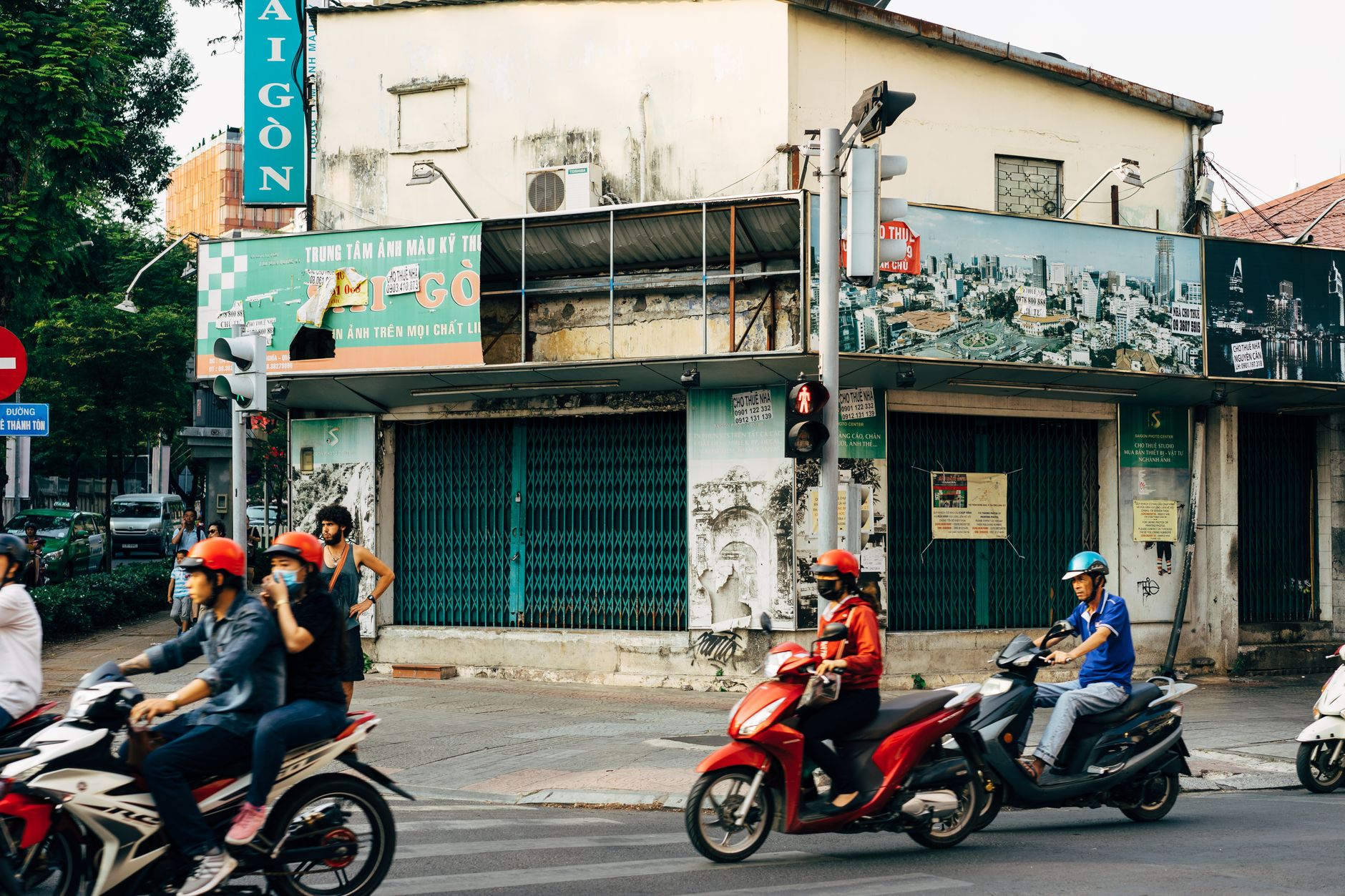
Photo by cottonbro studio on Pexels
The Local-vs-Tourist Split, Honestly
The split is real and it's not hostile — it's just geography and price. Locals drink near the market, on the side streets, in places that don't have English menus. Tourists drink on Cau May and in the guesthouses. The two crowds occasionally overlap at the larger eateries that seat both.
If you want to drink with locals, the move is simple: walk toward the market around sunset, find a table that has beer and food on it, and order what they're having. A few words of Vietnamese help — "mot bia, cam on" (one beer, thank you) goes a long way — but mostly it's about showing up without expectations.
"Bia hoi" culture is participatory. Nobody's going to perform it for you, but it's not exclusive either. The 10,000 VND glass is the entry fee and the social contract rolled into one.
Practical Notes
Sapa's altitude (around 1,500 m) means alcohol hits slightly faster than at sea level — budget travelers who've been hiking all day should factor that in. Most spots close by 11 PM; the town doesn't run late. Bring a layer if you're drinking outside between October and March.
Last updated · May 29, 2026 · independently researched, never sponsored.