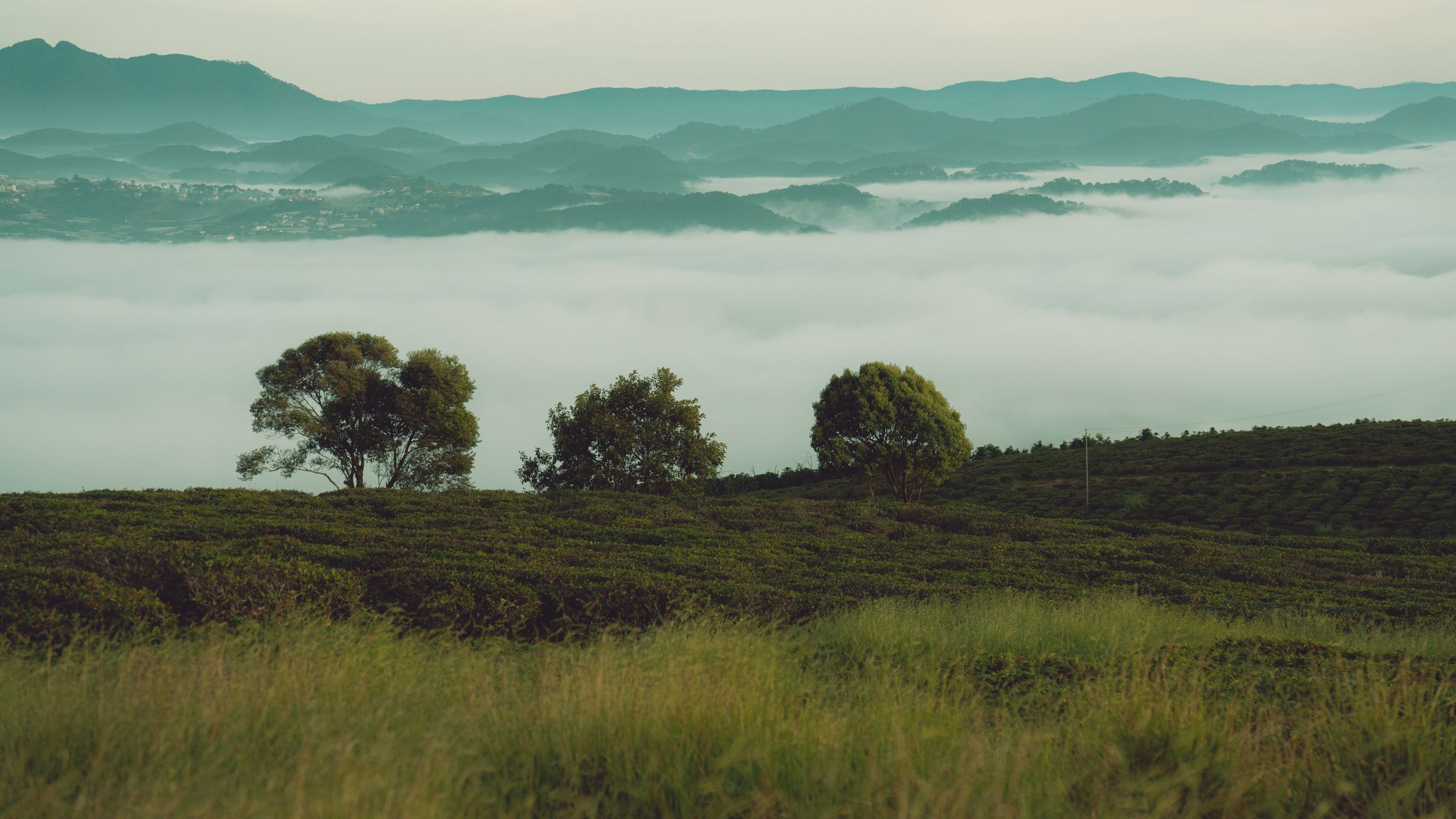
Sapa used to mean trekking fuel — bowls of instant noodles at guesthouses, grilled corn on the roadside, maybe a passable "pho" if you were lucky. That's still there, and there's nothing wrong with it. But over the past few years a handful of kitchens have started doing something more considered: taking the ingredients that make this corner of the northwest genuinely special — black cardamom, Muong Hoa Valley vegetables, Hmong-raised pork, foraged mushrooms — and cooking them with real technique. If you're already spending money on a mountain lodge, it's worth knowing where dinner can actually match the altitude.
The Restaurants Worth Your Time (and Money)
Chefs Table at Silk Path Grand Resort
Silk Path's hilltop position above town means you're eating with a view of the Hoang Lien Son range, which helps. But the kitchen earns its own attention. The tasting menu (around 850,000–1,200,000 VND per person depending on the season) rotates every few months and leans hard into local sourcing — expect dishes like slow-braised Lao Cai pork belly with pickled mustard greens, or a broth-forward soup built on black bone chicken that takes obvious inspiration from "pho (쌀국수 / 越南河粉 / フォー)" without pretending to be it. The head chef has worked in Hanoi and done time in a Hoi An resort kitchen, and you can feel that in the plating: things are composed without being fussy. Book ahead, especially on Friday and Saturday nights when the lodge fills with weekend arrivals from Hanoi.
The Hill Station Signature Restaurant
The Hill Station has been operating longer than most places in this category and remains one of the more reliable rooms in Sapa (사파 / 沙坝 / サパ). It sits inside a restored colonial-era building on Fansipan Street with exposed stone walls and low lighting that actually works for dinner rather than feeling like a cave. The menu is a smart hybrid — you'll find Hmong-influenced dishes like smoked buffalo with chili and ginger alongside a very good "banh cuon" made with mountain fern tucked into the filling, which is the kind of local riff that distinguishes this kitchen from places that just use "traditional" as a marketing word. Mains run 180,000–320,000 VND. Their wine list is short but they stock a few decent bottles. Service is attentive without hovering.
Sapa Social Club
Slightly more casual in atmosphere than the two above, but the food is consistently strong and the pricing sits in a middle range — around 120,000–250,000 VND for mains — that makes it accessible for a longer, relaxed meal. The kitchen pulls influences from across Vietnam: a southern-style "banh xeo" gets a northern treatment with local herbs, and their grilled meats come with dipping sauces that clearly come from someone who knows their regional condiments. The social enterprise angle is real rather than decorative — they employ and train young people from local ethnic minority communities, and the front-of-house staff are sharp. Good for groups.
Hmong Sisters Restaurant
Smaller and more personal than the resort dining rooms. Two sisters from a local Hmong family run this place on a side street off Cau May, and the menu is short by design — around eight or ten dishes that change depending on what came in from the market that morning. You might get stir-fried wild boar with lemongrass and chili, or a clear broth soup with foraged mushrooms and tofu that tastes like it was made by someone who has been cooking for their family for decades (because it was). Prices are honest: most dishes land between 90,000–160,000 VND. It's not fine dining in the tasting-menu sense, but the ingredient quality and the cooking knowledge on display put it firmly in the conversation. No reservations — arrive early or expect to wait.
What to Order Everywhere
Wherever you end up, a few ingredients are worth seeking out specifically in Sapa. Black cardamom grown in the valley is used fresh here in ways it never is when it travels to the city. Com lam — bamboo-tube rice cooked over open fire — shows up as a side at most of these places and is worth ordering every time even if it sounds like a tourist item. It isn't. And if a menu lists Thang Co, the traditional Hmong horse-meat stew, it's worth trying once for context, even if the flavor is an acquired taste. It speaks to where you are.

Photo by Western Skyline Hotel on Pexels
Prices and Reservations
Fine dining in Sapa is still significantly cheaper than equivalent cooking in Hanoi or Saigon. A full dinner for two with drinks at the higher end — Silk Path or Hill Station — will typically run 600,000–1,000,000 VND total, sometimes more if you go deep on wine. That's the ceiling, not the average. Reservations matter most on weekends from September through November (peak trekking season) and during Tet and Golden Week when domestic tourism surges. Email or call at least two days ahead for the resort restaurants. The smaller spots like Hmong Sisters don't take bookings, so go early — before 6:30 PM — or accept a wait.

Photo by Quang Nguyen Vinh on Pexels
Getting There from the Center
All of these restaurants sit within 2 km of Sapa town center. The Hill Station and Sapa Social Club are walkable. Silk Path Grand Resort is uphill on the edge of town — a 10–15 minute walk or a 25,000–35,000 VND xe om ride from the central market.
Practical Notes
Sapa's weather turns cold fast after dark, especially October through February — bring a layer even if you ate lunch in a t-shirt. Most of these kitchens close by 9:30 or 10 PM, earlier than you'd expect compared to Hanoi restaurants, so don't arrive late and expect full service.
Last updated · May 29, 2026 · independently researched, never sponsored.



