What it is
Suoi Giang is a Hmong commune perched at roughly 1,400m in the Hoang Lien Son range, about 180km west of Hanoi. The draw is simple: a forest of ancient "shan tuyet" (snow mountain) tea trees, some over 300 years old, with trunks you can't wrap your arms around. The oldest specimen — locals claim it's around 400 years — stands about 3m in circumference near the commune center, fenced off but accessible on foot.
Unlike the manicured plantations you see in Thai Nguyen or Moc Chau, these trees grow semi-wild on steep slopes, tended by Hmong families who've harvested leaves here for generations. The tea produced is a lightly oxidized style with a distinct floral sweetness — nothing like the bitter green tea served at most Vietnamese restaurants.
Historically, French colonial botanists documented the Suoi Giang tea forest in the early 1900s, noting the unusual altitude and age of the trees. The commune remained obscure to domestic tourists until roughly 2015, when tea culture interest and social media put it on the map.
Why travelers go
Three reasons, mostly:
-
The trees themselves. Walking through a forest of gnarled, moss-covered tea trees at altitude feels genuinely different from anything else in northern Vietnam (베트남 / 越南 / ベトナム). It's not a garden — it's a functioning forest with an understory.
-
Hmong culture without the Sapa crowds. Suoi Giang sees a fraction of the visitors that Sapa gets. You'll encounter daily life — women weaving, men splitting firewood, kids herding buffalo — without the commercial overlay.
-
Tea buying. If you care about tea, this is a sourcing trip. Prices at the commune are 200,000–500,000 VND per kilogram depending on grade, compared to 800,000+ VND in Hanoi (하노이 / 河内 / ハノイ) shops selling the same product.
Best time to visit
The tea harvest runs in two main flushes: March–April (spring tea, the prized batch) and September–October (autumn tea, slightly more astringent). Visiting during harvest means you can watch picking and processing firsthand.
For scenery, October–November brings clear skies and cool temperatures (12–18°C during the day). Avoid June–August if you dislike mud — the road up gets slippery during heavy rain, and cloud cover can be dense for days.
Winter months (December–February) are cold — dropping to 5°C at night — but dramatically beautiful, with fog sitting below you in the valley.
How to get there
Suoi Giang belongs to Van Chan district. The nearest town is Nghia Lo, about 25km to the east.
From Hanoi:
- Drive or arrange a car to Nghia Lo (roughly 180km, 4–4.5 hours via the Noi Bai–Lao Cai expressway, exiting at the Van Chan/Nghia Lo turnoff). From Nghia Lo, it's another 25km on provincial road, climbing steeply for the final 10km.
- Alternatively, take an overnight bus to Nghia Lo (several operators from My Dinh bus station, ~150,000 VND) and hire a xe om (motorbike taxi) from there for 100,000–150,000 VND.
From Sapa or Lao Cai city: It's about 150km south. Doable in a day on motorbike via Mu Cang Chai (stunning rice terraces en route), but plan 5–6 hours of mountain riding.
Road condition: The final stretch to Suoi Giang commune is paved but narrow, with some deteriorated sections. A motorbike with decent clearance handles it fine. Cars make it too, but parking is limited at the tea forest trailheads.
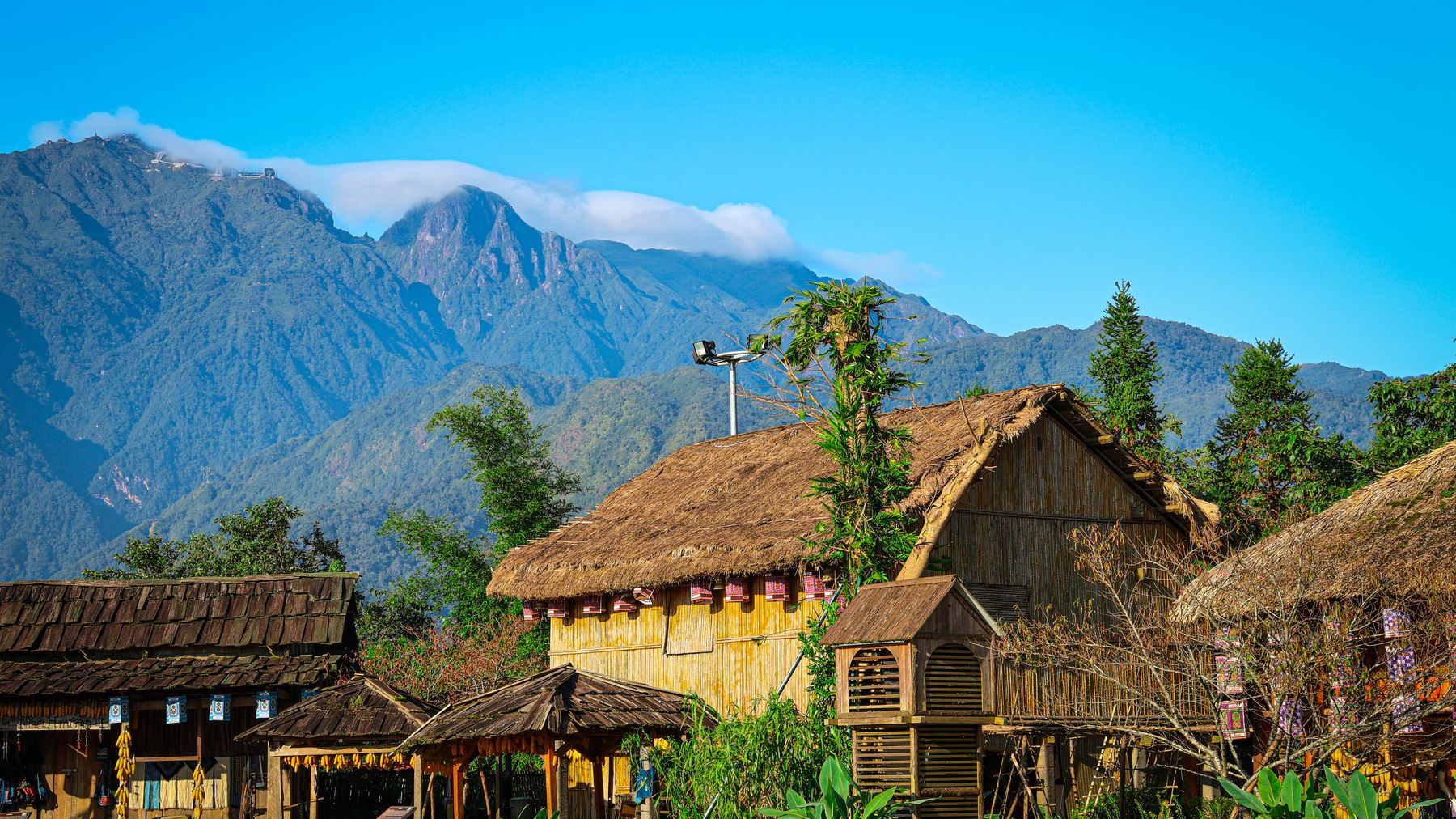
Photo by Haneul Trac on Pexels
What to do
Walk the ancient tea forest
The main cluster of old-growth trees is a 2–3km walking loop starting from the commune center. No ticket, no gate — just follow the dirt paths uphill. Bring decent shoes; it's steep and often damp. The largest trees are marked with small signs.
Watch tea processing
If you visit during harvest season, families process leaves in their homes — withering on bamboo trays, then pan-firing in large woks over wood fires. Ask politely (a smile and pointing at the wok works) and most people will let you watch. Some will let you try rolling leaves yourself.
Visit the Hmong market in Nghia Lo
The Sunday morning market in Nghia Lo town (Muong Lo market) is one of the better ethnic minority markets in the northwest — less touristy than Bac Ha, with Hmong, Thai, and Muong traders selling everything from buffalo to handwoven textiles.
Hike toward Suoi Giang peak
The ridge above the commune reaches roughly 1,600m. There's no marked trail, but locals can point you in the right direction. Views of the Van Chan valley on clear mornings are worth the scramble.
Where to eat
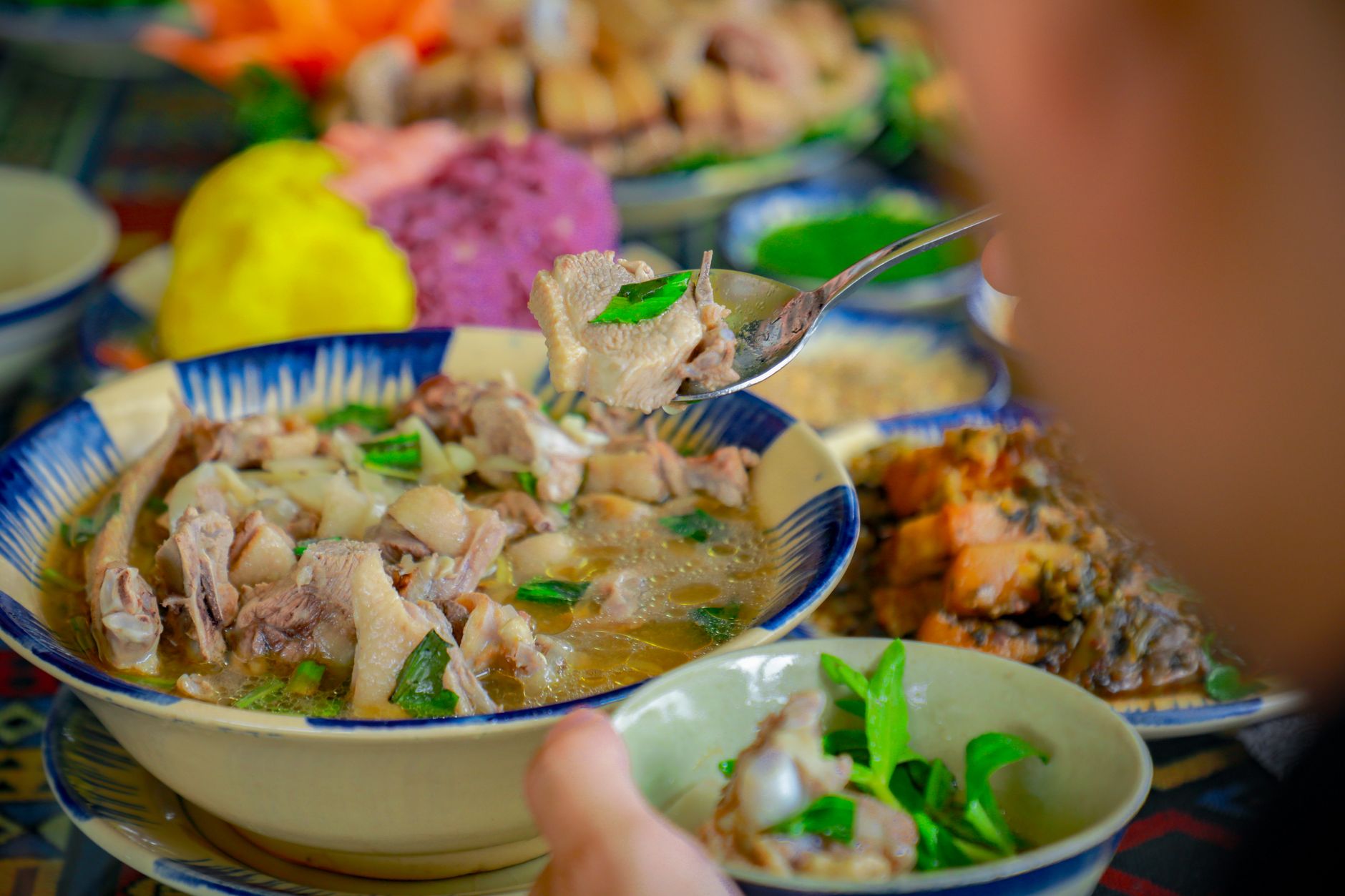
Don't expect restaurants. Suoi Giang has a couple of small quan com (rice shops) near the commune building serving standard northern Vietnamese fare — rice, stir-fried greens, pork, soup — for 30,000–50,000 VND per meal.
For something better, eat in Nghia Lo before heading up. Try "com lam" (bamboo-tube rice) and grilled stream fish at any of the Thai-style restaurants along the main road. A full meal with local rice wine runs about 80,000–120,000 VND per person.
If you're into pho, Nghia Lo has several decent morning spots near the central market.
Where to stay
Suoi Giang has a handful of homestays — basic wooden houses with mattresses on the floor, shared bathrooms, and warm blankets. Expect 150,000–250,000 VND per night including dinner and breakfast. Ask at the commune office or look for hand-painted signs reading "Homestay" along the road.
For more comfort, stay in Nghia Lo (25km away) where guesthouses and small hotels run 300,000–500,000 VND per night with hot water and wifi.
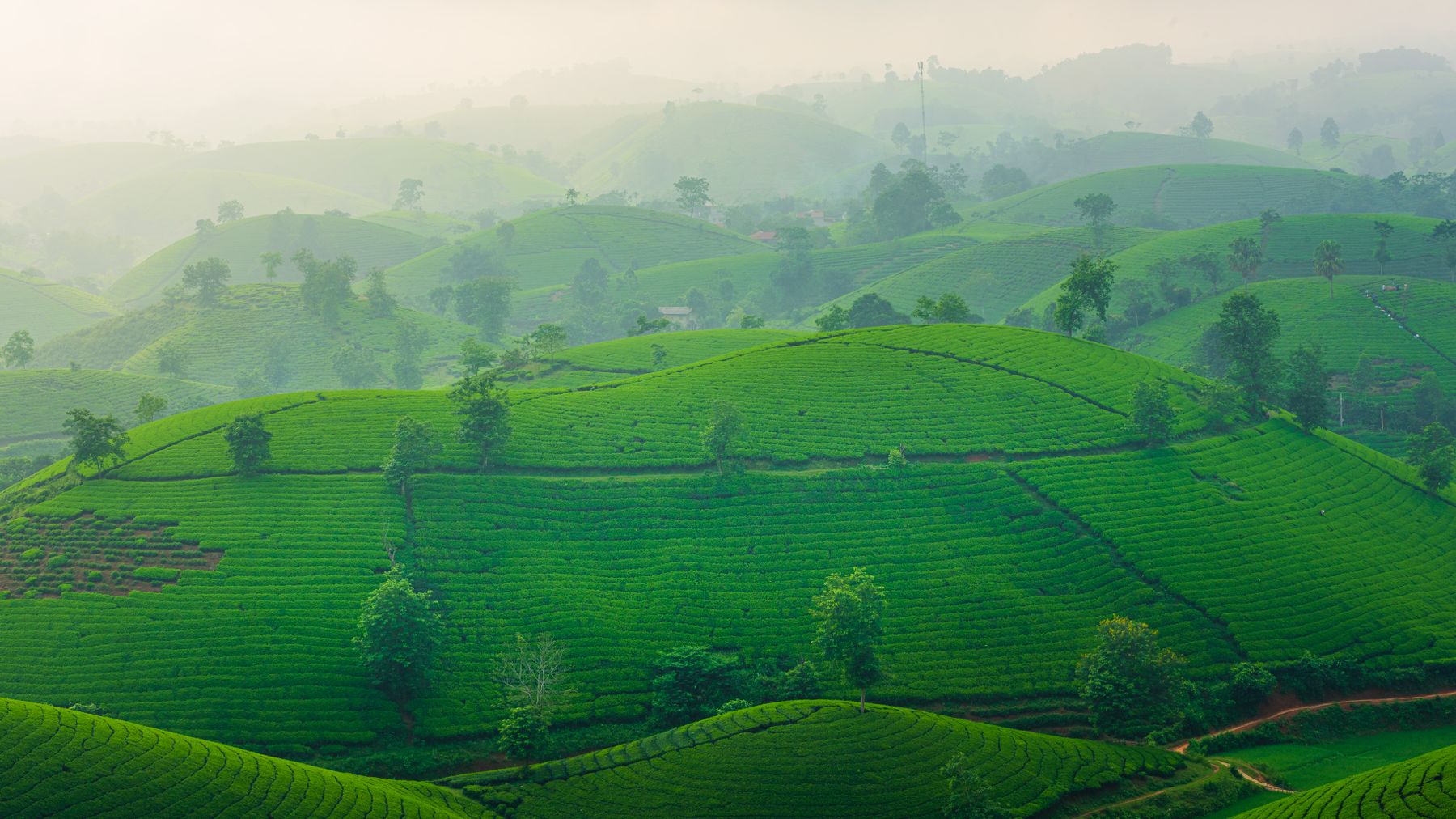
Photo by Duc Nguyen on Pexels
Practical tips
- Bring cash. No ATMs in Suoi Giang; the nearest is in Nghia Lo.
- Pack layers. Temperature swings 10–15°C between midday sun and evening.
- Buy tea directly from families, not from roadside middlemen. Quality is better and prices are lower.
- Phone signal is patchy — Viettel works best up here.
- Fuel up in Nghia Lo. No petrol station in the commune.
Common mistakes
- Treating it as a day trip from Hanoi. The drive is long enough that rushing back the same day means you arrive stressed and leave before the best light. Stay one night minimum.
- Coming without a motorbike or private car. Public transport gets you to Nghia Lo but not up the mountain efficiently.
- Expecting Sapa-level infrastructure. This isn't a resort zone. That's the point — but pack accordingly.
- Skipping Nghia Lo. The town itself has good food, a scenic valley (Muong Lo is the second-largest rice plain in the northwest after Dien Bien), and a useful Sunday market.
Final note
Suoi Giang won't blow your mind with dramatic karst scenery like Ha Long Bay or Ninh Binh. What it offers is quieter: old trees, good tea, mountain air, and a functioning Hmong community that hasn't been turned into a photo op. If that sounds like your kind of travel, it's worth the detour.
Last updated · May 29, 2026 · independently researched, never sponsored.