What it is
Thanh Thuy is a district in Phu Tho province, about 80 km west of Hanoi, where naturally heated mineral water rises from underground at temperatures between 37°C and 42°C. The hot springs here have been used by locals for generations — farmers from surrounding villages would soak in the warm streams after long days in the rice paddies. Starting in the early 2000s, a handful of resorts built around the spring sources turned the area into one of the closest hot-spring escapes from the capital.
The water is rich in minerals like calcium, magnesium, and sulfur. Whether or not you buy into the health claims, sitting in a warm outdoor pool surrounded by green hills after a two-hour drive from Hanoi (하노이 / 河内 / ハノイ) is a genuinely good way to spend a weekend.
Why travelers go
Thanh Thuy fills a specific niche: it's the nearest natural hot-spring area to Hanoi that doesn't require a full-day journey. Most visitors are Hanoians escaping the city for a night or two, but it works well for foreign travelers looking to decompress between longer legs of a northern Vietnam (베트남 / 越南 / ベトナム) trip. The vibe is low-key — no party scene, no big tourist infrastructure. You soak, you eat, you sleep well. That's the pitch.
It also pairs naturally with a visit to the Hung Kings Temple complex in Viet Tri, about 40 km northeast. If you're timing a trip around the Hung Kings Festival in the third lunar month (usually April), combining the two makes a solid overnight loop from Hanoi.
Best time to visit
The hot springs are open year-round, but the sweet spot is October through March. Northern Vietnam gets genuinely cold in winter — Phu Tho can drop to 10-12°C in December and January — and soaking in mineral water outdoors when the air is cool is a different experience than doing it in 35°C summer heat.
Weekdays are noticeably quieter. Friday and Saturday nights fill up fast at the better resorts, especially from November through Tet. If you can swing a Tuesday-to-Wednesday visit, you'll have pools mostly to yourself and sometimes score discounted room rates.
How to get there from Hanoi
By car or motorbike: Take the Thang Long highway (CT05) heading northwest, then branch off toward Thanh Son via National Road 32. The drive is about 80 km and takes roughly 1.5 to 2 hours depending on traffic leaving Hanoi. Road quality is decent the whole way.
By bus: Catch a bus from My Dinh bus station heading to Thanh Thuy or Thanh Son. Tickets run 80,000-120,000 VND. The ride takes about 2-2.5 hours. From the Thanh Thuy bus stop, you'll need a local taxi or "xe om" (motorbike taxi) to reach the resort area — roughly 15,000-30,000 VND for a few kilometers.
By private car (Grab or charter): A one-way Grab car from central Hanoi costs around 600,000-800,000 VND. Some resorts arrange shuttle transfers for guests if you book in advance — worth asking.
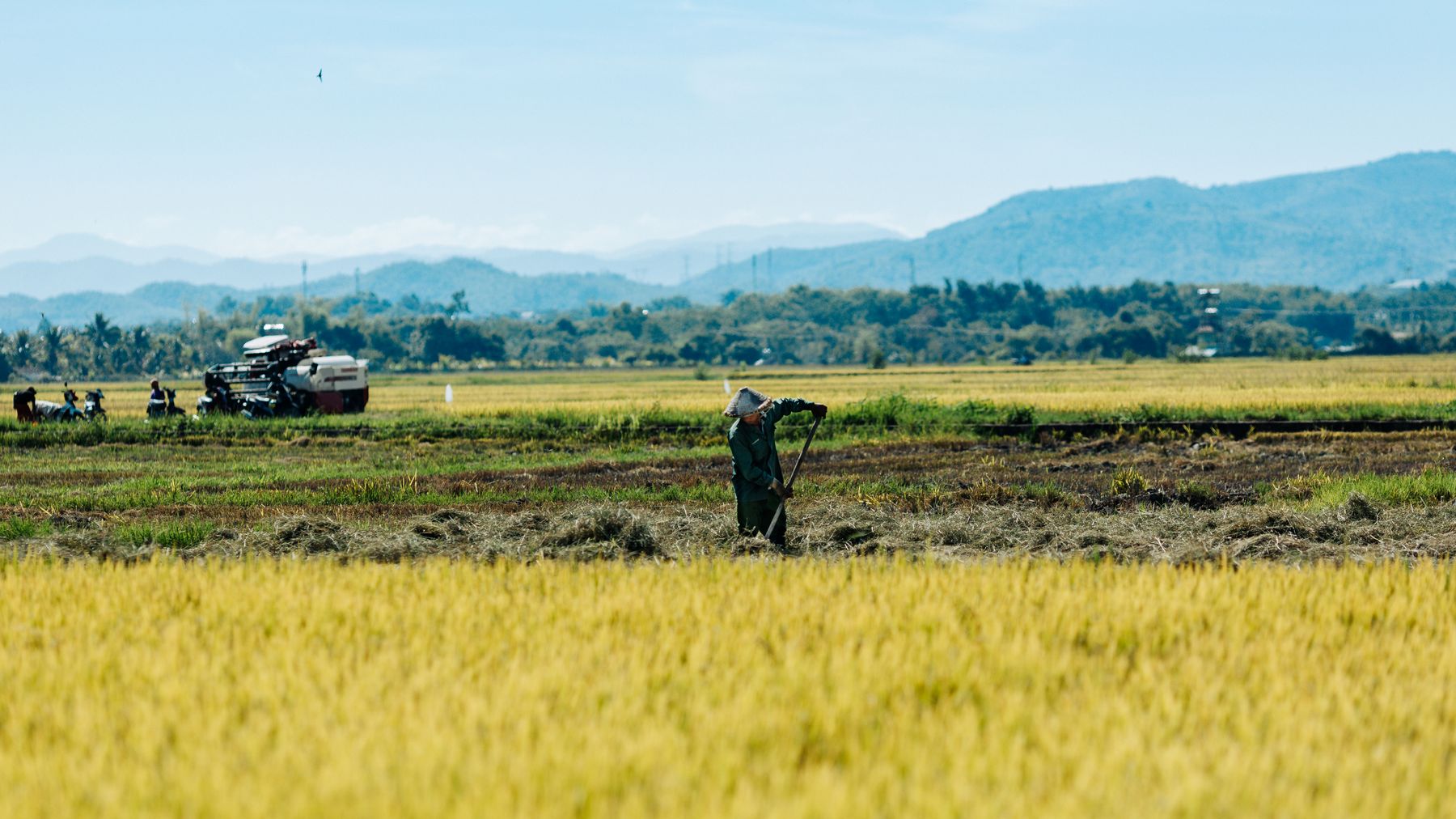
Photo by Thái Trường Giang on Pexels
What to do
Soak in the mineral pools
This is why you came. Most resorts offer a mix of communal outdoor pools, semi-private soaking areas, and individual tubs. Water temperatures vary by pool — some are lukewarm, others properly hot. The better resorts (Thanh Lam, Vuon Vua, Dang Khoa) pipe water directly from the spring source rather than heating treated water, so ask before booking if that matters to you. Day-use pool access typically runs 100,000-200,000 VND per person.
Explore the surrounding countryside
Rent a bicycle from your resort or just walk. The area around Thanh Thuy is flat-to-rolling agricultural land — rice paddies, pomelo orchards, tea plantations. It's not dramatic mountain scenery, but the quiet is real. Early morning is best, before the midday heat.
Visit a tea village
Phu Tho is one of Vietnam's major tea-producing provinces. Several small villages near Thanh Thuy grow and process green tea. You can watch the drying and rolling process and buy directly from producers for a fraction of Hanoi shop prices. If you enjoy "lotus tea", some local producers here also scent green tea with lotus — ask for "tra sen."
Day trip to Hung Kings Temple
The Hung Temple complex sits on Nghia Linh mountain in Viet Tri, about 40 km from Thanh Thuy. It's the spiritual origin-point of Vietnamese civilization in local tradition, and the grounds are peaceful on non-festival days. The drive takes about 45 minutes each way.
Try a mud bath
A couple of the larger resorts offer mineral mud baths alongside the hot springs. You get coated in warm mineral mud, let it dry, then rinse off in the pools. It's messy and a little ridiculous, but oddly satisfying. Expect to pay 150,000-250,000 VND per session.
Where to eat nearby
Thanh Thuy isn't a food destination, but there are a few things worth seeking out.
"Com lam" — sticky rice cooked inside bamboo tubes over a fire — is a regional specialty you'll find at small roadside stalls near the resorts. It's simple, slightly smoky, and goes well with grilled pork or chicken.
Phu Tho is also known for a version of "pho" that's slightly different from Hanoi's — the broth tends to be lighter, and some shops use a wider rice noodle. Look for small local "pho" shops in Thanh Thuy town rather than eating exclusively at resort restaurants, which charge double for less character.
For something heartier, several roadside places along the main road grill whole chicken and serve it with salt-pepper-lime dip and sticky rice. A whole chicken runs about 250,000-350,000 VND and feeds two or three people easily.
Where to stay
Accommodation clusters around the spring sources. Rough price ranges per night:
- Budget (400,000-700,000 VND): Basic guesthouses and homestays. You get a clean room and access to communal pools. Don't expect luxury, but the water is the same.
- Mid-range (800,000-1,500,000 VND): Resort rooms with private or semi-private soaking tubs, breakfast included. Vuon Vua Resort and Thanh Lam Resort sit in this range and both have well-maintained pool areas.
- Higher-end (1,800,000-3,500,000 VND): Larger resort villas or bungalows with private hot-spring tubs on the terrace. Good for couples or small groups splitting costs. Some include spa treatments.
Book directly with the resort by phone or Zalo for better rates than OTA platforms, especially midweek.

Photo by Siarhei Nester on Pexels
Practical tips locals would tell you
- Hydrate. Extended soaking in hot mineral water dehydrates you faster than you'd think. Bring a water bottle to the pool area.
- Go easy on the alcohol before soaking. Hot water plus "bia hoi" is a combination that leads to lightheadedness. Save the cold beers for after.
- Bring flip-flops. Pool areas can have rough stone paths. Most resorts provide slippers, but they're often flimsy.
- Cash is king. Some smaller guesthouses and all the roadside food stalls only take cash. ATMs exist in Thanh Thuy town but aren't abundant.
Common mistakes to avoid
- Booking the cheapest resort without checking the water source. Some budget places use heated tap water and call it "hot springs." Read recent reviews or ask directly whether the water comes from the natural spring.
- Only staying a few hours. Day-tripping from Hanoi is possible but rushed. One overnight lets you soak in the evening and again in the morning, which is the best sequence.
- Visiting on a holiday weekend. Tet / 越南春节 / テト), the April 30 long weekend, and Hung Kings Festival bring massive crowds from Hanoi. Pools get packed, prices spike, and rooms sell out weeks ahead.
- Skipping sunscreen. Even in winter, UV exposure adds up when you're sitting in an outdoor pool for hours. The mineral water washes it off, so reapply.
Practical notes
Thanh Thuy works best as a 1-2 night side trip from Hanoi, either on its own or combined with the Hung Kings Temple area. It's not a destination you'd build a whole itinerary around, but as a reset between busier stops in the north, it does exactly what it needs to do.
Last updated · May 29, 2026 · independently researched, never sponsored.