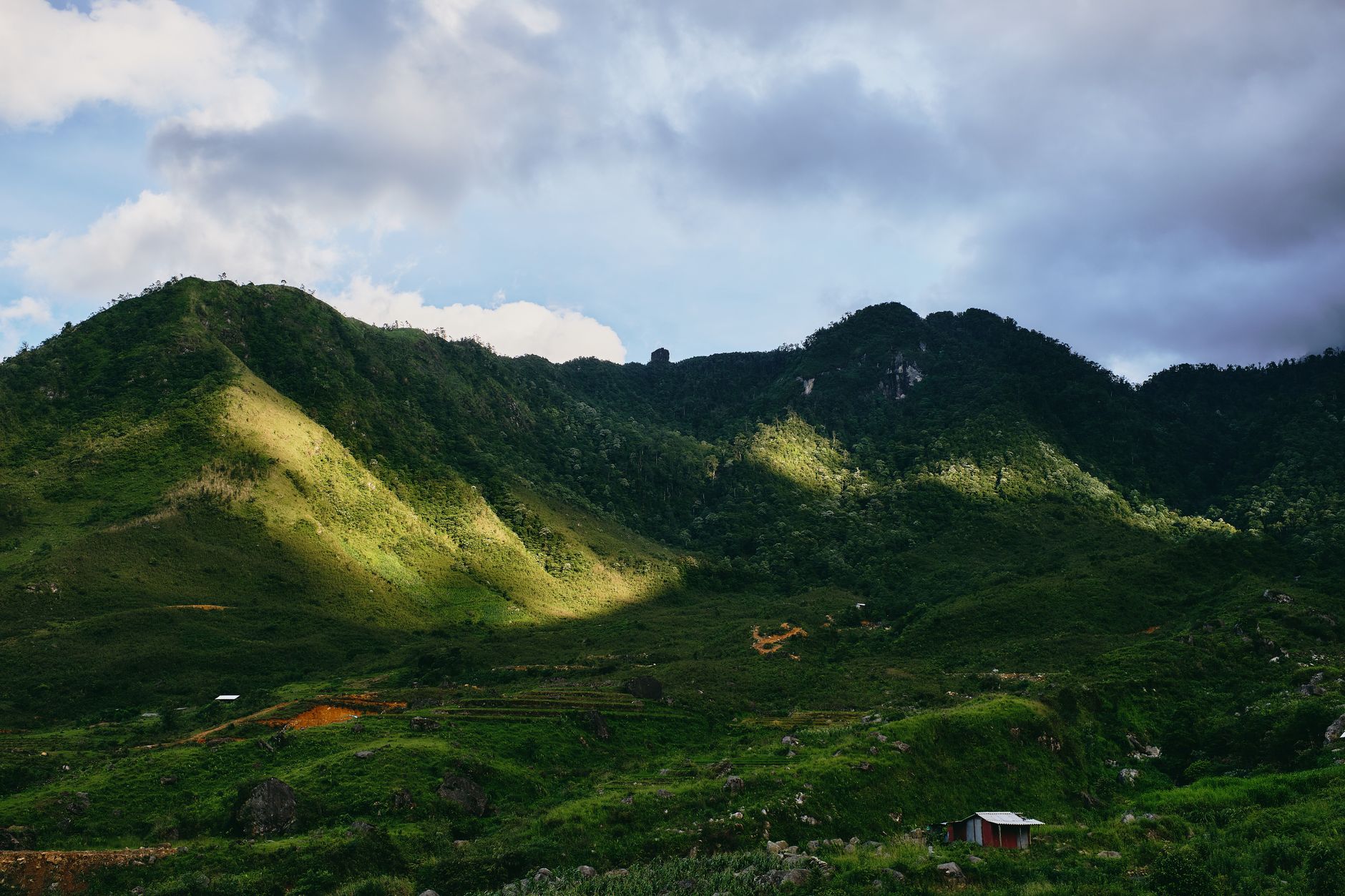
Dien Bien province doesn't get much tourist traffic beyond the famous battlefield, and that's part of what makes U Va hot springs worth the trip. It's a natural mineral spring complex tucked into a valley about 30 km from Dien Bien Phu city, used by Thai ethnic communities for generations and now open to visitors who don't mind a bit of effort to reach it.
What It Is and Why It Matters
Suoi Khoang Nong U Va sits in the commune of Na Tau, Dien Bien district. The springs push naturally heated mineral water — temperatures hover around 60-70°C at the source — up through limestone, feeding into pools that locals have bathed in for as long as anyone remembers. The water carries sulfur and various minerals, and while the health claims you'll hear range from reasonable (good for skin, eases joint pain) to ambitious (cures everything), there's no denying it feels good after a day on a motorbike in the mountains.
The site was developed lightly in recent years with basic soaking facilities, changing rooms, and a few sheltered pools at different temperatures. It's not a resort spa — think concrete tubs fed by natural pipes, open-air pools surrounded by trees, and a general atmosphere closer to a community bathhouse than a wellness retreat. That's the appeal.
Why Travelers Go
Most visitors come for one of three reasons: the soak itself, the ride through the valley to get there, or as a side trip while exploring Dien Bien Phu's historical sites. The road from Dien Bien Phu city passes through rice paddies and small Thai villages with stilt houses — it's one of the more scenic short rides in the northwest. For anyone spending two or three days in Dien Bien province, U Va gives you a reason to get out of the city and into the countryside.
Best Time to Visit
The sweet spot is October through March. The cooler months — especially December and January when nighttime temperatures in Dien Bien drop to 10-15°C — make soaking in hot mineral water actually pleasant rather than punishing. Visiting in July when it's 35°C and humid defeats the purpose.
Avoid the heaviest rain months (July-August) entirely. The road to U Va can get muddy and slippery, and flash flooding in mountain valleys is a real concern, not a theoretical one. September and early October can still be wet but are manageable. November is arguably the best single month: dry, cool, the rice has just been harvested, and the valley looks golden.
How to Get There
From Hanoi, you first need to reach Dien Bien Phu city. You have two options:
- Flight: Vietnam (베트남 / 越南 / ベトナム) Airlines operates daily flights from Noi Bai to Dien Bien Phu airport (about 1 hour). Tickets run 1,200,000-2,500,000 VND depending on season and how far ahead you book.
- Bus: Sleeper buses from My Dinh station take 9-11 hours and cost around 350,000-450,000 VND. The road (via Son La on Highway 6 and then Highway 279) is winding and long but travels through genuinely impressive mountain terrain.
From Dien Bien Phu city to U Va is roughly 30 km southwest. You can rent a motorbike in town for 120,000-180,000 VND per day — this is the best option because it lets you stop along the way. The road is mostly paved but has some rough patches near the springs. A xe om (motorbike taxi) will cost around 150,000-200,000 VND one way. There's no regular public bus service to the springs.

Photo by Claire Dao on Pexels
What to Do
Soak in the Mineral Pools
The main draw. There are communal pools at different temperatures — the cooler downstream pools sit around 37-40°C, comfortable for long soaks. Closer to the source, the water is scalding. Entry fees are modest, typically 30,000-50,000 VND per person. Private tub rooms, if available, cost more (around 100,000-150,000 VND).
Walk the Spring Source Trail
A short path leads upstream to where the hot water surfaces. You'll see the mineral deposits — white and yellow crusts on the rocks — and feel the temperature shift dramatically over just a few meters. It's a 15-20 minute walk, mostly flat.
Visit Na Tau Village
The surrounding Thai village is worth an hour of wandering. Stilt houses, small gardens, drying rice on tarps in the road. People are generally friendly but this isn't a tourist village — be respectful, ask before photographing homes, and don't walk into anyone's ground-floor area (that's where livestock and tools are kept, and it's private space).
Ride the Valley Loop
If you have a motorbike, extend the trip into a loop through the surrounding valleys. The roads connecting smaller communes south of Dien Bien Phu pass through some of the quietest scenery in the northwest — terraced hills, bamboo forest, almost zero traffic.
Where to Eat Nearby
There are a few small food stalls near the hot springs selling basic rice plates and noodle soup, but don't expect much variety. The better move is to eat in Dien Bien Phu city before or after your visit.
Two things worth seeking out in town: "com lam" — sticky rice cooked inside bamboo tubes over charcoal, a Thai ethnic specialty that's common across the northwest — and grilled stream fish served with dipping sauces of chili, salt, and local herbs. A filling meal at a local com binh dan (everyday rice shop) runs 35,000-60,000 VND. For something more composed, restaurants along the main road near the Muong Thanh field area serve regional dishes for 80,000-150,000 VND per person.
Where to Stay
There's no accommodation at U Va itself — you'll stay in Dien Bien Phu city.
- Budget guesthouses (nha nghi): 150,000-300,000 VND per night. Basic but functional. Hot water and Wi-Fi are standard.
- Mid-range hotels: 400,000-800,000 VND. The cluster around the central market area is most convenient.
- Him Lam Resort and a few newer hotels push toward 1,000,000-1,500,000 VND and are the nicest options in town, though "nice" here is relative to the northwest, not Hanoi (하노이 / 河内 / ハノイ).

Photo by Thái Trường Giang on Pexels
Practical Tips Locals Would Tell You
- Bring your own towel. Rental towels at the springs are thin and sometimes unavailable.
- Wear sandals you don't mind getting wet — the pool areas are slippery and the mineral water stains fabric.
- Start early. The springs are quietest before 9 AM. By midday on weekends, local families arrive in numbers.
- Carry cash. There's nothing resembling an ATM near U Va, and phone signal for mobile payments is unreliable.
- Hydrate. Hot water soaks dehydrate you faster than you'd think, especially if you've been riding in the sun.
Common Mistakes to Avoid
Don't plan U Va as a day trip from Hanoi — it's too far and too rushed. Give yourself at least two nights in Dien Bien Phu to do the springs, the battlefield memorial, and maybe a village visit without feeling hurried.
Don't soak in the source pools. The water at the origin point can exceed 65°C, which will burn you. It's happened. Use the designated bathing pools downstream where the temperature is regulated.
Don't expect a spa. This is a natural hot spring with basic infrastructure. If you arrive expecting robes and cucumber water, you'll be disappointed. If you arrive expecting a hot soak in a mountain valley with nobody trying to upsell you anything, you'll have a great time.
Practical Notes
Dien Bien Phu is increasingly accessible but still firmly off the main tourist trail. That's the tradeoff — fewer services, more genuine encounters. U Va hot springs is best treated as one piece of a broader northwest Vietnam trip, combined with time in Sapa, Mai Chau, or a Ha Giang loop if you have the days to spare.
Last updated · May 26, 2026 · independently researched, never sponsored.