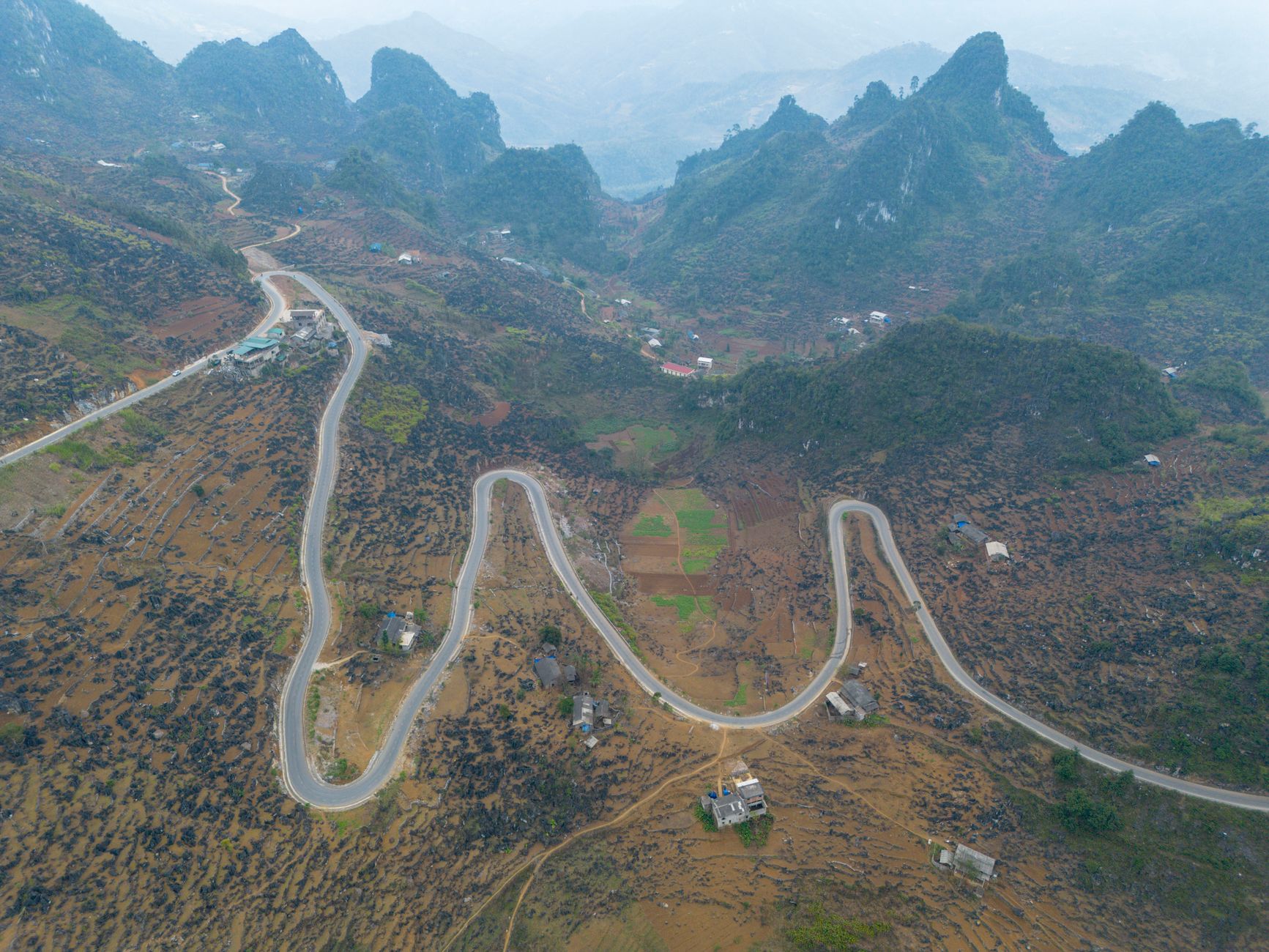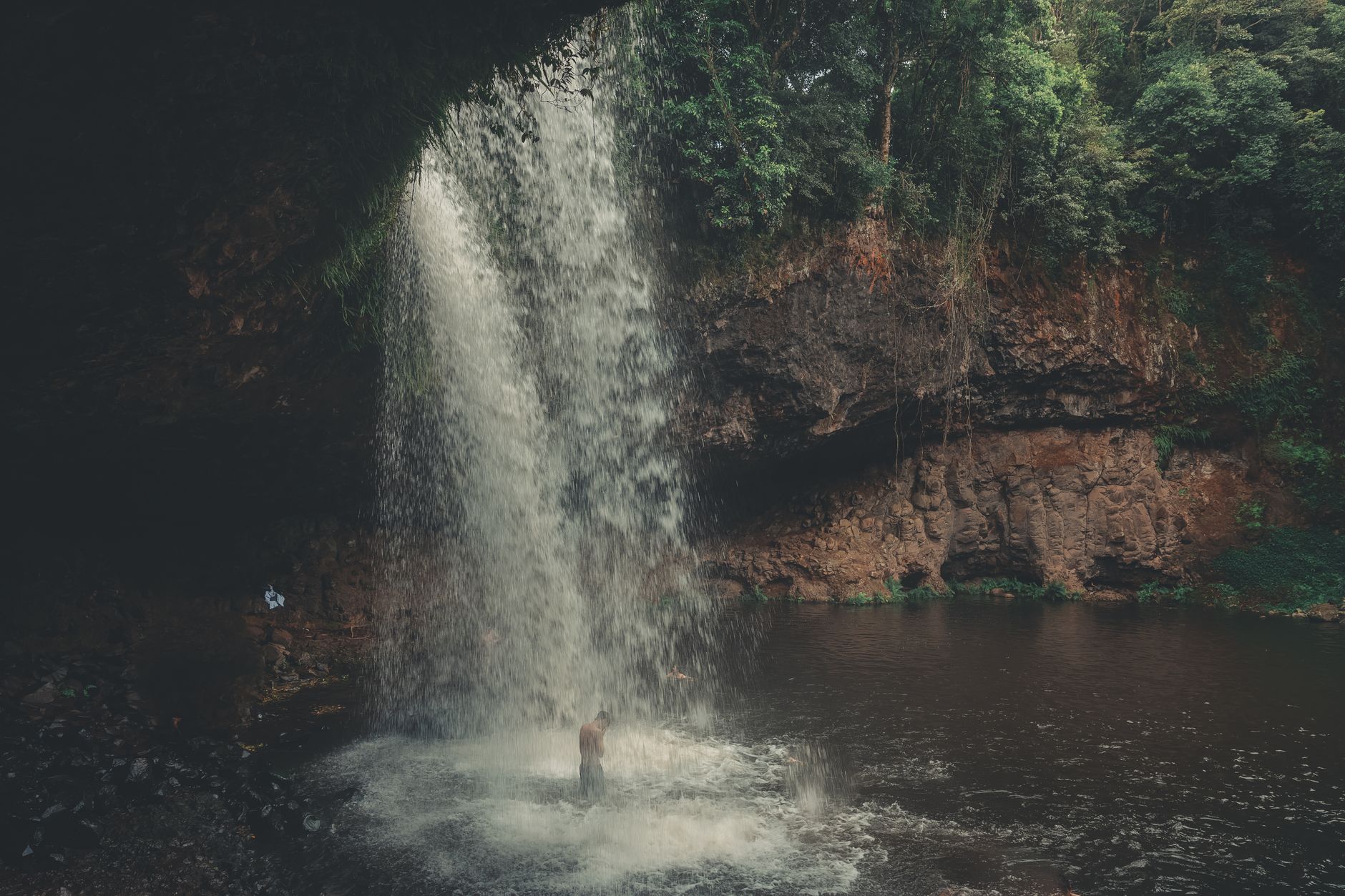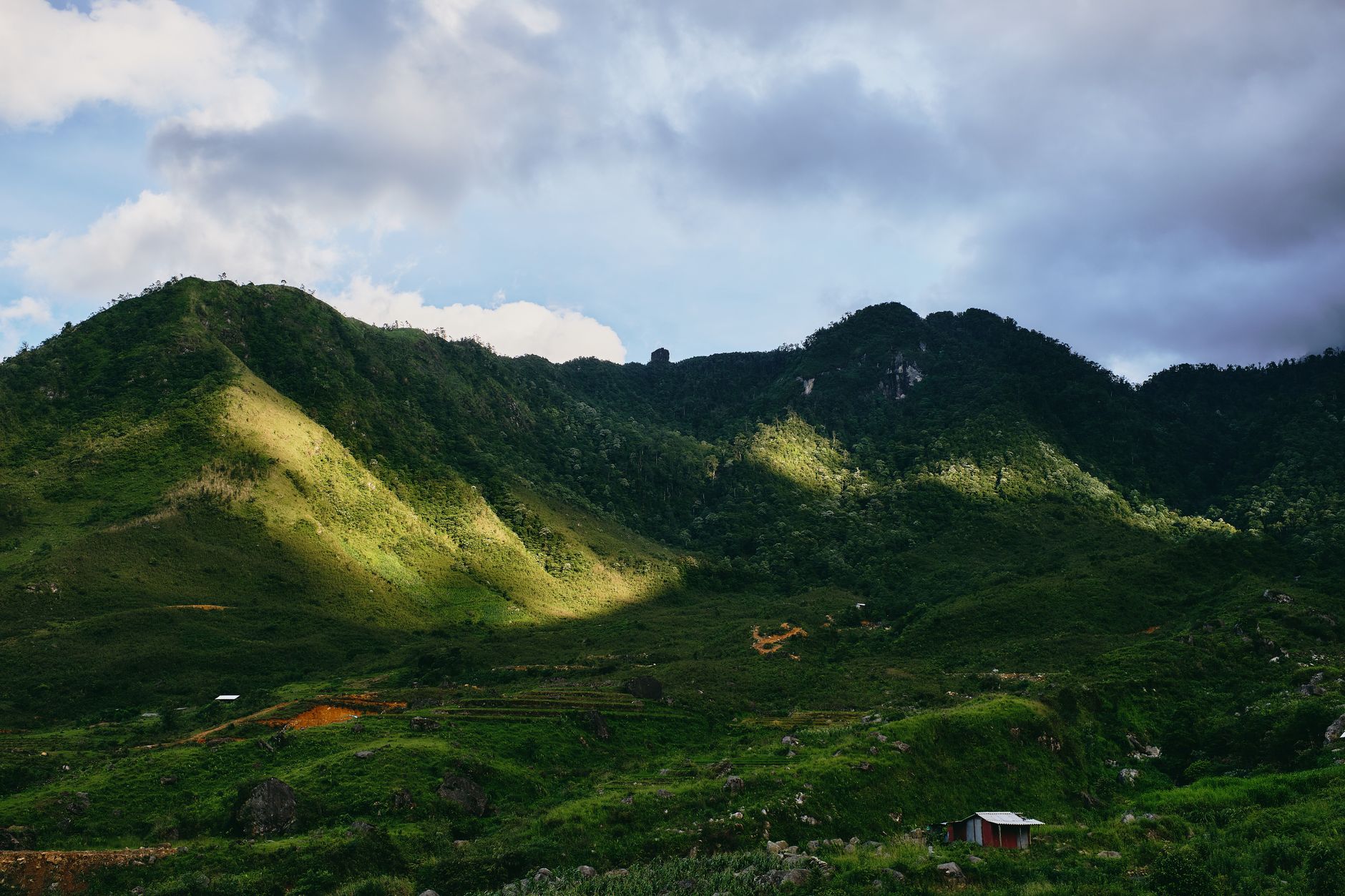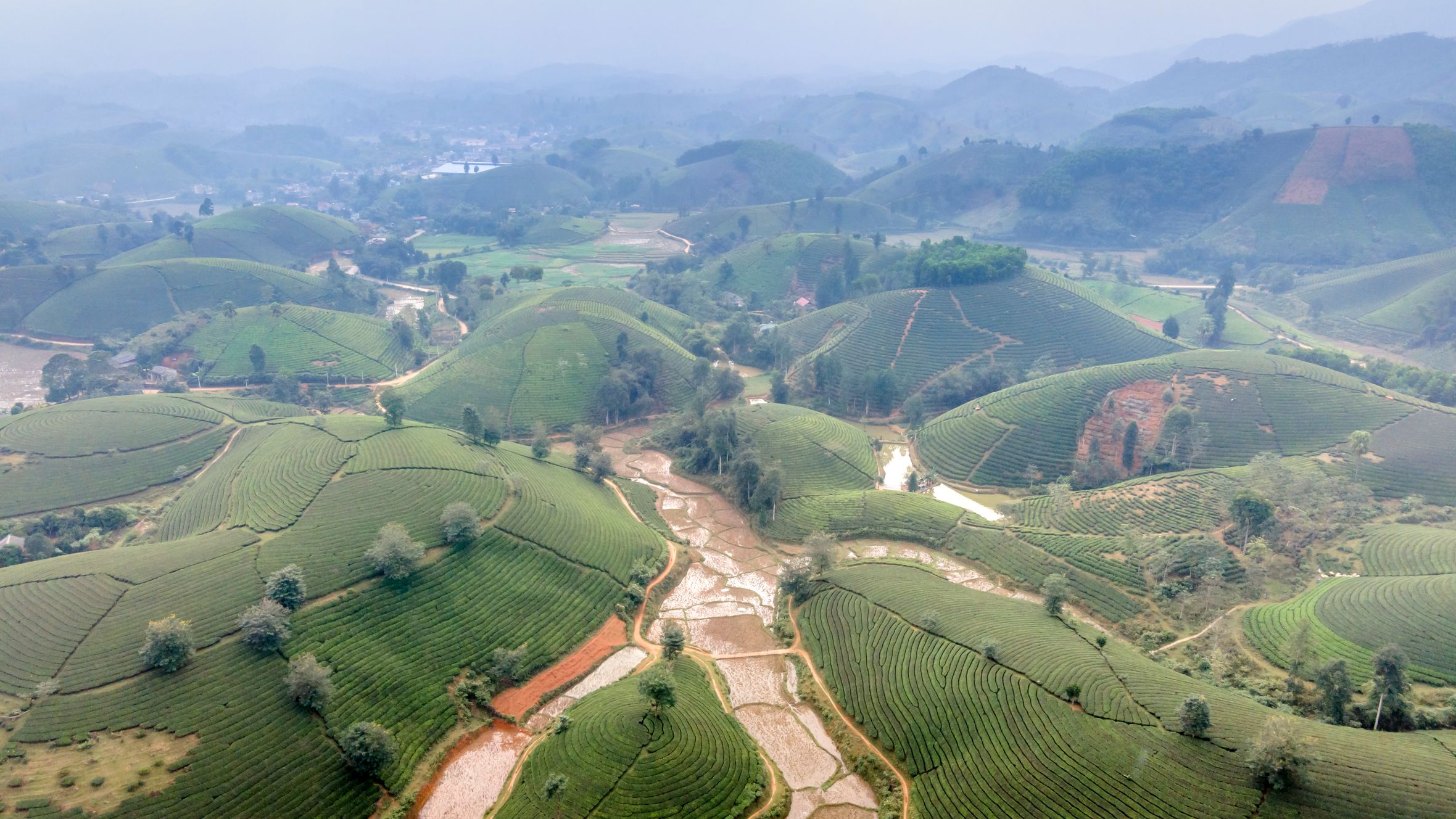
Suoi Le Nin sits about 6 km northeast of Cao Bang city in the village of Pac Bo, Truong Ha commune. It's a modest forest stream in a limestone valley — not a theme park, not a resort — but it pulls in visitors because of its place in Vietnamese history and because the surrounding countryside is genuinely worth your time.
What It Is and Why It Matters
The stream runs through Pac Bo, a small settlement tucked against the Chinese border where Ho Chi Minh (호치민 / 胡志明 / ホーチミン) lived in a cave after returning to Vietnam in 1941. He reportedly named the stream after Vladimir Lenin and a nearby mountain after Karl Marx — both names stuck, and the area became a national heritage site. Today it's part of the Pac Bo Historical Relic Complex, which includes the cave (Coc Bo), the stream, a small museum, and several memorial markers.
None of this is elaborate. The cave is a shallow opening in a limestone cliff. The stream is narrow, clear, and shaded by old trees. The whole site has a low-key, almost rural atmosphere that feels honest rather than manufactured. If you've been to the heavily touristed spots around Hanoi or Saigon, the contrast is sharp.
Why Travelers Go
Most Vietnamese visitors come for the historical significance — school groups, veterans, families on heritage trips. Foreign travelers tend to arrive because they're already exploring Cao Bang province (usually on the way to or from Ban Gioc Waterfall) and add Pac Bo as a half-day detour. The real draw beyond history is the landscape: karst peaks, rice paddies, forest trails, and very few crowds. On a weekday morning, you might have the stream path nearly to yourself.
Best Time to Visit
Cao Bang has a subtropical highland climate. The best window is September through November — the rains taper off, temperatures sit around 20-26°C, and the rice terraces in the surrounding valleys turn gold before harvest. March through May is also comfortable but drier, so the stream runs lower and the vegetation looks a bit more tired.
Avoid December through February if you don't like cold. Cao Bang gets genuinely chilly — mornings can drop to 5-8°C, and fog sometimes socks in the valley for days. June through August brings heavy rain that can make roads slippery and the stream too swollen for comfortable walking along its banks.
How to Get There
Cao Bang city is the nearest hub. From Hanoi (하노이 / 河内 / ハノイ), you have two main options:
- Bus: Daily sleeper buses run from My Dinh bus station to Cao Bang. The ride takes about 7-8 hours and costs 250,000-350,000 VND depending on the operator. Hung Thanh and Khanh Hoan are the most common companies on this route.
- Motorbike: Riders doing the Ha Giang-to-Cao Bang loop (or vice versa) often pass through. The Hanoi-Cao Bang stretch via National Road 3 is roughly 270 km and takes a full day on a bike with stops.
From Cao Bang city to Pac Bo, it's about 55 km northwest on Provincial Road 203. You can hire a local motorbike taxi ("xe om") for around 200,000-300,000 VND round trip with waiting time, or rent a motorbike in town for 120,000-180,000 VND per day. The road is paved but narrow in spots — manageable on a semi-auto bike.

Photo by Quang Nguyen Vinh on Pexels
What to Do
Walk the Stream Path
A paved walkway follows Suoi Le Nin for about 500 meters along the water. The stream is shallow — ankle to knee depth in dry season — and runs over smooth rocks between mossy banks. Some visitors wade in. The path ends near Coc Bo cave.
Visit Coc Bo Cave
The cave itself is small, maybe 3 meters deep, with a stone slab where Ho Chi Minh reportedly slept and worked. There's a plaque and some period photographs. Budget 15 minutes here. The real value is the walk up and the view back across the valley.
Explore the Pac Bo Museum
A modest museum near the entrance displays photos, documents, and personal items from the 1941-1945 period. Signage is mostly in Vietnamese with some English captions. It's free and takes about 20-30 minutes.
Hike the Surrounding Trails
Beyond the official site, ask locals about trails into the hills behind the village. There's an informal path that climbs to a ridge with views over the valley — roughly a 40-minute hike one way. No signs, no tickets, just limestone and forest.
Spend Time in the Village
Pac Bo village itself is Tay ethnic minority territory. The stilt houses, small gardens, and drying corn are part of the landscape. Be respectful — this is a real village, not a cultural park — but people are generally friendly if you greet them. A basic "xin chao" goes a long way.
Where to Eat Nearby
Don't expect restaurants at the site. Pack snacks and water for the visit. Back in Cao Bang city, look for two local dishes:
- "Banh cuon" in Cao Bang is different from Hanoi's version — thicker rice sheets, stuffed with minced pork and wood ear mushroom, served with a bowl of bone broth on the side rather than dipping sauce. Try the stalls on Vuon Cam street near the market. A bowl runs 25,000-35,000 VND.
- Roasted duck with "mac mat" pepper — a local citrus-pepper spice unique to Cao Bang. Several small restaurants on Kim Dong street serve this. Expect to pay around 150,000-200,000 VND for a half duck with sticky rice.
Where to Stay
Cao Bang city has a handful of guesthouses and mini-hotels. Budget places near the bus station start around 200,000-300,000 VND per night for a clean room with hot water and Wi-Fi. Mid-range options like Duc Trung Hotel or Thanh Loan Hotel run 400,000-600,000 VND. There's nothing at the luxury end — this isn't Da Lat or Sapa.
If you want something closer to Pac Bo, a few homestays have opened in surrounding villages, but availability changes season to season. Ask at the Cao Bang tourism office near the central market.

Photo by Quang Nguyen Vinh on Pexels
Practical Tips
- Entrance fee: 20,000 VND per person at Pac Bo. Parking is free.
- Footwear: Wear shoes with grip. The stone path near the stream gets slippery, especially after rain.
- Time needed: 1.5 to 3 hours covers everything at the site. Add travel time from Cao Bang.
- Combine it: Most travelers pair Pac Bo with Ban Gioc Waterfall and Nguom Ngao Cave on a 2-3 day Cao Bang trip. It's efficient and gives you enough variety to justify the long haul from Hanoi.
- Phone signal: Patchy around the cave area. Download offline maps before leaving Cao Bang city.
Common Mistakes
- Rushing through on a day trip from Hanoi. The 7-8 hour bus ride each way makes this miserable. Stay at least one night in Cao Bang.
- Skipping the village. People beeline for the cave and leave. The valley and village are the best part.
- Visiting midday in summer. The stream path has shade, but the museum and open areas bake in the heat. Go early morning or late afternoon.
Practical Notes
Suoi Le Nin won't be the highlight of a Vietnam trip in the way that Ha Long Bay or Hoi An might be. But if you're already in Cao Bang province — and you should be, because the northeast is one of the least-touristed and most rewarding parts of the country — it's a worthwhile half-day that adds historical texture to some very good scenery. Bring water, wear decent shoes, and give the village more than a glance.
Last updated · May 29, 2026 · independently researched, never sponsored.