Tra Vinh doesn't make every Southeast Asia itinerary. It's a working Mekong province—rice fields, fishing villages, temples—without the backpacker infrastructure of Can Tho or Ben Tre. That's partly why it's worth a visit: fewer tourists, lower prices, and a real sense of the Delta's rhythm. But weather and local festivals do shift what you'll experience.
Dry Season: November to April
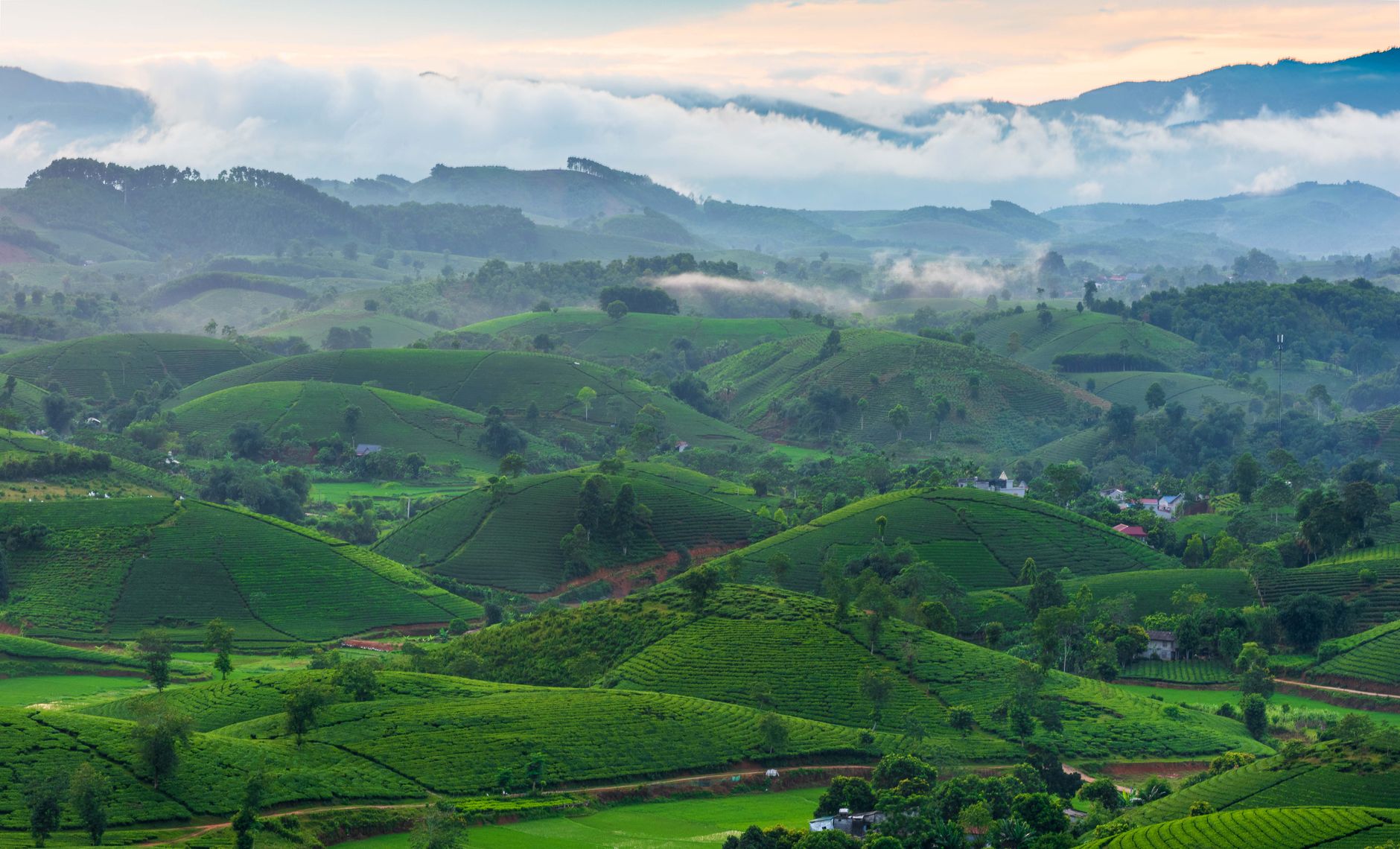
This is your best window. The northeast monsoon keeps rain light and skies mostly clear. Daytime temps sit around 25–28°C (77–82°F), humidity is lower, and boat tours along the Hau River and to floating fish farms are comfortable. Roads dry out, bicycle rides through villages don't turn into muddy slogs, and you can actually see the landscape.
November and early December are ideal—warm, dry, no crowding. Late December through early February brings some backpackers seeking a quieter Delta experience, especially during and after Tet, but Tra Vinh still feels unhurried. By March and April, heat climbs toward 30°C (86°F) and humidity rises, but it's still dry and manageable.
Tet Nguyen Dan (late January/early February) is the big holiday. The province isn't a Tet destination like Hanoi or Saigon, but temples fill up, restaurants close for 2–3 days, and transport gets busy. If you're coming to experience Tet energy, Tra Vinh will disappoint; it's quieter than the rest of Vietnam (베트남 / 越南 / ベトナム). If you want to avoid crowds entirely, skip Tet week.
Shoulder Season: May, October
May is hot (30–32°C / 86–90°F) and humidity spikes, but rain is still sporadic. October sees the tail end of the southwest monsoon—some rain but often in brief afternoon bursts. Both months are cheaper than the dry season, and you'll share the province with mainly locals and a handful of other travelers. Tourist facilities stay open. Bring rain gear in October and adjust to heat in May.
Wet Season: June to September
The southwest monsoon brings heavy, often sustained rain. Daytime temps hover around 28–30°C (82–86°F), but the humidity—pushing 80–90%—makes it feel hotter. Flooding is possible in low-lying areas, and some rural roads become difficult or impassable. Boat tours still operate, but visibility is poorer and the river churns.
Days are shorter due to cloud cover. A few tourists come specifically for the off-season pricing and emptiness, but you're working against the climate. Reserve accommodation beforehand because internet and phones can get spotty in heavy downpours.

Photo by Nguyen Truong Khang on Pexels
Month-by-Month Breakdown
January–February: Warm, dry, clear skies. Post-Tet (뗏 (베트남 설날) / 越南春节 / テト) shoulder—most tourists have moved on. 25–27°C daytime. This is the sweet spot.
March–April: Dry, but heat picks up. 28–32°C. Tourist numbers stay low; rates don't spike. Bring sunscreen.
May: Hot and humid, sporadic rain. 30–32°C. Budget-friendly. Expect midday to be uncomfortable.
June–August: Peak monsoon. 28–30°C feels like 35°C+ with humidity. Regular heavy rain, occasional flooding. Cheapest season. Only come if you love tropical downpours.
September: Monsoon easing. Still wet, but rain is more sporadic. 28–30°C. Roads begin drying. Fewer tourists than June–August.
October: Tail-end rain, but manageable. 26–29°C. One of the nicer off-season months.
November: Dry season starts. 25–27°C. Clear skies. Perfect timing, but prices tick up.
December: Dry, warm, busy but not crowded. 24–26°C. Good balance of comfort and affordability.
Festivals and Events
Tra Vinh's Khmer population hosts most of the notable celebrations. The Oc Om Bok festival (early October) is the biggest—a harvest festival with boat races, music, and temple gatherings. It's local, not a tourist spectacle, but it's worth timing a visit around if you're interested in Khmer culture. Many temples stay open late; communities serve rice cakes and sweets.
Tet Nguyen Dan (late January/early February) brings temple visits and family reunions, but restaurants and markets see reduced hours.

Photo by HONG SON on Pexels
Crowd Levels and Pricing
Tra Vinh is never crowded by Mekong Delta standards. Even in November–February, you won't face the boat queues of Ha Long Bay or the street-food lines of Saigon. Guesthouses are small and scattered; midrange hotels are rare. Prices for rooms and meals are stable year-round compared to other Vietnamese destinations, but still see a 15–20% bump from November to February.
If you're on a budget, June–September offers the lowest rates and the most elbow room. If you want reliable weather and comfort, book November–February and expect to pay a bit more.
What to Do in Tra Vinh
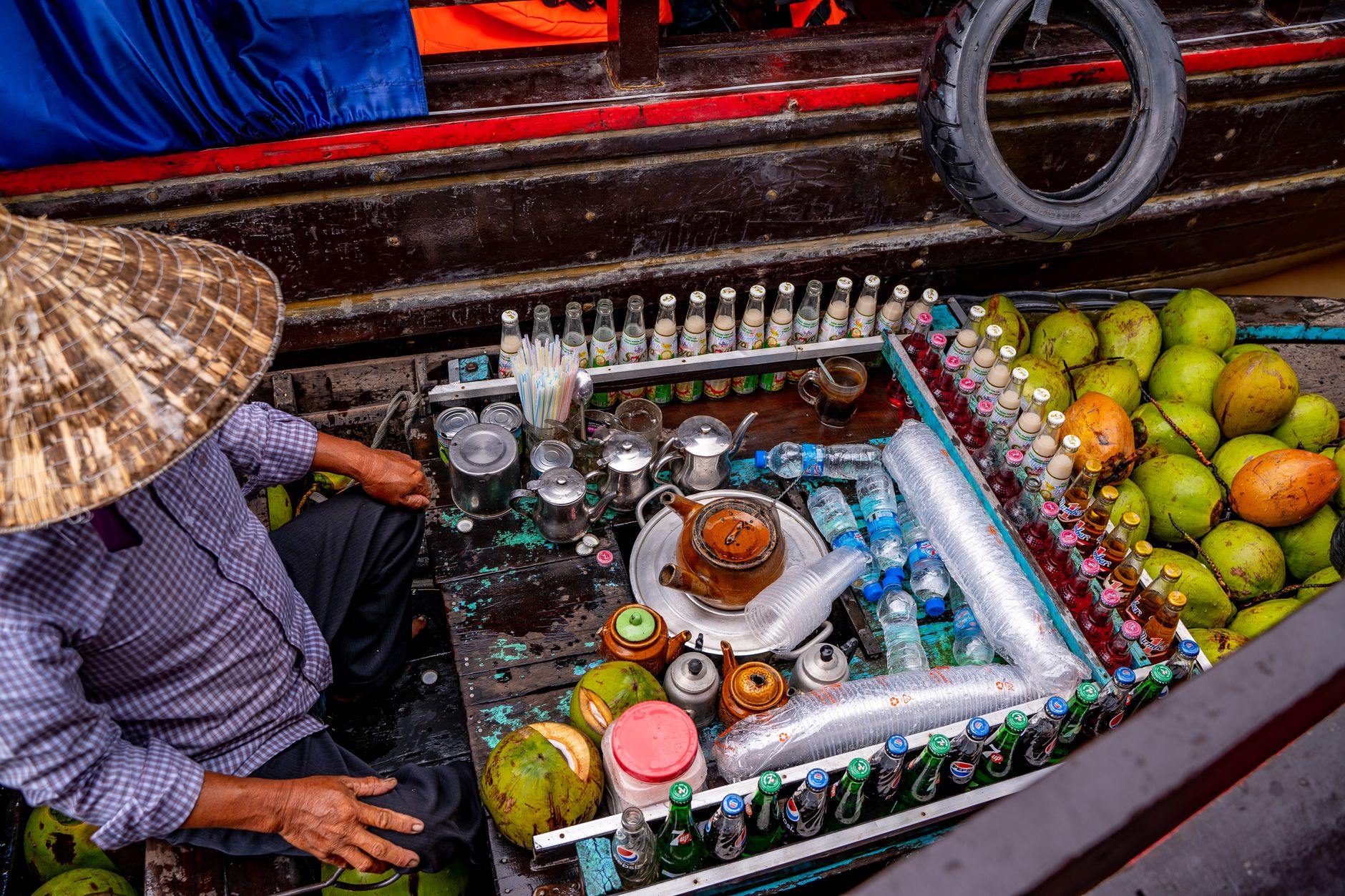
Regardless of season, visit the Khmer temples (Ba Om, Ong Pagoda) and take a boat tour of the floating fish farms and narrow canals. Rent a bicycle and cycle through rice villages—this works best November–April when roads are dry. Try "ca tru" singing performances (usually evening, in temples or community halls). Eat fresh river fish at local markets and restaurants.
If it's raining, museums and temple compounds offer shelter. The Tra Vinh Museum is small but documents local history and crafts.
Practical Notes
November through February is the safest bet: dry, warm, and the only time you'll see Tra Vinh under clear skies. October and May work if you're flexible and budget-conscious. June–September is for travelers who genuinely prefer emptiness and don't mind wet weather. Book transport and guesthouses at least a week in advance in the dry season; last-minute bookings are easy year-round but your choice of rooms shrinks.
Last updated · May 29, 2026 · independently researched, never sponsored.