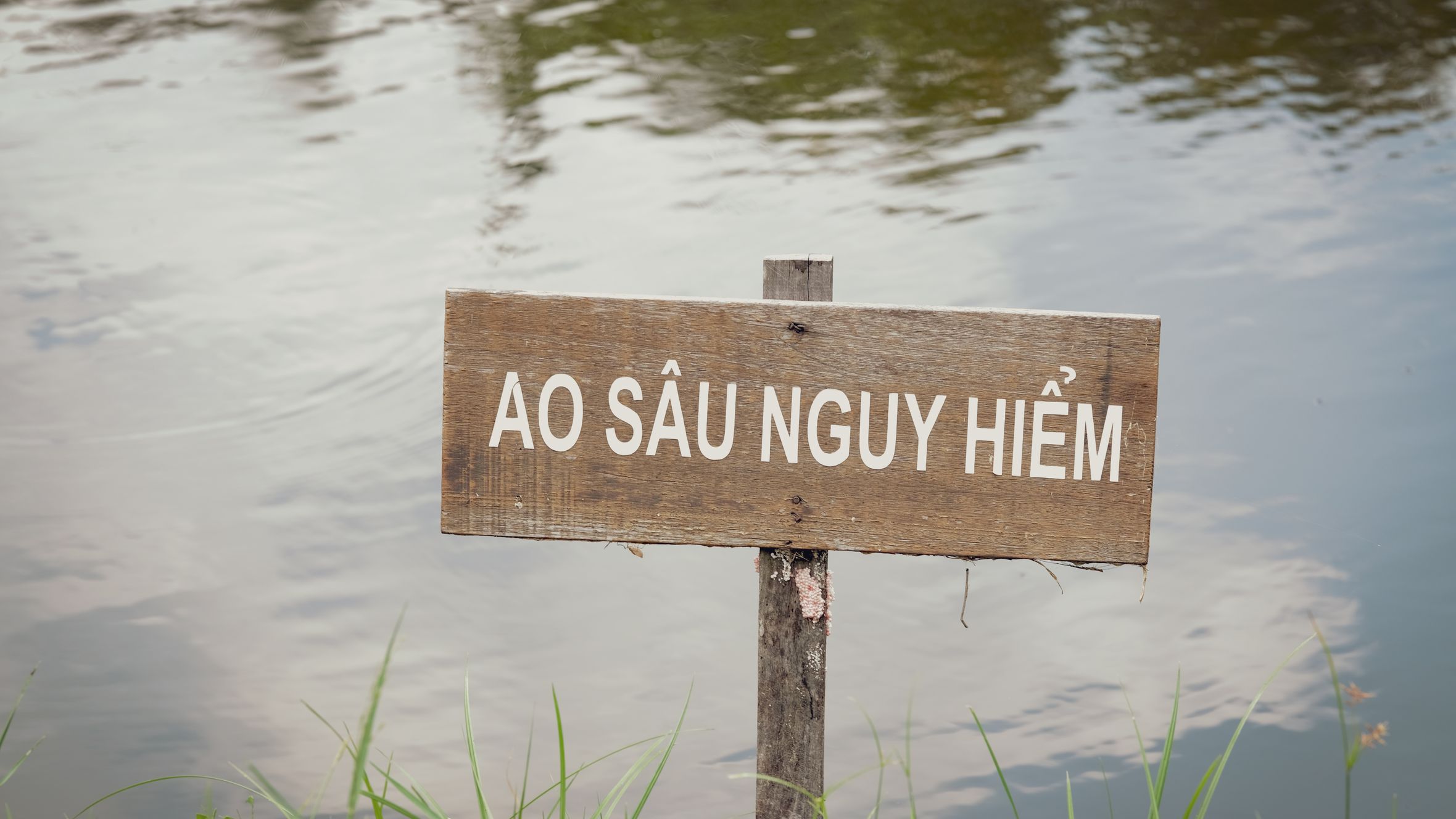
Tuyen Lam Lake is the largest body of water near Da Lat, and the dam that holds it all together is where the area's best scenery concentrates — dense pine forest, cool air, and almost no tourist bus crowds. If you've done the rounds of Da Lat's night market and strawberry farms and want something slower, this is where to go.
What it is
Tuyen Lam is a man-made reservoir completed in 1987, originally built for irrigation and hydropower in what was then Lam Dong province. The dam wall sits at the northern end of the lake, about 7 km south of central Da Lat (달랏 / 大叻 / ダラット) along the road toward the Truc Lam Zen Monastery. The lake stretches roughly 350 hectares across a valley blanketed in Dalat pine (Pinus kesiya), and the surrounding area has slowly developed into a mix of resorts, cycling paths, and forested trails.
A geographic note: as of 2025, the former provinces of Lam Dong, Dak Nong, and Binh Thuan have been merged into the new Lam Dong province. For travelers, nothing changes on the ground — Da Lat is still Da Lat, and Tuyen Lam is still right where it's always been.
Why travelers go
Da Lat draws millions of domestic tourists a year, and most of them pack into the city center — Xuan Huong Lake, the flower gardens, Hang Nga Crazy House. Tuyen Lam pulls the opposite crowd: cyclists, couples looking for quiet mornings, and anyone who wants pine forest without hiking a full mountain. The dam area specifically gives you wide views across the reservoir without needing a boat ticket, and the road along the lakeside is one of the better cycling routes in the Central Highlands (중부 고원 / 中部高原 / 中部高原).
It's also the access point for Truc Lam Zen Monastery, which sits on a hill above the lake's northern shore. Even if monasteries aren't your thing, the cable car ride from Robin Hill down to the monastery grounds passes directly over the lake — one of the more worthwhile 100,000 VND you'll spend in Da Lat.
Best time to visit
Da Lat has mild weather year-round, but the sweet spot for Tuyen Lam is November through March. Skies are clearest, rain is minimal, and morning temperatures dip to 12-16°C — good weather for cycling or walking along the dam. The lake is fullest after the rainy season ends in October, so the scenery peaks right as the weather improves.
Avoid Vietnamese public holidays if you can, especially Tet and the April 30 / May 1 long weekend. The lake road gets clogged with domestic tour groups, and resort prices spike 40-60%.
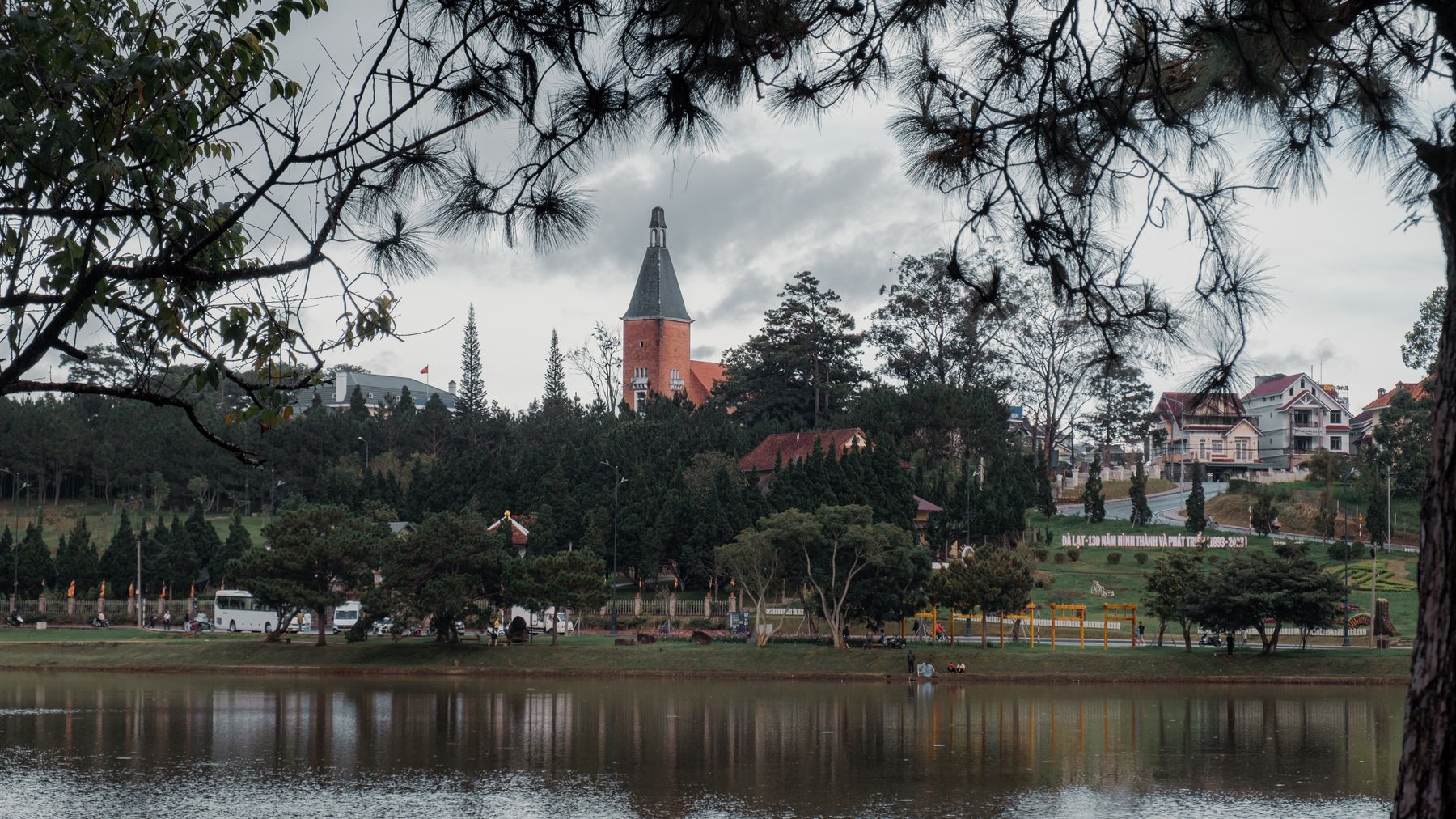
Photo by Duy Nod on Pexels
How to get there
From central Da Lat, Tuyen Lam Dam is about 7 km south — a straight shot down Trieu Viet Vuong Street, then following signs toward Ho Tuyen Lam.
- Motorbike: 15-20 minutes. Rentals in Da Lat run 120,000-150,000 VND/day for a semi-auto Honda Wave.
- Grab/taxi: Around 60,000-80,000 VND one way from the city center.
- Bicycle: Doable in 30-40 minutes. The road climbs slightly leaving Da Lat then descends toward the lake. Several shops near Da Lat Market rent decent bikes for 50,000-80,000 VND/day.
- Cable car: If you're combining with Truc Lam Monastery, the Robin Hill cable car (100,000 VND one way, 150,000 VND round trip) drops you near the monastery above the lake. From there you can walk down to the dam area.
If you're coming from further out — say Saigon — the fastest route is a flight to Lien Khuong Airport (50 minutes), then 30 km north to Da Lat by taxi or airport shuttle (around 200,000 VND). Buses from Saigon take 7-8 hours and cost 200,000-300,000 VND.
What to do
Cycle the lake road
The paved road circling parts of the lake is roughly 20 km and mostly flat to gently rolling. Pine trees line both sides, traffic is light on weekdays, and there are a few cafes along the route where you can stop for vietnamese coffee without fighting for a seat. Start early — by 10 a.m. tour vans begin showing up.
Walk across the dam wall
The dam itself isn't dramatic architecture, but it's a clean, wide walkway with views across the reservoir on one side and the valley dropping away on the other. Early morning fog sitting on the water is the main draw. Budget 20 minutes unless you're the type to sit and stare, in which case bring a thermos.
Visit Truc Lam Zen Monastery
A functioning Buddhist monastery — not a tourist attraction that happens to have monks. The grounds are well-kept, quiet, and free to enter. The flower gardens around the monastery are genuinely impressive without anyone needing to oversell them. Respectful dress required (no shorts above the knee, shoulders covered).
Take a boat on the lake
Pedal boats and small motorboats are available near the dam area. Pedal boats run about 100,000 VND for 30 minutes. The motorboat tours go further out and cost 200,000-400,000 VND depending on duration and group size. Worth it if you want to see the far side of the lake, which is wilder and less developed.
Explore Cu Lan Village
An eco-tourism area on the lake's edge, Cu Lan charges an entry fee (around 200,000 VND) and offers walking trails through forest, a small waterfall, and traditional-style houses. It's somewhat manufactured, but the forest itself is real and the trails are peaceful on weekdays.
Where to eat nearby
The lake area has resort restaurants but limited street food. For the best eating, head back toward Da Lat center.
- "Banh canh" — Da Lat's version uses thick tapioca noodles in a pork-bone broth, often with chicken or crab. Several good stalls cluster along Nha Chung Street. A bowl runs 35,000-50,000 VND.
- "Banh mi" xiu mai — a Da Lat specialty: crusty bread served with a bowl of meatballs in tomato sauce for dipping. Look for carts near Da Lat Market, especially the one at the corner of Nguyen Thi Minh Khai and Le Dai Hanh. About 25,000 VND.
If you want to eat closer to the lake, the cafes along the lake road serve decent "com tam" and rice plates for 40,000-60,000 VND. Nothing revelatory, but fine fuel for a cycling day.

Photo by HONG SON on Pexels
Where to stay
- Budget: Hostels and guesthouses in Da Lat center, 150,000-300,000 VND/night. You'll commute to the lake but have better food and nightlife access.
- Mid-range: A few lakeside hotels and homestays run 500,000-1,200,000 VND/night. Terracotta Hotel & Resort is the most established option near the lake.
- Splurge: Da Lat has several high-end resorts in the Tuyen Lam area, including Ana Mandara and Dalat Edensee, running 2,000,000-5,000,000 VND/night. You're paying for the lake view and pine forest setting.
Practical tips locals would tell you
- Bring a light jacket even in dry season. The lakeside is noticeably cooler than Da Lat center, especially before 9 a.m.
- If you're cycling, check brakes before the descent toward the lake. The road is steep in sections and some rental bikes are poorly maintained.
- The cable car closes for maintenance periodically — confirm it's running before building your day around it.
- Weekend afternoons get busy with domestic tour groups. Go early morning or late afternoon for quiet.
Common mistakes to avoid
- Skipping the dam to go straight to Truc Lam: The dam wall and lake road are the highlight for many people. The monastery alone isn't worth the trip if you don't walk the area.
- Relying on food at the lake: Options are limited and overpriced. Eat in Da Lat before or after.
- Driving to the monastery instead of taking the cable car: The road up is fine, but the aerial view over the lake is half the experience. Don't skip it to save 100,000 VND.
- Visiting only on a day trip from Saigon: Da Lat deserves at least two nights. One afternoon at Tuyen Lam plus a morning of cycling is a much better pace than a rushed loop.
Last updated · May 29, 2026 · independently researched, never sponsored.








