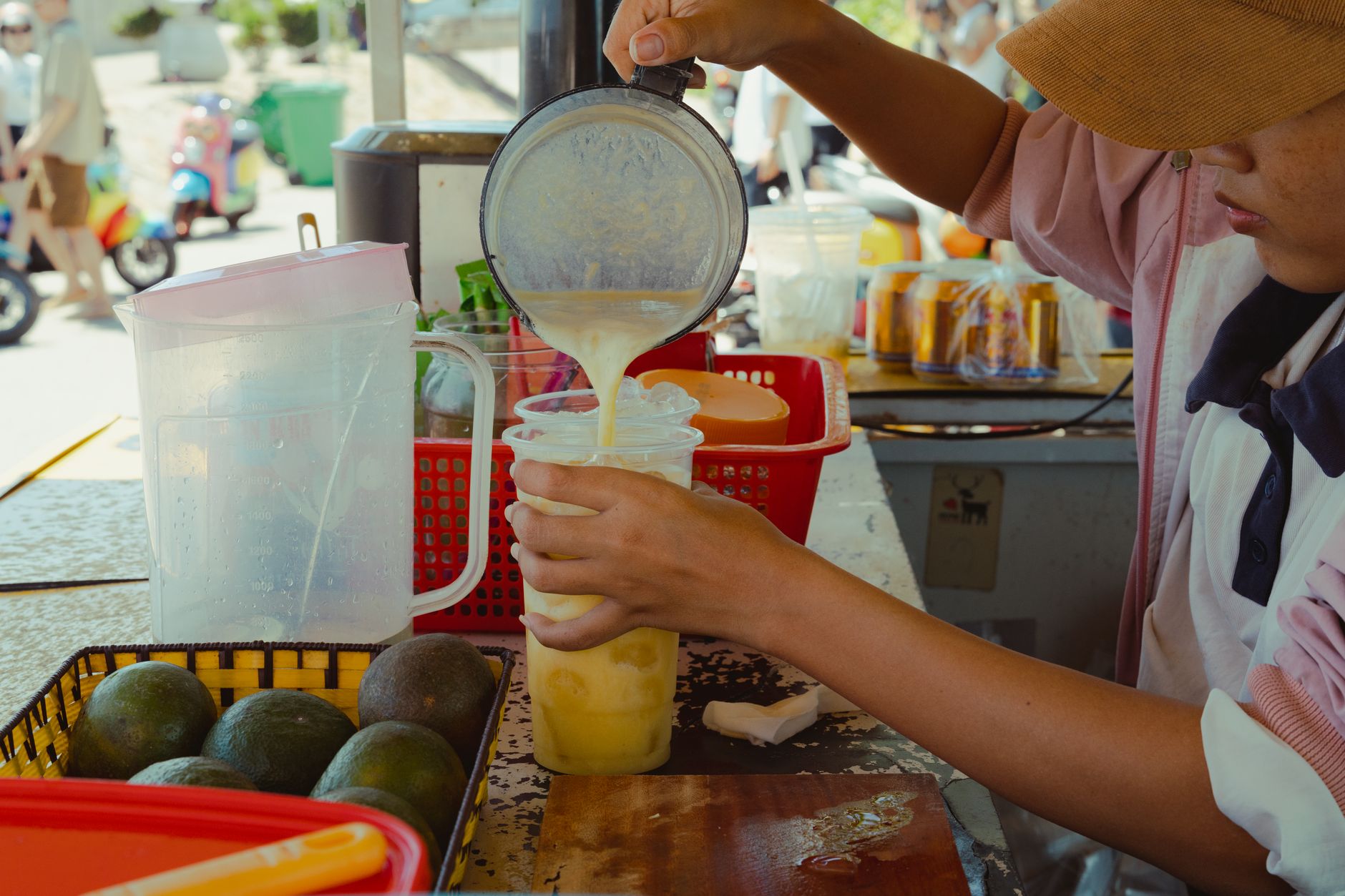
Phu Quoc runs on fish sauce, fresh crab, and grilled squid — so if you're eating plant-based, you'll need to be more deliberate here than in Hanoi or Saigon. That said, the island has enough dedicated vegan spots, Buddhist-influenced eateries, and resort menus with actual thought put into them that you won't be eating plain rice for a week.
The Baseline Reality
Most street food on Phu Quoc (푸꾸옥 / 富国岛 / フーコック) is not vegan-friendly by default. The broths, the dipping sauces, the rice paper rolls — nearly all of them involve fish sauce or shrimp paste at some stage. The exception is during Buddhist lunar observance days (the 1st and 15th of each lunar month), when a wave of "com chay" — vegetarian rice shops — opens across the island, particularly around Duong Dong town. Timing a market walk around these days is genuinely worth it.
For the rest of the month, your best options fall into three categories: dedicated vegan restaurants, resort dining with plant-based menus, and a few adaptable street stalls if you know what to ask for.
Dedicated Vegan and Vegetarian Spots
Ganesh Indian Restaurant (Duong Dong)
This one comes up constantly for a reason. The dal, the chana masala, and the vegetable curries are all naturally vegan, and the kitchen understands the difference between "no meat" and "actually plant-based." Prices sit around 80,000–130,000 VND per dish. Not Vietnamese food, but reliable and filling after a day on the water.
Buddy Ice Cream and Vegetarian Cafe
Located near the Duong Dong night market strip, Buddy has built a small following among longer-stay travelers. The menu mixes Vietnamese comfort dishes — "bun" soups, stir-fried morning glory, tofu in tomato sauce — with Western staples. Execution is consistent, portions are generous, and it's one of the few places where you can eat a full Vietnamese-style meal without interrogating every dish. Expect to spend 60,000–100,000 VND for a main.
Com Chay Phuong (Near Ham Ninh fishing village)
Smaller and less polished, this spot near the eastern side of the island serves Buddhist vegetarian food with minimal fuss. The "com" plates — rice with rotating vegetable and tofu dishes — run about 45,000–70,000 VND. The owners speak limited English, but pointing at the dishes on display works fine.
The Bun Ken Question
"Bun ken" is Phu Quoc's most distinctive noodle dish — a coconut-and-fish curry broth poured over thin rice vermicelli, typically topped with cha ca (fish cake) and fresh herbs. It is, by default, not vegan. The broth is built on fish stock and often finished with fish sauce.
That said, a handful of plant-based travelers have had success asking at smaller local joints whether the kitchen can do a coconut broth base without the fish components. The answer is inconsistent — some places will swap in tofu and use vegetable stock, others won't bother. Your best shot is at a dedicated vegetarian restaurant that lists bun ken on the menu as a specialty variation, which does occasionally appear during Buddhist observance periods. Don't count on it as a reliable daily option, but it's worth asking.

Photo by Theodore Nguyen on Pexels
Resort and Hotel Menus
Phu Quoc's resort corridor — particularly along Long Beach (Bai Truong) and the northern tip near Ong Lang — has gotten noticeably better at plant-based options over the last few years. This is driven partly by international guest pressure and partly by the island's general upmarket push.
Several mid-to-upper-range resorts now flag vegan dishes clearly on their menus rather than improvising when asked. If you're staying at a resort, it's worth emailing ahead to ask specifically about plant-based options rather than discovering the menu only has a single garden salad.
Budget note: resort dining costs 150,000–350,000 VND per dish and up. It's not where you'd eat every day, but it's a workable fallback for evenings when the town feels far.
Night Market Navigation
The Duong Dong night market is worth walking even if you're not eating there — it's a good read of the island's food culture. For vegans, the pickings are thin but not zero. Look for:
- Grilled corn (bap nuong) — straightforward, usually vegan
- Fresh fruit stalls
- Spring roll vendors who sometimes offer vegetable-only "cha gio" (ask before ordering — many still use pork)
- Sugarcane juice and fresh coconut, which are everywhere
Avoid assuming that noodle soups or rice dishes at the market are plant-based without asking. The safest move is to treat the market as a browsing experience and eat your main meals at the dedicated spots above.
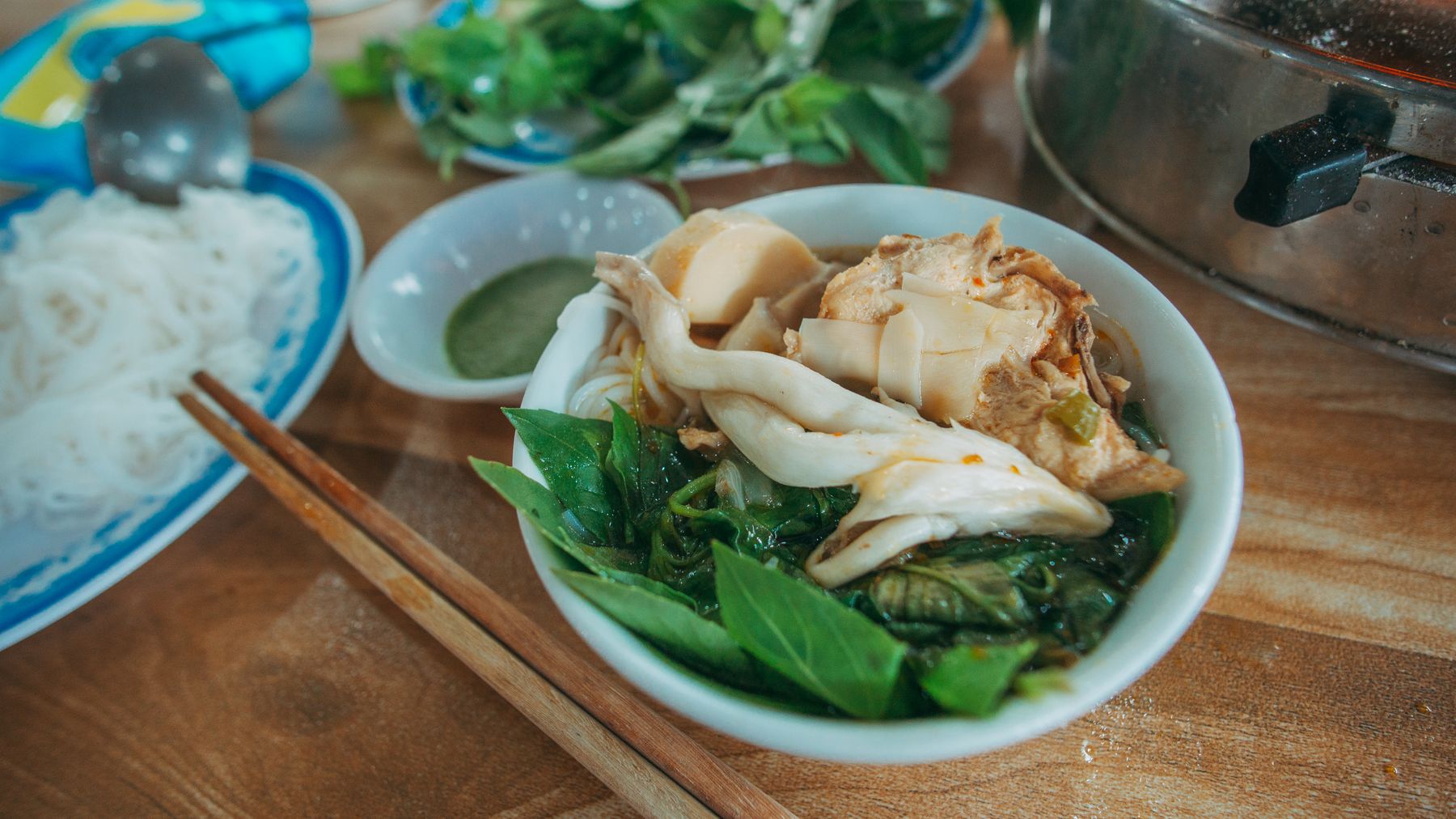
Photo by FOX ^.ᆽ.^= ∫ on Pexels
What to Carry
If you're spending time on beaches or day-tripping to the north of the island, pack snacks. The further you get from Duong Dong, the thinner the options become. Convenience stores stock nuts, fruit, and plain crackers. A few bakeries in town sell plain baguettes. Phu Quoc's pepper farms also sell whole and ground pepper — not a meal, but worth knowing the island produces some of Vietnam (베트남 / 越南 / ベトナム)'s best.
Practical Notes
Vegan eating in Phu Quoc is manageable but requires more planning than the mainland cities. Download a translation app before you arrive — being able to show "toi an chay" (I eat vegetarian/vegan) in Vietnamese text saves time at local spots. The dedicated vegetarian restaurants in Duong Dong are your anchor points; build your days around them and treat everything else as a bonus.
Last updated · May 26, 2026 · independently researched, never sponsored.