Sapa gets written about for trekking and terraced rice fields, but its food scene — particularly for plant-based eaters — is worth paying closer attention to. Between the weekly markets, the wild foraged greens sold roadside, and a small cluster of restaurants that genuinely cater to vegans, you can eat very well here without touching meat.
Why Sapa Works for Plant-Based Eating
Hmong and Dao cooking leans heavily on mountain herbs, root vegetables, and foraged greens that most lowland Vietnamese kitchens rarely use. Dishes built around sa nhan (cardamom leaves), wild ginger, and bitter forest vegetables show up at local markets — and a handful of restaurants have started building menus around them deliberately. Add to that a steady flow of international trekkers who travel meat-free, and there's real demand here that restaurants have responded to.
That said, Sapa (사파 / 沙坝 / サパ) is still a small highland town. Dedicated vegan spots are few. Know which places to target, and you'll eat well. Wing it, and you'll end up ordering "vegetarian" pho that arrives with a beef-bone broth.
The Best Options, Street by Street
Nature View Restaurant
This is the most consistently recommended vegan-friendly spot in town, and it earns it. The kitchen runs a dedicated plant-based menu — not just a few items flagged on a meat-heavy list. The "pho (쌀국수 / 越南河粉 / フォー)" broth is made with charred onion, ginger, and dried shiitake rather than bone, and it holds up. The tofu dishes use locally produced soft tofu from Sapa market, and portions are generous at around 55,000–75,000 VND per main. It sits on Muong Hoa street, ten minutes' walk from the main square. Service is unhurried — good for the pace of a post-trek lunch.
Color Restaurant
Smaller and slightly rougher around the edges, Color has a dedicated vegan section on its menu and the staff understand the difference between vegetarian and vegan — which is not universal in Sapa. The standout is their stir-fried morning glory with garlic and chili, and they do a decent version of "banh mi" with grilled vegetables and house-made pate that is entirely plant-based. Mains run 45,000–65,000 VND. It is on Cau May street, close to the church.
Hmong Sisters Restaurant
Run by two sisters from a Black Hmong family, this place is the most culturally specific option on the list. The menu changes with what is available at Sapa market, which means foraged greens show up regularly. Ask what is vegan that day — the sisters speak enough English to navigate this — and you will often get a plate of sauteed wild herbs with sesame and a soup built on fermented tofu. Prices are low (40,000–60,000 VND), the room is tiny (six tables), and it gets full by 12:30. Arrive early. Located on a lane off Pho Moi street.
The Hill Station Signature Restaurant
This is the upscale end of the spectrum. Hill Station focuses heavily on local ingredients and has a strong reputation for working with Hmong producers directly. They are not exclusively vegan, but they are the most thoughtful kitchen in town about ingredient sourcing and they will adapt dishes. A full vegan set dinner here runs around 350,000–450,000 VND — expensive by Sapa standards, but the quality of the highland mushroom dishes and the herb-forward salads justifies it once. On Ham Rong street, close to the stone church.
Sapa Market Itself
Don't overlook the Saturday and Sunday markets — both the main Sapa Market and the smaller Bac Ha market (about 70 km north) — for plant-based eating. Vendors sell grilled corn, steamed sticky rice wrapped in "banh chung"-style banana leaf parcels, roasted sweet potato, and fresh herb bundles. A full breakfast from market stalls costs under 30,000 VND. It is informal, cash-only, and the freshest produce in town passes through here before it reaches any restaurant.

Photo by Loren Castillo on Pexels
Drinks Worth Knowing About
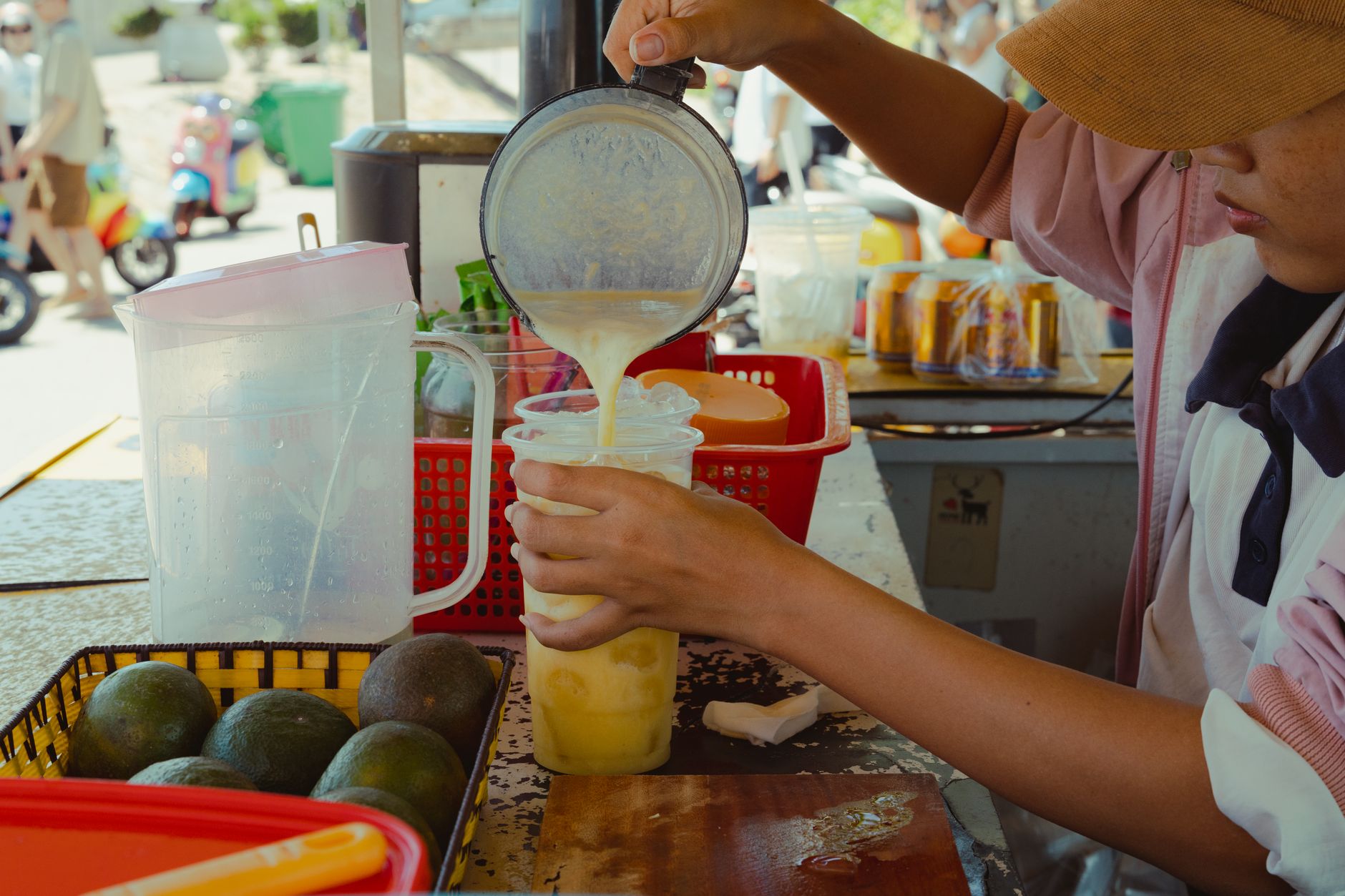
Sapa's elevation means the climate suits tea cultivation. "Lotus tea" and locally grown shan tuyet (ancient tree green tea) are the things to order. Several guesthouses serve complimentary shan tuyet, but you can also buy it by the cup at tea sellers near the main market for around 10,000–15,000 VND. Skip the bottled drinks — the tea here is genuinely good.

Photo by Sea Man on Pexels
Navigating the Language Gap
The phrase "an chay" (vegetarian/vegan in Vietnamese) will get you somewhere, but does not reliably mean no fish sauce or no broth. If you are strictly vegan, the clearest phrase to learn is "khong thit, khong ca, khong nuoc mam, khong trung" (no meat, no fish, no fish sauce, no eggs). At the restaurants listed above, English menus exist — but at local spots and market stalls, those Vietnamese phrases are your safest anchor.
Practical Notes
Sapa's vegan scene is small enough that your options are roughly what is listed here — new dedicated plant-based restaurants have not opened quickly in recent years. Weekend markets (Saturday especially) expand your street food choices significantly, so time your visit accordingly. Most restaurants close by 9 pm.
Last updated · May 26, 2026 · independently researched, never sponsored.