Fourteen days is enough time to cross Vietnam (베트남 / 越南 / ベトナム) from top to bottom and actually eat well at each stop — not just tick off a highlight reel. This itinerary is built around food first, with the sights arranged around meal times rather than the other way around.
Day 1–3 — Hanoi: The North's Slow-Food Capital
Land in Hanoi, check into the Old Quarter, and give yourself the first evening to adjust. Breakfast on day two is the whole point: a bowl of "pho" from one of the pavement shops on Bat Dan street, where the broth has been simmering since before dawn. A medium bowl runs about 50,000–65,000 VND.
Spend day two eating your way through the Old Quarter. Lunch means "bun cha" — grilled pork patties in a clear dipping broth with a pile of dry noodles on the side. The most-referenced spot in the city is Bun Cha Huong Lien on Le Van Huu, where Barack Obama and Anthony Bourdain sat down together in 2016. It's a tourist landmark now, but the food is still solid and the portions are honest. Follow lunch with "banh cuon" — steamed rice rolls filled with wood-ear mushroom and minced pork — from any of the storefronts clustered near Dong Xuan Market.
End day two with "egg coffee (에그커피 / 蛋咖啡 / エッグコーヒー)" at one of the Ca Phe Trung spots in Dinh Tien Hoang. It's sweet and thick and served in a cup sitting in warm water. You'll either love it immediately or come around by the third cup.
Day three: take a half-day trip to the Temple of Literature, then an afternoon at Tran Quoc Pagoda on the West Lake. Neither requires more than two hours together, which leaves your evening free for "bia hoi" — draft beer, about 10,000–15,000 VND a glass — at the corner of Ta Hien and Luong Ngoc Quyen.
Day 4 — Sapa: Minority Markets and Mountain Produce
Overnight train or early morning bus to Sapa. This is one day, not a food destination in the classic sense, but the Saturday market at Bac Ha (if timing works) or the daily market in Sapa town itself is worth the detour. Look for thang co — a slow-cooked horse meat stew you'll either be curious about or skip — and fresh corn wine sold in plastic jugs by Hmong vendors. Black chicken roasted over charcoal costs around 150,000–200,000 VND and tastes better at altitude.
Day 5–6 — Ha Long Bay / Cat Ba: Seafood on the Water
Two days on Ha Long Bay works best if you're on a mid-range overnight cruise rather than a day trip. The food on the better boats is genuinely good — steamed clams with lemongrass, whole steamed grouper, morning squid grilled over charcoal. Ask your boat crew what came in fresh that morning. Cat Ba island has cheaper, less polished seafood restaurants along the harbor front where a meal for two with beer stays under 400,000 VND.

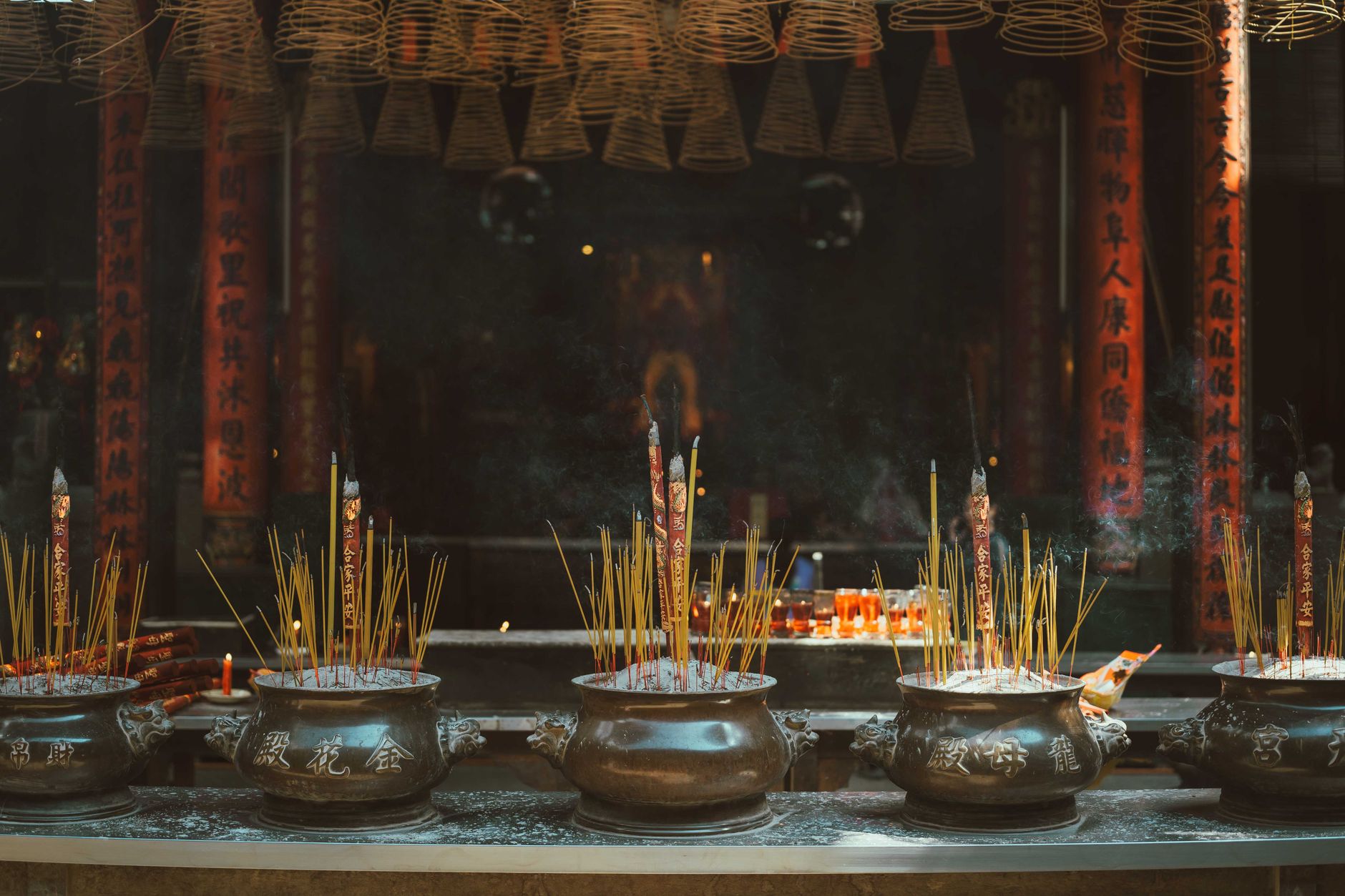
Photo by Vietnam Hidden Light on Pexels
Day 7 — Ninh Binh: Rice and River
Ninh Binh is an easy stopover between the north and central regions. The local dish is "com rang" — wok-fried rice — and goat meat prepared several ways: grilled, steamed, or in a hot pot. Ninh Binh goat is a genuine regional specialty that doesn't get enough attention outside the province. Base yourself near the Trang An boat dock area; the restaurants here serve it properly for around 120,000–180,000 VND per portion.
Day 8–9 — Hue: Vietnam's Most Serious Food City
Hue deserves two full days and that's still not enough. The imperial cuisine tradition here produced some of the most detailed, labor-intensive dishes in the country. Breakfast is "bun bo Hue" — a spicy, lemongrass-heavy beef noodle soup that is categorically different from pho, and better for breakfast than most things you'll eat anywhere. A bowl on Nguyen Cong Tru street costs about 40,000–55,000 VND.
Lunch: "banh xeo" — the crackling turmeric crepe stuffed with shrimp and bean sprouts, wrapped in rice paper and lettuce. Dinner on night one, visit the stalls near Dong Ba Market for "banh canh cua" — thick tapioca noodles in crab broth. Day two, rent a motorbike and ride out to the Tomb of Khai Dinh and the Tomb of Tu Duc; both are within 8 km of the city center and the surrounding villages have small com hue restaurants that feed locals, not tourists.
Day 10–11 — Hoi An: Ancient Town, Good Plates
Hoi An is small and walkable, and its food identity is distinct enough to justify the stop. "Cao lau" — thick noodles with char siu pork and crunchy rice crackers — is made with water from a specific local well and supposedly can't be replicated elsewhere. Whether that's true or just a good story, the dish tastes right here. "Mi quang" is the other essential: turmeric noodles with a shallow splash of rich broth, topped with peanuts and sesame crackers. Both run 45,000–70,000 VND a bowl at the covered stalls on Phan Chu Trinh.
Spend one morning walking out to the My Son temple complex, about 40 km west of town — a two-hour round trip by motorbike.

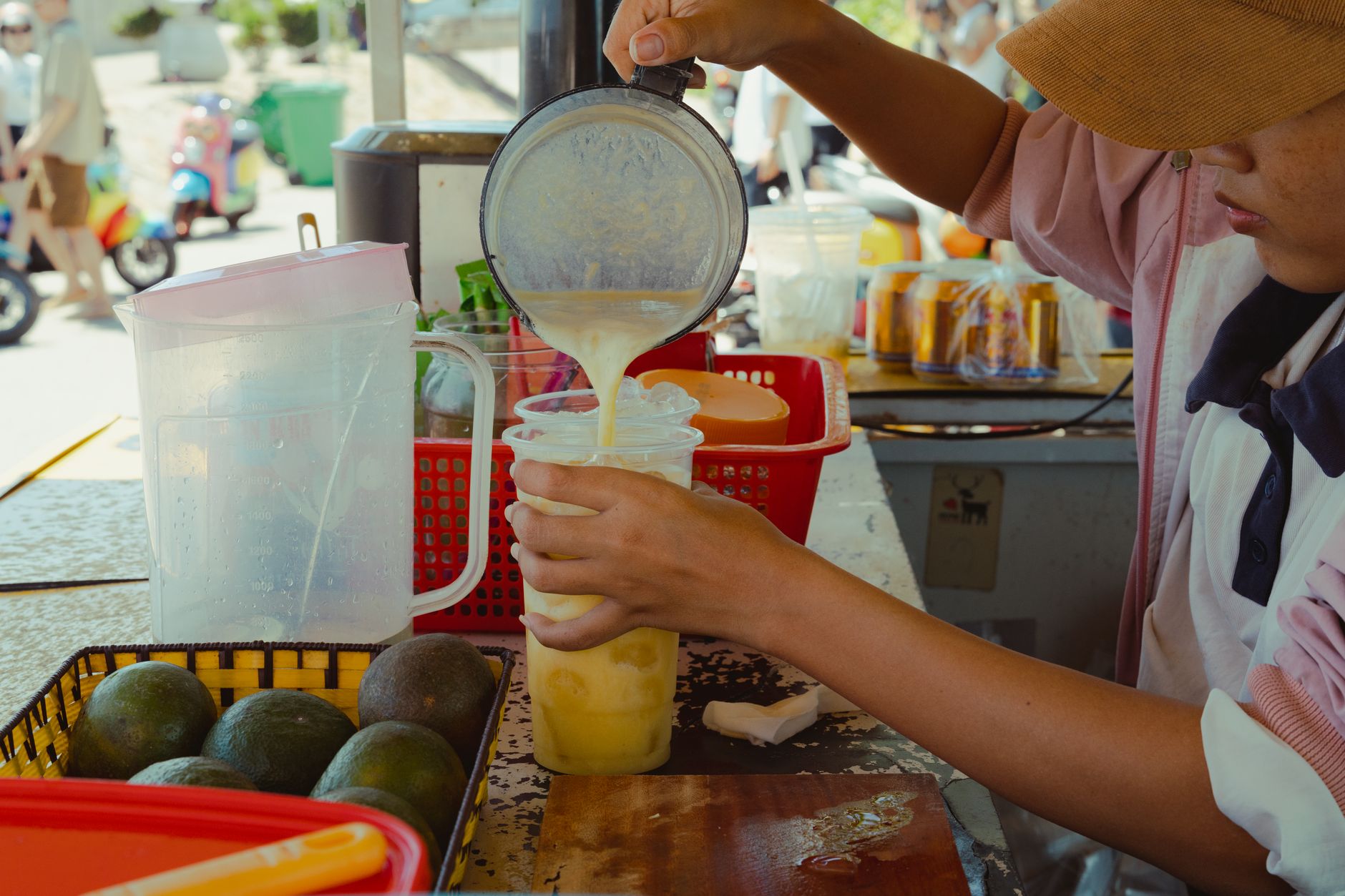
Photo by Quang Nguyen Vinh on Pexels
Day 12 — Da Lat: Cool Air and French-Influenced Tables
A quick flight or the overnight bus gets you to Da Lat, sitting at 1,500 m above sea level. The temperature drops enough that you'll want coffee immediately. Da Lat's own coffee-growing history means the Ca Phe Sua Da here is made with locally roasted beans and tastes different — less industrial — than what you get in the cities. The night market on Nguyen Thi Minh Khai sells banh trang nuong (grilled rice paper with egg and dried shrimp) for 15,000–25,000 VND. This is snack food, not dinner, but you'll eat three of them.
Day 13–14 — Saigon and Mekong Delta: The South's Speed
Saigon moves faster and eats faster. Breakfast here is "com tam" — broken rice with grilled pork, a fried egg, and pickled vegetables — eaten standing up at a plastic table on the pavement. The Binh Tay wholesale market in Cholon is worth a morning even if you're buying nothing; the dried goods, spice stalls, and produce are a different education.
On the final day, take an early minibus to Can Tho in the Mekong Delta, about 170 km from Saigon. The floating market at Cai Rang is at its busiest between 6–8 a.m. Eat "hu tieu" from one of the riverside stalls — a cleaner, lighter noodle soup than most northern equivalents — and take a boat through the canal markets before heading back to Saigon for your flight.
Practical Notes
Internal flights between Hanoi–Da Nang and Da Lat–Saigon run 600,000–1,200,000 VND booked two to three weeks ahead on VietJet or Vietnam Airlines. Budget 150,000–300,000 VND per day for food if you eat where locals eat — more if you add sit-down restaurants in Hoi An or Hue. A local SIM with 5GB data costs around 120,000 VND at any airport arrival hall.
Last updated · May 29, 2026 · independently researched, never sponsored.