Vietnam (베트남 / 越南 / ベトナム) runs on street food and late evenings, which makes its night markets more than just shopping stops — they're where you eat, argue about prices, and figure out what a city actually tastes like after dark. This ranking covers five of the best, ordered honestly, not diplomatically.
1. Hoi An Night Market — The Tourist Benchmark
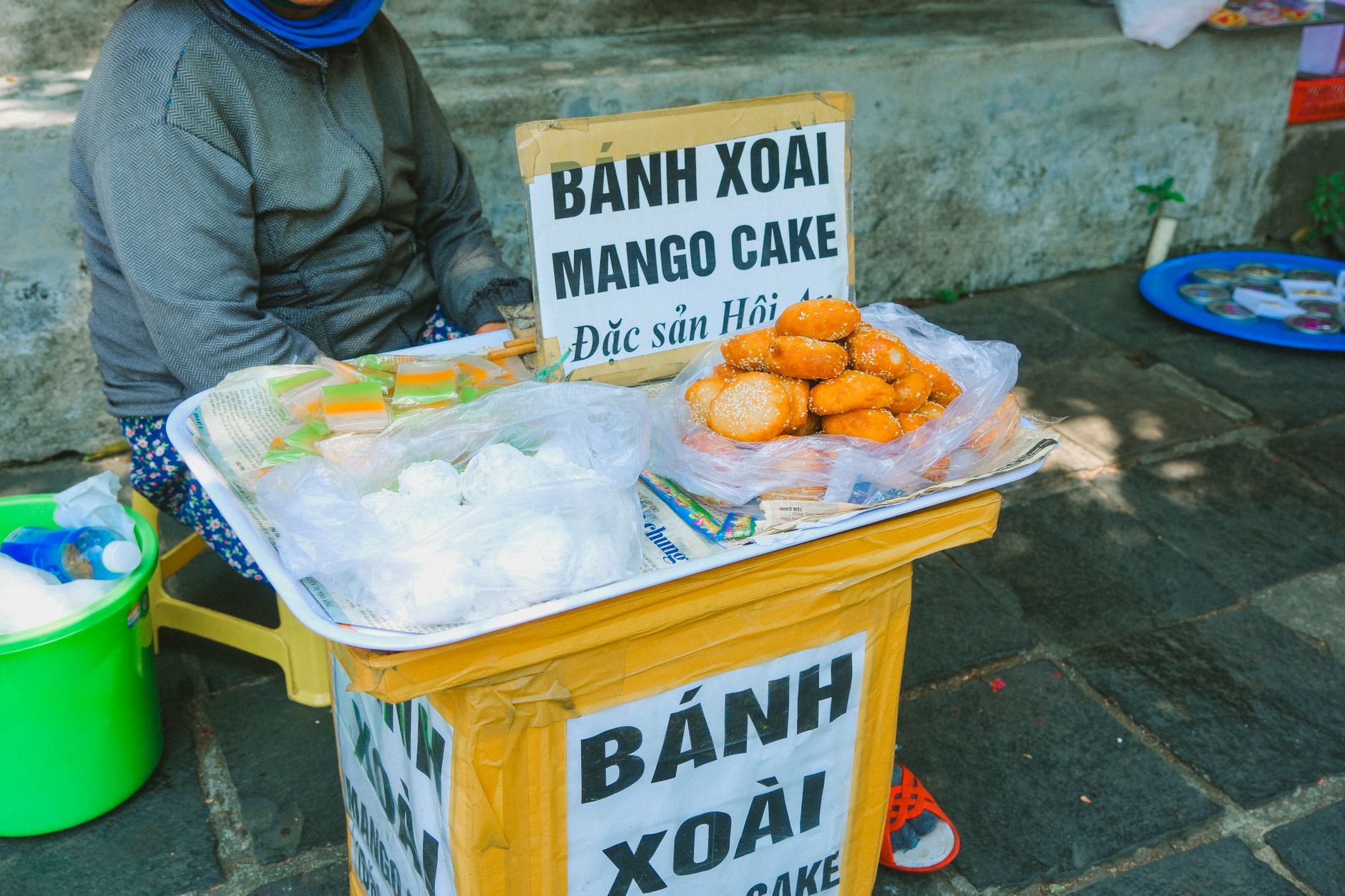
Hoi An's night market along Nguyen Hoang Street is the most photogenic in the country, and also the most crowded. Lanterns overhead, tailors on one side, food stalls on the other. It's easy to dismiss as a tourist trap, but the eating is genuinely good if you ignore the souvenir end and push toward the food.
Look for "cao lau" — the thick wheat noodle dish that's specific to Hoi An (호이안 / 会安 / ホイアン) and tastes noticeably different here than anywhere else, partly due to local well water. A bowl runs 40,000–55,000 VND. "White rose dumplings" (banh bao vac) are another local call, around 30,000 VND for a small plate. The market runs every night from roughly 5 PM; foot traffic peaks hard between 7 and 9 PM. If you go at 5:30, you get better access to the stalls and a less pressured experience.
The drawback: prices are inflated and vendors are aggressive. You're paying a Hoi An premium of roughly 20–30% over what the same food costs in, say, Da Nang. Go in knowing that.
2. Da Lat Night Market — Food First, Everything Else Second
Da Lat's night market on Nguyen Thi Minh Khai Street is the one to visit if you actually want to eat. The atmosphere is cooler (literally — Da Lat sits at 1,500 m and nights dip to 15°C in winter), the crowd is mixed local and tourist, and the food variety is wider than anywhere else on this list.
Hot dishes dominate: grilled corn slathered in butter and scallion oil (15,000 VND), "banh trang nuong" (grilled rice paper topped with egg, dried shrimp, and spring onion — 20,000–25,000 VND), and steaming bowls of "banh canh" for 35,000–45,000 VND. The strawberry wine stalls are a Da Lat specialty; the wine itself is sweet and low-alcohol, but it's a local thing and worth the 50,000 VND bottle.
Downside: it gets very crowded on weekends and during Vietnamese holidays, including Tet, when domestic tourists flood in. Weekday evenings are significantly more comfortable.

Photo by LUC PH@M on Pexels
3. Phu Quoc Night Market — Seafood and Scale
Phu Quoc's Dinh Cau Night Market near the anchor monument in Duong Dong is the island's main evening event and the place to spend money on seafood. Squid, prawns, clams, and whole fish are laid out on ice; you pick your ingredients, negotiate a price, and they cook it in front of you.
Prices have risen sharply in the past few years as the island's tourism infrastructure expanded. Expect to pay 150,000–250,000 VND for a decent plate of grilled prawns, more for lobster. It's not cheap by Vietnamese standards, but the quality is high and the setting — open air, near the water — is worth it.
A note on the market's layout: the first two rows of stalls closest to the entrance target walk-in tourists and price accordingly. Walk to the back half and you'll find slightly more reasonable rates and friendlier bargaining.
4. Da Nang Han Market Evening Extension — The Local Version
Da Nang doesn't have a dedicated night market in the Hoi An sense, but the area around Han Market and the riverfront on Bach Dang Street comes alive after 6 PM with food carts and small stalls that locals actually use. This is less a curated market and more a sprawl of eating options that extends into the evening.
"Mi quang" is the dish to eat here — wide turmeric-yellow noodles with pork or shrimp, a small amount of rich broth, and a pile of herbs and crushed peanuts on top. A bowl at a proper local stall runs 30,000–40,000 VND. The "banh mi" options near Han Market are also competitive; Da Nang has a strong claim to one of the country's best interpretations of the sandwich.
The tradeoff: you need to navigate without a neat signposted market layout. It's messier and requires more wandering. But you're eating alongside Vietnamese families, not a tour group, which changes the atmosphere entirely.

Photo by HONG SON on Pexels
5. Bac Ha Sunday Market — Not Technically a Night Market, but Worth the Detour
Bac Ha, a small town about 65 km from Lao Cai in the northern highlands, runs a Sunday market that starts early morning and runs through early afternoon — so it's not evening, technically. But it earns its place on any Vietnam market list because it's the most distinctly non-tourist market on this ranking.
The market is primarily a livestock and produce exchange for Flower Hmong and other highland communities. The eating is secondary to commerce, but local food stalls serve "pho" for 25,000–30,000 VND, corn wine (ruou ngo) by the cup for 5,000–10,000 VND, and grilled meat skewers. The crowd is largely local; the atmosphere is chaotic in a way that feels completely authentic.
Getting there requires staying in Sapa or Lao Cai the night before and arranging early morning transport. The round trip from Sapa is roughly 2–2.5 hours by motorbike or 3 hours by car. It's a commitment, but it's one of the few markets in Vietnam that doesn't feel like it was designed with visitors in mind.
Practical Notes
Carry small bills — 10,000, 20,000, and 50,000 VND notes are useful at every market on this list. Bargaining is expected at Bac Ha and Phu Quoc; less so at Da Lat and Da Nang food stalls where prices are often fixed. Hoi An night market prices are nominally fixed but vendors will negotiate on bulk purchases from craft stalls.
Last updated · May 29, 2026 · independently researched, never sponsored.