The 90-day visa-free window (and when to skip it)
Indian passport holders get 90 days of visa-free entry to Vietnam (베트남 / 越南 / ベトナム) under the mutual exemption agreement signed in 2017. This is genuinely useful if your trip is under three months. You land, clear immigration, done. No forms, no photos, no fees.
But here's the catch: the 90 days resets only when you leave and re-enter. If you're planning a multi-country Southeast Asia loop and coming back to Vietnam later, you'll reset your clock. Plan accordingly.
When you actually need the e-visa
If your stay exceeds 90 days, or you're entering Vietnam multiple times within 90 days and want proof of entry permission in advance, the e-visa is your path. It costs 25 USD and takes 1–3 business days to process, depending on which service you use.
There's also confusion about "visa runs"—the practice of exiting and re-entering to extend your stay. Vietnam's immigration has tightened this. If you leave and come back within weeks repeatedly, officials may question your intent or deny re-entry. If you genuinely need extended time, the e-visa or a tourist visa from an agency is cleaner.
How to apply online: the actual process
You have two main options: the official government portal (evisa.xuatnhapcanh.gov.vn) or third-party agencies. The government site is slower (3 business days, sometimes more), but it's the official channel. Agencies like Vietnam-visa.com or Visabot promise 24-hour processing and cost 10–15 USD more.
Official portal step-by-step:
-
Visit evisa.xuatnhapcanh.gov.vn and select "Single entry" or "Multiple entry." Single entry costs 25 USD; multiple entry costs 50 USD. The multiple-entry visa lets you leave and return within its 90-day validity period, which matters if you're doing a Cambodia detour.
-
Fill in your passport details exactly as they appear in your document. "Exact" means no extra spaces, no nickname shortcuts, consistent spelling. This is where most rejections happen.
-
Upload a digital passport-photo page scan (color, clear, 4×6 cm recommended). Your photo must meet standard passport rules: white background, face centered, no glasses or filters. A smartphone photo against a white wall works if it's sharp.
-
Provide your expected arrival date and port of entry (Noi Bai airport in Hanoi, Tan Son Nhat in Saigon, Da Nang, or one of the land borders like Moc Bai).
-
Pay 25 USD via credit card or debit card. Non-Vietnamese cards work fine. The transaction usually clears in seconds.
-
You'll receive a confirmation email immediately. The approval email with your e-visa arrives within 1–3 days. Print or save a PDF; immigration staff will scan it or reference it on their system.
Third-party agencies:
They handle the form-filling for you, which is worth the markup if you're unsure about spelling or the data-entry rules. They also sometimes bypass the official queue and process faster. Cost is typically 35–40 USD (25 USD visa fee + service fee). Reputable ones include Vietnam-visa.com, Visabot, and iVisa. Read recent reviews on Google before choosing; scam agencies do exist.

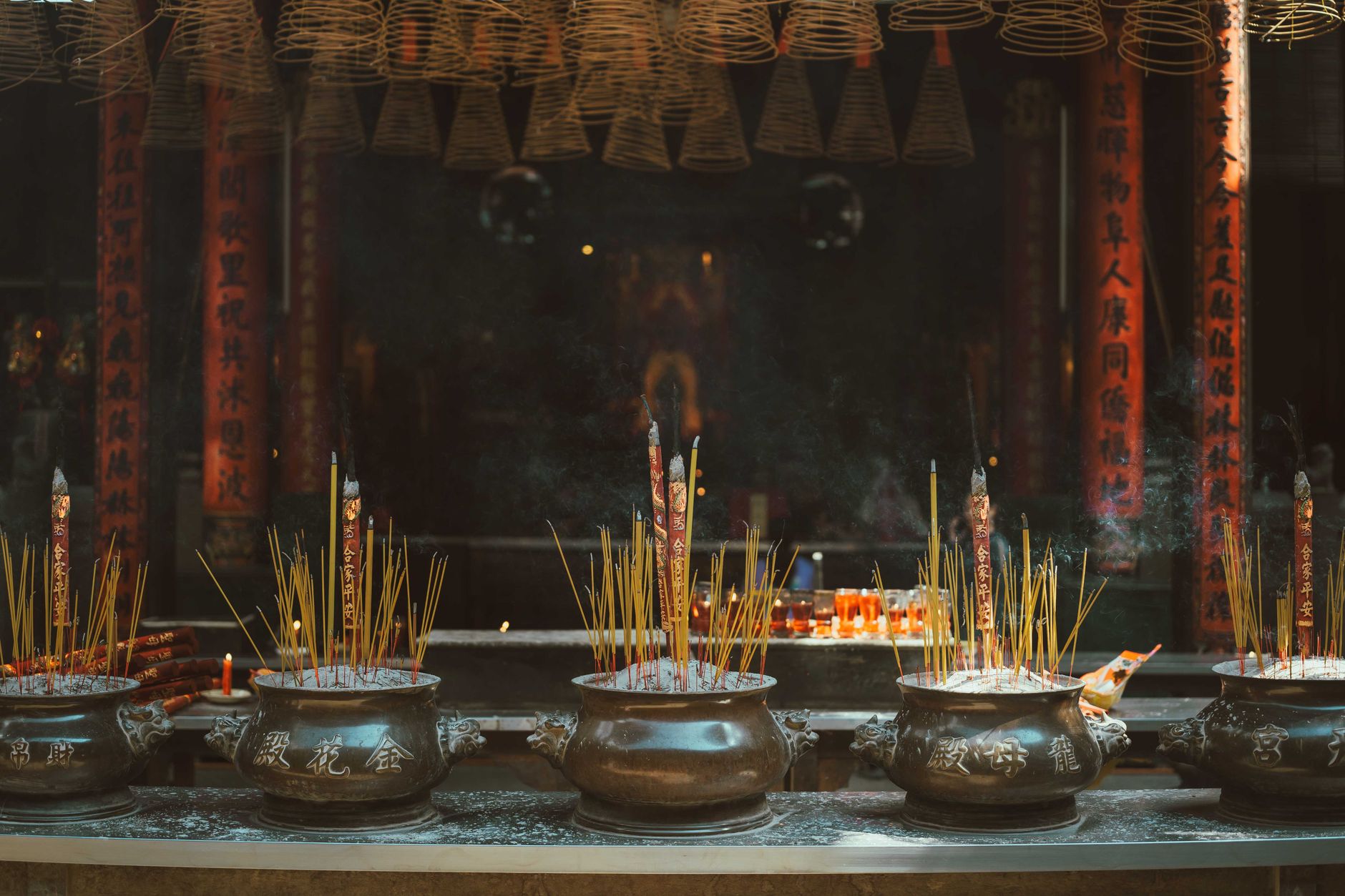
Photo by Nhựt Nguyên Trần on Pexels
Cost breakdown
- Official e-visa (single entry): 25 USD
- Official e-visa (multiple entry): 50 USD
- Agency-processed e-visa: 35–50 USD depending on speed
- Tourist visa from Hanoi or Saigon (사이공 / 西贡 / サイゴン) agency (offline): 20–40 USD, usually available same-day if you're already in Vietnam
The official channel is cheapest. Agencies are a convenience tax, not a scam—just slower in many cases than advertised.
Common mistakes and how to avoid them
Misspelled passport data: Copy your name, date of birth, and passport number directly from your passport into the form. A single typo (even a space or extra letter) will cause rejection. Double-check before hitting submit.
Passport expiry: Your passport must be valid for at least six months beyond your arrival date in Vietnam. Many Indian passports are renewed; confirm yours hasn't aged without your realizing.
Blurry or non-compliant photo: The government portal's photo checker is strict. If you upload a photo at an angle, with poor lighting, or with glasses, it often rejects it automatically. Use a plain white wall, natural daylight, and no accessories.
Choosing the wrong entry port: If you're flying into Saigon but selected Hanoi as your entry point, immigration may flag it. Match your actual arrival city to the application.
Printing vs. digital copy: You do not legally need to print the e-visa. Vietnamese immigration accesses it digitally via your passport number. But printing is free insurance—if their system lags or your phone dies, you have a paper copy. Always print or screenshot as a backup.
Uploading a full photo instead of the passport page: The portal requires a scan of your passport's biographical page (the one with your photo and personal data), not a standalone portrait photo. It's a common mix-up.
What to expect at immigration
Your e-visa approval notification will include a reference number and a barcode. Bring your passport and the printed e-visa (or open the PDF on your phone). The queue at international airports is usually 20–45 minutes depending on time of day. Immigration staff will scan your e-visa barcode, check your passport, ask a basic question or two ("purpose of visit?" "how long?"), and wave you through.
If you've used an agency and the approval is delayed, contact them immediately. A few days before your flight, log into the official portal with your reference number to confirm your e-visa status is "approved."

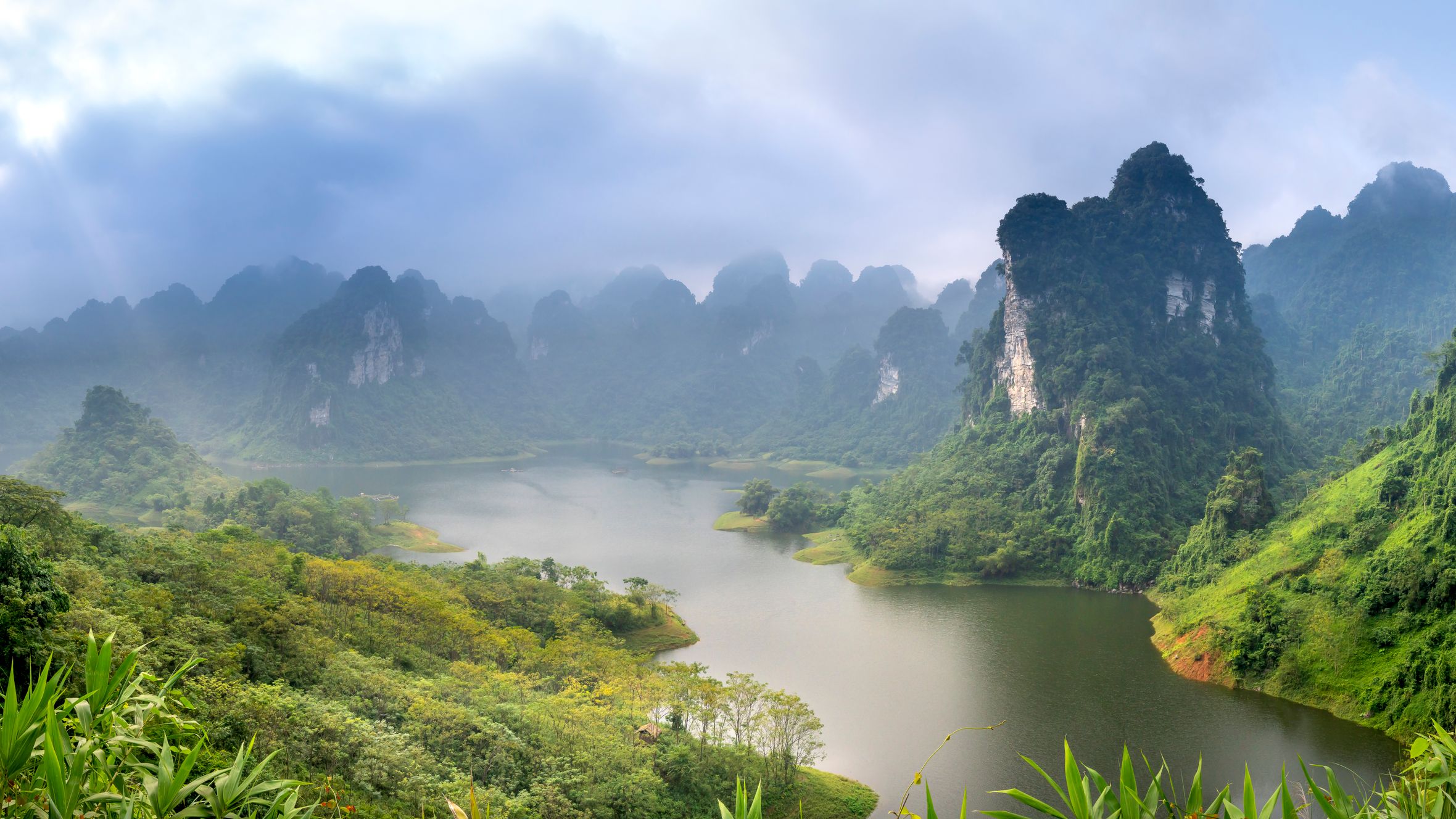
Photo by Châu Thông Phan on Pexels
Extending your stay in Vietnam
The e-visa is not extensible. Once it expires, you need a new application or a separate tourist visa. If you're already in Vietnam and realize you need more time, visit a travel agency in Hanoi (Old Quarter), Saigon (District 1), or any major city. A one-month tourist visa extension costs 50–60 USD and takes 3–5 days. Going to Cambodia, Thailand, or Laos for a few days and re-entering on a new e-visa is another option, but see the note on repeated visa runs above.
SIM cards and staying connected while you sort this out
Once you're in Vietnam, grab a local SIM card from any Viettel, Vinaphone, or Mobifone shop (about 30,000 VND or 1–2 USD). It's easier to communicate with agencies or sort last-minute visa issues with a local number.
Bottom line
For stays under 90 days, Indian passport holders don't need a visa at all. For longer trips or multiple entries, the official e-visa is a straightforward online process—25 USD, a few minutes of form-filling, and 1–3 days of waiting. Avoid common data-entry errors (especially spelling), use a compliant photo, and you'll be fine. Agencies are an option if you want hand-holding, but they're not necessary.
Last updated · May 29, 2026 · independently researched, never sponsored.