Japan and Vietnam (베트남 / 越南 / ベトナム) have no special bilateral visa arrangement, so Japanese passport holders follow the standard e-visa process. The system is cheap and straightforward—but a few missteps are common. Here's what you need to know.
What you'll need
Before you start, gather these documents:
- Passport: Valid for at least 6 months beyond your departure date from Vietnam. Your passport number is required on the e-visa application.
- Digital passport photo: 4×6 cm (1.5×2.4 inches), white background, taken within the last 6 months. Must be a JPG or PNG file, under 200 KB. This is the most common reason applications get rejected—the photo must be recent, properly lit, and centered. If you're unsure, upload a fresh one from a proper photo studio (any convenience store in Japan, or a photo booth at a train station, will work).
- Email address: You'll need this to receive your e-visa approval letter.
That's it. You do not need proof of onward travel, accommodation booking, or return flight confirmation for the e-visa itself.
Where to apply
Use the official Vietnam Immigration portal: evisa.xuatnhapcanh.gov.vn
This is the only authorized government e-visa website. No fee to use it—the government charges directly. Avoid third-party agencies (Visavietnam.com, etc.). They upcharge 10,000–20,000 VND for the same service.
Step-by-step application
1. Fill out the form
The online application is in English. Fields include:
- Full name (as it appears in your passport)
- Date of birth
- Passport number
- Nationality (Japan)
- Departure city (where you're flying from)
- Intended arrival date in Vietnam
- Intended departure date
- Proposed port of entry (Noi Bai for Hanoi, Tan Son Nhat for Saigon, Da Nang International, etc.)
- Email address
Be exact with dates. If you list an arrival date of 1 August and don't actually enter Vietnam until 5 August, immigration staff might ask questions, though they usually don't reject you. Better to be truthful.
2. Upload your photo
Click "Choose File" and select your 4×6 cm passport-style JPG. If the system rejects it (file too large, wrong dimensions), use an online photo resizer to crop to exactly 1.5×2.4 inches at 300 DPI.
3. Review and submit
Double-check your name spelling and passport number. A typo here can cause delays at immigration. Submit the form.
4. Pay the fee
You'll be redirected to a payment page. The government charges:
- 25 USD for a single-entry e-visa (30 days stay)
- 50 USD for a multiple-entry e-visa (90 days stay, multiple entries)
Payment is by international credit card (Visa, MasterCard, American Express). The system accepts most cards issued in Japan without issue. Processing fee is bundled into the price—no hidden charges.
5. Wait for approval
You'll receive a confirmation email immediately. Then comes the wait:
- Standard processing: 3 business days (72 hours). Cost is the base rate above.
- Rush processing: 1 business day (24 hours). Add 5 USD.
- Express processing: 4 hours (same day). Add 15 USD.
If you're arriving in Hanoi (하노이 / 河内 / ハノイ) on a Friday evening, apply by Wednesday morning for standard processing. If you're booking a last-minute flight, use the 24-hour option—it's only 5 USD more and takes the stress out.
On approval, you'll receive an email with a PDF letter containing a QR code. Print or screenshot this letter. You'll show it to the immigration officer when you land.

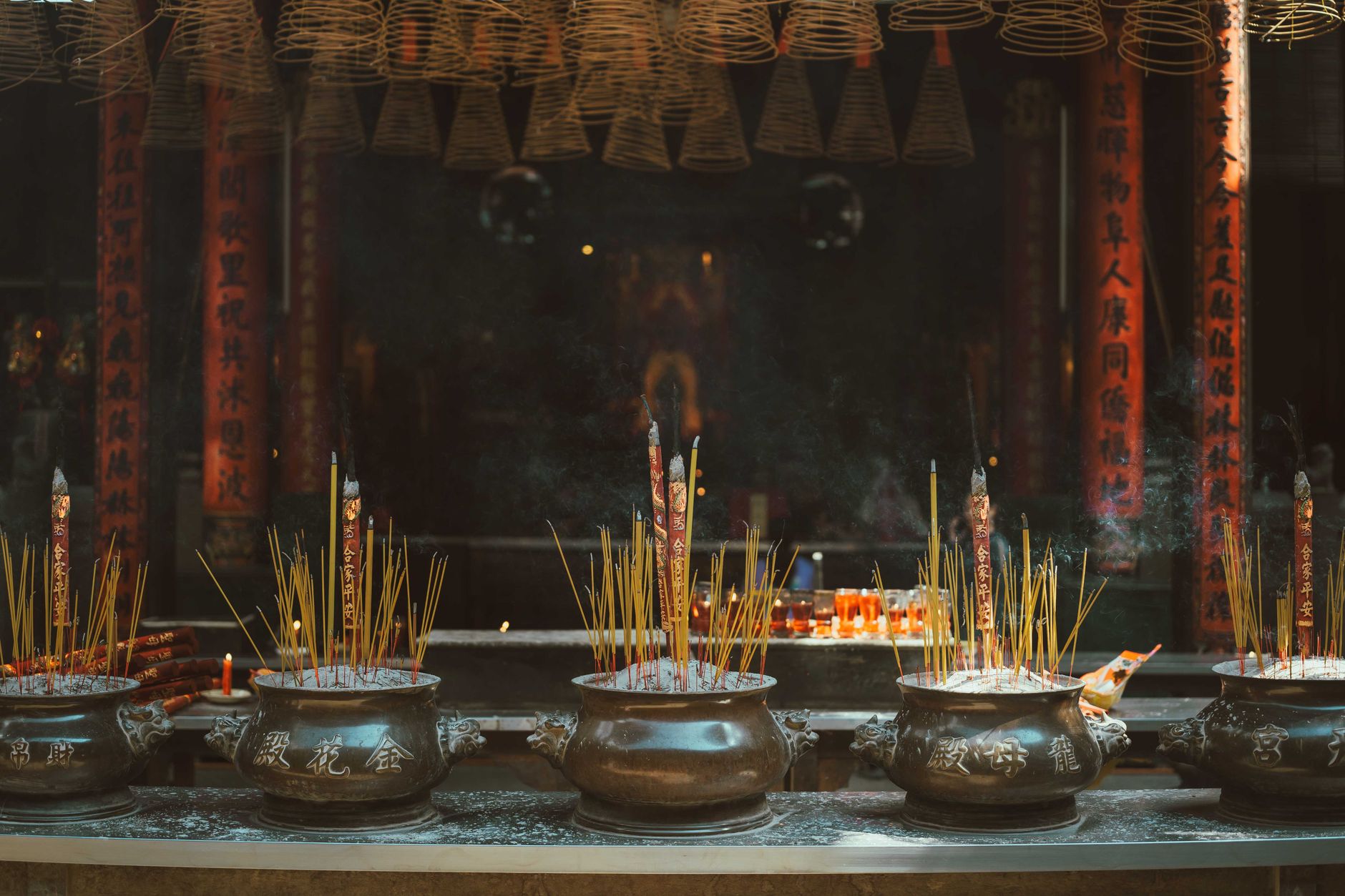
Photo by Nhựt Nguyên Trần on Pexels
Common pitfalls
Bad photo: The most common rejection reason. Your face must be clearly visible, centered, with a plain white background. No sunglasses, hats, or shadows. If you took the photo yourself indoors with your phone, it might be rejected. Go to a photo shop and pay 100–500 yen for a proper passport-style print.
Passport expiry: Your passport must be valid for 6 months after your intended departure date from Vietnam. A passport expiring in October doesn't work if you're leaving Vietnam in September—renew first.
Payment fails silently: If your credit card declines, the website sometimes doesn't give a clear error. Try a different card, or call your bank to allow international transactions. Japanese credit cards (from Rakuten, Sony Bank, etc.) usually work fine, but some regional banks block international e-commerce by default.
Arrival date mismatch: If you list arrival on 10 August but show up on 15 August, immigration might ask why, but they typically let you through. Still, be accurate.
Double entry confusion: Single-entry means you can enter Vietnam once and stay for 30 days. If you leave and re-enter, you'll need a new visa or a multiple-entry visa. Plan ahead.
At immigration
When you land at Noi Bai (Hanoi), Tan Son Nhat (Saigon), or another port of entry:
- Have your e-visa letter (printed or on your phone) and passport ready.
- Queue at the "Foreign Visitors" or "E-Visa" booth (separate from the regular visa lines).
- The officer will scan the QR code, check your passport, and stamp you in.
- The whole process takes 2–3 minutes. Smile, say "Hello," and you're through.
There's no separate arrival card anymore—your e-visa approval letter doubles as your entry permit.
Photo by Nhựt Nguyên Trần on Pexels
Cost breakdown
- E-visa fee: 25 USD (single-entry) or 50 USD (multiple-entry)
- Card processing fee: Usually 0, but some banks charge 1–2 USD for international transactions—check your card issuer.
- Total: roughly 2,700–5,400 JPY depending on exchange rate and your bank.
No visa agency markup, no consulate fees. This is the cheapest legal way to enter Vietnam.
Extensions and overstays
If you want to stay longer than 30 days, you can extend your visa while in Vietnam. Visit an immigration office in Hanoi, Saigon, or any major city. Expect to pay 20–25 USD for a 30-day extension, processed in 5–7 business days. Bringing a travel agent (any hotel can recommend one) makes it easier—they'll handle the paperwork for a small fee (50,000–100,000 VND).
Do not overstay. Fines are 200,000 VND per day (roughly 1,000 JPY). On departure, immigration will flag you, and you'll be issued a warning letter. Multiple overstays can lead to entry bans.
Practical notes
The e-visa system is reliable and fast. Apply at least 3 days before arrival, and you'll have no issues. Keep a screenshot or PDF of your approval email on your phone as a backup. The process is designed for solo travelers and small groups—no paperwork beyond a photo and passport number. Japanese citizens face no special restrictions; the system treats you the same as anyone else.
Last updated · May 29, 2026 · independently researched, never sponsored.