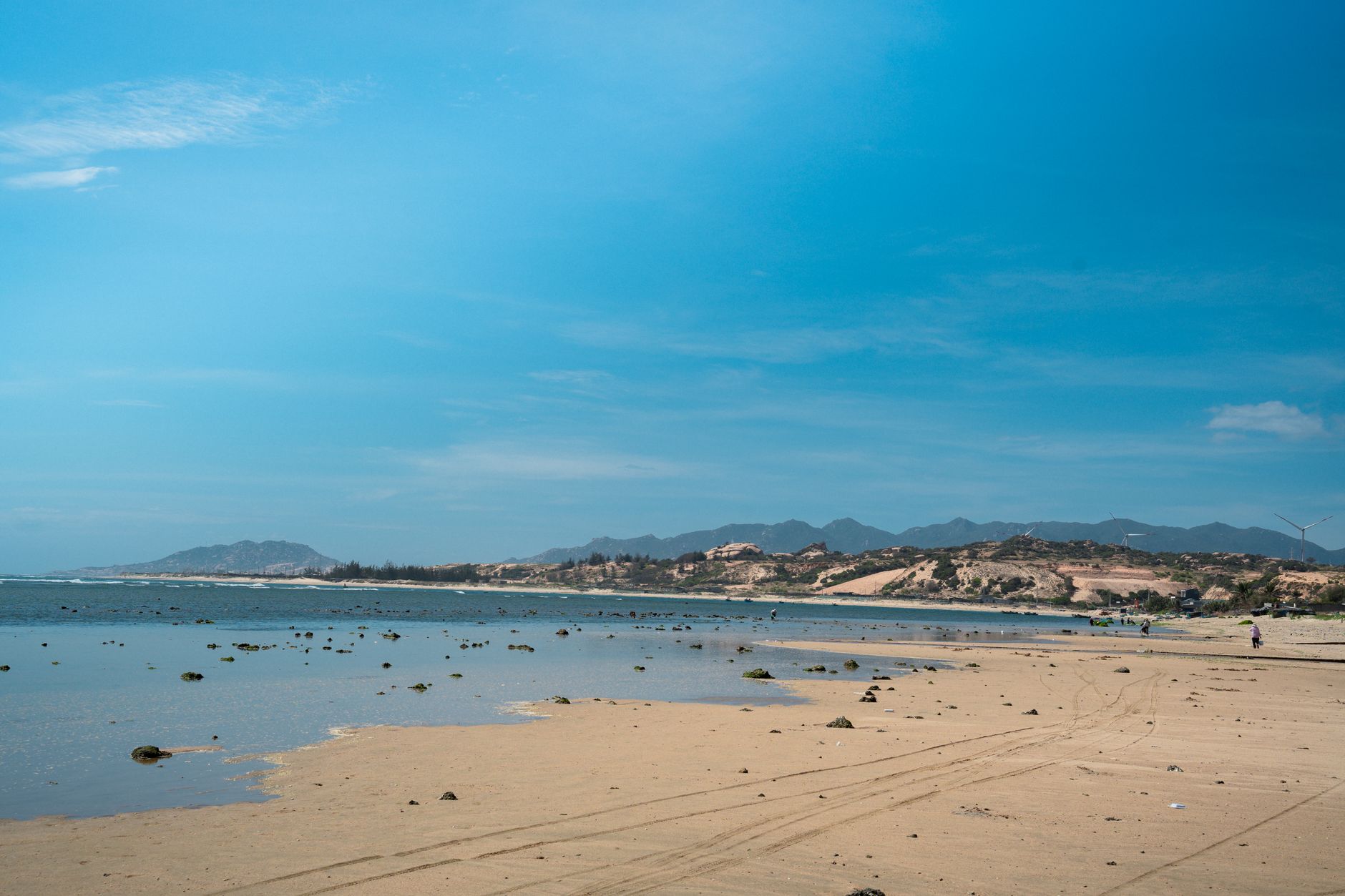
Nghe An's western highlands don't get much tourist traffic, which is exactly why the ancient ironwood forest known as Rung Sang Le feels like it belongs to another country entirely. Every March and April, several hundred "sang le" trees — a species of ironwood native to northern-central Vietnam (베트남 / 越南 / ベトナム) — shed their leaves in waves of gold and amber, turning the forest floor into something that looks more like New England in October than tropical Southeast Asia.
What it is
Rung Sang Le sits in the Nam Dan and Thanh Chuong districts of Nghe An province, roughly 20-30 km southwest of Vinh city. The forest covers a modest area compared to Vietnam's national parks, but it's ecologically unusual: sang le (Lagerstroemia tomentosa) trees can live for centuries, and some specimens here are estimated at 300-400 years old. Their trunks are smooth, pale, and slightly twisted, giving the forest an otherworldly quality even outside the leaf-changing season.
The forest gained attention domestically around 2018-2019 when photos of its autumn-like golden canopy went viral on Vietnamese social media. Before that, it was mostly known to locals who gathered firewood and grazed buffalo along its edges. There's no entrance fee and no formal visitor infrastructure — this isn't a managed attraction, it's a living forest that happens to be extraordinary.
Why travelers go
The draw is simple: Vietnam doesn't really do autumn foliage. The country is tropical and subtropical, so deciduous forests that turn color are genuinely rare. Rung Sang Le is one of the very few places where you can walk through a golden canopy and a carpet of fallen leaves. Photographers come for the light filtering through the thinning branches. Everyone else comes because it's quiet, beautiful, and unlike anywhere else in the region.
Outside the leaf-changing window, the forest is still worth a stop if you're passing through Nghe An. The trees themselves are striking year-round — pale bark, spreading crowns, and an openness to the forest floor that makes it feel more like a European woodland than a Vietnamese jungle.
Best time to visit
The golden season typically runs from mid-March to mid-April, peaking in late March. Exact timing shifts by a week or two depending on rainfall and temperature — drier winters push the season earlier. If you're planning a trip specifically for the foliage, aim for the last week of March and give yourself a buffer day or two.
Mornings are best. By 6:30-7:00 AM the light comes in low and warm through the canopy. By midday it's harsh and flat, and in the wet season (May-September) afternoon storms roll in fast.
If you visit outside the golden window, October to February is pleasant — cool, dry weather and green canopy. Summer months are hot and humid, with temperatures in Nghe An regularly hitting 38-40°C.
How to get there
The nearest major hub is Vinh city, which has its own airport (Vinh International, VII) with direct flights from Hanoi and Saigon. Vinh is also a stop on the Reunification Express railway.
From Vinh, the forest is about 25-30 km depending on which section you're heading to. Options:
- Motorbike rental from Vinh: 120,000-150,000 VND/day. The ride takes 40-50 minutes on provincial roads. This is the most practical option and gives you flexibility to explore the surrounding countryside.
- Grab car: roughly 200,000-300,000 VND one way, but availability outside Vinh center can be spotty. Book a round trip and have the driver wait.
- Xe om (motorbike taxi): negotiate 150,000-200,000 VND round trip from Vinh with waiting time. Agree on the price before you go.
There's no public bus that drops you at the forest. You need your own wheels or a hired vehicle.
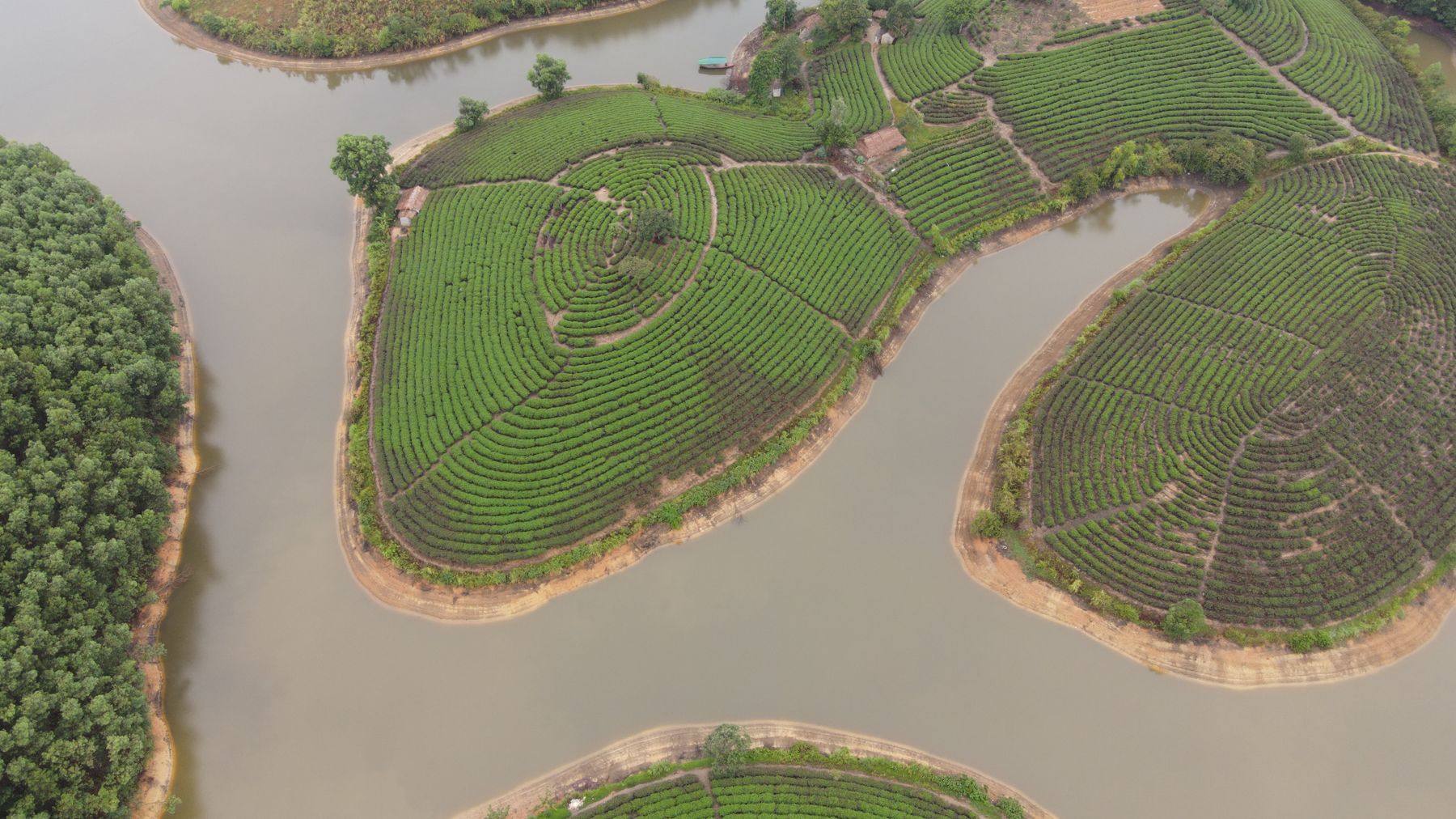
Photo by Quang Nguyen Vinh on Pexels
What to do
Walk the forest floor
No marked trails, no ticket booth. You park at the roadside and walk in. The terrain is mostly flat to gently rolling, with leaf litter underfoot during the golden season. Give yourself at least 60-90 minutes to wander. The deeper sections away from the road are quieter and more photogenic.
Catch sunrise through the canopy
Arrive before 7:00 AM when the low sun shoots horizontal beams through the trees. The combination of golden leaves overhead and warm light makes for genuinely memorable photography — or just a good reason to be awake early.
Visit the nearby Ho Chi Minh birthplace
Kim Lien village in Nam Dan district is just 10-15 minutes from the forest by motorbike. It's the childhood home of Ho Chi Minh (호치민 / 胡志明 / ホーチミン) and a significant cultural-historical site with a small museum. Free entry. Worth combining into a half-day loop.
Explore Thanh Chuong's countryside
The roads around the forest pass through rice paddies, small villages, and limestone karst hills. If you're on a motorbike, take the back roads rather than the main highway back to Vinh. You'll pass buffalo wallowing in ponds, roadside "che" (sweet soup) stalls, and scenery that hasn't changed much in decades.
Photograph the sang le bark
Even without golden leaves, the trees themselves are photogenic. The bark is smooth and pale gray-white, sometimes almost silver, and the trunks twist and lean at angles that give the forest real character.
Where to eat nearby
Nghe An is the homeland of several dishes worth seeking out. "Luon" (eel) is the local specialty — look for "luon chao" (eel fried in a clay pot with turmeric and herbs) or "luon um mang" (eel braised with bamboo shoots). Small restaurants along the road between Nam Dan and Vinh serve these for 50,000-80,000 VND per portion.
Back in Vinh, grab a bowl of "banh canh" — the thick tapioca noodle soup is made with fish or crab in this part of the country and costs 30,000-45,000 VND at market stalls.
Where to stay
Most travelers base in Vinh city and visit the forest as a half-day trip.
- Budget: guesthouses and mini-hotels near Vinh train station, 200,000-350,000 VND/night. Basic but clean.
- Mid-range: newer hotels in Vinh center around Le Loi or Quang Trung streets, 500,000-800,000 VND/night with air-con, Wi-Fi, and breakfast.
- Homestay: a few family-run options in Nam Dan district if you want to sleep closer to the forest. Expect 150,000-250,000 VND/night, basic rooms, and very limited English.
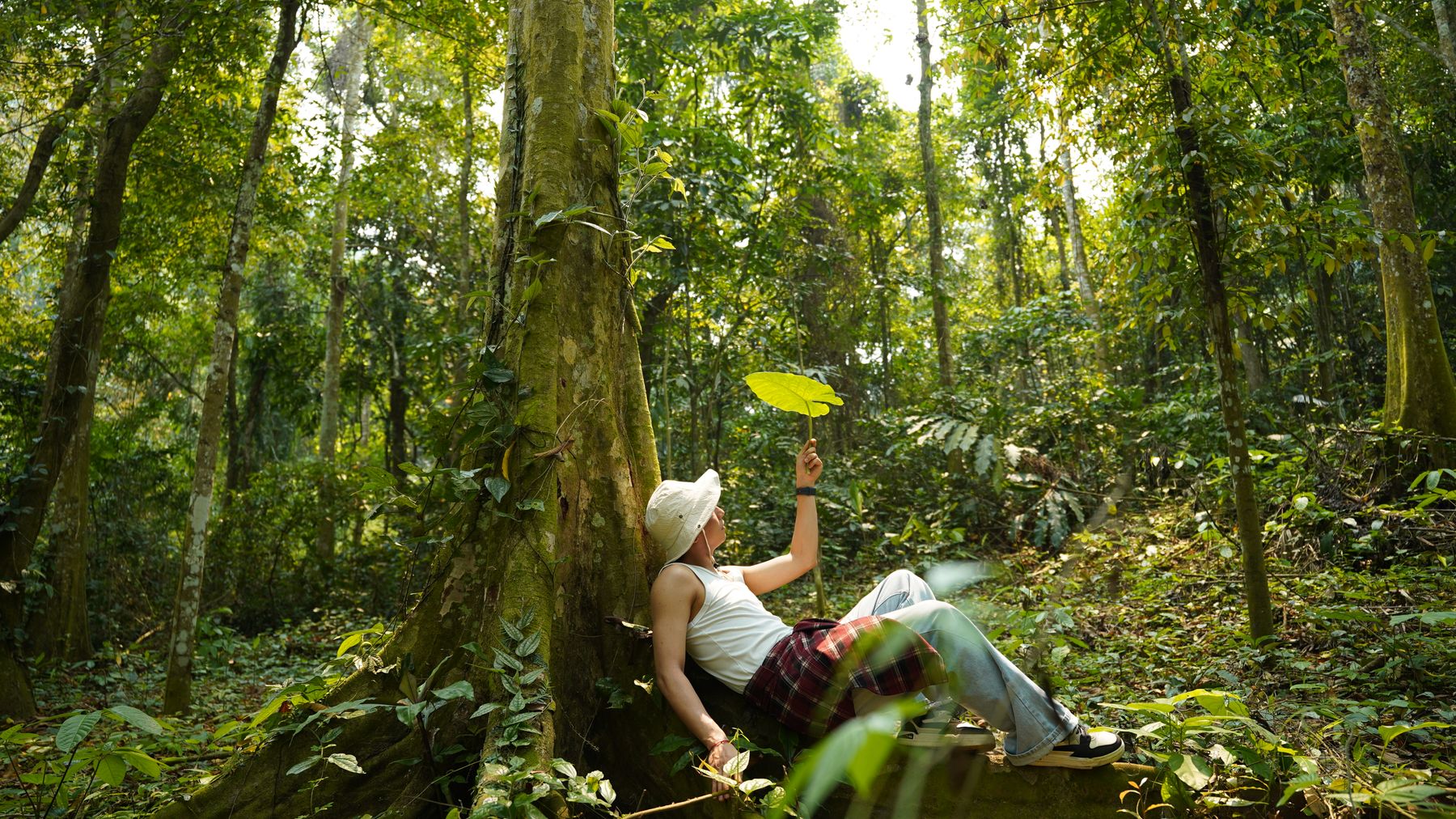
Photo by Huy Đặng Văn on Pexels
Practical tips locals would tell you
- Wear long pants and closed shoes. The forest floor has roots, uneven ground, and occasionally thorny undergrowth. Flip-flops are a bad idea.
- Bring water and snacks. There are no vendors inside the forest and only occasional roadside stalls nearby.
- Carry cash. Nothing in this area takes cards. ATMs are in Vinh.
- Sunscreen and a hat if visiting midday — the canopy thins significantly during the golden season and you'll burn faster than expected.
- Check conditions locally before going. Ask your hotel in Vinh or search Vietnamese social media (search "rung sang le" on Facebook) for recent photos. The golden window is short and shifts annually.
Mistakes to avoid
- Coming in summer expecting golden leaves. The foliage change is March-April only. At other times the forest is green or bare.
- Not bringing a motorbike. Getting stranded without transport in a rural area with no taxi service is a real possibility.
- Expecting infrastructure. No bathrooms, no café, no visitor center. Plan accordingly.
- Rushing through. People sometimes show up, take five photos from the roadside, and leave. Walk deeper into the forest — the best sections are 10-15 minutes in on foot.
Practical notes
Rung Sang Le works best as a half-day side trip from Vinh, combined with Kim Lien village or a loop through the Thanh Chuong countryside. If you're traveling between Hanoi and Hue on the Reunification Express or by road, Vinh is a natural stopover — and this forest is one of the more compelling reasons to actually get off the train.
Last updated · May 29, 2026 · independently researched, never sponsored.