The basics
Australian citizens can enter Vietnam (베트남 / 越南 / ベトナム) on an e-visa for tourism or business. You apply online at evisa.gov.vn — the official Vietnamese Immigration Department portal — and receive approval by email. No need to visit an embassy or consulate. The process is straightforward, though a few details trip people up.
Cost and processing time
There are two e-visa options:
- Single-entry, 30 days: 25 USD (around 37–40 AUD depending on exchange rates). Processing time is 1 business day.
- Single-entry, 30 days (urgent): 50 USD (around 75 AUD). Processing time is 3–4 hours.
Both visas allow you to stay in Vietnam for up to 30 days from your date of entry. They do not extend beyond that, and you cannot renew inside the country — if you need more time, you'll need to exit and re-enter or arrange a longer visa through an embassy beforehand.
Payment is by credit card (Visa, Mastercard, JCB accepted).
Application process
Go to evisa.gov.vn and select "Apply for e-visa." You'll need:
- Your Australian passport number and expiry date (must be valid for at least 6 months beyond your intended exit date from Vietnam).
- A digital photo (passport-style, 4 × 6 cm, white background). Phone selfies don't work; most convenience stores or pharmacies can provide a scan of a passport photo.
- Your email address and a phone number (for receiving the approval letter).
- Intended date of entry and port of entry (Hanoi, Saigon, Da Nang, etc.).
Fill out the form, upload your documents, pay the fee, and submit. You'll receive a reference number. Keep it.
Time zone matters
Vietnam is UTC+7. If you're on Australian Eastern Time (UTC+8, or UTC+10 in winter), there's a time gap. When the site says "3–4 hours processing," that's Hanoi (하노이 / 河内 / ハノイ) time, not Sydney time. If you apply at 2 p.m. Sydney time on a Monday, it might be processed Tuesday morning in Hanoi — but the email could arrive while you're asleep in Australia. Check your spam folder and allow a buffer before your flight.
For single-entry standard (1 business day), "business day" means Monday–Friday Hanoi time. Weekends and Vietnamese public holidays (Tet, National Day) can add delays. Apply at least 3–5 days before your flight to be safe.

Photo by Ekaterina Belinskaya on Pexels
What you'll receive
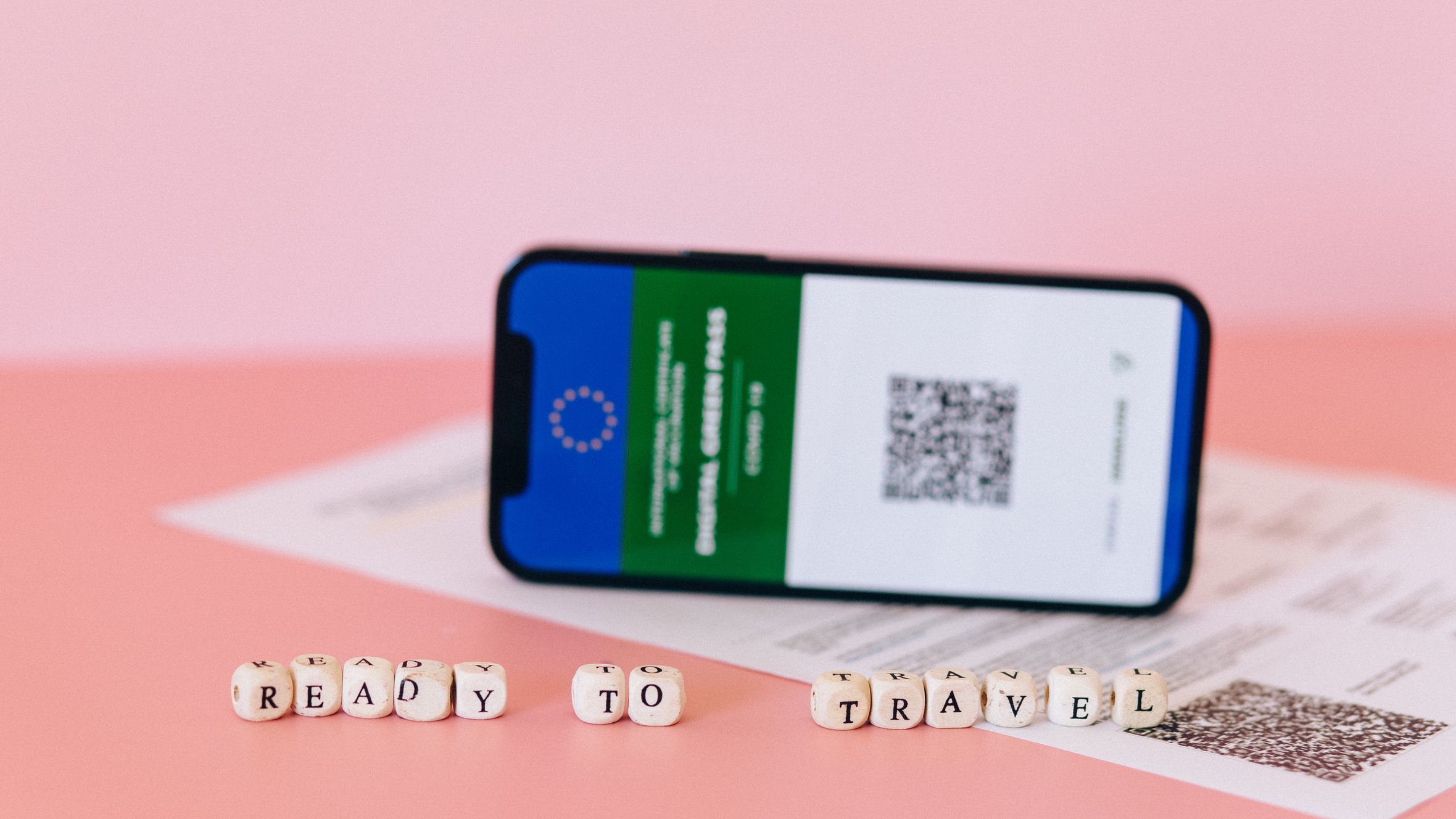
Once approved, you get an email with your approval letter — a PDF with a QR code and approval code. Print it or save it to your phone. You present this at immigration on arrival in Vietnam. The immigration officer scans the code, checks your passport, and stamps you in. The stamp itself is free; the e-visa fee is what you paid upfront.
Validity and entry
Your e-visa is valid for 90 days from the date of issue — but you must enter Vietnam within that window. So if your approval is June 1, you have until August 30 to actually land. Once you enter, the 30-day stay clock starts.
You can enter at any international airport or land/sea border checkpoint that accepts e-visa (most do: Hanoi, Saigon, Da Nang, Phu Quoc, Ha Long, border crossings into Cambodia and Laos). Check evisa.gov.vn's list if you're using an unusual gateway.
Australian government travel advice
Before booking, check the Australian Department of Foreign Affairs and Trade (DFAT) website for the latest travel advice on Vietnam. They maintain real-time guidance on safety, health, and entry requirements. As of now, Vietnam is listed with standard travel advice (no blanket ban), but this can change with political or health events. It's your responsibility to check before departure.

Photo by RDNE Stock project on Pexels
Travel insurance
Vietnam does not legally require travel insurance for e-visa entry as an Australian. However, it's highly recommended. Standard Australian travel insurance (from companies like World Nomads, Allianz, TRAVELZEST) covers medical emergencies, evacuation, and trip disruption. Health costs in Vietnam are cheap by Western standards, but a serious incident (motorbike accident, dengue fever requiring hospitalization) can become expensive fast. Most policies cost 30–50 AUD for a 1–2 week trip and are worth it.
Note: some insurers exclude claims if you were warned against travel by DFAT. If there's an elevated advisory on Vietnam when you book, read the fine print.
Common mistakes
- Passport validity: Your passport must be valid for 6+ months from your exit date. A passport expiring in 2 months won't work.
- Photo quality: Blurry, off-center, or wrong-sized photos cause rejections. Use a proper photo.
- Entry date: Don't lie about your intended arrival date. If you say June 15 and you arrive June 20, you might get questioned (though in practice it's usually fine — just don't push it by weeks).
- Backup plan: If your e-visa is rejected for any reason, you can reapply, but you won't get a refund. The rejection email will usually explain why. Common reasons: passport details don't match, photo fails, personal info typos.
Frequently Asked Questions
How much does the Vietnam e-visa cost for Australian passport holders?
The standard single-entry e-visa costs 25 USD (around 37-40 AUD) with 1 business day processing. If you need it faster, an urgent option costs 50 USD (around 75 AUD) and processes in 3-4 hours. Both allow a 30-day stay from entry. Payment is by credit card — Visa, Mastercard, and JCB are accepted. Apply at evisa.gov.vn, the official Vietnamese Immigration Department portal.
What documents do I need to apply for a Vietnam e-visa online?
You need your Australian passport number and expiry date (valid at least 6 months beyond your exit date), a passport-style digital photo (4 x 6 cm, white background — phone selfies are not accepted), your email address, a phone number, and your intended entry date and port of entry such as Hanoi, Saigon, or Da Nang. Most convenience stores or pharmacies can provide a suitable passport photo scan.
When should I apply for my Vietnam e-visa before flying?
Apply at least 3-5 days before your flight. Processing times are based on Hanoi time (UTC+7), so if you apply from Sydney there is a time gap that can shift delivery by hours. The standard 1 business day option does not count weekends or Vietnamese public holidays such as Tet or National Day. Check your spam folder after applying, as the approval PDF arrives by email.
Practical notes
The e-visa system is reliable and well-used by Australian travellers. Apply at least 3–5 days before your flight, double-check all passport details, and keep your approval letter until you leave Vietnam. If you're entering Vietnam via a land border from Cambodia or Laos, confirm that border crossing accepts e-visa (most do, but a few smaller ones don't — evisa.gov.vn has the list). Travel insurance is optional but sensible.
Last updated · May 29, 2026 · independently researched, never sponsored.