The honest picture
Vietnam (베트남 / 越南 / ベトナム)'s tap water is not poisoned. It won't kill you. But it's also not treated to the same standard as tap water in Australia or Canada, and it tastes like it. Chlorine, sediment, rust from old pipes, and mineral buildup are the real issues — not bacteria that survives long-term storage.
Most long-term expats and middle-class Vietnamese don't drink straight tap water. But they also don't panic-buy bottled water for every glass. There's a practical middle ground that costs 50–200k VND per month depending on your setup.
The tap water itself
Hanoi, Saigon, Da Nang, and other major cities treat water to Vietnamese standards (QCVN 01:2018). The water reaches your apartment chlorinated and technically safe for bathing and cooking. You can use it to brush your teeth. You can cook soup with it.
The actual problems:
- Chlorine smell and taste. Obvious. Unpleasant. Not harmful.
- Old pipe network. Many buildings use rusted steel pipes installed 20+ years ago. Water picks up sediment and iron oxide — visible as faint brown discoloration on first turn of the tap.
- Hard water. High mineral content (calcium, magnesium) leaves scale on kettles, coffee makers, and shower heads. Not poisonous; annoying.
- Pressure fluctuations. During peak hours (early morning, evening), water pressure drops. Occasionally, low pressure sucks contamination into the pipe. Risk is real but infrequent in central urban areas.
What's NOT reliably present: E. coli, serious pathogens, or heavy metals that require boiling to kill.
What locals drink
Wealthy Vietnamese: bottled water at home, filtered tap water or bottled when out.
Middle-class Vietnamese: filter pitcher (like Brita) or countertop filter jug, bottled water for drinking only. Tap for cooking.
Budget-conscious locals: boil tap water for drinking and cooking. Some add a cheap charcoal or sediment filter first.
Expat renters: varies wildly. Many buy a simple pitcher filter. Some just drink straight tap. A few go full bottled-water mode and regret the plastic waste.
Bottled water: cost and logistics
Small bottles (500 mL): 5–10k VND at convenience stores (Familymart, Circle K, Vinmart).
Large bottles (19 L refillable): 20–35k VND per bottle, delivered or picked up from water stations. Returnable deposit is usually 10k. You typically keep 2–3 bottles cycling (one in use, one empty waiting for swap).
Delivery is cheap in Hanoi and Saigon (사이공 / 西贡 / サイゴン) (free or 5k VND if you buy multiple bottles). Takes 1–3 days.
Monthly cost for one person drinking only bottled water: ~300k VND (at 2–3 bottles/month if purchased one at a time from a shop). If you buy in bulk or use a subscription (GrabFood, Shopee, local services), closer to 150–200k VND.
Pitfall: Most people underestimate consumption. A liter a day (reasonable for someone actually staying hydrated in Vietnam's heat) is 30 liters monthly — costly if all bottled.
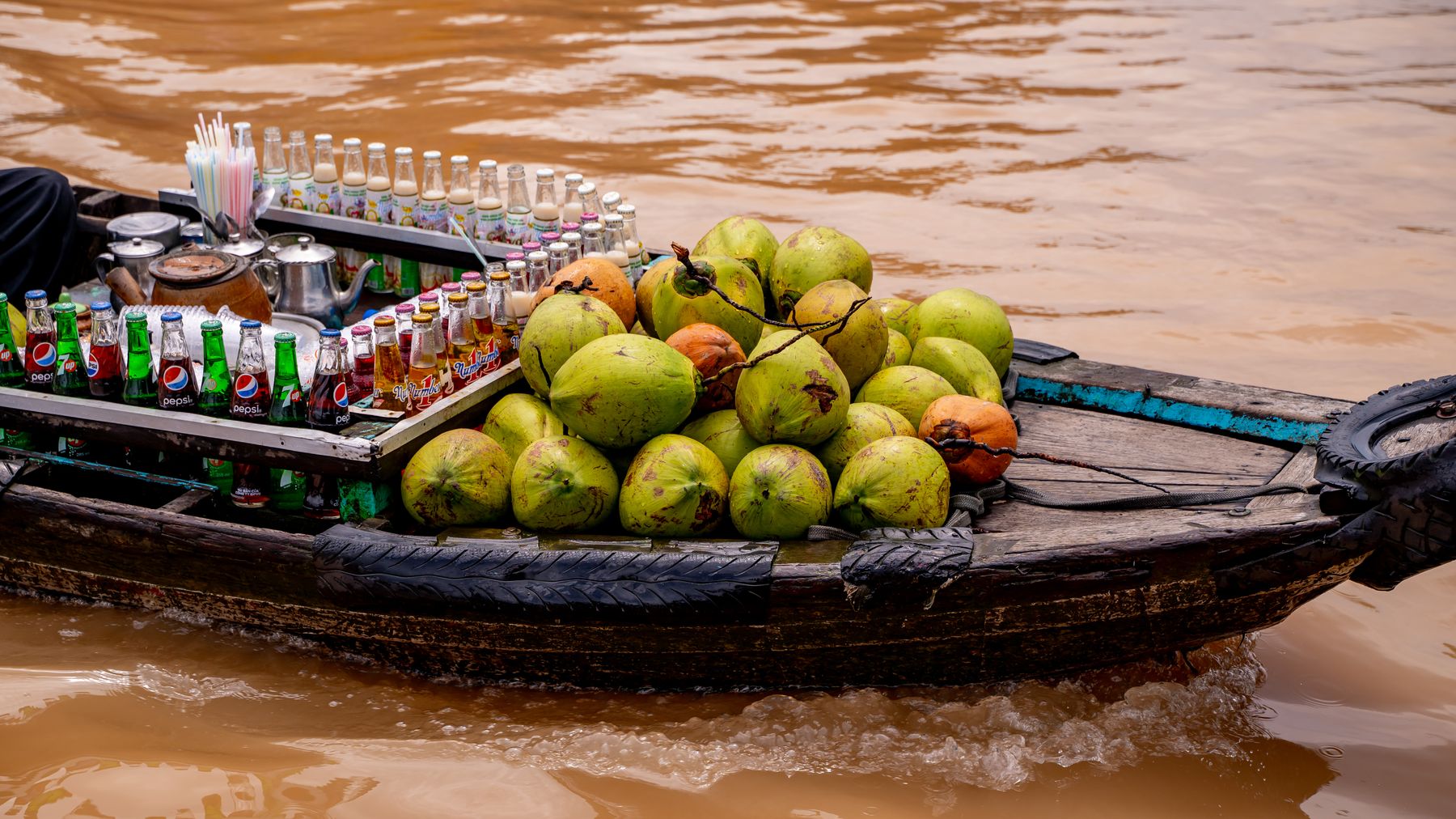
Photo by Vietnam Tri Duong Photographer on Pexels
Filtering: types and costs
Pitcher filters (Brita, unbranded clones)
- Cost: 150–400k VND up front. Cartridge replacement: 40–100k VND every 2–3 months.
- What it does: removes chlorine, some sediment, and improves taste. Does NOT kill bacteria if water is contaminated.
- Best for: chlorine taste, some peace of mind. Honest: it's mostly about taste.
- Effort: refill pitcher, wait 10 minutes, drink. Very low friction.
Countertop/under-sink multi-stage filters
- Cost: 500k–2M VND up front. Cartridge replacements (every 6–12 months): 200–600k VND.
- What it does: sediment pre-filter, activated carbon, sometimes ceramic membrane. Better taste, removes more sediment and chlorine.
- Best for: people staying 2+ years who want tap water to feel safer and taste acceptable.
- Effort: turn the tap like normal. Medium friction (maintenance is occasional).
Reverse osmosis (RO) systems
- Cost: 1.5–4M VND up front. Cartridge replacements annually: 500k–1.5M VND. Requires electricity and drainage.
- What it does: removes almost everything — minerals, dissolved solids, some bacteria and viruses.
- Best for: germaphobia, or people on very restricted diets (medical reasons).
- Pitfall: removes beneficial minerals too. Water tastes flat. Waste-water ratio is often 3:1 (3 liters waste to 1 liter clean water). Environmentally poor choice for Vietnam's water stress.
- Effort: high. Regular maintenance. Takes up counter/cabinet space.
Boiling: the free option
If you have time and a kettle:
- Fill kettle with tap water.
- Boil for 1 minute.
- Let cool. Pour into a jug and refrigerate.
Cost: electricity only (~500 VND per liter).
What it does: kills most pathogens, but does NOT remove chlorine taste or hard minerals. Sediment settles to the bottom over a few hours.
Pitfall: you have to remember to do it daily. Many people intend to and don't.
For cooking
Almost all locals use straight tap water to cook rice, soup, and noodles. Boiling is implicit in the cooking process. If you're truly anxious, boil the water first, then use it — but this is not standard practice and adds time.
For coffee or tea, tap water through a filter pitcher or boiled is the middle ground. Many Vietnamese coffee shops use tap water; it's filtered or boiled in an urn.

Photo by Rajesh S Balouria on Pexels
Practical decision tree
Staying 1–4 weeks? Bottled water from shops is fine. Budget 100–150k VND.
Staying 1–2 months? Buy a pitcher filter (150–300k VND) and use it for drinking. Tap water for cooking and bathing.
Staying 6+ months? Invest in a countertop filter (500k–1M VND). Maintenance is annual; total monthly cost drops to 50–100k VND.
Staying 2+ years? Same as above, or splurge on an RO system if money is not an issue and you have anxiety about water safety.
Common pitfalls
- Assuming you need RO. You don't, unless you're immunocompromised or have a specific medical condition. Pitcher or countertop filter is 80% of the value for 20% of the cost.
- Buying individual bottles from 7-Eleven every day. This is the most expensive option by far. Buy a refillable jug or filter instead.
- Forgetting to replace filter cartridges. A clogged filter stops working and can harbor bacteria. Set a phone reminder.
- Leaving water in a pitcher too long. Filtered water sitting at room temperature for 5+ days can grow mold or bacteria. Refresh weekly or refrigerate.
- Trusting a filter to purify unsafe water. If you suspect acute contamination (unusual discoloration, smell, low pressure incident), boil first, then filter.
Bottom line
Vietnam's tap water is safe for bathing, cooking, and brushing teeth. For drinking, a simple pitcher filter (150–300k VND) removes the chlorine taste and some sediment, covers 95% of expat concerns, and costs less than buying bottled water. Locals with the means do the same. If you're staying longer than 6 months, a countertop filter is a smarter investment. Boiling works free but requires discipline. Reverse osmosis is overkill unless you have a specific health reason.
Don't stress. Millions of people drink Vietnamese tap water — filtered or boiled — every day without incident.
Last updated · May 26, 2026 · independently researched, never sponsored.