What it is
Bao Tang Dak Lak (Dak Lak Museum) sits on a low hill along Le Duan Street in the center of Buon Ma Thuot, the provincial capital of Dak Lak. The building itself — a modern, spacious structure opened in 2008 — replaced an older exhibition hall that had been documenting the region's cultural and natural heritage since the 1990s. It's one of the better-funded provincial museums in Vietnam (베트남 / 越南 / ベトナム), and it shows.
The collection spans three main floors covering the natural environment of the Central Highlands (중부 고원 / 中部高原 / 中部高原) (geology, wildlife, the forests), the ethnographic heritage of indigenous communities like the Ede and M'Nong, and the modern history of coffee cultivation in the region. There's also a dedicated outdoor section with a reconstructed Ede longhouse and traditional musical instruments you can actually touch.
Why travelers go
Most visitors to Dak Lak are here for coffee plantations, elephant-related tourism (though responsible options are limited), and waterfalls. The museum rarely makes it onto rushed itineraries — which is exactly why it's worth an hour or two. It gives context to everything else you'll see in the province.
The ethnographic wing is the highlight. The Ede and M'Nong sections display "gong" sets (the bronze percussion instruments central to highland ritual life — UNESCO recognized the gong culture of the Central Highlands as intangible heritage), weaving looms, rice wine jars, and funeral statuary. If you've seen longhouses in Buon Don or Buon Jun but had no context for what you were looking at, this fills in the gaps.
The natural history floor has taxidermy and geological specimens. It's not world-class, but the section on Dak Lak's disappearing forests is sobering and honest in a way you don't always expect from a state museum.
Best time to visit
The museum is climate-controlled, so it works year-round as a rain-day backup or midday escape from heat. But if you're planning your Dak Lak trip more broadly:
- November to March — dry season, cooler mornings (18-22°C), ideal for combining the museum with waterfall trips and plantation visits.
- March — coincides with the Buon Ma Thuot Coffee Festival in even-numbered years, when the city is more lively than usual.
- May to October — rainy season. Afternoon downpours are common. The museum becomes a practical shelter between 13:00-15:00 when storms roll in.
The museum is open daily except Mondays. Hours are 7:30-11:00 and 13:30-17:00 (lunch closure is strict — don't show up at noon).
How to get there
Buon Ma Thuot has a domestic airport (Buon Ma Thuot Airport, code BMV) with daily flights from Saigon (~1 hour) and Hanoi (~1.5 hours). From Da Nang, you'll likely need a connection or a bus.
By road from other Central Highlands towns: Pleiku is about 200 km north (4-5 hours by bus), Da Lat is roughly 190 km south (5 hours). From the coast, Nha Trang is about 190 km east via National Highway 26 (4-5 hours).
Once in Buon Ma Thuot, the museum is at 12 Le Duan Street, walkable from most central hotels. A Grab bike from the bus station costs around 20,000-30,000 VND.

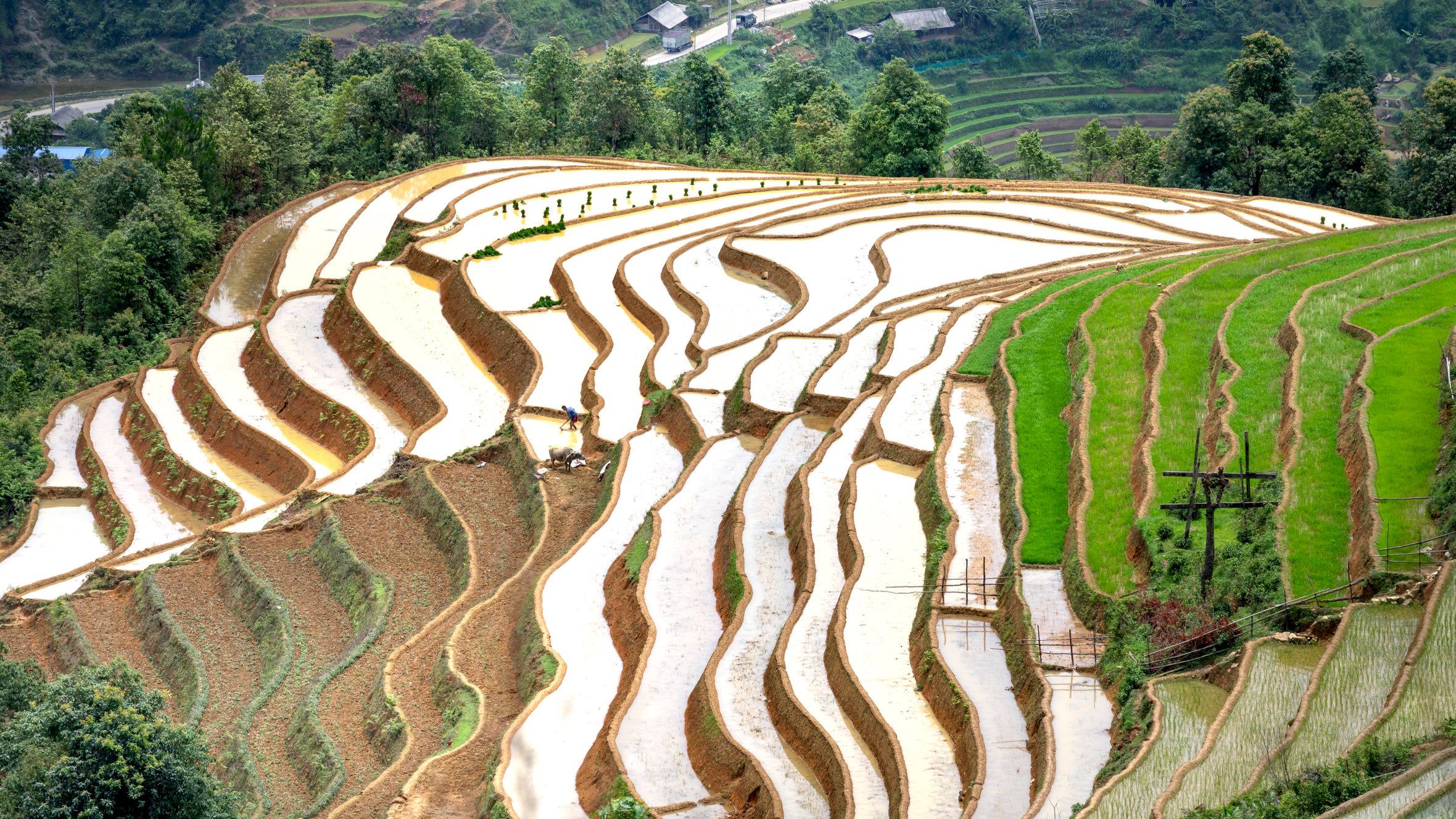
Photo by Quang Nguyen Vinh on Pexels
What to do
Inside the museum
- Ground floor: Natural history, geological specimens, and a decent topographic model of the province.
- Second floor: Ethnographic collections — Ede longhouse culture, M'Nong elephant-taming traditions, ritual objects, traditional textiles. The gong collection here is extensive.
- Third floor: Modern history, coffee industry development, wartime artifacts.
- Outdoor area: A reconstructed Ede longhouse ("nha dai") with carved columns. If the caretaker is around, they'll sometimes demonstrate instruments.
Budget 60-90 minutes. Signage is in Vietnamese and English (translations are functional if occasionally awkward). Entry fee is 20,000 VND for adults — basically free.
Nearby
- Trung Nguyen Coffee Village — 2 km south. A manicured coffee-themed park. Touristy but pleasant for a post-museum "ca phe sua da".
- Kho Nhung Waterfall (Dray Nur / Dray Sap) — 30 km southwest. The province's signature waterfall pair.
- Buon Don — 50 km northwest. The traditional elephant village, now pivoting toward ethical tourism models.
Where to eat
Buon Ma Thuot's food scene is underrated. Near the museum:
- Quan Com Pho Nui (Nguyen Cong Tru Street, ~1 km) — rice plates with grilled pork and highland greens. 35,000-50,000 VND per plate.
- Bun Do — a local noodle dish with fermented rice noodles, pork, and a reddish broth colored by "hat dieu" (annatto seed). Find it at market stalls on Ly Thuong Kiet Street, mornings only. 25,000-30,000 VND.
- "Com tam" stalls along Phan Chu Trinh Street — broken rice with grilled pork chops, standard but solid.
- For coffee, skip chains and head to any "ca phe voi" (sidewalk spot). Dak Lak produces roughly 40% of Vietnam's robusta — drinking vietnamese coffee here feels appropriate.
Where to stay
Buon Ma Thuot has limited tourist infrastructure compared to coastal cities, but enough for a comfortable stay:
- Budget: Thanh Binh Hotel or similar guesthouses on Ly Thuong Kiet Street. 250,000-400,000 VND/night. Clean, basic, central.
- Mid-range: Muong Thanh Buon Ma Thuot (Nguyen Tat Thanh Street). 600,000-900,000 VND. Reliable chain, pool, decent breakfast.
- Homestays: If you have transport, consider staying at an Ede community homestay in Buon Jun (on Lak Lake, 50 km south). Simple longhouse accommodation, evening gong performances sometimes arranged for groups.

Photo by Quang Nguyen Vinh on Pexels
Practical tips
- Bring a light jacket for air-conditioned galleries — they crank it cold.
- Photography is allowed in most areas. No flash in the textile gallery (signs posted).
- The museum gift shop sells small gong replicas and Ede woven bags. Prices are fair (cheaper than tourist shops in Hoi An or Da Lat).
- Combine with the nearby Victory Monument and Le Duan Street coffee shops for a half-day cultural loop on foot.
Common mistakes
- Arriving during lunch break (11:00-13:30). The doors close. No exceptions.
- Skipping the outdoor area. The longhouse reconstruction is behind the main building and easy to miss if you exit through the front.
- Only budgeting 20 minutes. The ethnographic floor alone deserves 30-40 minutes if you read the plaques.
- Not combining with Lak Lake. If you've made it to Buon Ma Thuot, the drive south to Lak Lake and the M'Nong communities gives you living context for what the museum presents in glass cases.
Final note
Dak Lak Museum won't compete with Hanoi's Ethnology Museum for sheer scale, but it offers something different — a regional lens on highland cultures that most travelers only glimpse through a bus window. Worth the hour, especially if you're spending more than a night in Buon Ma Thuot.
Last updated · May 29, 2026 · independently researched, never sponsored.







