What it is
Vuon Hoa Thanh Pho Da Lat — Da Lat City Flower Garden — sits on a gentle slope overlooking Xuan Huong Lake, right in the center of town. It covers roughly 7,000 square meters and has been a public park since the French colonial period, originally laid out in 1966 and expanded several times since. The garden holds over 300 flower species, from temperate imports like roses, lilies, and chrysanthemums to highland Vietnamese varieties — orchids, hydrangeas, mimosas, and the cherry-like "mai anh dao" trees that bloom pink across Da Lat every January and February.
The park sits within Lam Dong province (recently merged with Dak Nong and Binh Thuan into a larger administrative unit, though Da Lat (달랏 / 大叻 / ダラット) remains the cultural and tourist hub of the highlands). If you're spending any time in Da Lat, the flower garden is one of the most straightforward places to understand why the French called this town "Le Petit Paris" — not for architecture, but for the climate that lets European flowers grow at 1,500 meters above sea level in the tropics.
Why travelers go
Da Lat's identity is built on flowers. They're on every street corner, in every market, shipped by the truckload to Saigon and Hanoi daily. The flower garden is where that identity is concentrated into a single walkable space. It's not wild nature — it's curated, manicured, almost exhibition-like — but that's the point. You get a compressed introduction to highland horticulture without driving out to the greenhouses on the city's outskirts.
The garden is also just a pleasant place to sit. The temperature in Da Lat rarely breaks 25°C, and the garden benches under pine trees facing the lake are some of the most comfortable spots in town. Vietnamese couples come here for wedding photos. Families come on weekends. It's low-key in a way that many Da Lat attractions aren't.
Best time to visit
The garden is open year-round, but timing matters.
December to March is peak bloom. Hydrangeas are at their fullest, orchids are flowering, and the "mai anh dao" trees turn the hillside pink around Tet (Vietnamese New Year, usually late January or early February). This is also Da Lat's dry season — cool mornings, sunny afternoons, almost no rain.
April to June still has good color, especially roses and sunflowers. Crowds thin out after Tet (뗏 (베트남 설날) / 越南春节 / テト).
July to November is wet season. The garden is still open, but afternoon downpours are common and some flower beds look tired. If you're in town anyway, mornings are fine — just don't expect the full display.
During the Da Lat Flower Festival, held every two years (even years, usually December or January), the garden becomes the main exhibition venue. It gets packed, but the installations and rare flower displays are worth the crowds.
How to get there
If you're coming from Saigon, the most common route is a bus from the Western Bus Station (Ben Xe Mien Tay) to Da Lat. The ride takes about 6-7 hours on the winding mountain roads via Bao Loc. Expect to pay 200,000-300,000 VND for a sleeper bus. Phuong Trang (FUTA) and Thanh Buoi are the most reliable operators.
Flying is faster — Lien Khuong Airport is about 30 km south of Da Lat center. Flights from Tan Son Nhat (Saigon) take under an hour, and budget carriers like VietJet and Bamboo often have fares around 500,000-900,000 VND if booked early. From the airport, a taxi to the city center runs about 250,000-300,000 VND, or you can grab a shuttle bus for around 50,000 VND.
Once in Da Lat, the flower garden is on Tran Phu Street, a 10-minute walk from the central market and Xuan Huong Lake. You can't really miss it — the entrance is marked by a large archway. Admission is 80,000 VND for adults as of 2024.
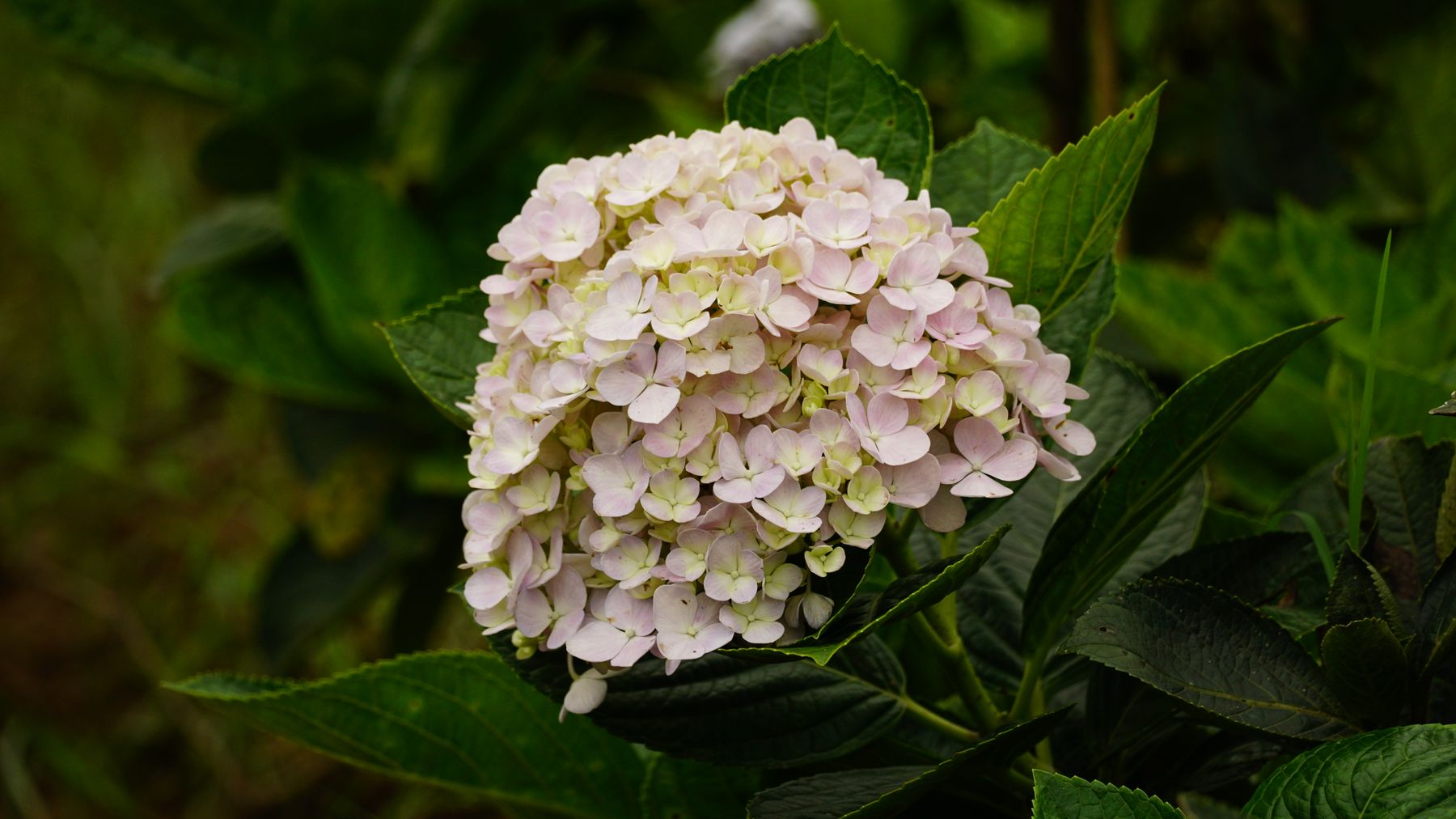
Photo by Duy Le Duc on Pexels
What to do
Walk the orchid house
The indoor orchid greenhouse is the garden's best single feature. It holds dozens of orchid varieties, many of them native to the Central Highlands. The light inside is diffused and cool — a good retreat if you visit midday. Look for "lan ho diep" (Phalaenopsis) and the rarer highland "lan rung" (wild forest orchids).
Sit by the topiary section
The southern end of the garden has sculpted hedges and flower clocks — they're kitschy, sure, but the craftsmanship is real. Vietnamese visitors love photographing here. If you're traveling during Tet, this section usually gets special holiday-themed displays.
Catch the hydrangea slopes
If you visit between December and March, the hydrangea beds on the hillside facing the lake are worth lingering over. Da Lat's "cam tu cau" (hydrangea) bloom in blues and purples that you don't see in lowland Vietnam. Early morning light is best for photos.
Check the bonsai collection
Tucked near the back of the garden, the bonsai area doesn't get as much foot traffic but has some impressive specimens — some reportedly over 100 years old. It's quiet and shaded, a good spot to sit.
Walk down to Xuan Huong Lake after
The garden's back exit leads almost directly to the lakeshore path. From there you can loop around the lake (about 5 km, flat, paved) or rent a pedal boat for around 100,000 VND per 30 minutes. It's a natural extension of a garden visit.
Where to eat nearby
Walk 10 minutes uphill from the garden toward the Da Lat central market and you'll find "banh mi" carts and "com tam" stalls. But the dish to seek out in Da Lat is "banh canh" — thick tapioca noodles in a pork-bone broth, often with crab. Banh Canh on Nha Chung Street (near the cathedral) is a reliable option, around 35,000-45,000 VND per bowl.
For coffee, Da Lat does it differently from Hanoi or Saigon. Try a "ca phe sua da" at one of the small roasters on Nguyen Chi Thanh Street — the beans are local Arabica, grown at altitude, and taste noticeably less bitter than Robusta-heavy lowland brews. A cup runs 25,000-35,000 VND.
Where to stay
Da Lat has accommodation at every price point. Near the flower garden and lake:
- Budget: Guesthouses and hostels on Phan Dinh Phung and Bui Thi Xuan streets, 200,000-400,000 VND per night.
- Mid-range: Boutique hotels around Xuan Huong Lake, 600,000-1,200,000 VND. Many have balconies with lake views.
- Splurge: Ana Mandara Villas or Terracotta Hotel, 2,000,000-4,000,000 VND. The Ana Mandara occupies restored French-era villas and is one of the better heritage stays in Vietnam.

Photo by HONG SON on Pexels
Practical tips locals would tell you
- Go early morning. The garden opens at 7:30 AM. By 10 AM on weekends it's full of tour groups. Weekday mornings are best.
- Bring a light jacket. Even in the dry season, Da Lat mornings can drop to 15°C. The garden is exposed and breezy.
- Don't touch the orchids. Staff take this seriously. The greenhouse has roped-off areas for a reason.
- Combine it with the market. The central market is a 10-minute walk and sells dried fruits, "artichoke tea" (a Da Lat specialty), and local avocados. A natural pairing for a half-day.
Common mistakes to avoid
- Visiting only the garden and skipping the lake walk. The two go together. Budget at least 2-3 hours for both.
- Coming during afternoon rain in wet season. The garden has minimal shelter. If clouds roll in around 2 PM (they will, June through October), you'll be caught in the open.
- Expecting wilderness. This is a city park, not a national reserve. If you want Da Lat's wilder highland scenery, head to Langbiang Mountain or the pine forests outside town. The flower garden is about cultivation, not untamed nature.
- Overpaying for photos. Photographers inside the garden may offer portrait sessions. Agree on price first — 50,000-100,000 VND is normal. Don't pay more than 200,000 VND.
Practical notes
Vuon Hoa Thanh Pho Da Lat is open daily from 7:30 AM to 5:00 PM. It's one of those places that rewards a slow visit — bring a book, sit on a bench, watch the light change over the lake. If Da Lat is Vietnam's cool-weather escape, the flower garden is the quietest corner of that escape.
Last updated · May 29, 2026 · independently researched, never sponsored.








