An Giang province in the Mekong Delta (메콩 델타 / 湄公河三角洲 / メコンデルタ) isn't a typical tourist circuit stop, which means accommodation is straightforward, affordable, and rarely crowded. Unlike Saigon or Hanoi, you won't find luxury tower hotels or design hostels. Instead, you get honest guesthouses, family-run mid-range hotels, and a couple of riverside properties that actually feel special. Where you stay shapes how you experience the province—whether you're chasing floating markets, temple-hopping, or just drinking coffee in a quiet delta town.
Long Xuyen: The Provincial Hub
Long Xuyen is An Giang's largest town and the most practical base. Most tourists arrive here by bus from Saigon (사이공 / 西贡 / サイゴン) (roughly 160 km, 3–4 hours), and you'll find the densest concentration of hotels and services.
Budget (under 200,000 VND/night): Small guesthouses cluster around the bus station and near the market district. Expect basic rooms with air conditioning, hot water, and Wi-Fi—nothing fancy, but clean. Places like Phuong Anh and Thanh Huong guesthouses charge 150,000–180,000 VND for a double. Staff rarely speak English, so have your hotel name written in Vietnamese if you're arriving late.
Mid-range (200,000–500,000 VND/night): The pick here is Chuong Duong Hotel, a three-story riverside property on the Can Tho River with views from upper floors. Rooms run 300,000–400,000 VND; breakfast is included, and the restaurant downstairs serves decent "com tam" and pho. Saigon Mien Tay Hotel offers similar pricing with slightly more modern furnishings—useful if you want a quick refresh before a long onward journey. Both have tour desks that can arrange trips to nearby floating markets (Cai Rang or Phong Dien markets, 30–45 km away) or Can Tho day trips.
Luxury: An Phu Resort, about 5 km outside Long Xuyen toward Chau Doc, is the closest thing to a resort. It sits on the river with a small pool, restaurant, and rooms starting around 800,000 VND. Honestly, it's a step up for the province, but not luxurious by big-city standards—think comfortable rather than opulent. Worth it if you're staying 2+ nights and want some greenery and quiet.
Why base here: Long Xuyen has the most nightlife (modest by any standard), decent restaurants, and a morning market worth a quick stroll. It's also the transit hub if you're heading to Chau Doc or Can Tho next. If you just need a clean bed and a meal, this is your spot.
Chau Doc: The Border Town
Chau Doc, 45 km north of Long Xuyen, sits on the Hau River facing Cambodia. It's smaller, quieter, and more atmospheric than Long Xuyen—a true frontier feel with floating fish farms and a large Cham Muslim population.
Budget (140,000–200,000 VND/night): Minh Duc and Chau Giang guesthouses are the standard backpacker pit-stops—narrow rooms, shared bathrooms in the cheapest options, but friendly staff and a social common area. Expect basic but acceptable.
Mid-range (250,000–450,000 VND/night): Chau Doc Hotel is the longtime traveler favorite: a proper three-story riverfront place with a ground-floor restaurant and clean, no-frills rooms. Rooms with river views cost more (400,000+ VND) and are worth it for the morning light and sunsets. Victoria Chau Doc is the upscale alternative—a colonialish boutique property with a garden, pool, and rooms at 700,000–1,000,000 VND. It's the most "resort-like" option in the province and attracts tour groups.
Why stay here: Chau Doc is slower and more photogenic than Long Xuyen. The pre-dawn floating fish-farm tours and mountain temples (Sam Mountain with Po Nagar shrine, just outside town) are the province's most memorable attractions. If you're not in a hurry, this is the better choice—a place that feels a little removed from standard delta tourism.

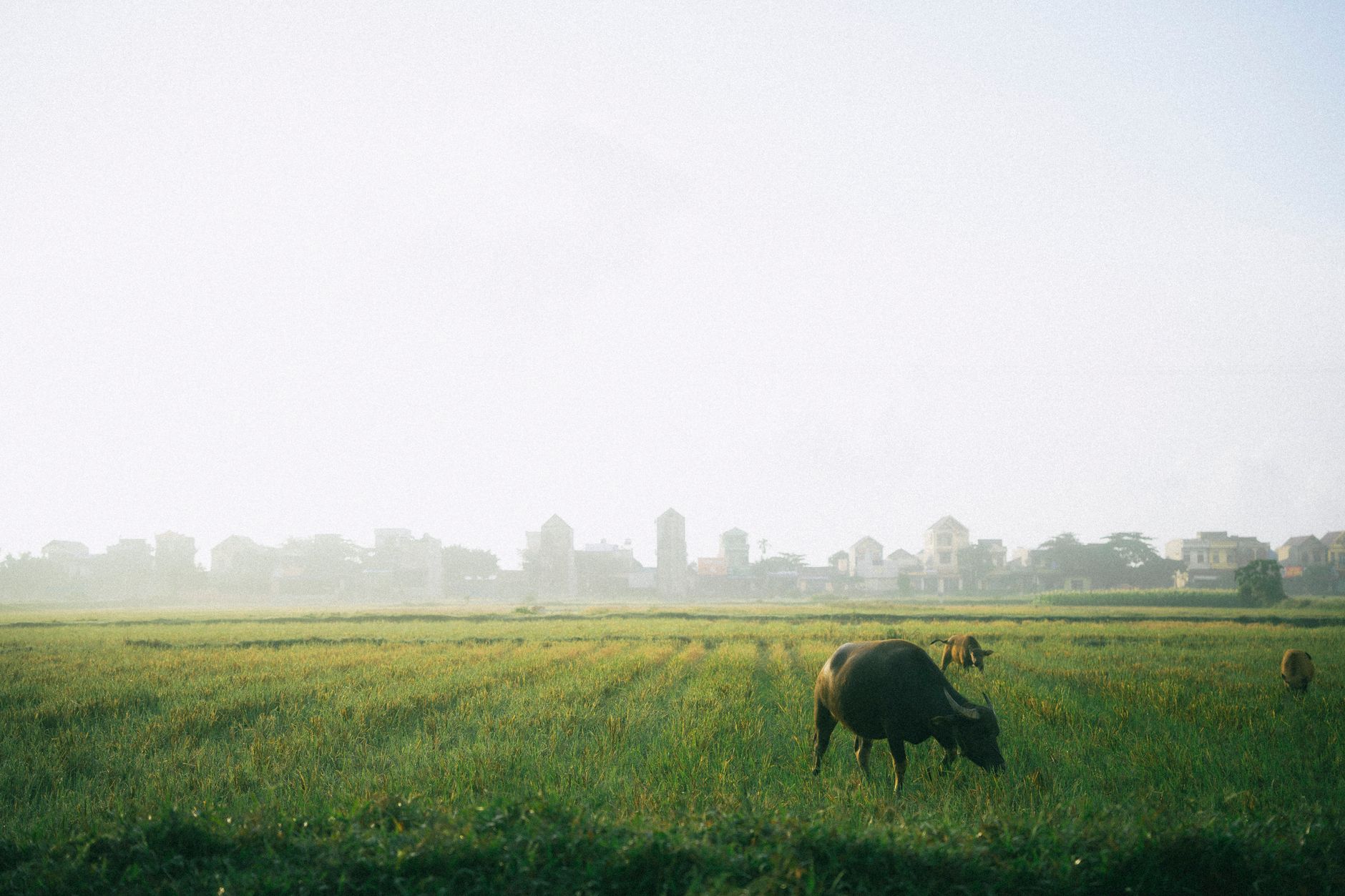
Photo by HONG SON on Pexels
Tan Chau: The Quiet Alternative
Tan Chau, 40 km west of Long Xuyen toward the Cambodian border, is barely on the tourist map. There's one main guesthouse (Tan Chau Hotel, around 180,000 VND/night for a basic double) and not much else. It's dusty, authentic, and very cheap. Only stay here if you're specifically exploring the far western delta or looking to get off any beaten path—there's little to do and limited onward transport.

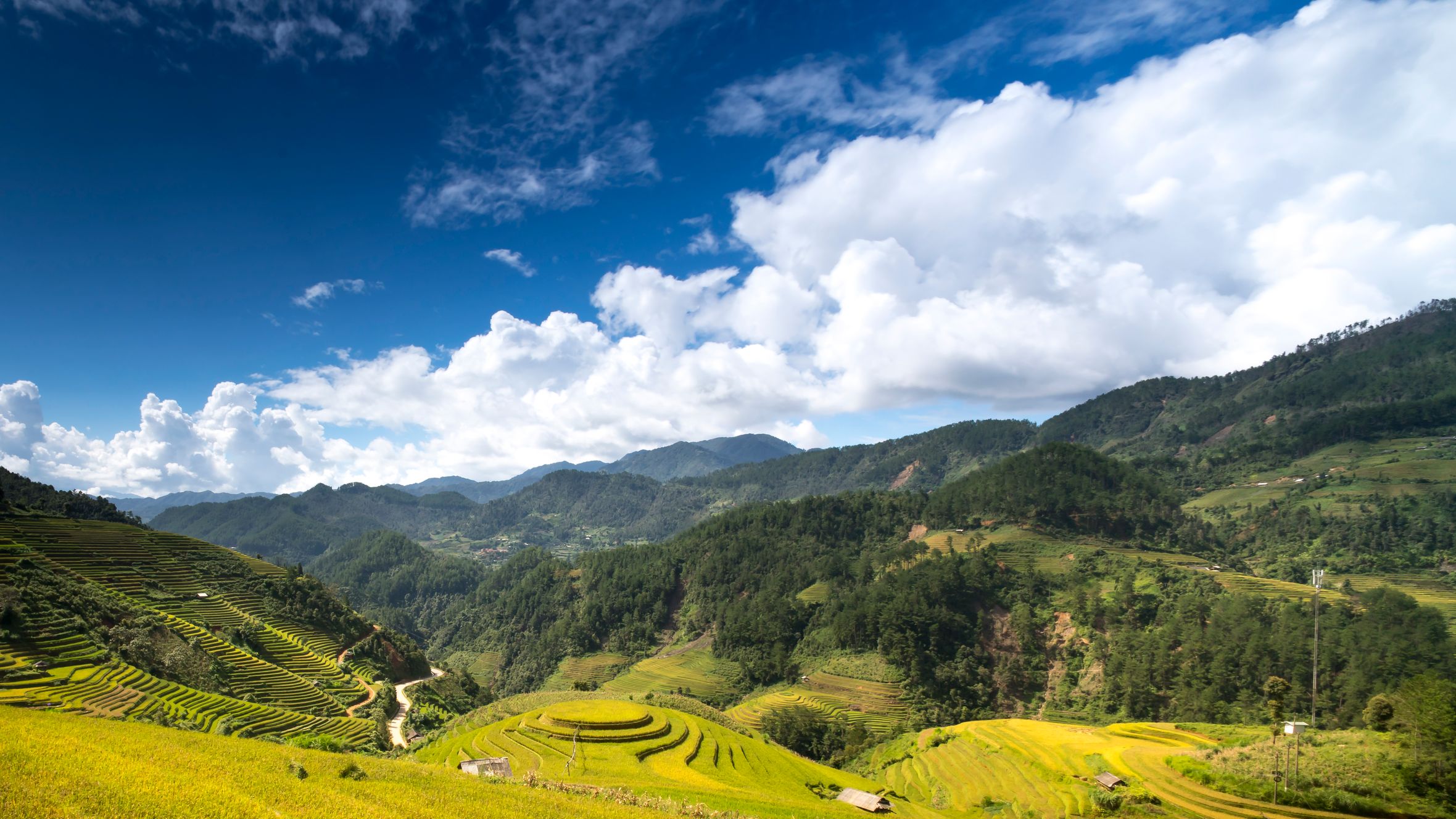
Photo by Thái Trường Giang on Pexels
Budget vs. Comfort Trade-offs
Go budget if: You're a backpacker comfortable with thin walls, squat toilets in cheaper places, minimal English, and eating street food for every meal. An Giang is cheap—150,000–250,000 VND/night is livable. You'll save money but lose convenience.
Go mid-range if: You want a proper bed, hot shower, air conditioning, and a simple restaurant without a language barrier. This is the sweet spot for most travelers—under 400,000 VND/night for something genuinely comfortable and well-located. You still feel the delta; you're just not roughing it.
Go luxury if: You're staying 2+ nights and want amenities (pool, river views, organized tours). Victoria Chau Doc or An Phu Resort are the only real options and aren't expensive by any standard, but they do make the stay quieter and more restful.
Practical Notes
An Giang has no train service, so you'll arrive by bus from Saigon (Long Xuyen Express or Mien Tay Bus Station) or Can Tho (1–1.5 hours). Most guesthouses offer onward tour bookings and can arrange drivers for local trips. Prices are fixed and negotiable only for multi-day packages. Tap water is not drinkable; bottled water costs 5,000–10,000 VND. ATMs are available in Long Xuyen and Chau Doc but not in Tan Chau. Book ahead if you're visiting during Tet / 越南春节 / テト) or the cooler months (November–January), though An Giang rarely fills up like the central coast does.
Last updated · May 29, 2026 · independently researched, never sponsored.