Van Phong Bay occupies a wide, sheltered stretch of coastline about 80 km north of Nha Trang (냐짱 / 芽庄 / ニャチャン) in Khanh Hoa province. While Nha Trang pulls in the package-tour crowds, Van Phong stays largely overlooked — not because it lacks anything, but because the infrastructure hasn't caught up yet. That's precisely the appeal.
What Van Phong Bay actually is
Van Phong Bay ("Vinh Van Phong") is one of the deepest natural bays in Southeast Asia, curving roughly 40 km along the coast with a scattering of islands, mangrove flats, and sand spits. The area falls within the old Khanh Hoa province — now expanded following its administrative merger with Ninh Thuan — and centers around the small town of Van Gia on the bay's western shore. Dai Lanh cape, the easternmost point of mainland Vietnam (베트남 / 越南 / ベトナム), marks the bay's northern edge.
For decades, there's been talk of turning Van Phong into a major economic zone or deep-water port. Some of that development is slowly happening along the southern rim, but for now, most of the bay remains fishing villages, salt flats, and empty sand. It feels like what Nha Trang probably looked like 25 years ago.
Why travelers go
People come here to do very little, and that's the point. The beaches around Dai Lanh and Doc Let (the southern end of the bay) have fine white sand and water that stays calm most of the year thanks to the bay's natural shelter. You won't find jet skis or banana boats. You will find local families grilling squid on the sand and fishermen pulling nets at dawn.
It's also a genuine detour — not a day trip bolted onto a Nha Trang itinerary. Spending a night or two here changes the rhythm of a central coast trip, especially if you're heading between Nha Trang and Quy Nhon along the coast road.
Best time to visit
March through September is the dry window. April to June tends to be ideal: warm without the peak summer heat of July–August, and the sea is calm enough for swimming and boat trips. The wet season runs roughly October to December, with November seeing the heaviest rain. January and February are cooler and can be windy, though still manageable.
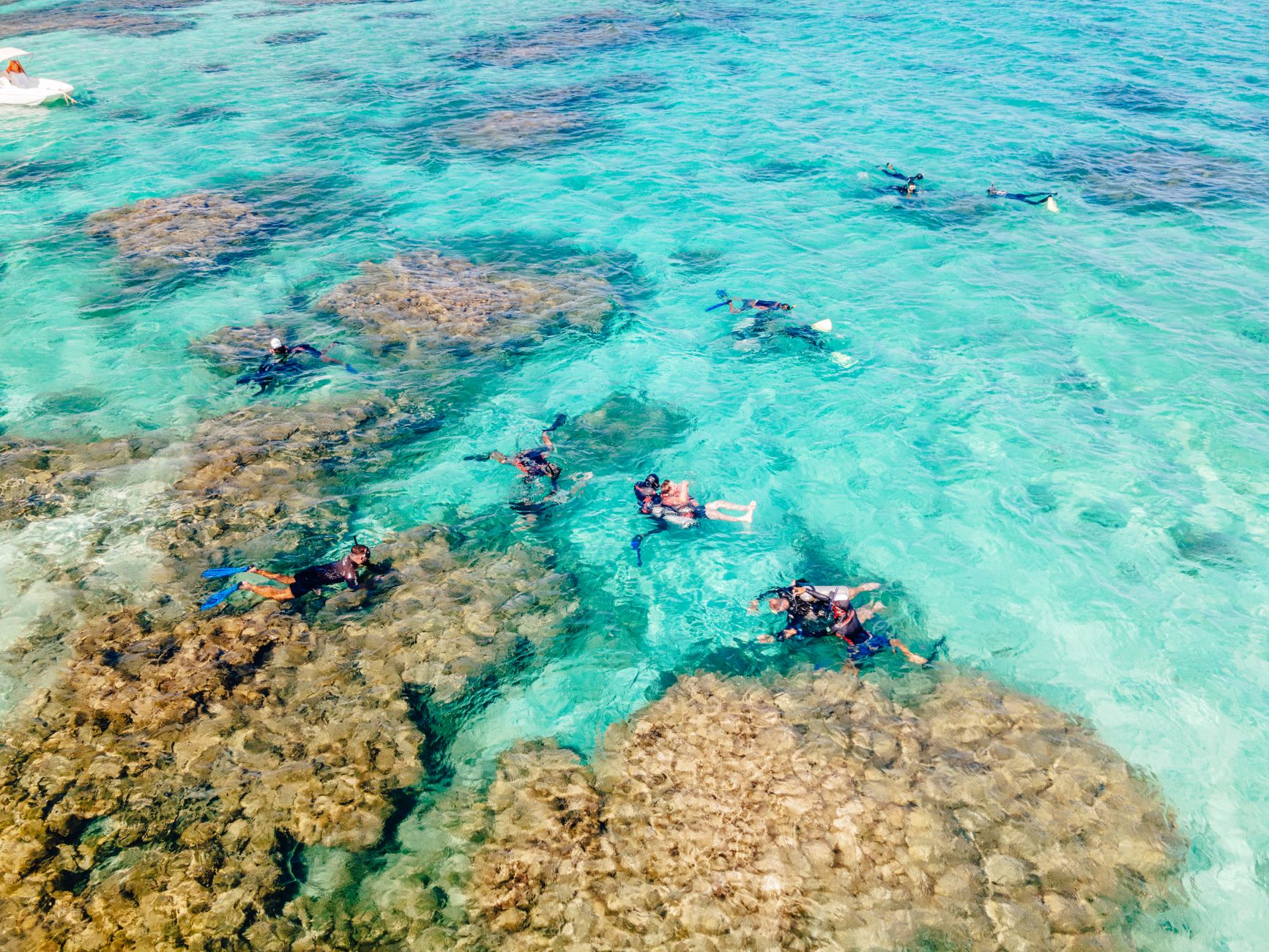
Water visibility for snorkeling is best from May to July.
How to get there
The nearest major hub is Nha Trang (Cam Ranh airport, code CXR). From Nha Trang city center, you have a few options:
- Motorbike or car via QL1A: About 80 km north, roughly 1.5–2 hours depending on traffic through Ninh Hoa town. This is the most common route. Rental motorbikes in Nha Trang run 120,000–180,000 VND/day for a semi-auto.
- Local bus: Buses from Nha Trang's south bus station head toward Van Gia and Dai Lanh. Expect around 50,000–70,000 VND and 2–2.5 hours with stops.
- Grab car: A one-way Grab from Nha Trang to the Doc Let area costs around 500,000–700,000 VND. Availability gets patchy once you're past Ninh Hoa, so arrange a return in advance or have a backup plan.
If you're coming from the north — say, Quy Nhon — the bay is about 220 km south on QL1A, a 4–5 hour drive.

Photo by 🇻🇳🇻🇳 Việt Anh Nguyễn 🇻🇳🇻🇳 on Pexels
What to do
Swim and idle at Doc Let Beach
Doc Let (sometimes spelled "Doc Let" or "Doc Let") is a long, gently curving beach on the bay's southern side. The sand is white and fine, the water shallow for a good distance out. A few basic resorts and seafood shacks line the road behind the beach. Entry to the public beach areas costs around 30,000 VND. Go on a weekday and you might have a kilometer of sand mostly to yourself.
Take a boat to Diep Son Island
Diep Son is a cluster of three small islands inside the bay, connected at low tide by a narrow sand path that sits just above the waterline. It's become mildly famous on Vietnamese social media, but it's still far from crowded. Boats leave from Van Gia pier — a round trip runs about 100,000–150,000 VND per person if you join a shared boat, or you can charter one for around 600,000–800,000 VND. The crossing takes about 30 minutes. Bring water, sunscreen, and cash — there's almost nothing on the islands.
Ride to Dai Lanh Cape and Mon Beach
Dai Lanh cape sits at the bay's northern tip, where a lighthouse marks the point that catches the first sunrise on mainland Vietnam each day. The road up is steep but paved. Below the cape, Mon Beach is a sheltered crescent of sand backed by boulders and scrub. It's quiet, a bit rough around the edges, and good for a half-day. Access is by a dirt path off the main road — look for the signs near Dai Lanh village.
Visit the salt fields near Hon Khoi
The Hon Khoi peninsula, jutting into the bay's southern entrance, has working salt fields where sea water is channeled into shallow ponds and left to evaporate. Early morning is the time to go — workers rake the crystallized salt into mounds starting around 5:00–6:00 AM. It's a real workplace, not a tourist setup, so be respectful and don't get in the way. No entry fee.
Snorkel off the islands
The water inside the bay is clearer than Nha Trang's increasingly murky shoreline. Basic snorkeling off Diep Son or from boat trips arranged in Van Gia reveals coral patches and reef fish. Don't expect Raja Ampat — but for casual snorkeling without the crowds, it's solid. Bring your own mask and snorkel; rental gear is limited and often poor quality.
Where to eat
Seafood dominates here, and it's cheap. Beachside shacks along Doc Let serve grilled prawns, steamed clams, and "banh canh" — the thick tapioca-flour noodle soup that Khanh Hoa does particularly well, often loaded with crab or fish cake. A full seafood spread for two rarely tops 300,000 VND.
In Van Gia town, look for "bun sua" — a local rice noodle dish with jellyfish, a Khanh Hoa coastal specialty you won't find easily elsewhere. It's light, tangy, and strange in the best way. Street stalls near the market sell it for around 25,000–35,000 VND a bowl.
Where to stay
Accommodation is limited compared to Nha Trang, which keeps things low-key.
- Budget: Homestays and guesthouses around Doc Let and Van Gia run 200,000–400,000 VND/night. Basic rooms, fan or air-con, usually clean enough.
- Mid-range: A handful of small resorts along Doc Let Beach offer beachfront rooms for 600,000–1,200,000 VND/night. Don't expect luxury — think tiled rooms, a pool, and proximity to the sand.
- Camping: Increasingly popular on Mon Beach and Diep Son. Bring your own gear or rent a tent through boat operators in Van Gia (around 150,000–200,000 VND/night).
Book ahead for weekends from May to August when domestic visitors arrive.

Photo by Pok Rie on Pexels
Practical tips locals would tell you
- Bring cash. Card readers are rare outside the larger Doc Let resorts. ATMs exist in Ninh Hoa town (30 km south of Van Gia) but not reliably closer.
- Sunscreen is not optional. The bay faces east and gets full morning sun with little shade on most beaches.
- Fuel up in Ninh Hoa. Petrol stations thin out once you turn off QL1A toward the coast.
- Check tides for Diep Son. The sand path between the islands only appears at low tide. Ask your boat operator about timing before you go — getting stranded for a few hours isn't dangerous, but it's boring.
Common mistakes to avoid
- Treating it as a Nha Trang day trip. The 80 km each way plus travel time eats most of a day. Stay at least one night to actually enjoy the bay.
- Expecting Nha Trang-level facilities. There's no nightlife, limited restaurants, and patchy phone signal in parts. That's the trade-off for having the beach to yourself.
- Skipping Doc Let for Diep Son only. The islands are worth seeing, but Doc Let beach is where you'll actually want to spend time swimming and eating.
Practical notes
Van Phong Bay works best as a 2–3 night stop on a coastal route between Nha Trang and Quy Nhon, or as a deliberate escape from Nha Trang's busier shores. It's not polished, and that's the whole reason to go. Come with low expectations for comfort and high tolerance for quiet — you'll leave glad you made the detour.
Last updated · May 26, 2026 · independently researched, never sponsored.