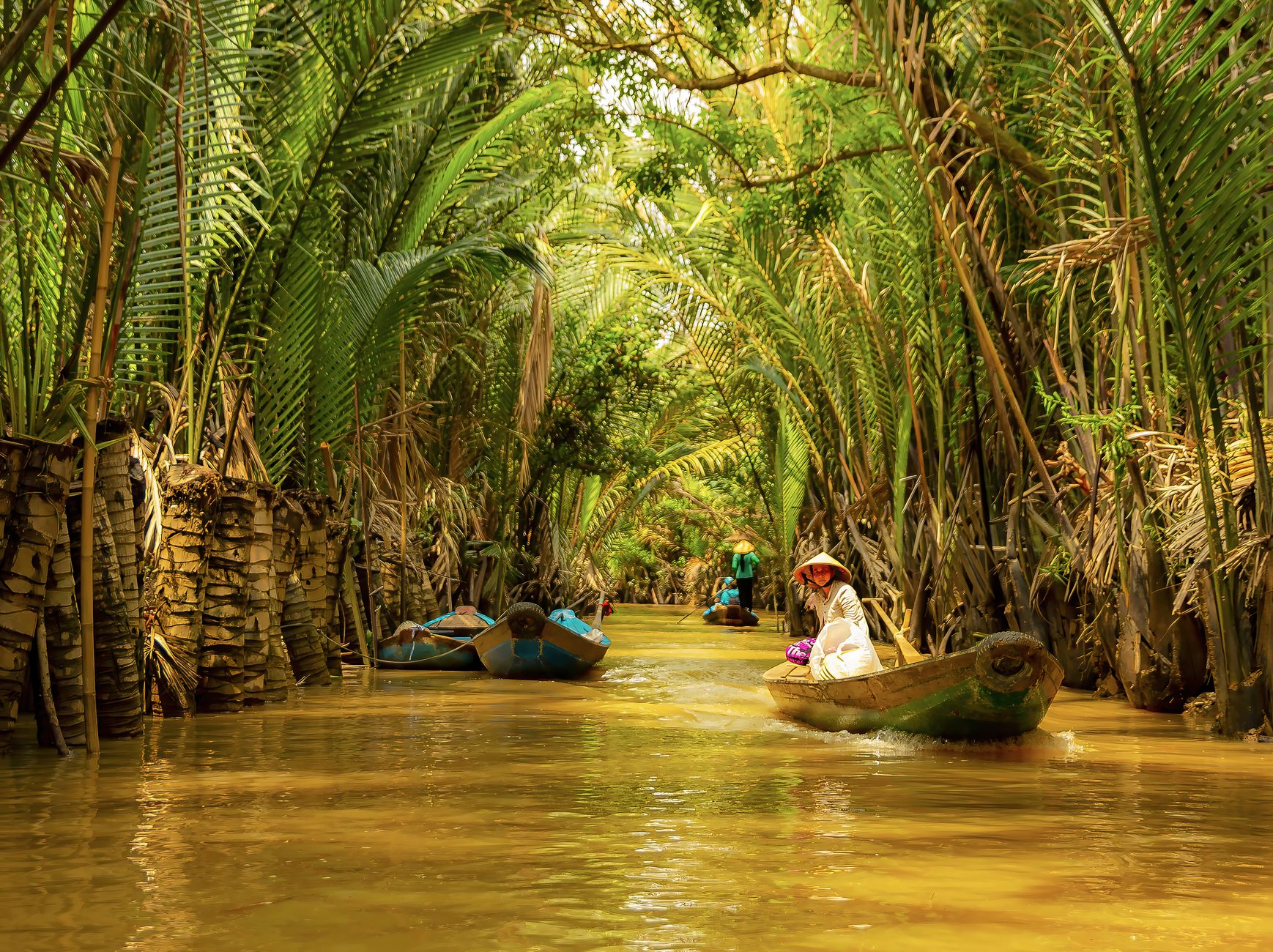
Ca Mau is the southernmost city in Vietnam, sitting at the tip of the Mekong Delta (메콩 델타 / 湄公河三角洲 / メコンデルタ) where two rivers meet. Most travelers pass through briefly—either en route to Ha Tien or as a base for boat trips through Mui Ca Mau mangrove forest. Because tourism infrastructure is light, your accommodation choices are fewer than in Hanoi or Saigon, but also more honest: prices are low, and you get what you pay for without the markup.
Unlike bigger cities, there's no "tourist district" in Ca Mau. Hotels cluster around a few main streets: Ly Tu Trong (the main north-south artery), Phan Dinh Phung (near the night market), and a few blocks near the riverside. Most of the city is residential—which is part of its charm if you want to feel like you're actually living somewhere, not passing through a tourism theme park.
Budget stays: 150,000–400,000 VND per night
The bulk of Ca Mau's accommodation sits here. These are small hotels and guesthouses, often family-run, with basic rooms: a bed, an airconditioner, a fan, a bathroom with hot water (sometimes). Expect tile floors, thin walls, and no frills.
Around Ly Tu Trong Street you'll find the densest cluster. Rooms here run 150,000–250,000 VND for a single or double. Some have street-facing windows that catch traffic noise and motorbike horns at 6 a.m.; if you're sensitive to sound, ask for a back room. Wifi is usually included but slow. Staff typically speak minimal English, so learning a few Vietnamese phrases (or having your hotel name written down on your phone) helps.
Near the riverside (along Ngo Tat To), a handful of smaller places go for 180,000–300,000 VND. The upside: quieter, sometimes a river view. The downside: farther from restaurants and the night market.
Who stays budget in Ca Mau? Backpackers on a shoestring, travelers doing the Mekong loop on the cheap, and locals visiting family. You won't have a view or a pool, but your room is clean, the bed works, and you'll save money to spend on boat tours or eating well.
Mid-range stays: 400,000–1,000,000 VND per night
Mid-range in Ca Mau means a step up in finishes and sometimes a small lobby. Rooms are larger, have better lighting, possibly a desk, and a shower that doesn't feel like a hole in the wall. Some include breakfast (usually a simple Vietnamese spread or bread with jam). A few have a restaurant downstairs.
Nguyen An Hotel and Nam Du Hotel sit in this bracket, offering 3-star amenities without the 5-star price tag. Expect a TV with cable channels (mostly Vietnamese and Thai), a minibar, and staff who've seen tourists before and speak broken English. Rooms run 500,000–800,000 VND.
A small number of mid-range places have a rooftop terrace or a restaurant facing the river, which makes a difference in a city where sunset is the main attraction. These book up faster, so reserve ahead if that matters to you.
Who stays mid-range in Ca Mau? Families, business travelers, and independent travelers who want comfort but aren't here for luxury. You'll sleep well and eat breakfast without leaving the hotel, which is useful if you're catching a early boat tour to Mui Ca Mau.
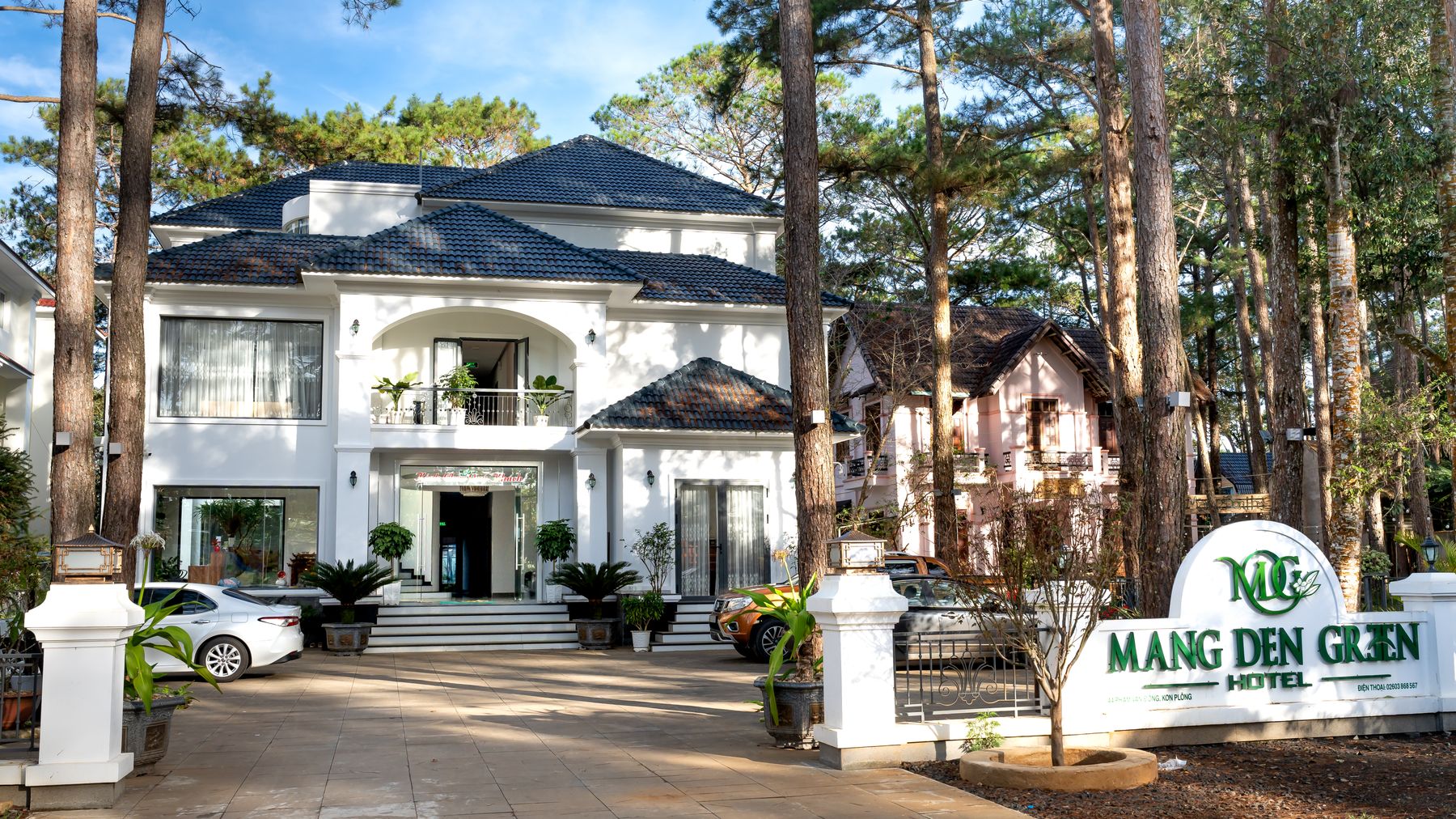
Photo by Quang Nguyen Vinh on Pexels
Luxury: 1,000,000+ VND per night
Ca Mau has very little luxury accommodation. The city isn't a resort destination, and big hotel chains haven't arrived. The closest thing is a 4-star hotel on the edge of town with a pool, air-conditioned restaurant, and elevators—nice if you want those things, but honestly out of place in Ca Mau's rhythm.
If you're seeking a high-end experience in the Delta, you're better off in Can Tho (about 150 km north) or based in Ho Chi Minh City (호치민시 / 胡志明市 / ホーチミン市) and day-tripping to Ca Mau. Those cities have proper 5-star hotels, spas, and fine dining. Ca Mau is not that kind of stop.
Which neighborhood for what?
Ly Tu Trong Street: The busiest, most convenient. Restaurants, shops, and the night market are walkable. Noisier, especially at rush hour (7–8 a.m., 5–6 p.m.). Best for: travelers who want walkability and don't mind some chaos.
Around Phan Dinh Phung: Slightly quieter, closer to the night market (Cho Dem). Good mix of budget and mid-range. More Vietnamese, fewer Western tourists. Best for: travelers who want a local feel and don't need to be on the main drag.
Riverside (Ngo Tat To area): Quietest, least touristy. A 10-minute motorbike or walk to the market. Limited dining directly in front, but you're never far from food. Best for: solo travelers or couples who value peace and a slower pace.

Photo by Alberto Capparelli on Pexels
Practical tips
Book ahead if you're arriving without a plan. Ca Mau isn't fully booked out like Hanoi or Saigon, but small hotels do fill up, especially on weekends or during festivals. A quick call or a message via Agoda/Booking.com the day before usually works.
Negotiate a discount for multi-night stays at budget places. Family-run hotels will often drop the price 10–20% if you stay 3+ nights. Ask in person, not online.
Motorbike rentals aren't always available at the hotel. Ask when you book. If not, walk or use a grab bike (Grab app). Taxis exist but are less common than in bigger cities.
Hot water isn't always guaranteed at budget places, especially early morning. If you need it, specify when booking or ask the staff to turn it on in advance.
Most hotels will arrange boat tours to Mui Ca Mau or organize transport to Ha Tien if you ask. They earn a small commission, but it's convenient and usually at the same price as booking yourself.
Bottom line
Ca Mau isn't a place you come for the hotel; you come for the mangroves, the river, and the emptiness. Pick a room that's clean and comfortable at whatever price fits your budget, then get out and explore. Luxury here would feel absurd—and fortunately, it barely exists.
Last updated · May 29, 2026 · independently researched, never sponsored.