Dak Nong is not on most Vietnam itineraries, which is precisely why it matters. The province sits in the central highlands (중부 고원 / 中部高原 / 中部高原) between Da Lat and Buon Ma Thuot, and tourism infrastructure is lean—there are no five-star chains, no backpacker enclaves, no tourist strip. What you get instead is authenticity: local guesthouses, family-run hotels, and travelers who are genuinely curious rather than checking boxes.
If you're passing through or basing yourself here for waterfall hikes, cave exploration, or coffee plantation tours, knowing where to sleep matters. The options are concentrated, prices are low, and the choice is less about luxury and more about finding a clean bed and a responsive owner.
Dak Nong City Center
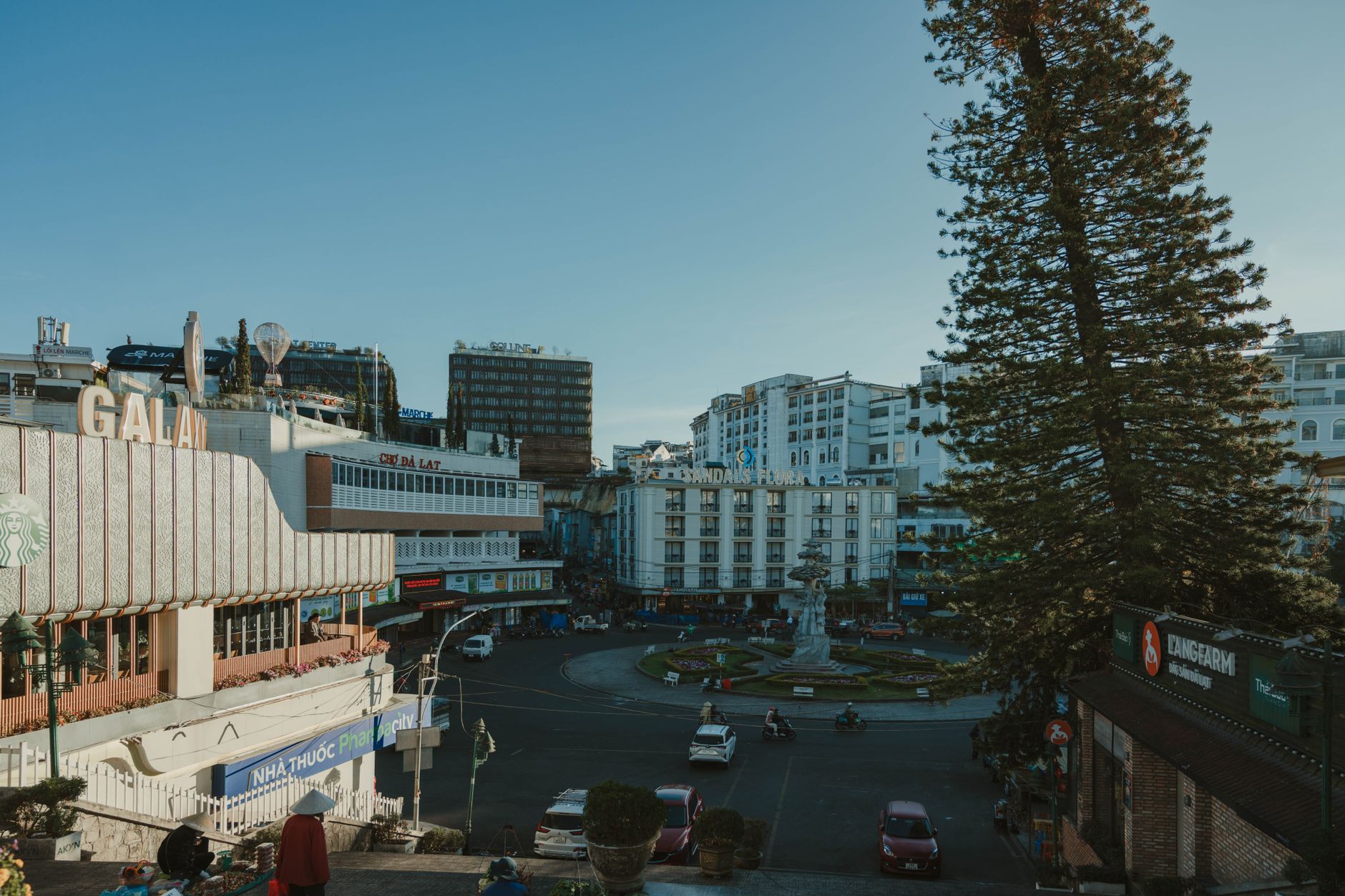
The provincial capital, Dak Nong City, is where 95% of accommodations cluster. It's a modest town—dusty during dry season, lively in the evening when families spill onto sidewalks and street food vendors set up. There's a central market, a few motorbike rental shops, and enough pho stalls to eat well cheaply. English is rare; a translation app is essential.
Budget: 150,000–300,000 VND (~$6–12)
Basic guesthouses line Nguyen Trai Street and the alleys around the market. Rooms are small, bathrooms basic, hot water may be a shared heater in the corner. These places cater to Vietnamese businessmen and are often empty by day—no tourist crowd, no noise complaints about parties. Tiles are sometimes cracked, but bedding is clean and staff are used to foreign travelers.
Expect a 24-hour front desk (crucial for motorbike rental coordination), maybe a small restaurant downstairs serving pho (쌀국수 / 越南河粉 / フォー) and com tam, and walls thin enough to hear your neighbor's conversations. Wi-Fi works intermittently. You're sleeping, not spending time in the room.
Recommended for: backpackers on tight budgets, solo travelers comfortable with minimal comfort, anyone staying only one night.
Mid-range: 300,000–700,000 VND (~$12–28)
Small hotels in the center offer actual amenities: private bathroom with consistent hot water, air-conditioning, a proper restaurant or breakfast room, and staff who speak some English (or are willing to try). Rooms have a desk, maybe a small sofa, better lighting. These are often family-owned and recently renovated.
Examples include converted colonial villas or purpose-built two- to three-story hotels. Breakfast is usually included (banh mi, sticky rice, instant noodles, fruit). Some have a small bar or lounge where you can sit with other travelers. Motorbike rental is standard; some can arrange cave or waterfall tours.
Recommended for: couples, small groups, anyone staying 2–3 nights, travelers who want to move around but value a good home base.
Luxury: 700,000+ VND (~$28–45+)
Dak Nong's "luxury" category is modest by global standards but feels spacious and well-run locally. A handful of three-star hotels offer views of surrounding hills, air-conditioning that actually works, restaurant service at breakfast and dinner, and English-speaking staff. Rooms have kettle, mini-fridge, decent bedding, and sometimes a balcony.
These hotels often cater to corporate guests from larger cities or families visiting for school holidays. They're quieter than budget options, with more predictable routines. Some offer hot tub access or small fitness areas—frills that feel substantial in a quiet highland town.
Recommended for: travelers who want comfort without pretense, families with children, anyone staying a week and wanting consistency, people exhausted from longer road trips.
Gia Nghia District (Secondary Option)
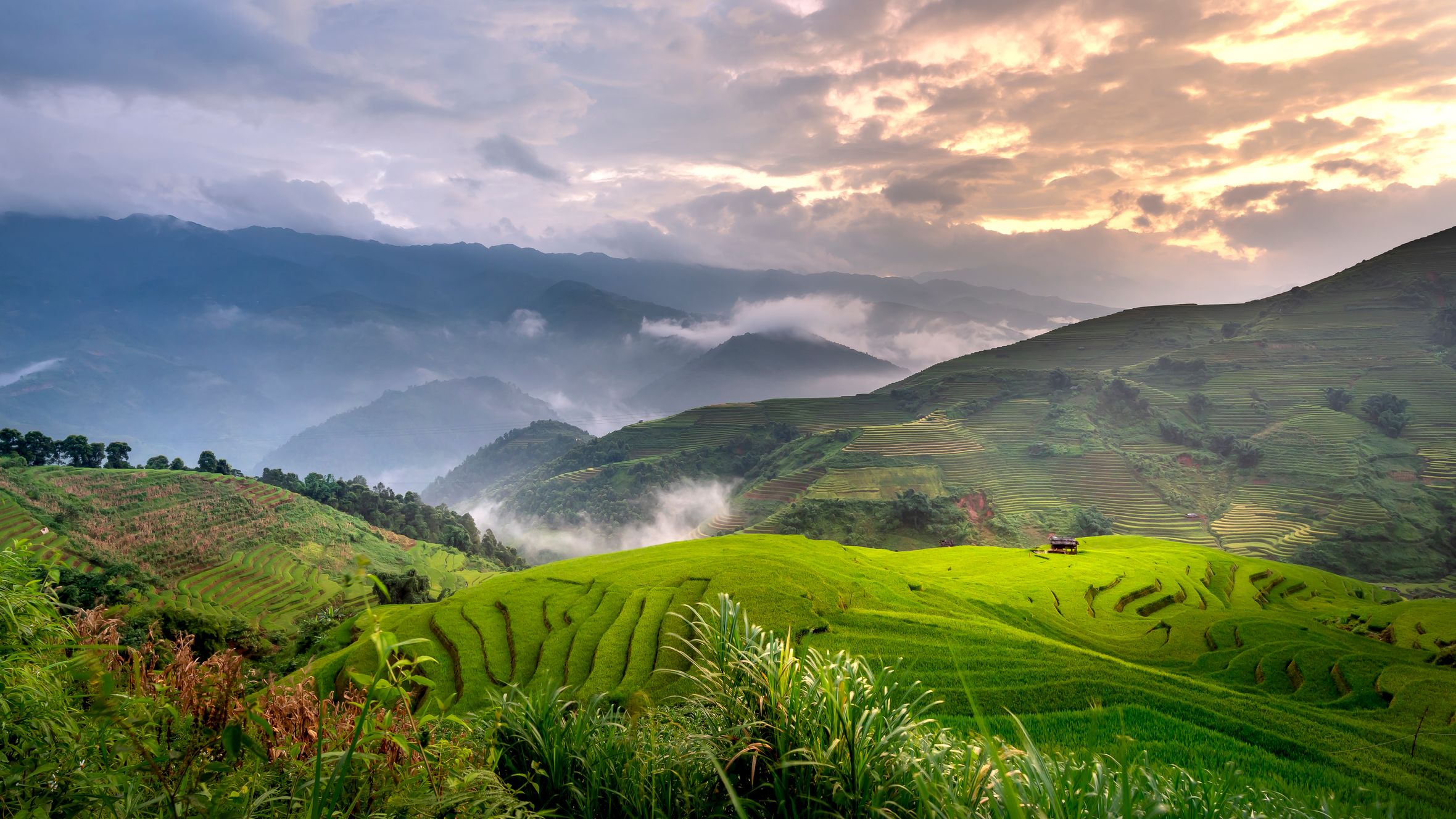
If you're exploring the province's southern reaches—near Dray Nur and Dray Sap waterfalls—Gia Nghia District is a backup. It's smaller and rougher than Dak Nong City, with fewer English speakers and sparser amenities. Guesthouses here run 150,000–400,000 VND. They're fine for a night, but Dak Nong City is a better base for most travelers.
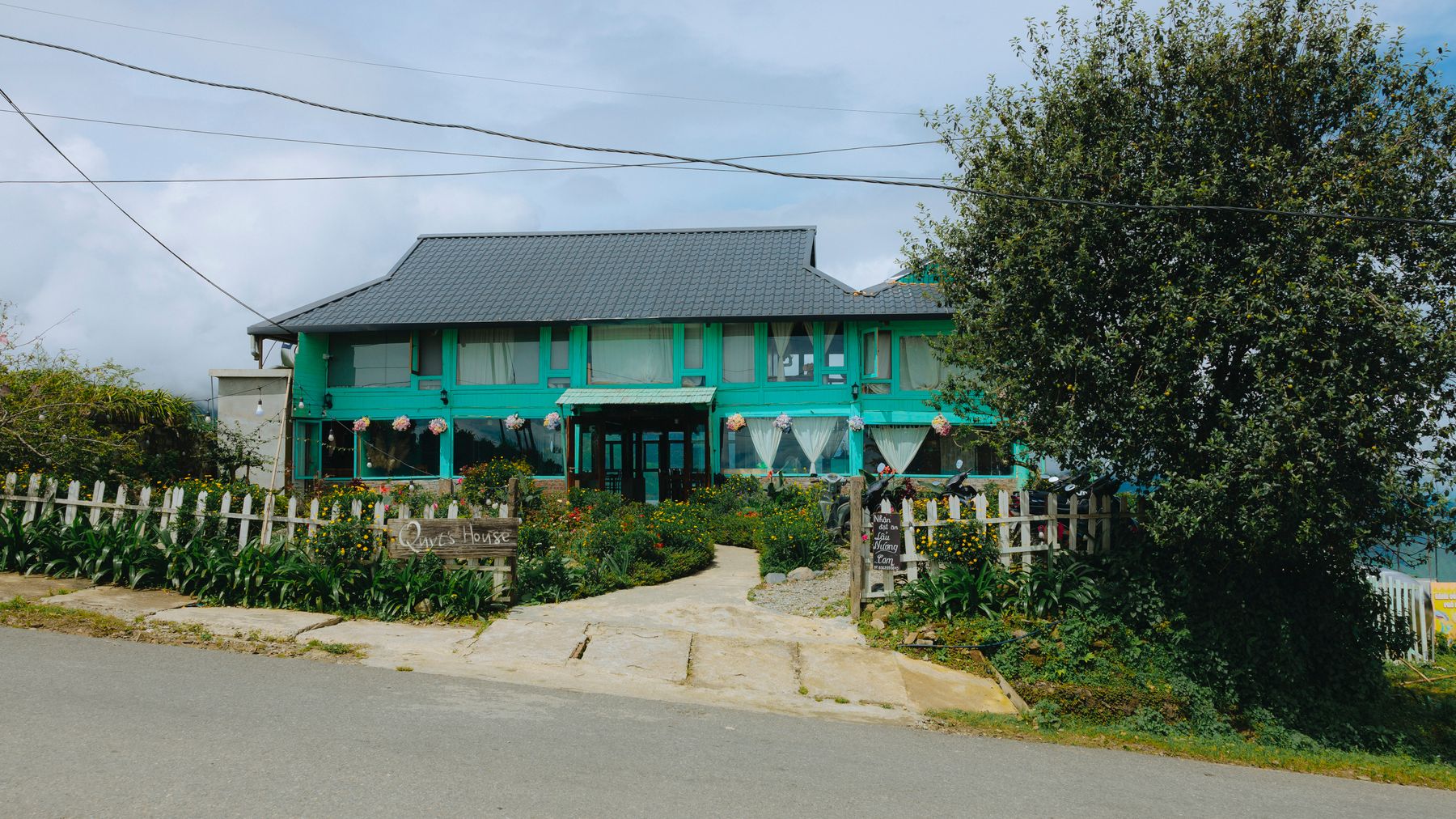
Photo by HONG SON on Pexels
Why Stay Where
You're hiking waterfalls or visiting caves: Dak Nong City is your only practical option. Guides operate from here, guesthouses can arrange transport, and you'll find petrol and supplies.
You're touring coffee plantations: Stay in Dak Nong City or (better) transit to Buon Ma Thuot, which has more tourism infrastructure and is in the heart of the coffee region.
You're passing through on a north–south loop: One night in Dak Nong City between Da Lat and Buon Ma Thuot. Budget or mid-range suffices. Book ahead if arriving after 6 p.m.; power outages and Wi-Fi drops can make last-minute booking stressful.
You're a solo traveler seeking quiet: Dak Nong attracts few Western backpackers. You won't find a backpacker bar or organized group dinners. If solitude is the appeal, mid-range hotels are quieter and friendlier than budget guesthouses.

Photo by Theodore Nguyen on Pexels
Practical Notes
Dak Nong City has no online booking presence on major platforms; most guesthouses accept walk-ins or Facebook messages. Motorbike rental costs 100,000–150,000 VND per day from most hotels. Restaurants close by 9 p.m. Bring cash (ATMs are present but can run out). Rainy season (May–September) is lush but roads flood—travel times stretch. Dry season (October–April) is ideal.
Dak Nong is not a destination in itself; it's a base for exploration. Choose a clean room close to the market, rent a motorbike, and venture into the surrounding hills. That's the appeal.
Last updated · May 29, 2026 · independently researched, never sponsored.