Khanh Hoa province is the capital of Vietnamese "yen sao" — edible bird's nest harvested from swiftlet caves along the rocky coastline near Nha Trang (냐짱 / 芽庄 / ニャチャン). If you're thinking about buying some to take home, the price gap between genuine product and tourist-market filler is enormous, and telling them apart without knowing what to look for is genuinely difficult.
Why Khanh Hoa Swiftlets Produce Premium Nests
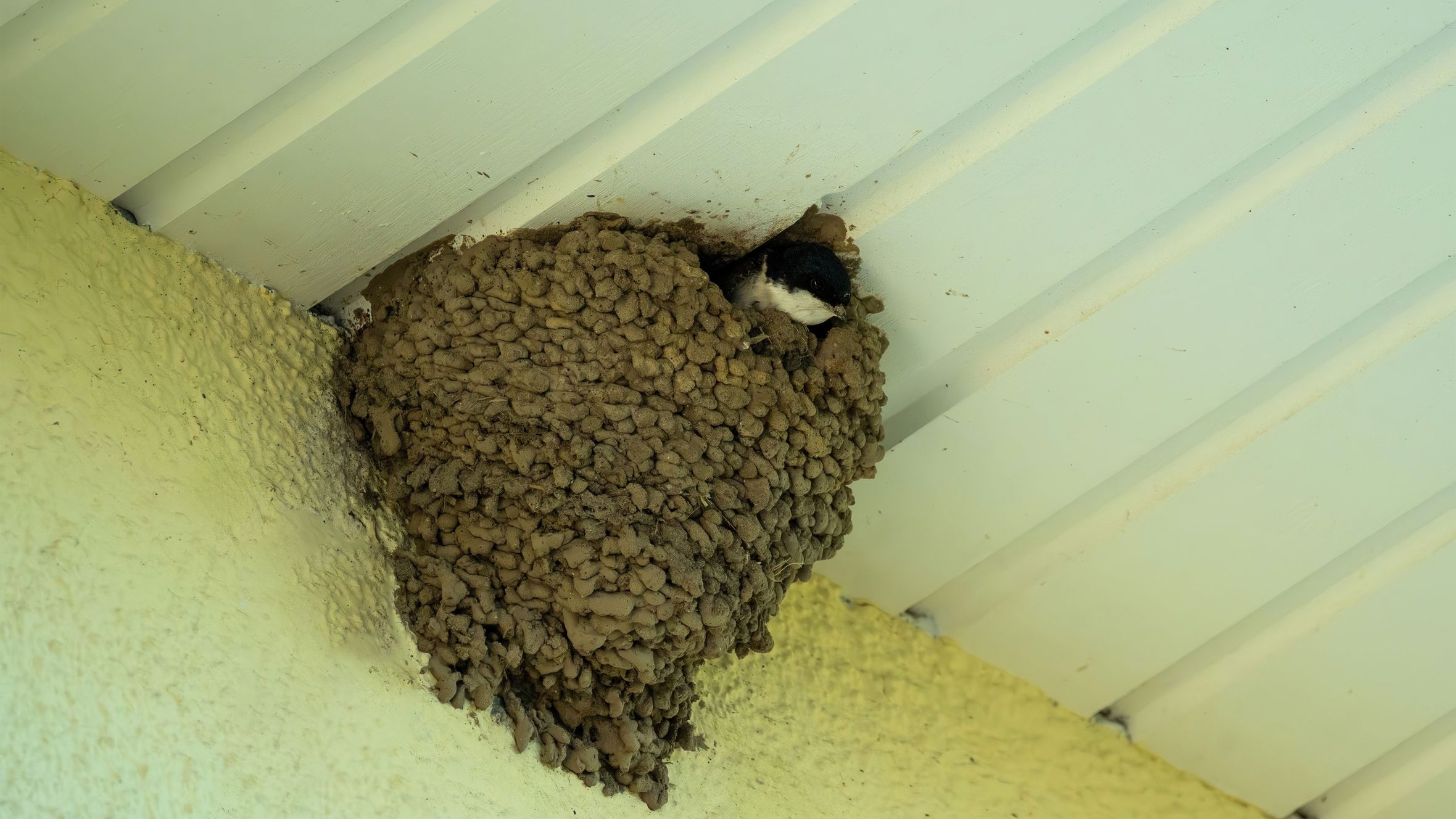
The Edible-nest Swiftlet (Aerodramus fuciphagus) builds its nest almost entirely from its own hardened saliva. These conditions produce nests that are dense, pale, and structurally intact: the traits the market rewards most.
The province accounts for roughly 70% of Vietnam (베트남 / 越南 / ベトナム)'s total yen sao output. The Khanh Hoa Salangane Nest Company (trading as Sanest) holds a state-backed concession over the primary cave systems and has harvested them under managed rotation since the 1990s, limiting collection to post-fledgling periods to protect population numbers.
How Yen Sao Is Graded
Nests are graded by shape, color, and cleanliness — in that order.
Whole nest (to nguyen) is the top tier: the cup shape is fully intact, minimal feather contamination, ivory or pale yellow in color. These command the highest prices and are what most buyers are actually after when they say they want yen sao.
Half nest or broken nest (to vo) has structural damage from harvesting or handling. Same nutrition, lower prestige, significantly cheaper.
Strips and fibers (huyet yen / mao yen) are offcuts from processing. Often sold in bulk or used in bottled drinks. Still genuine product, but not what you'd give as a gift.
Color is a secondary grading factor. White and pale gold are standard. "Blood nest" (red or red-streaked nests) were once thought to be a separate premium category — this has largely been debunked. Most red coloration comes from mineral oxidation or, in the fraud cases, artificial dye.
Real Prices: What You Should Expect to Pay
Genuine whole nests from Khanh Hoa retail at 25–70 million VND per kilogram (roughly $1,000–$2,800 USD), depending on grade and whether you're buying retail or wholesale. Anything significantly below this range in a tourist shop warrants real skepticism.
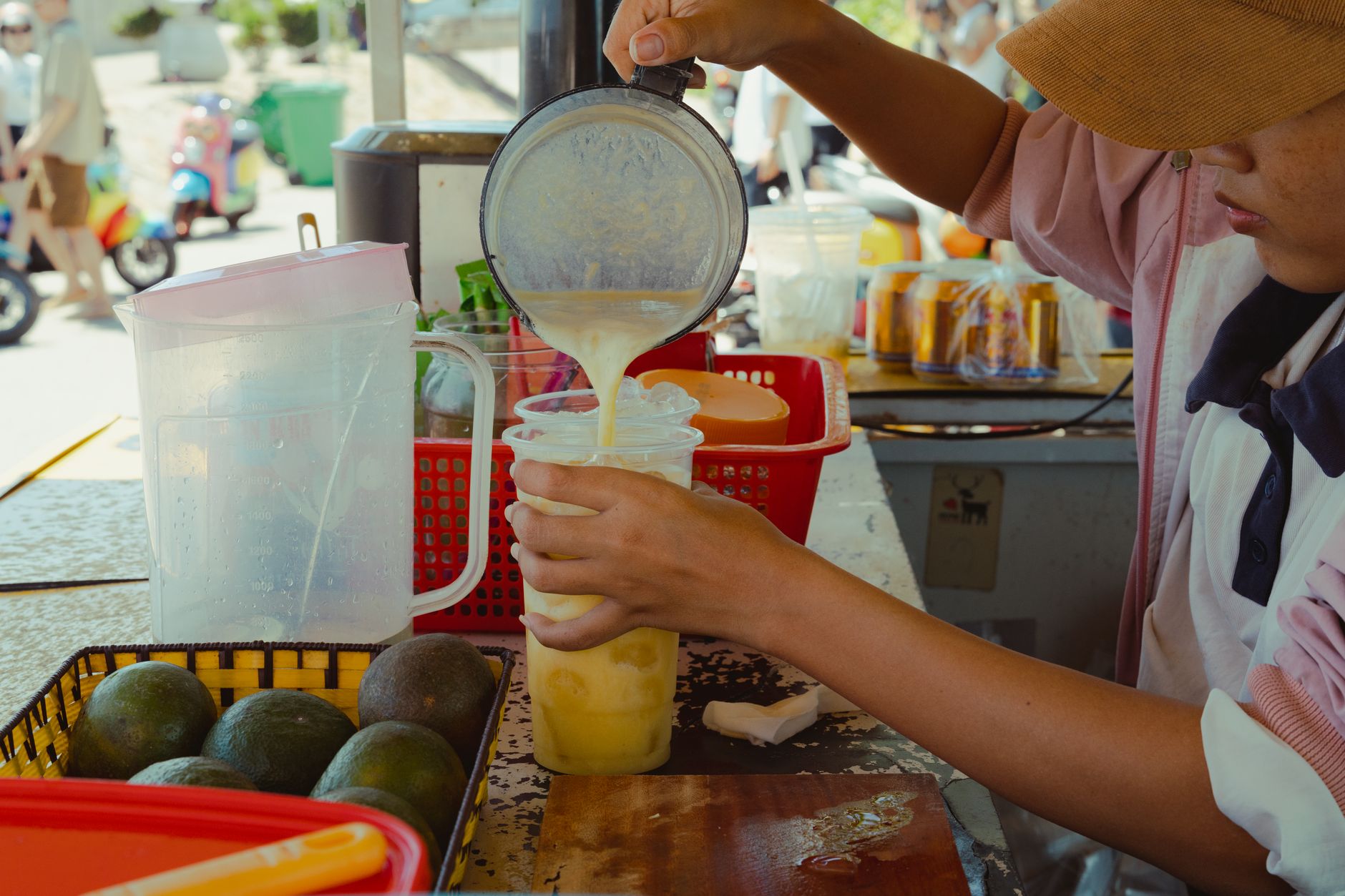
Processed yen sao products — bottled drinks, instant sachets, ready-to-eat portions — are cheaper and more accessible, running 150,000–800,000 VND per unit depending on concentration. These are fine as a souvenir or daily supplement but are not equivalent to buying dry nests.

Photo by Tuan Vy on Pexels
Common Adulteration to Know
The tourist market around Ben Thanh Market in Saigon, and souvenir strips in Nha Trang's tourist center, is saturated with adulterated product. Common methods:
- Karaya gum or tremella mushroom shaped into nest forms and dried. Visually similar to real nests but dissolves differently in water and has no detectable swiftlet protein. - Overly white nests that have been bleached. Genuine nests are off-white to pale gold; brilliant white suggests chemical processing. - Heavy feather content in lower-grade product that has been glued together with gelatin to bulk out the weight. - Dyed nests sold as premium "blood nest" at several times the price of standard product.
A basic home test: drop a small strand in warm water. Genuine yen sao will soften and expand into fine translucent fibers that hold their shape. Gum-based fakes dissolve into a uniform gel or break down without fibrous structure.
Where to Buy Legitimate Yen Sao
Two sources you can actually trust in Khanh Hoa:
Sanest (Khanh Hoa Salangane Nest Co.) operates official retail stores in Nha Trang with certified product from their own cave concessions. The flagship store on Tran Phu Street sells dry nests, processed drinks, and gift boxes. Products carry government traceability codes. This is the safest retail option for visitors.
Nutifood's Yen Sao Khanh Hoa line is a licensed partnership using Khanh Hoa-sourced nests. More widely available in supermarkets across Vietnam (Co.opmart, Winmart) if you want to buy after you've left the province.
Avoid shops adjacent to the major tourist piers or anywhere a vendor is pushing hard on price negotiation — legitimate yen sao sellers don't negotiate much, because the raw material cost is fixed.

Photo by Nimit N on Pexels
How to Prepare Yen Sao at Home
Dry nests need soaking before use. Place one whole nest (about 3–5 grams) in room-temperature water for 30–40 minutes until it expands and softens. Pick out any remaining feathers with tweezers — this is tedious but necessary. Rinse gently.
The standard preparation is a simple double-boiled sweet soup: combine the softened nest with 200ml water, 1–2 tablespoons rock sugar, and optionally a few dried longan or a pandan leaf. Steam in a covered ceramic bowl over boiling water (not direct heat) for 20–25 minutes. The nest should be tender but still have slight resistance — overcooked yen sao goes glassy and loses texture.
Some households add a drop of rose water or serve it chilled. Beyond that, the preparation is intentionally minimal. The nest itself is the point.
Bring a printed or phone copy of the Sanest store address if you're arriving by taxi from the airport — drivers sometimes default to commission-based souvenir shops for uninformed tourists. Dry nests can be packed in carry-on luggage with no customs issues departing Vietnam, though you'll want to check import rules for your home country (Australia and some EU countries restrict animal-product imports). Budget for the real price; if someone quotes you 5 million VND per kilogram for whole nests, walk away.
Last updated · Sep 5, 2026 · independently researched, never sponsored.