What Bai Tranh is — and isn't
Bai Tranh sits on the eastern side of Hon Mun island, roughly 10 km southeast of Nha Trang (냐짱 / 芽庄 / ニャチャン)'s shoreline in Khanh Hoa province. It's a narrow crescent of sand backed by boulders and fringed by shallow coral reef — part of the Hon Mun Marine Protected Area, which has been monitored for reef health since the early 2000s.
The name translates loosely to "Picture Beach," and you'll see why when you arrive: the water shifts between greens and blues depending on the tide, and the rocks frame the cove like a postcard. That said, this is not a wide, lounging-all-day beach. It's compact, coral-focused, and best treated as a snorkeling stop rather than a full beach day destination.
Most visitors encounter Bai Tranh as one stop on a Nha Trang island-hopping boat tour. But it's worth understanding the place on its own terms before you book.
Why travelers go
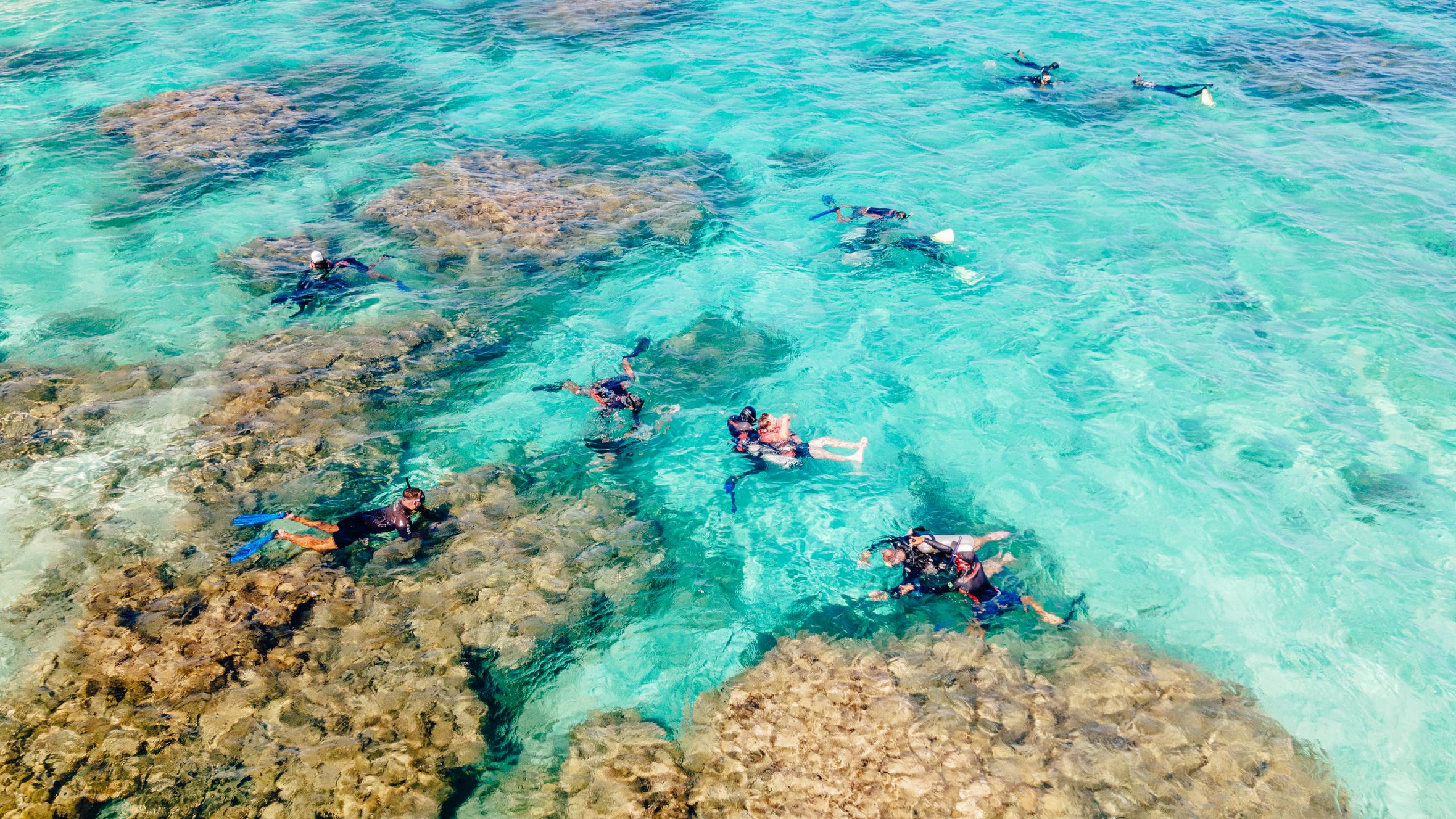
The draw is underwater. Bai Tranh has some of the most accessible coral viewing near Nha Trang — you can wade in from the beach and be over live reef within 30 meters. Visibility on a calm day runs 8-15 meters, which is decent for inshore Vietnamese waters. Expect parrotfish, clownfish, sea urchins, and if you're patient, the occasional small reef squid.
Above water, the rocky headlands on either side of the beach make for good scrambling and photos. There's a wooden boardwalk and viewing platform built into the hillside that gives you a wide-angle look at the cove.
It's also one of the few spots near Nha Trang where you're not surrounded by jet skis and parasailing operations. The marine protected status keeps things relatively low-key, though it gets crowded midday when the group tours arrive.
Best time to visit
The dry season from January through August is your window. March to June is the sweet spot — seas are calm, rain is rare, and underwater visibility peaks. July and August bring more domestic tourists and choppier afternoons.
Avoid October through December. This is Khanh Hoa's monsoon period, and boat operators frequently cancel island trips due to rough seas. Even if you get out there, stirred-up sediment kills the snorkeling visibility.
Water temperature stays warm year-round (26-29°C), so you won't need a wetsuit.
How to get there from Nha Trang
Bai Tranh is only reachable by boat. You have two options:
Group island-hopping tour
The most common route. Dozens of operators along Tran Phu beach road sell day tours that hit 3-4 islands including Hon Mun. Prices range from 150,000-350,000 VND per person depending on what's included (lunch, snorkeling gear, guide). Tours typically depart at 8:30-9:00 AM from Cau Da port and return by 4:00 PM. The boat ride to Hon Mun takes about 30-40 minutes.
Private speedboat or charter
Book through your hotel or directly at Cau Da port. A private speedboat for 4-6 people runs 1,200,000-2,000,000 VND for the day. This lets you arrive early — before 9:00 AM — when you'll have the beach mostly to yourself. Worth it if you're serious about snorkeling.
There's also an entrance fee of 30,000-50,000 VND for the marine protected area, sometimes included in tour prices, sometimes collected separately at the island.

Photo by Nguyên Đoàn on Pexels
What to do
Snorkel the reef shelf. Bring your own mask and snorkel if you can — rental gear from tour boats is often scratched and leaky. Swim to the left side of the beach where the rocks meet the water. The coral is denser there, and you'll avoid the crowd splashing around in the middle.
Walk the boardwalk trail. A short wooden path leads up and over the rocky headland to a viewpoint. It takes about 15 minutes round trip and gives you a perspective of the cove that works well in morning light.
Glass-bottom boat ride. For non-swimmers, operators at the beach offer glass-bottom boat trips over the reef for around 50,000-80,000 VND. The glass panels are often scratched, but you'll still see the reef structure and larger fish.
Photograph the boulder formations. The granite rocks on the south end of the beach are stacked in unusual shapes. Early morning or late afternoon light makes them worth the effort.
Just sit. Seriously. There are a few plastic chairs and hammocks set up under trees near the beach. Between 7:30-9:00 AM and after 2:00 PM, the crowd thins out and the cove gets quiet.
Where to eat nearby
You won't find restaurants on Bai Tranh itself — just a small kiosk selling drinks and instant noodles. Most group tours include a set lunch on a different island or back on the boat.
If you're doing a private trip, eat before or after in Nha Trang. Two things worth seeking out:
"Bun ca" (fish noodle soup) — Nha Trang's signature bowl. Try Bun Ca 68 on Nguyen Thi Minh Khai street. A bowl runs about 35,000-45,000 VND and comes loaded with mackerel, jellyfish, and herbs. It's the kind of dish that tastes like the coast.
"Nem nuong" (grilled pork sausage rolls) — another Nha Trang staple. Nem Nuong Dang Van Quyen on Ly Tu Trong has been doing this for decades. Expect to pay around 60,000-80,000 VND for a full set with rice paper, herbs, and dipping sauce.
For seafood, the cluster of restaurants along the north end of Tran Phu serve fresh catch priced by weight. Budget 200,000-400,000 VND per person depending on what you order.
Where to stay
You'll base yourself in Nha Trang. Options across every price range:
- Budget: Guesthouses and hostels around Nguyen Thien Thuat street, 150,000-350,000 VND per night. Basic but walkable to Cau Da port.
- Mid-range: 3-star hotels along Tran Phu, 500,000-1,200,000 VND. Most will book island tours for you at the front desk.
- Upscale: The beach resorts south of the city center, from 2,000,000 VND up. Some include private boat excursions.

Photo by Quang Nguyen Vinh on Pexels
Practical tips locals would tell you
- Arrive early or stay late. The group tours all hit Bai Tranh between 10:00 AM and 1:00 PM. Outside that window, the beach is a different place.
- Bring reef-safe sunscreen. The marine protected area technically requires it, and enforcement is inconsistent, but the coral is worth protecting.
- Wear water shoes. The beach has coral fragments and sea urchin spines in the shallows. Flip-flops won't cut it.
- Bring cash. There's no ATM on the island. The kiosk and any services are cash-only.
- Check the weather the night before. If there's a small craft advisory, your trip will be cancelled regardless of how clear the sky looks from your hotel.
Common mistakes to avoid
Booking the cheapest group tour. The 150,000 VND tours pack 40-50 people on a boat and rush through each stop with 20-30 minutes on the beach. You'll spend more time on the boat than in the water. Pay a bit more for a smaller group or go private.
Skipping snorkeling gear. Some visitors show up expecting to just swim. Without a mask, you're missing the entire point of Bai Tranh. The beach itself is fine but small — the reef is the main event.
Standing on the coral. This happens constantly and it's the fastest way to damage the reef. If you can't float comfortably, wear a life jacket. The tour operators provide them.
Expecting a resort beach. Bai Tranh is a marine park stop, not a Da Nang beach. There are no sunbeds, no cocktail service, no DJ. Adjust expectations and you'll enjoy it more.
Practical notes
Bai Tranh works best as a half-day trip from Nha Trang, paired with one or two other island stops. If you're spending several days in Khanh Hoa, it's an easy addition to a schedule that might include Po Nagar towers in the morning and seafood on the waterfront at night. Just don't expect an all-day beach — expect a reef with a small, pretty beach attached.
Last updated · May 26, 2026 · independently researched, never sponsored.





