— HẾT —
Cập nhật lần cuối · May 30, 2026 · nghiên cứu độc lập, không tài trợ.
We use minimal analytics + ads (no personal tracking). See our privacy policy.
QR-code payments are everywhere in Vietnam, from street pho stalls to supermarkets. Here's what tourists can actually use — and what requires a local bank account.

Cập nhật lần cuối · May 30, 2026 · nghiên cứu độc lập, không tài trợ.
Bài viết khác trong vùng này.

Vietnam's wellness scene has matured fast. Here's how to spend 7 days across four retreats — Hoi An, Da Lat, Phu Quoc, and Mai Chau — depending on your pace and budget.

…
Hotels, homestays, hostels — strongest inventory in Vietnam.
Locals live on Zalo, tourists default to WhatsApp — here's why that gap matters and how to bridge it before your trip.

Thousands of foreigners teach English or freelance in Vietnam on tourist visas. Here is what Vietnamese law actually says, when it gets enforced, and how to do it properly.
More articles from the same category.
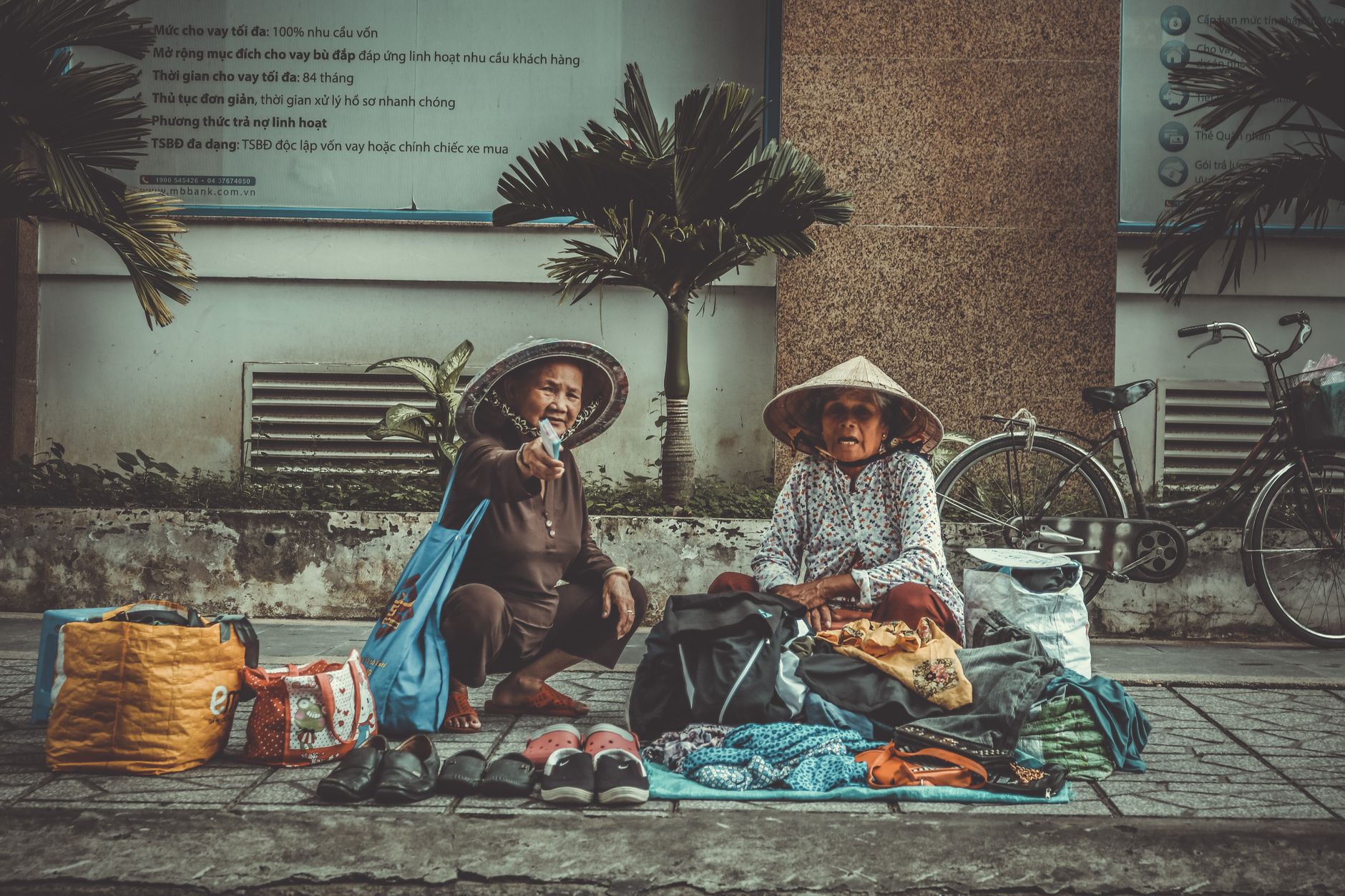
Forget the heavy gear. Packing for the Mekong Delta is about managing humidity, protecting your skin, and staying mobile on the water.

Winter in the north is damp, grey, and surprisingly chilly. Forget the tropical gear and pack for layering to survive the humidity.
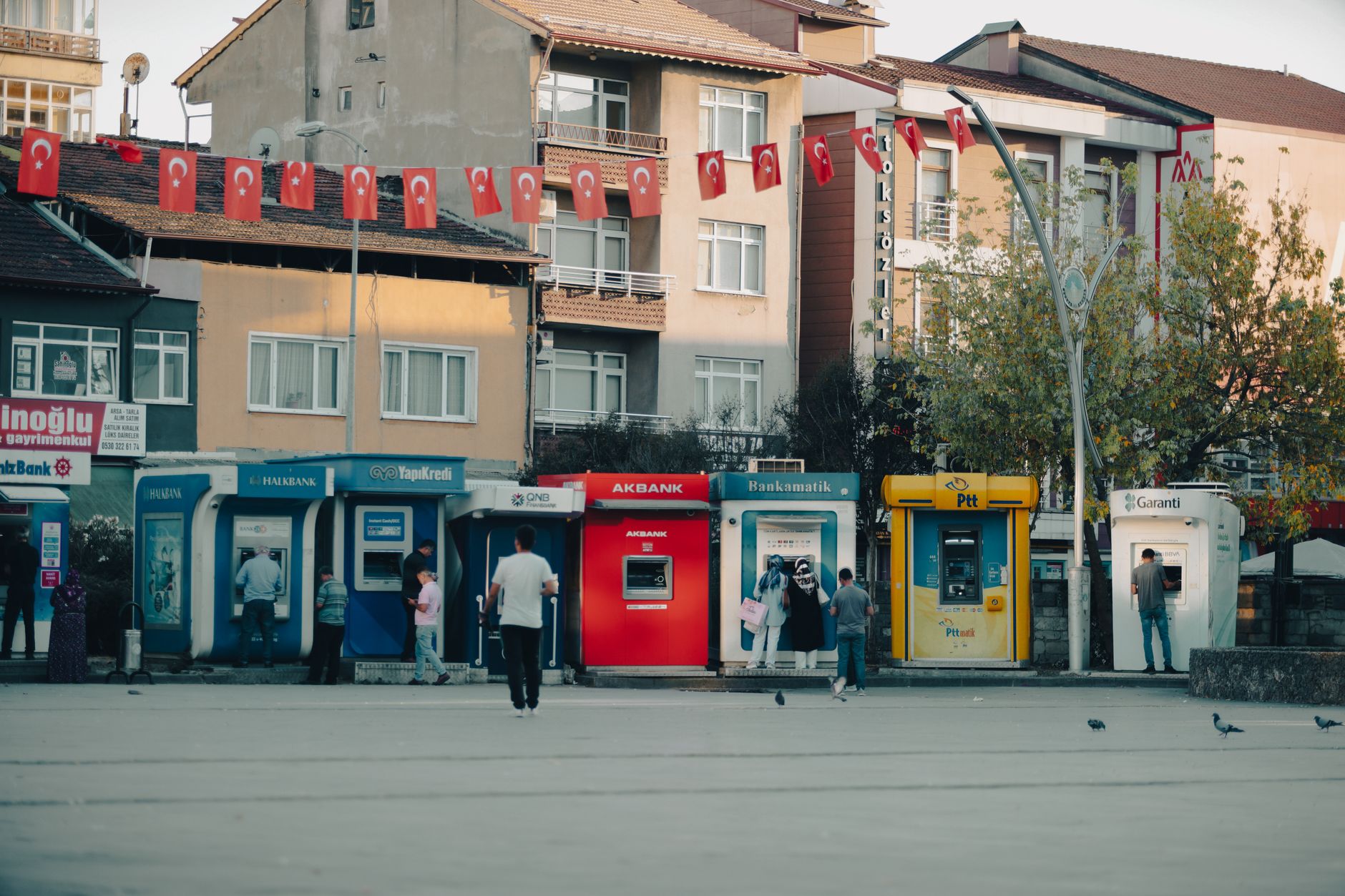
The Wise debit card works well in Vietnam if you know the fee structure. Here's how to use it at ATMs and merchants without losing money on bad rates.
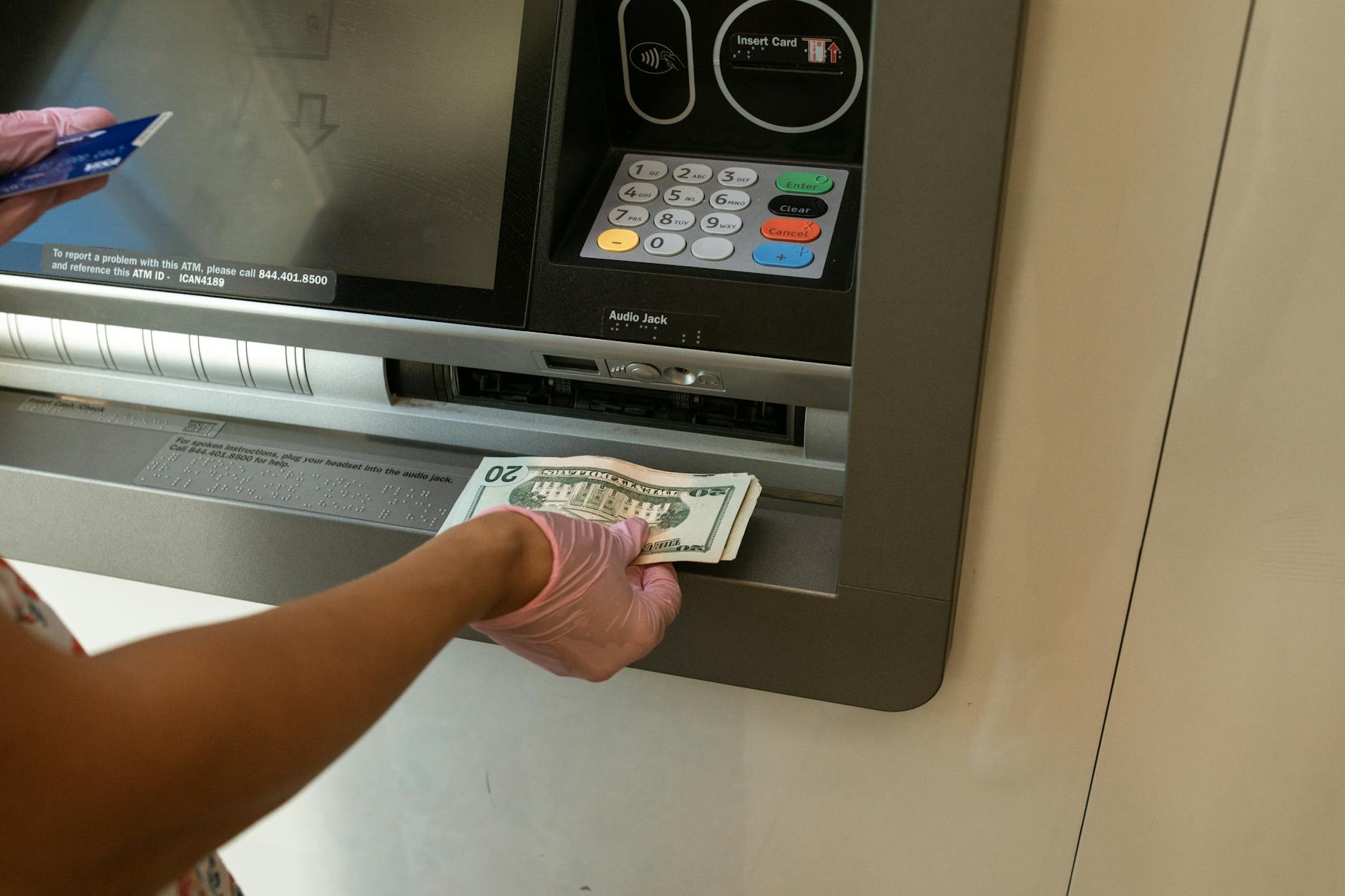
Vietnam runs on dong, but there are real situations where USD cash matters. Here is where you can actually pull USD from an ATM or bank counter.

Wise works for sending VND to Vietnamese banks, but the process has quirks. Here's what fees to expect, which banks receive fastest, and why transfers get rejected.
Fees, speeds, and bank coverage compared for the three most-used international transfer services into Vietnam — so you pick the right one before you send.
Vietnam (베트남 / 越南 / ベトナム) has moved fast on cashless payments. Walk into a "banh mi" shop in Hanoi, a "com tam" joint in Saigon, or a coffee stall in Da Lat, and there's a good chance a QR code is propped up next to the register. The infrastructure is real and it works — but whether you as a tourist can tap into it depends on a few practical details worth knowing before you arrive.
VietQR is a national QR payment standard introduced by the State Bank of Vietnam and rolled out across virtually all Vietnamese banks. When a vendor displays a VietQR code, a customer scans it with their mobile banking app, the amount populates automatically (or they enter it manually), and the transfer clears within seconds. There are no card fees, no processing middlemen — it's a direct bank-to-bank transfer.
For locals, it's frictionless. Most Vietnamese people have a domestic bank account linked to apps from Vietcombank, Techcombank, MB Bank, VPBank, or one of a dozen other lenders. They scan, confirm, done. The vendor gets a notification sound — often a cheerful chime — and the transaction is complete before you've picked up your bowl of "pho".
The catch for tourists: VietQR requires a Vietnamese bank account. You cannot scan a VietQR code with Revolut, Wise, or your home banking app and expect it to work. The standard only talks to domestic Vietnamese banking infrastructure.
Technically, yes. Practically, it's more hassle than most short-term visitors want. Some banks — Techcombank and VPBank in particular — have opened accounts for foreigners holding a valid passport and a temporary residence card (the stamp you get at immigration). The process takes 30–60 minutes at a branch and requires you to deposit a small opening balance, typically around 50,000–100,000 VND.
If you're staying in Vietnam for more than a month and want full access to the local payment ecosystem, it's worth doing. If you're here for two weeks bouncing between Hoi An and Ha Long Bay, it probably isn't.
"MoMo" is Vietnam's dominant e-wallet, and it operates slightly outside the VietQR bank-transfer model. You load money into a MoMo wallet rather than linking directly to a Vietnamese bank account — which matters because MoMo has, at various points, allowed foreigners to register using a passport number.
The registration process changes periodically, so check the current requirements when you arrive. As of recent updates, foreigners can create a basic MoMo account with a Vietnamese SIM card and passport. The basic account has transaction limits (around 20 million VND per month), but that's plenty for street food runs and cafe payments.
Once registered, you top up MoMo using cash at any MoMo agent (marked with a pink logo — you'll see them everywhere in Saigon (사이공 / 西贡 / サイゴン) and Hanoi), at convenience stores like Circle K or GS25, or in some cases via international card. Then you scan vendor QR codes the same way locals do.
MoMo is accepted at an enormous range of places: grocery chains like Co.op Mart and WinMart, pharmacy chains, ride-hailing services, and a growing number of street food stalls — especially in cities. It won't work at the random "banh xeo" lady outside Ben Thanh Market who only takes cash, but it covers more ground than you'd expect.

Photo by Jack Sparrow on Pexels
ZaloPay is MoMo's main competitor and works on a similar e-wallet model. It's integrated with Zalo, Vietnam's dominant messaging app (think WhatsApp, local edition), which means it has wide adoption among younger Vietnamese. Foreigners can also register ZaloPay with a passport and Vietnamese phone number.
In practice, MoMo has broader merchant acceptance, but if you're already using Zalo to communicate (handy for booking homestays or messaging local guides), having ZaloPay linked in the same app is convenient.
Be realistic about where QR payment works versus where cash still rules:
QR pay works reliably at: supermarkets and convenience stores, mid-range and upscale restaurants, coffee chains (Highlands, The Coffee House, Phuc Long), pharmacies, Grab and Be ride-hailing in-app payments, and many accommodation bookings.
Cash is still king at: wet markets, most street food stalls outside major cities, rural guesthouses, local bus tickets, small temples, and anywhere without a visible QR code on the counter.
In Hanoi's Old Quarter or Saigon's District 1, you'll find QR codes surprisingly often — even at casual "bun cha" spots. Head to Ninh Binh or a smaller town in the north and cash dominates completely.
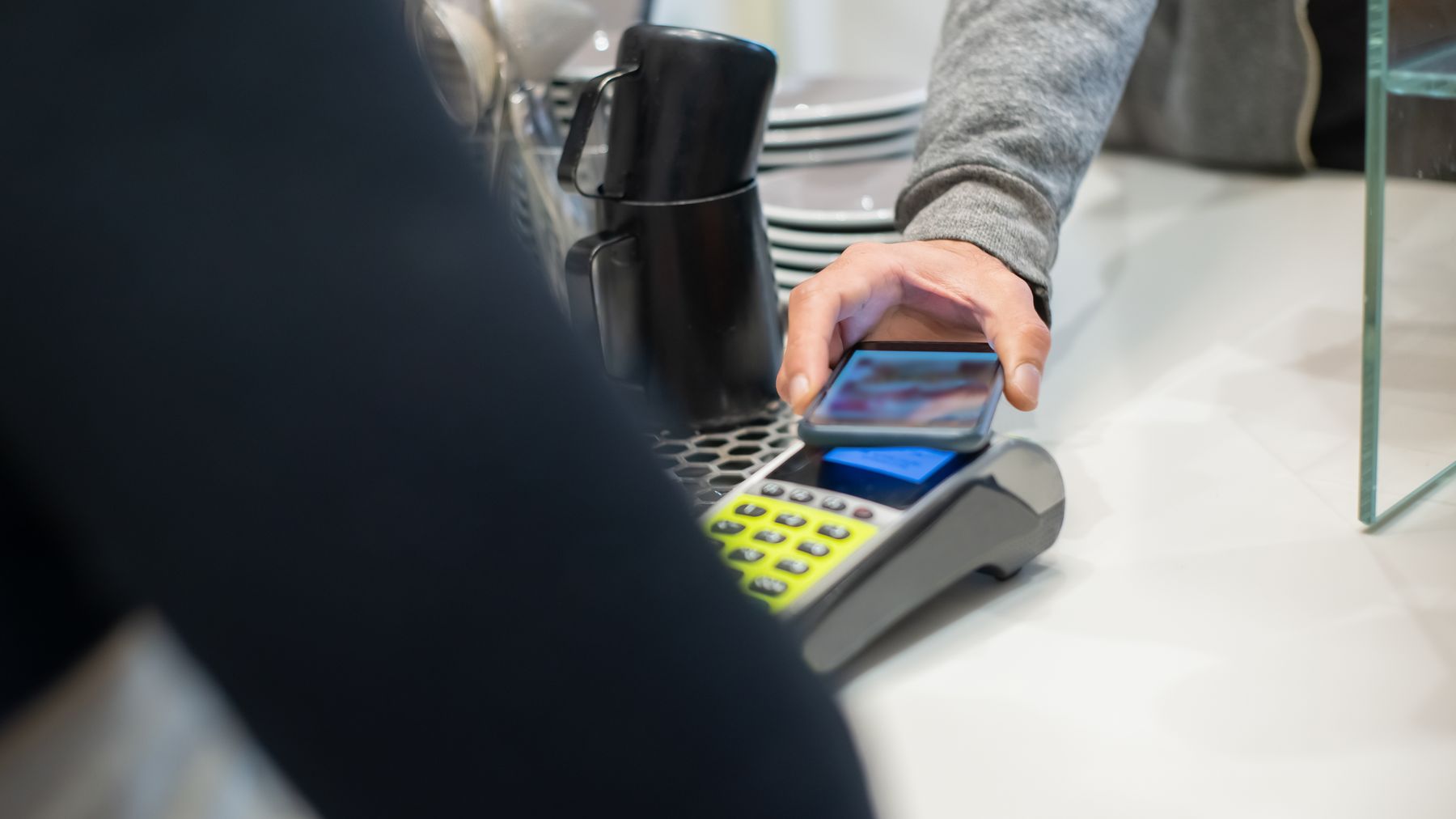
Photo by Kampus Production on Pexels
None of this works without a Vietnamese SIM card, since MoMo and ZaloPay both require a local phone number for registration and OTP verification. SIM cards are cheap and easy to buy at the airport on arrival — Viettel, Mobifone, and Vietnamobile all sell tourist SIMs for 50,000–150,000 VND with data included. It's the single most useful logistical step you can take in the first hour after landing.
MoMo is the most realistic QR payment option for tourists — grab a Vietnamese SIM, register with your passport, and load it with cash at any convenience store. VietQR proper stays out of reach without a local bank account, but for stays longer than a month, opening one at Techcombank is straightforward. Either way, carry at least 200,000–300,000 VND in small bills at all times — a lot of the best food in Vietnam still runs on cash and trust.