— HẾT —
Cập nhật lần cuối · May 29, 2026 · nghiên cứu độc lập, không tài trợ.
We use minimal analytics + ads (no personal tracking). See our privacy policy.
Bathrooms in Vietnam vary wildly by venue — from gleaming sit-down stalls in Hanoi cafes to squat pans at rural bus stops. Here is what to actually expect.

Cập nhật lần cuối · May 29, 2026 · nghiên cứu độc lập, không tài trợ.
Bài viết khác về thành phố này.

Locals live on Zalo, tourists default to WhatsApp — here's why that gap matters and how to bridge it before your trip.
…
Hotels, homestays, hostels — strongest inventory in Vietnam.
Winter in the north is damp, grey, and surprisingly chilly. Forget the tropical gear and pack for layering to survive the humidity.
Thousands of foreigners teach English or freelance in Vietnam on tourist visas. Here is what Vietnamese law actually says, when it gets enforced, and how to do it properly.
Bài viết khác trong vùng này.
The Wise debit card works well in Vietnam if you set it up right. Here's how to avoid fees, use the VND balance, and when it beats alternatives.
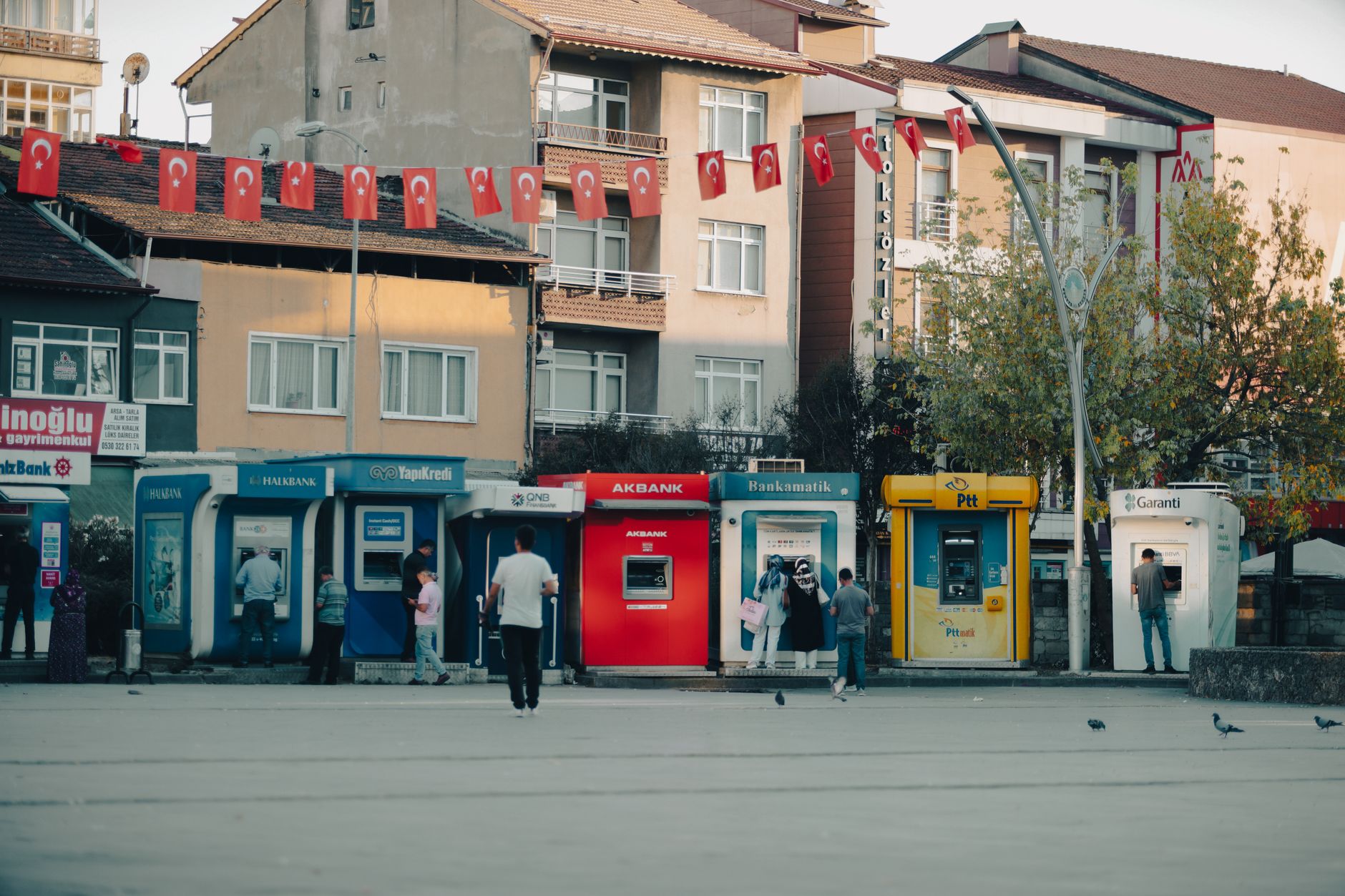
The Wise debit card works well in Vietnam if you know the fee structure. Here's how to use it at ATMs and merchants without losing money on bad rates.
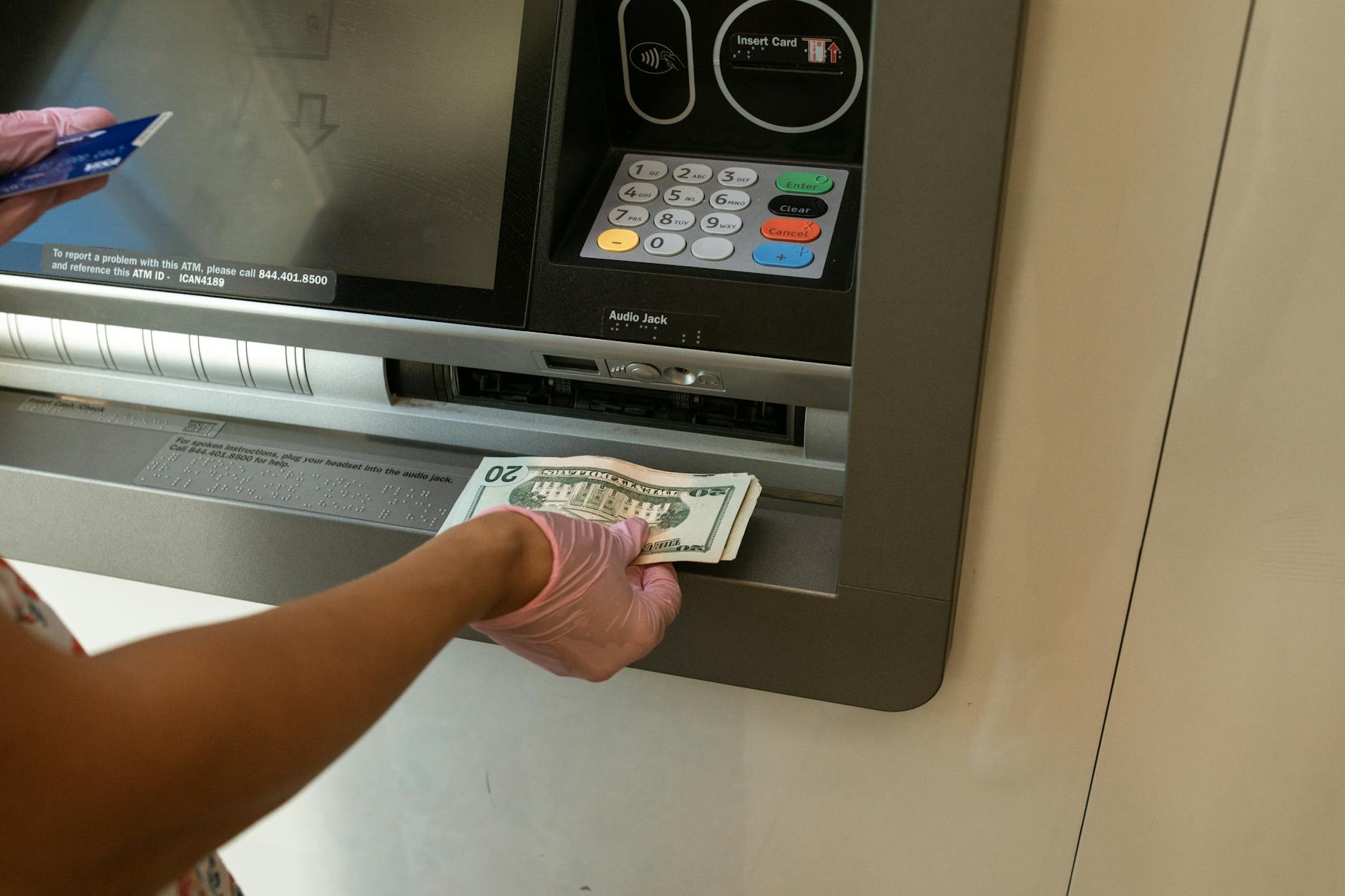
Vietnam runs on dong, but there are real situations where USD cash matters. Here is where you can actually pull USD from an ATM or bank counter.
More articles from the same category.
Forget the heavy gear. Packing for the Mekong Delta is about managing humidity, protecting your skin, and staying mobile on the water.

Wise works for sending VND to Vietnamese banks, but the process has quirks. Here's what fees to expect, which banks receive fastest, and why transfers get rejected.
Fees, speeds, and bank coverage compared for the three most-used international transfer services into Vietnam — so you pick the right one before you send.
Forget the resort-brochure packing lists. Here is the gear you actually need for Vietnam's coast, from the sands of Da Nang to the islands of Phu Quoc.
Mastering basic time and day markers in Vietnamese will save you from missed buses and confused taxi drivers. Here is the essential cheat sheet for your trip.

Most travel insurance policies have gaps that matter specifically in Vietnam — motorbike coverage, medical evacuation, and hospital payment methods. Here is what to check before you buy.
Bathrooms in Vietnam (베트남 / 越南 / ベトナム) exist on a spectrum — from spotless hotel suites with heated seats to concrete holes in the floor at a mountain roadside stop. Knowing what to expect before you push open that door makes the whole thing considerably less stressful.
Squat toilets — a low ceramic pan flush with the floor — are still common at bus stations, local markets, rural homestays, roadside pho shops, and older government buildings. If you are doing a loop through Ha Giang or staying at a family-run homestay in Mai Chau, expect squats most of the time. They are the default in older buildings across the country, regardless of region.
The mechanics are straightforward once you know them: feet on the raised footrests, squat low, aim forward. The flush is usually a manual scoop from a nearby bucket, or a standard lever. Do not be surprised if there is no lever at all — that bucket is the flush.
If squatting is genuinely difficult for you (knee issues, mobility limitations), note it on your trip planning. Budget guesthouses sometimes have one sit-down stall among several squats, and it is not rude to wait for it.
In Saigon, Hanoi, Da Nang, and any city running significant tourist traffic, sit-down toilets are now the majority in restaurants, cafes, hotels, shopping malls, and most guesthouses. The boom in coffee shop culture — every other block in a Vietnamese city seems to have a third-wave cafe — has raised the average bathroom quality considerably. A place charging 60,000 VND for a pour-over is almost certainly going to have a clean sit-down stall.
High-end hotels in Hoi An and Hue (후에 / 顺化 / フエ) sometimes feature full Japanese-style smart toilets with bidet functions and seat warmers. Do not let the control panel intimidate you.
The handheld bidet sprayer — called a "voi xịt" locally, or just "the hose" in backpacker shorthand — is mounted next to virtually every toilet in Vietnam, squat or sit-down. Most Vietnamese people use water rather than paper as the primary cleaning method. The hose is not a backup option; it is the main event.
Using it is not complicated. Low pressure for control, aim carefully, done. You will still want to pat dry with paper or a personal cloth afterward, but once you get used to it, going back to paper-only feels backward. Many long-term expats and repeat visitors say the hose is the single most underrated thing about Vietnamese bathrooms.
If the hose is present, use it. It is cleaner than paper alone, it reduces what goes into the waste bin, and it is what the infrastructure is designed around.

Photo by Toàn Đỗ Công on Pexels
Toilet paper exists in Vietnam, but do not count on it being provided. Mid-range and upscale hotels stock it reliably. Restaurants and cafes in tourist districts usually have rolls, though they run out. Bus station bathrooms, rural stops, and wet market facilities: bring your own.
One important rule that confuses first-time visitors: in most Vietnamese bathrooms — including many modern ones — used paper goes in the bin beside the toilet, not down the bowl. Signage is not always posted. If there is a covered bin next to the toilet, that is your cue. Older plumbing in the country cannot handle paper reliably, and a blocked pipe in a guesthouse is a bad way to spend an afternoon. When in doubt, bin it.
A small travel kit solves almost every bathroom situation you will encounter:
That is genuinely all you need. No need for elaborate travel toilet kits.

Photo by Nguyen Ngoc Tien on Pexels
Public bathrooms at Hoi An's Ancient Town entrance area, at sites like Bai Dinh temple complex near Ninh Binh, and at major bus terminals charge a small fee — usually 3,000–5,000 VND. An attendant sits outside and collects the money. This is completely normal and the bathrooms are generally kept cleaner as a result. Pay it, no negotiating required.
Free public restrooms exist at larger tourist attractions where the fee is bundled into entry. Anywhere that charges separately, the quality is usually at least adequate.
If you are trekking in Sapa or sleeping at a hill-tribe community homestay in the north, bathroom setups can be very basic — squat pan, bucket flush, no hot water, no hose. Some rural homestays have improved their facilities significantly in recent years as domestic and international tourism has grown, but it is not universal. Ask when you book if it matters to you.
At the other end of the spectrum, boutique eco-lodges in places like Phong Nha have invested heavily in proper bathrooms as a selling point. Know what you are booking.
Carry tissues and small change, learn to use the hose, and put used paper in the bin — those three habits cover ninety percent of what you need to know. Vietnam's bathroom infrastructure varies enormously by venue and region, but it is navigable without drama once you know what to expect.