— HẾT —
Cập nhật lần cuối · May 29, 2026 · nghiên cứu độc lập, không tài trợ.
We use minimal analytics + ads (no personal tracking). See our privacy policy.
Vinh Long and the nearby village of Cai Mon have quietly nurtured one of southern Vietnam's most distinctive craft traditions — miniature trees shaped over decades by patient hands.

Cập nhật lần cuối · May 29, 2026 · nghiên cứu độc lập, không tài trợ.
Bài viết khác về thành phố này.

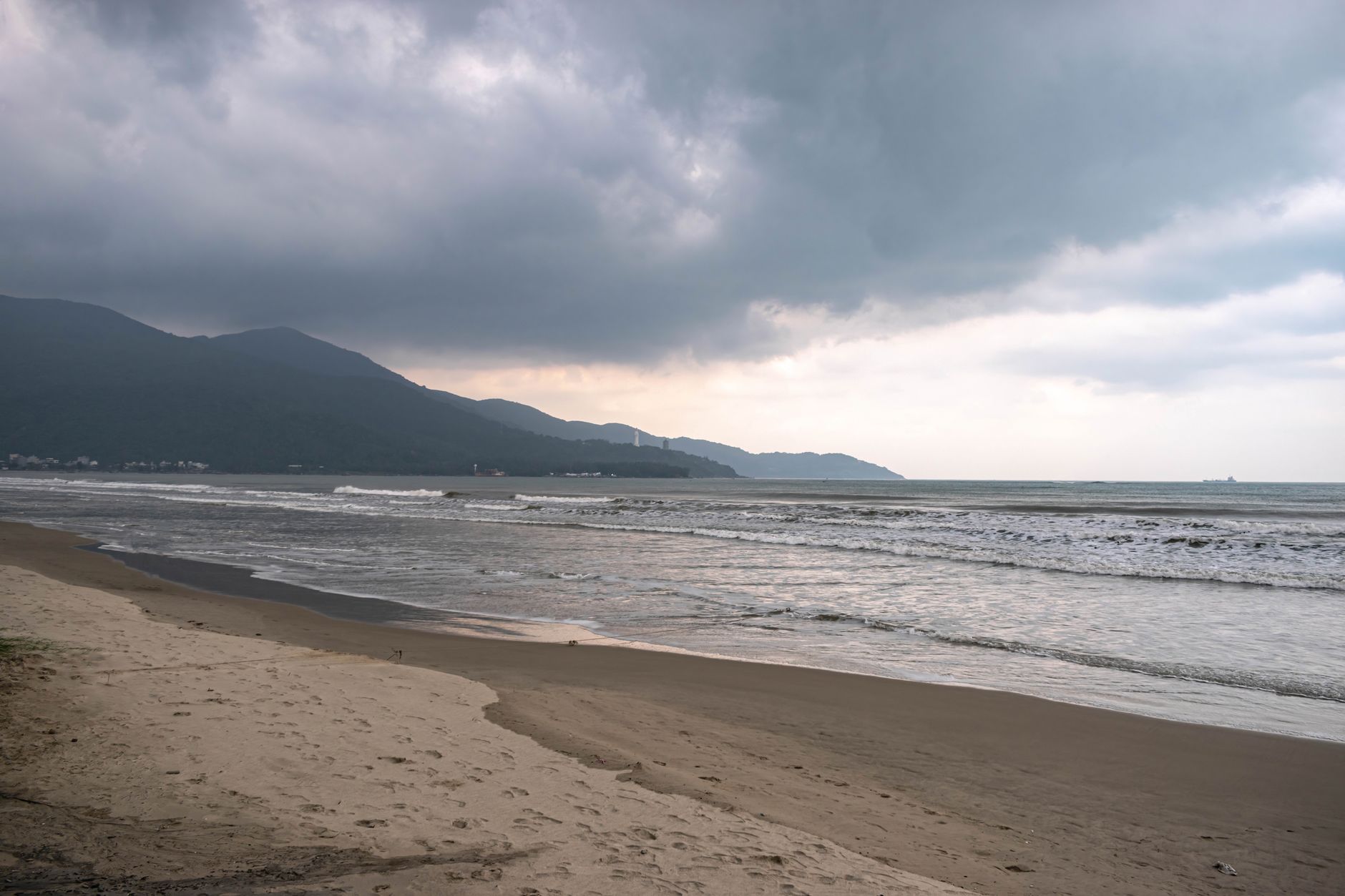
Spring in Vietnam is not one season — it's three different climates running simultaneously. Here's what the north, central, and south each deliver from March through May.
…
Hotels, homestays, hostels — strongest inventory in Vietnam.
Typhoon season in Vietnam is real and it closes airports. Here is what the airlines actually do, what your insurance covers, and how to move fast when a storm is coming.
Three villages, three weaving traditions — from Hanoi's doorstep to the Mekong Delta, here's what separates Van Phuc silk from Ma Chau and Tan Chau, and which is worth the trip.
Bài viết khác trong vùng này.
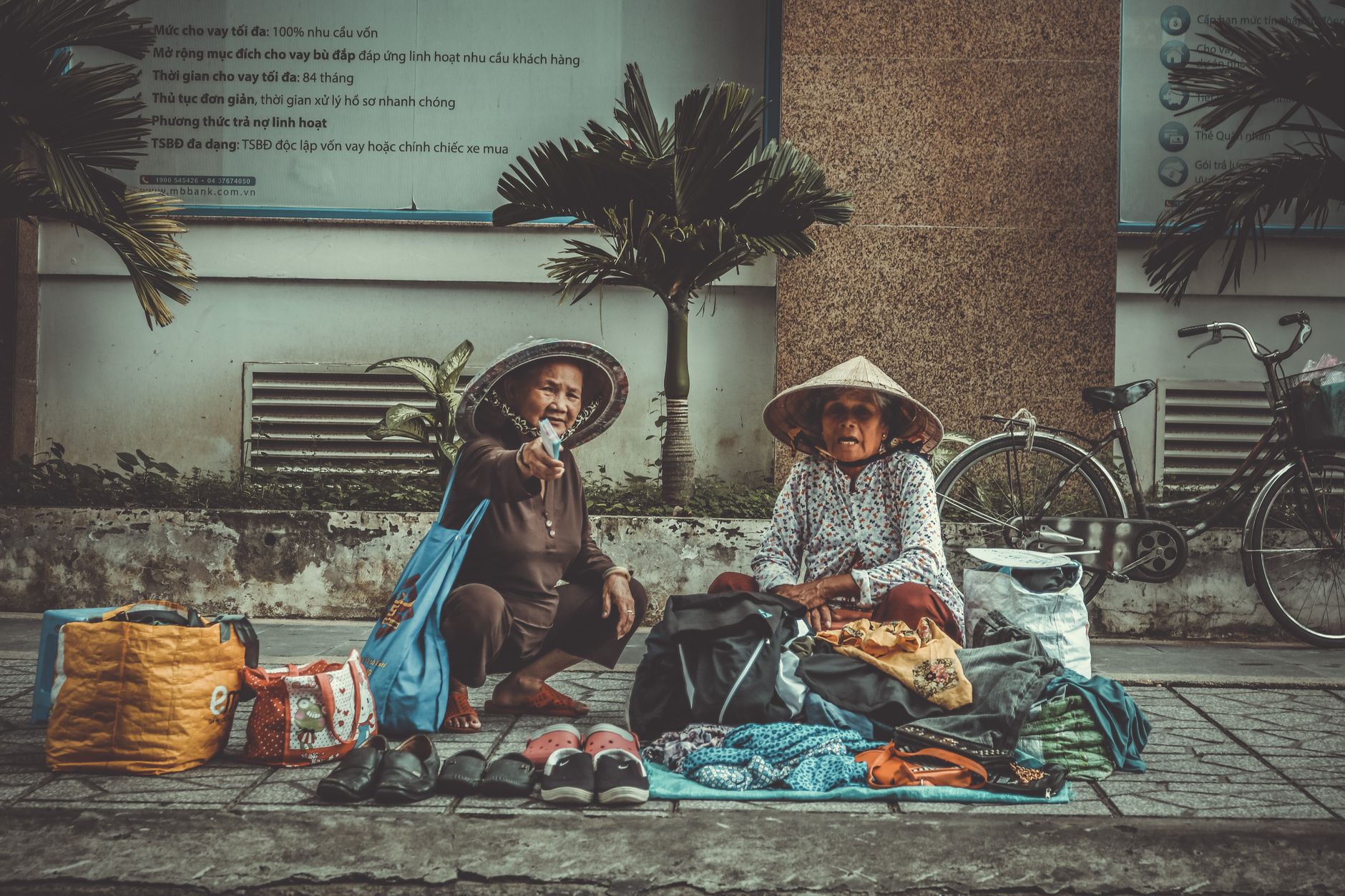
Forget the heavy gear. Packing for the Mekong Delta is about managing humidity, protecting your skin, and staying mobile on the water.
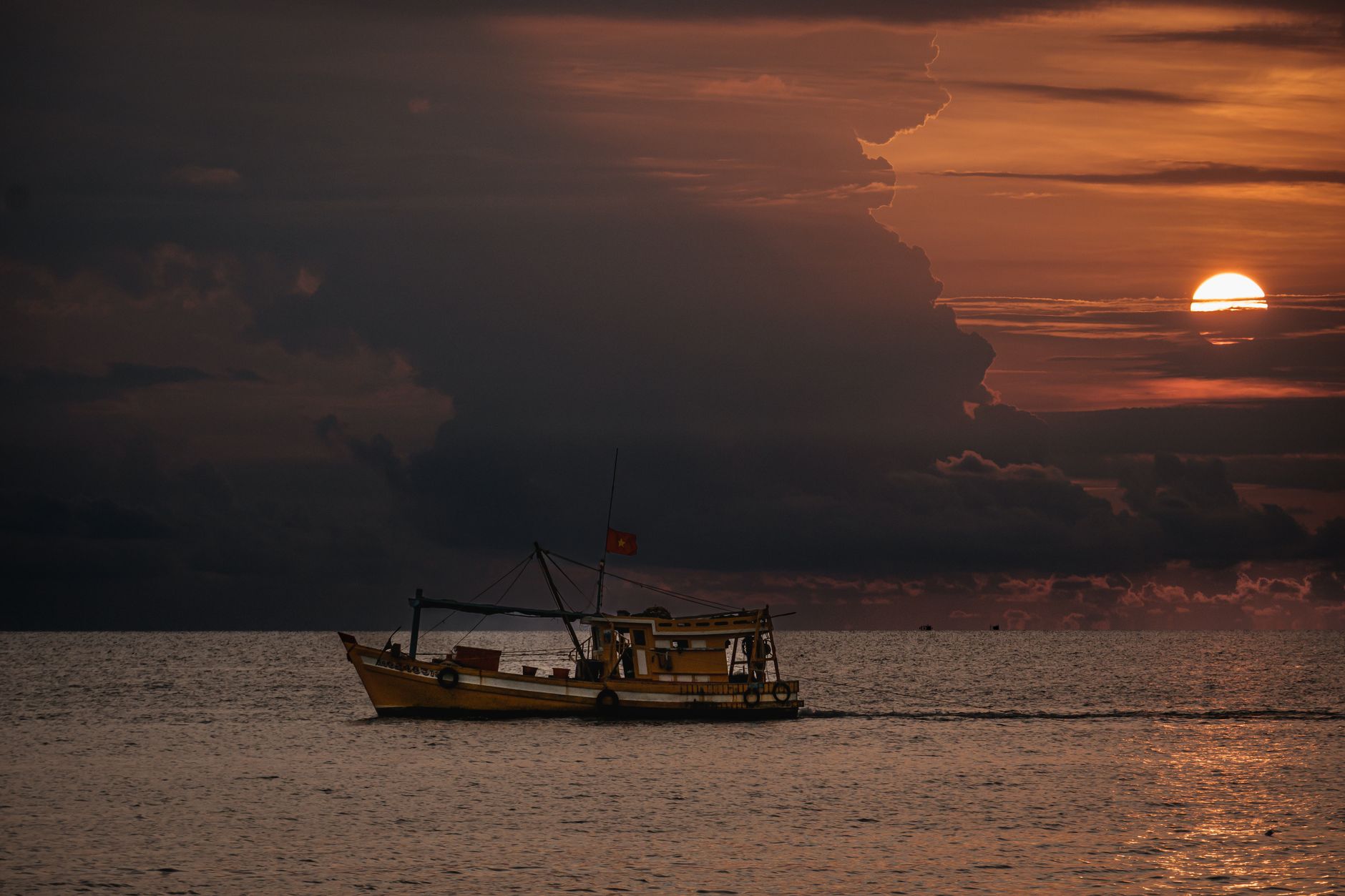
Skip the mega-resort bubble and head south to the An Thoi archipelago. This independent day-trip route covers speedboat logistics, quiet snorkeling spots, and local seafood.
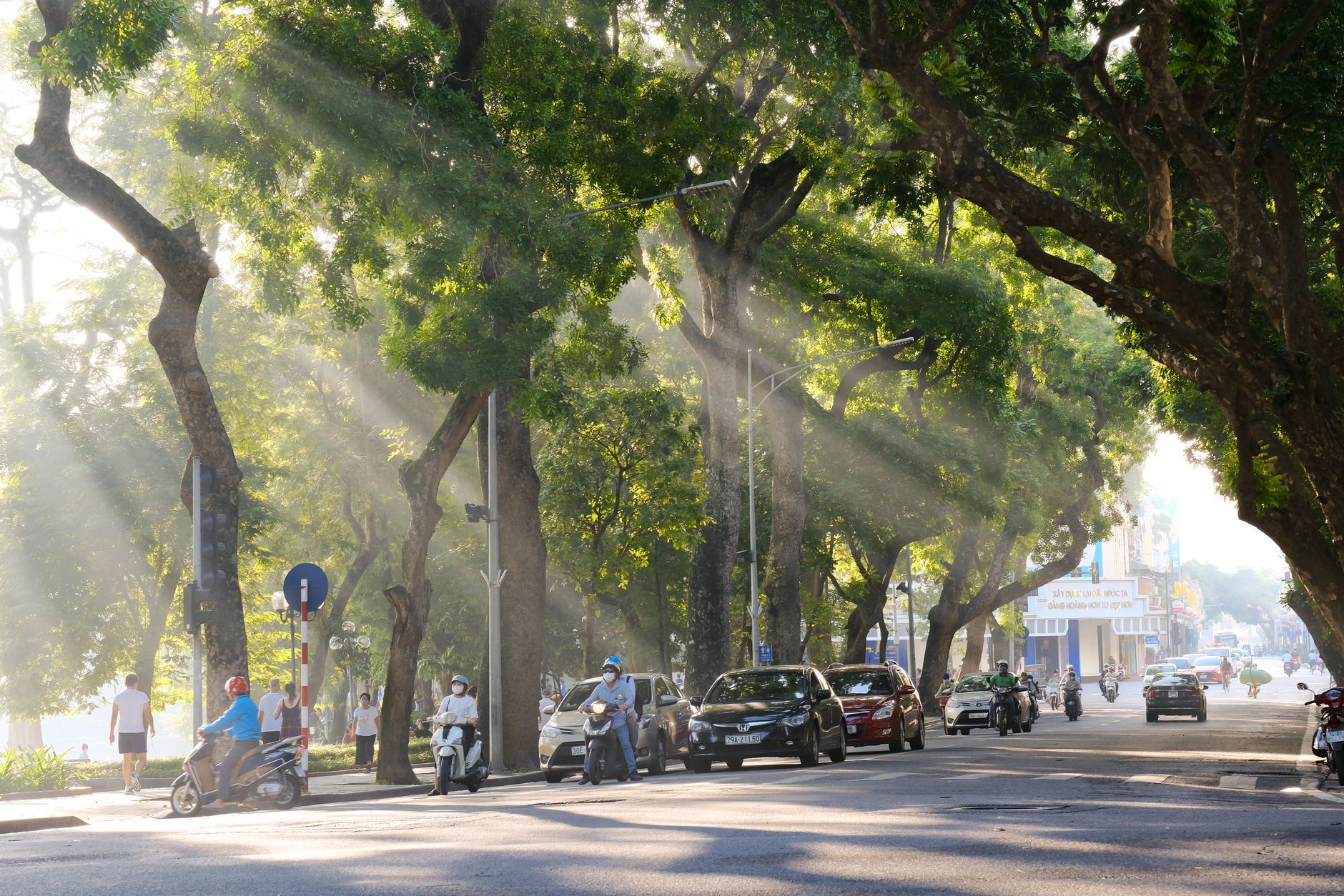
Navigating Tra Vinh's tree-lined streets and scattered Khmer pagodas requires some planning. Here is how to handle local taxis, motorbike rentals, and regional buses.
More articles from the same category.
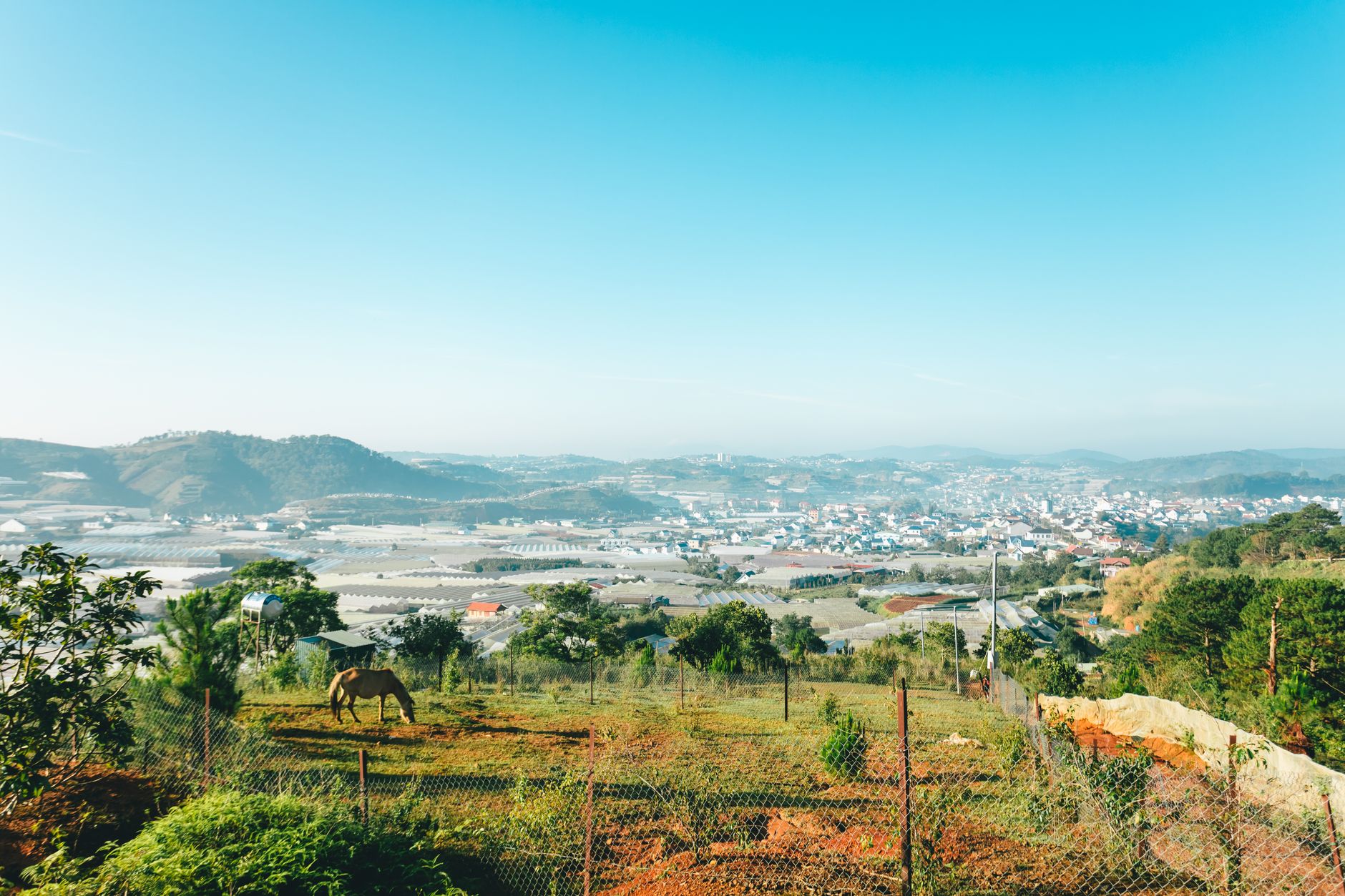
Yok Don is Vietnam's biggest national park and one of its least-visited. Here's what actually lives inside — and how to do it properly.
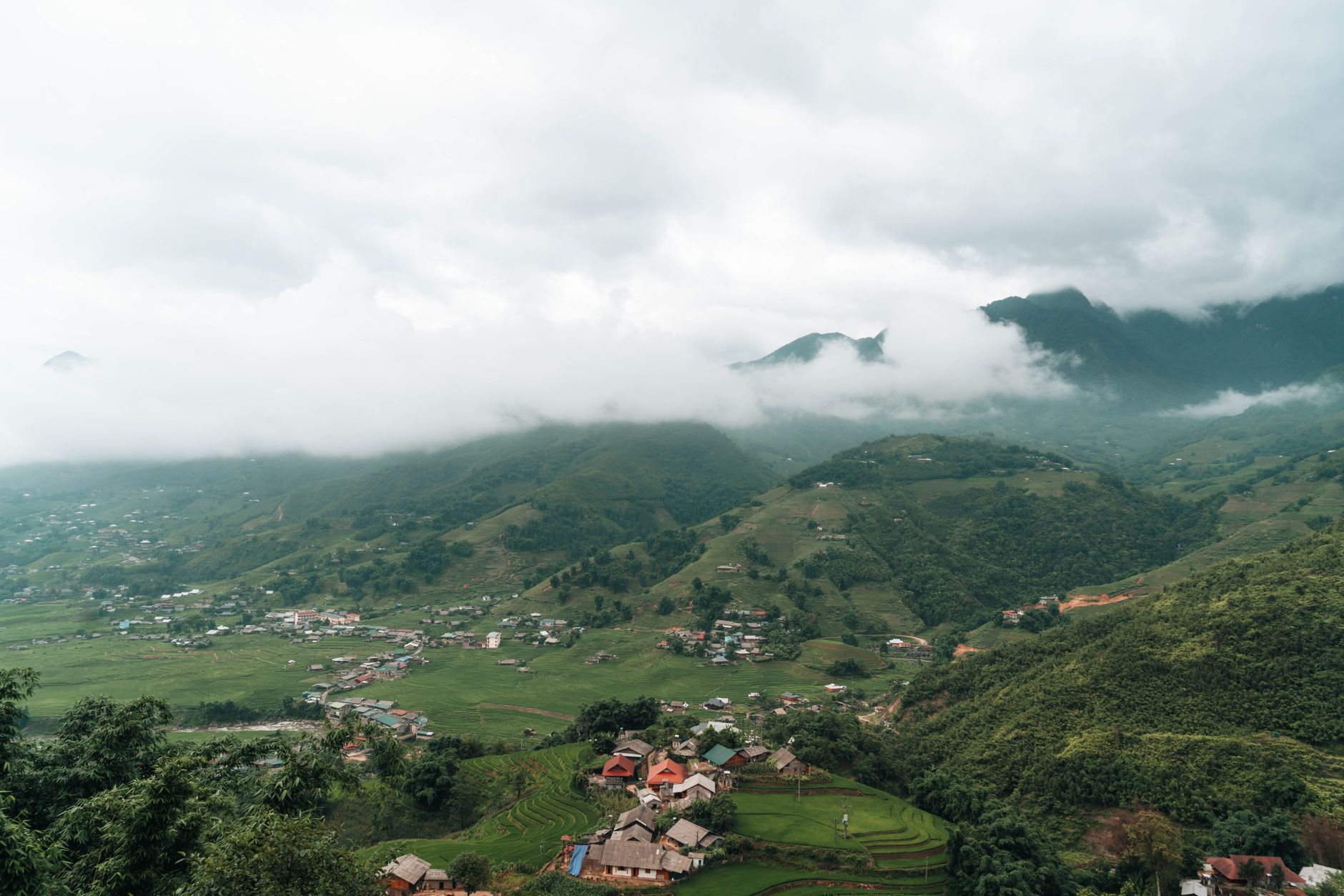
Y Ty is a Ha Nhi ethnic commune in Lao Cai province where sea-of-cloud mornings run from September to March — and almost nobody shows up compared to Sa Pa.

Y Ty's sea of fog is not a rumor — but it only appears reliably for a few weeks a year. Here's when to go, where to stand, and how to sleep close enough to catch it.

Yen Tu in Quang Ninh province is Vietnam's most significant Buddhist pilgrimage site — a forested mountain where a 13th-century king renounced his throne and founded a homegrown school of Zen.
Skip the crowds of Sapa for Y Ty, a remote highland outpost in Lao Cai where clouds settle in the valleys and ancient mud-walled houses dot the terraced hills.

A practical, no-nonsense guide to visiting Phong Nha Cave independently, including how to navigate the boat-sharing system, costs, and what to expect.
Vinh Long sits about 135 km southwest of Saigon, and most travellers pass through it on the way to Can Tho without stopping. That's a mistake — particularly if you have any interest in plants, craft, or the slower rhythms of Mekong Delta (메콩 델타 / 湄公河三角洲 / メコンデルタ) life.
The village of Cai Mon, technically in Ben Tre province but reachable as a loop from Vinh Long by boat and motorbike, has been growing ornamental trees for well over a century. Originally known for durian and longan orchards, families here gradually shifted part of their land toward decorative horticulture. Today the village exports flowering plants and bonsai specimens across the delta and up to Hanoi markets, with the finest pieces sold to collectors for anywhere from 2 million to over 100 million VND depending on age and form.
Cai Mon is not a tourist attraction in any packaged sense. There are no entrance fees, no gift shops, no English-language signs. What you get instead is a working agricultural community where gardens spill out of front yards, and where a 70-year-old tamarind tree trained into a near-horizontal cascade might be sitting next to someone's washing line.
"Cay canh" — ornamental trees — is the broader Vietnamese term, and the tradition here diverges noticeably from the Japanese bonsai aesthetic most Westerners recognise. Vietnamese practitioners, particularly in the south, favour a more dramatic, sometimes baroque style. Trees are often trained into symbolic shapes: the dragon, the phoenix, the scholar leaning on a staff. Where Japanese bonsai tends toward restraint and asymmetric naturalism, southern Vietnamese "canh" work leans into storytelling.
The preferred species also reflect the local ecology. Fukien tea trees (Carmona retusa), water jasmine (Wrightia religiosa), and various ficus species dominate, alongside bougainvillea trained into thick, gnarled trunks over twenty or thirty years. The tropical humidity means growth is faster than in temperate climates, but it also means a practitioner needs to work constantly — pruning, wiring, repotting — to maintain a form that a cooler climate might hold more easily.
One thing that strikes most first-time visitors is the scale. While Japanese bonsai culture prizes palm-sized specimens, Mekong Delta "canh" masters often work with trees that stand a metre or more tall in their containers — substantial pieces that anchor the entrance to a home or temple the way a sculpture might.

Photo by Quang Nguyen Vinh on Pexels
The honest answer is: show up, go slowly, and let someone introduce you.
From Vinh Long town, hire a xe om (motorbike taxi) or rent a bicycle and take the ferry across to An Binh island — roughly 2 km from the main town pier. From there, a local guide or homestay host can arrange a boat crossing to the Cai Mon area. Most visitors do this as part of a half-day river loop that also takes in fruit orchards and a floating market, but if bonsai is the specific draw, tell your guide upfront and they can connect you with a grower's garden directly.
Several households in and around Cai Mon welcome informal visitors — there is no booking system, but arriving before 9:00 am means you'll find the owners actively working in the garden rather than sheltering from midday heat. Bring a small gift (a bag of fruit is always appropriate) if someone opens their private garden to you. Don't expect English; a few words of Vietnamese or a patient smile goes further.
If you want a more structured encounter, a handful of eco-tourism operations out of Can Tho (껀터 / 芹苴 / カントー) include bonsai garden stops on their Mekong itineraries. The trade-off is that these visits are shorter and more choreographed — you see what you're shown rather than wandering freely.
The delta is more comfortable between November and April, when the rains have pulled back and the air is drier. Tet / 越南春节 / テト) is worth knowing about: in the weeks leading up to the Lunar New Year, the ornamental plant trade goes into overdrive. Families along the Mekong load their finest kumquat trees and bonsai onto boats for the Tet flower markets, and the river traffic becomes genuinely spectacular. Coming a week before Tet puts you in the middle of all of it.
Vinh Long itself is an easy overnight. Guesthouses in town run 250,000–400,000 VND per night for a clean room with air conditioning. Food is straightforward delta fare — "hu tieu" noodle soup, river fish grilled with salt and chilli, fresh spring rolls — at open-front restaurants along Hung Vuong street near the main market.
Motorbike rental from town runs around 120,000–150,000 VND per day if you prefer to self-navigate. The ferry to An Binh island costs about 5,000 VND per person.

Photo by Budi N on Pexels
If you arrive hoping for a curated museum experience or a neat explanation of technique in English, Cai Mon will feel underwhelming. If you arrive curious and unhurried, ready to stand in a stranger's garden for twenty minutes watching someone wire a branch with the focus of a surgeon, it will be one of the more quietly memorable things you do in the delta.
The bonsai tradition here is embedded in everyday life — not performed for outsiders, not declining, not particularly self-conscious about being interesting. That's exactly what makes it worth the detour.
Vinh Long is 2.5–3 hours by bus from Saigon's Mien Tay bus terminal (around 100,000–130,000 VND). Can Tho is a logical add-on, roughly 35 km further southwest. There is no dedicated bonsai festival or organised tour circuit — treat this as an independent wander rather than a structured attraction.