— HẾT —
Cập nhật lần cuối · May 29, 2026 · nghiên cứu độc lập, không tài trợ.
We use minimal analytics + ads (no personal tracking). See our privacy policy.
Pairing the right drink with Vietnamese street food is half the meal. Here is what locals actually order, and when.
Cập nhật lần cuối · May 29, 2026 · nghiên cứu độc lập, không tài trợ.
Bài viết khác về thành phố này.

Winter in the north is damp, grey, and surprisingly chilly. Forget the tropical gear and pack for layering to survive the humidity.
…
Hotels, homestays, hostels — strongest inventory in Vietnam.
Thousands of foreigners teach English or freelance in Vietnam on tourist visas. Here is what Vietnamese law actually says, when it gets enforced, and how to do it properly.
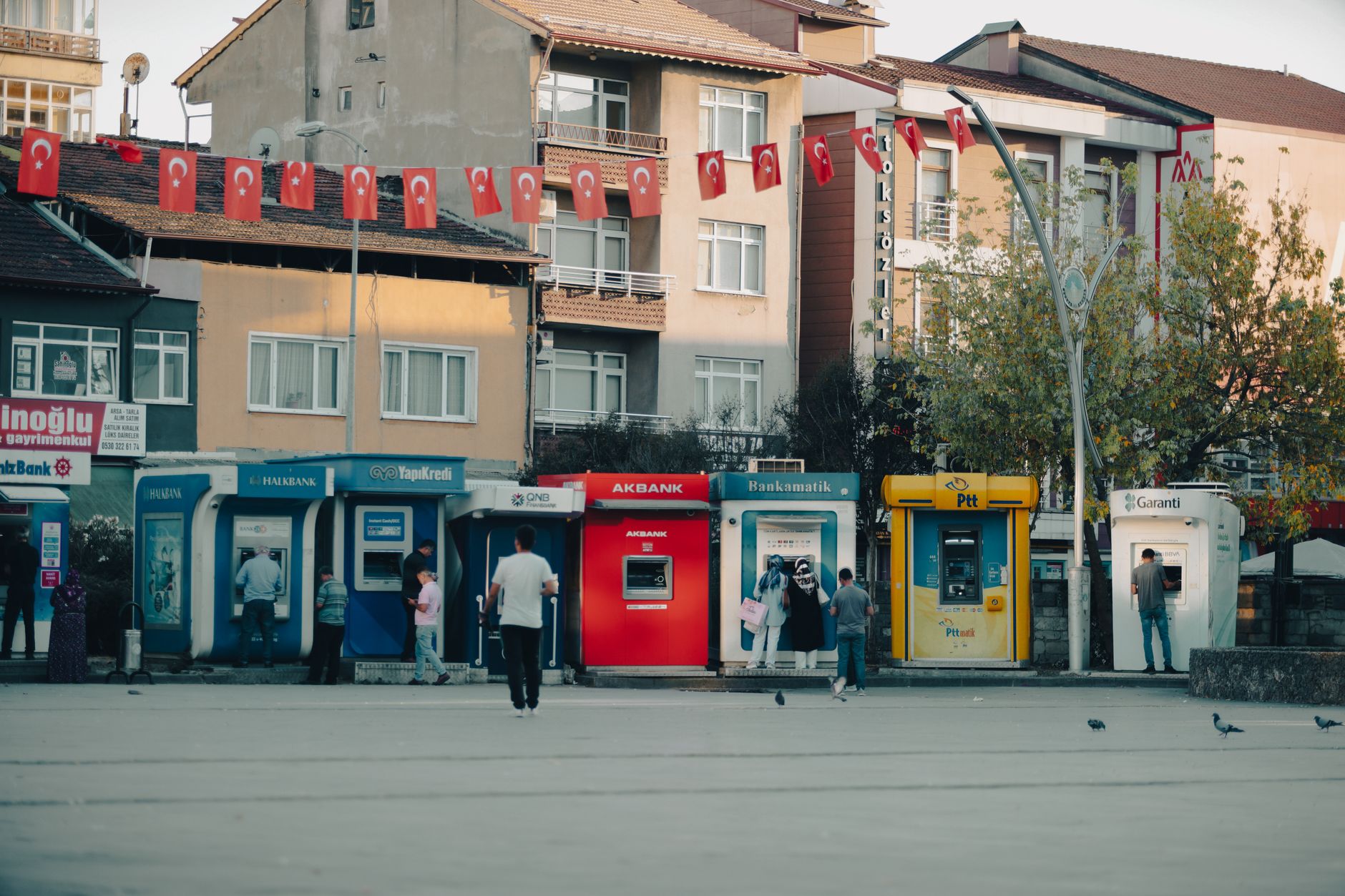
The Wise debit card works well in Vietnam if you know the fee structure. Here's how to use it at ATMs and merchants without losing money on bad rates.
Bài viết khác trong vùng này.
The Wise debit card works well in Vietnam if you set it up right. Here's how to avoid fees, use the VND balance, and when it beats alternatives.
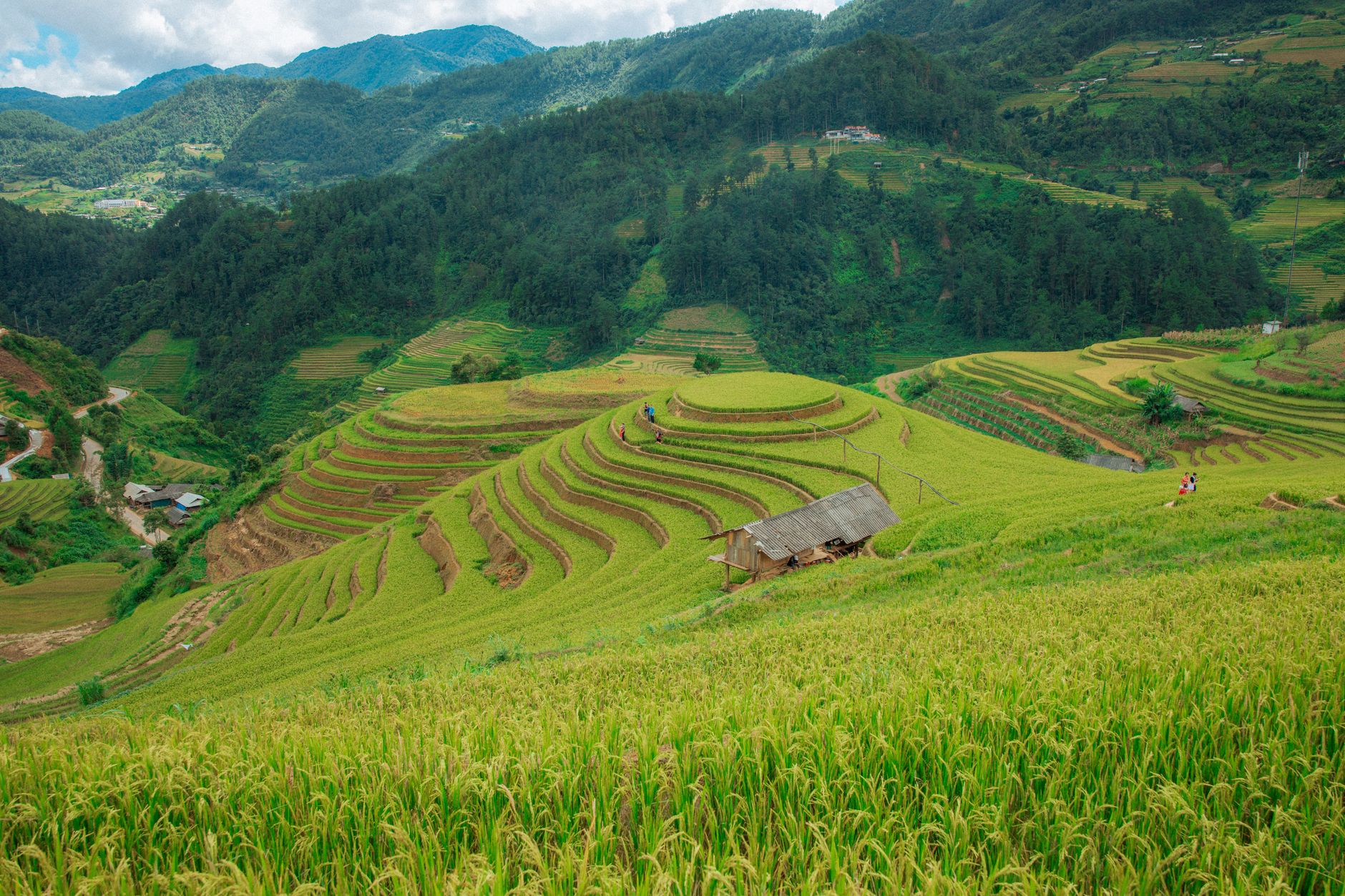
Vietnam's wellness scene has matured fast. Here's how to spend 7 days across four retreats — Hoi An, Da Lat, Phu Quoc, and Mai Chau — depending on your pace and budget.
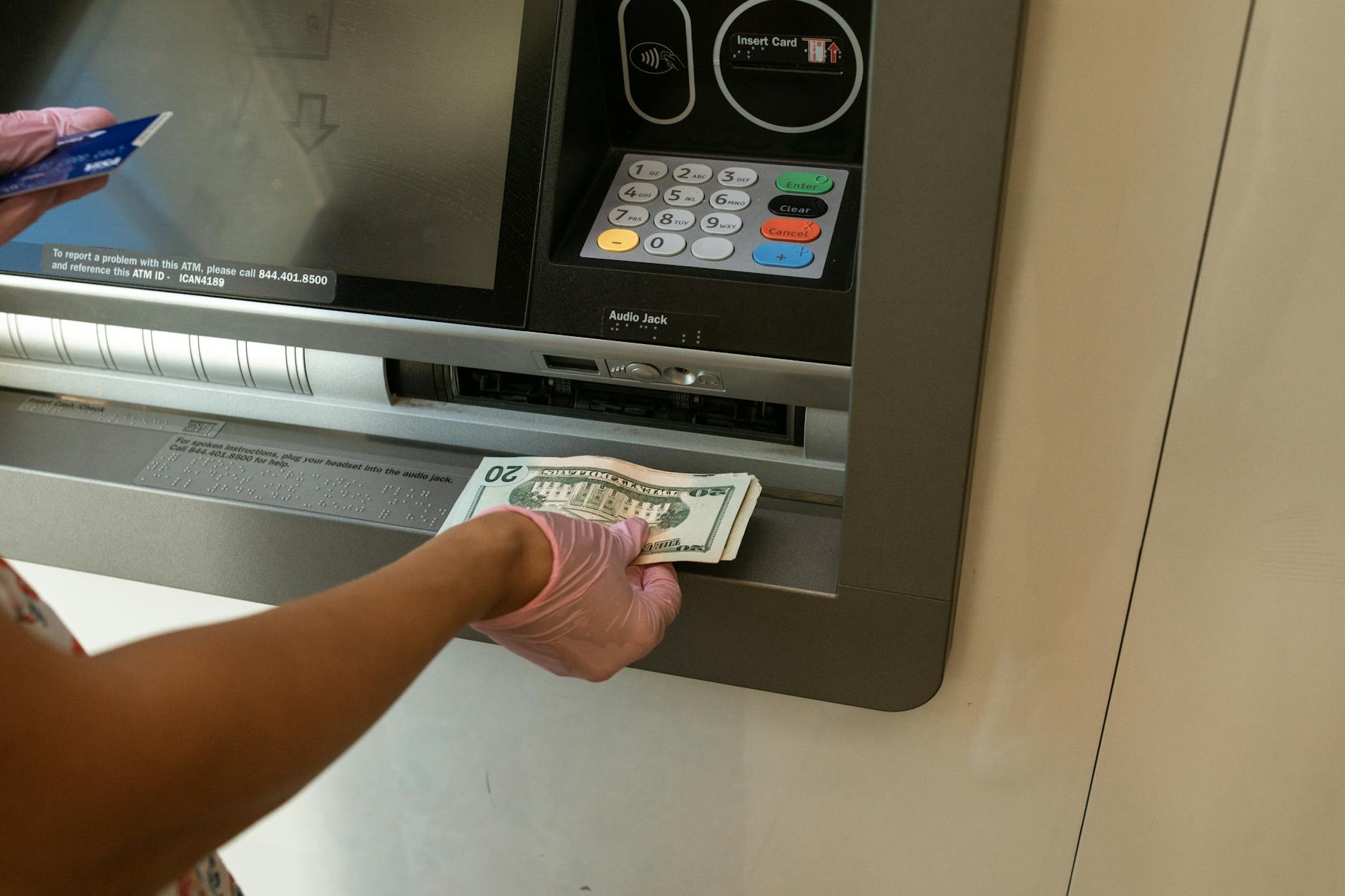
Vietnam runs on dong, but there are real situations where USD cash matters. Here is where you can actually pull USD from an ATM or bank counter.
More articles from the same category.

Forget everything you know about standard noodle soup. In the Central Highlands city of Pleiku, the local obsession is 'pho kho', a two-bowl ritual that defines the region's breakfast culture.

Quy Nhon is often overlooked for its neighbors, but its rice-based specialties, particularly the local take on vermicelli, define the city's culinary identity.
Phu Yen is often overshadowed by its neighbors, but its rice-based specialties and deep-sea ingredients offer a distinct flavor profile worth the detour.

Discover the best spots to enjoy a steaming bowl of bun rieu in the cool mountain city of Pleiku, featuring local favorites, pricing, and what makes this highland version unique.

Skip the tourist packages and eat your way through My Tho. Here is a curated, morning-to-night food trail featuring the best local spots, from iconic noodle soups to hidden market sweets.

Vietnam's herbal tea tradition goes well beyond lotus tea. Artichoke, chrysanthemum, and voi leaf each have a devoted following — here's what they taste like and where to find them.
The drink order matters as much as the food order in Vietnam (베트남 / 越南 / ベトナム). Get it wrong and you are fighting your meal; get it right and everything clicks — the fat cuts, the heat lifts, the flavors settle into place.
Vietnamese street food follows a rough time-of-day rhythm, and so do the drinks. Morning belongs to coffee. Midday leans toward iced tea. Evening is when beer earns its place. These are not hard rules — you will find people drinking "bia hoi" at 10 a.m. in Hanoi and black coffee at 9 p.m. in Saigon — but the rhythm holds often enough to be useful.
Acidity, fat, and spice are the three variables to keep in mind. A dish heavy in pork fat wants something cold and slightly bitter. A dish built on herbaceous freshness wants something neutral that will not compete. A dish with real chili heat wants sugar or carbonation to interrupt it.
This is the pairing most visitors stumble into correctly by accident. "Bun cha" — grilled pork patties and belly served with rice vermicelli, a sweet-savory dipping broth, and a pile of herbs — is inherently fatty and rich. It is a lunch dish, eaten between 11 a.m. and 1 p.m. almost exclusively in Hanoi.
"Bia hoi (비아호이 / 鲜啤 / ビアホイ)", the draft beer brewed fresh daily and served at around 5,000–10,000 VND a glass, is the natural match. It is light, barely 3% alcohol, slightly watery if you are used to craft beer, and exactly right here. The mild bitterness of the bia hoi cuts through the char on the pork and resets your palate between bites of herb. You are not meant to taste the beer. You are meant to feel the break it creates.
If bia hoi is not available, a cold "ca phe sua da" — iced milk coffee — is a surprisingly good substitute. The sweetness bridges the savory broth.
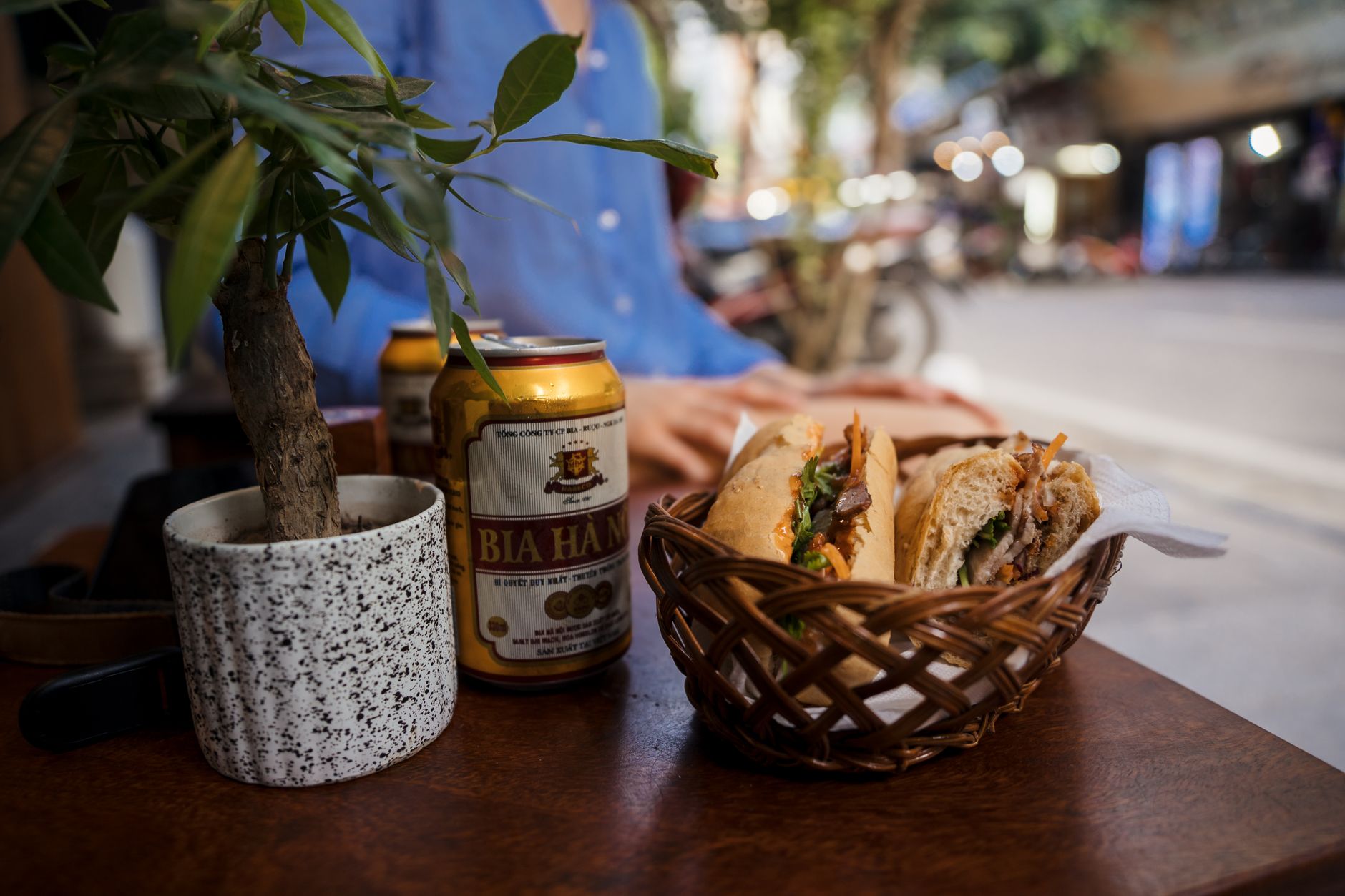
The morning pairing. A "banh mi" — the Vietnamese baguette sandwich stuffed with pate, cold cuts, pickled daikon and carrot, cucumber, and chili — costs 25,000–40,000 VND at a good street cart and takes about four minutes to eat standing up.
The drink is Vietnamese coffee, usually "ca phe sua da" if the day is already warm, or a plain hot black if you are eating early and the air is still cool. The coffee is strong — robusta-heavy, brewed through a metal phin filter — and that intensity is precisely what banh mi needs. The richness of the pate and the fat in the mayonnaise find a counterweight in the bitterness and the caffeine jolt. It is breakfast engineered for a city that starts work at 7 a.m.
Do not try to pair banh mi with sweet drinks or juice. It makes the pate taste wrong.

Photo by Nguyen Ngoc Tien on Pexels
"Banh xeo" — the sizzling savory crepe made from rice flour, turmeric, coconut milk, and filled with shrimp, pork, and bean sprouts — is eaten by tearing off pieces, wrapping them in mustard leaf or rice paper with herbs, and dipping into nuoc cham. It is a central and southern Vietnamese dish, best eaten in the afternoon or early evening.
The drink here is "tra da": free iced green tea, refilled constantly, served in a scratched plastic cup at almost every plastic-table restaurant in Vietnam. It costs nothing and does exactly what it needs to do. The slight astringency of the tea clears the oil from the fried crepe without interfering with the dipping sauce. The cold temperature is the other half of the job — banh xeo is served hot off the pan and the contrast between the fried bite and the iced tea is part of the pleasure.
Beer works too. In Da Nang and Hue, a cold local lager alongside banh xeo is common and correct. But tra da is the everyday pairing, and it is free.
"Goi cuon" — fresh spring rolls filled with shrimp, pork, rice vermicelli, mint, and lettuce, wrapped in rice paper — are clean, light, and herb-forward. They do not need a drink that competes.
Tra da again, or nuoc dua (young coconut water served straight from the shell, around 15,000–20,000 VND at a street vendor). Both are neutral and cold. Coconut water adds a faint sweetness that echoes the shrimp. Beer would flatten the herbs. Coffee would be absurd. This is a midday or light-dinner dish and it pairs with whatever is coldest and least flavored.
Photo by Nguyen Ngoc Tien on Pexels
"Bun bo Hue" is the spicier, more complex cousin of pho — a lemongrass and shrimp-paste-based beef and pork broth, served with thick round noodles, and real chili heat. It is a Hue specialty but eaten across Vietnam, almost always at breakfast.
The pairing is a small cup of hot black "ca phe den", drunk after the bowl rather than during. The logic is not about cutting fat — bun bo Hue is less fatty than bun cha — but about the end of the meal. The coffee closes the chili warmth and brings you into the morning. It is a sequential pairing, not a simultaneous one.
"Banh cuon" — steamed rice rolls filled with seasoned ground pork and wood-ear mushroom, served with cha (Vietnamese pork sausage) and nuoc cham — is a delicate morning dish, soft and yielding, eaten with chopsticks and a spoon.
The pairing is plain hot tea, not iced, not coffee. The dish is too gentle for bitterness or cold. Many banh cuon shops in Hanoi bring a small pot of hot lotus tea or jasmine tea to the table automatically. Drink it between bites. It is the correct move.
Prices move depending on city and neighborhood — a bia hoi in Hanoi's Old Quarter runs cheaper than the same glass in Da Nang. Tra da is always free at sit-down street stalls. If a place charges you for it, that is the price of the location, not the drink. Most pairings here cost under 30,000 VND for the drink component; budget accordingly.