— FIN —
Última actualización · May 30, 2026 · investigación independiente, sin patrocinios.
We use minimal analytics + ads (no personal tracking). See our privacy policy.
Forget everything you know about standard noodle soup. In the Central Highlands city of Pleiku, the local obsession is 'pho kho', a two-bowl ritual that defines the region's breakfast culture.

Última actualización · May 30, 2026 · investigación independiente, sin patrocinios.
Otros artículos sobre esta ciudad.
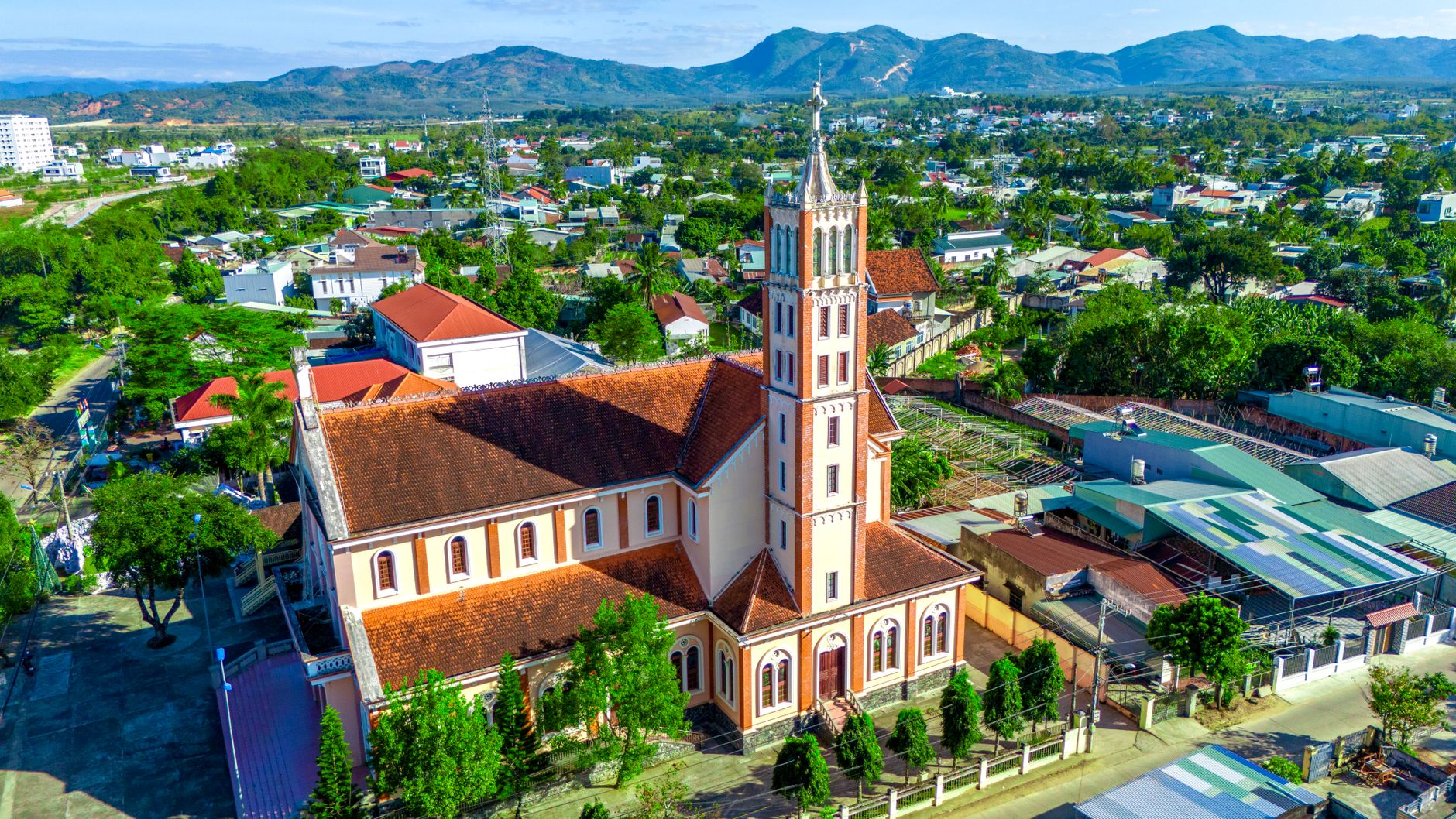
Kon Tum, a provincial city 525 meters above sea level in Vietnam's Central Highlands, blends indigenous Ba Na culture, French colonial architecture, and ethnic minority villages. A practical base for exploring Pleiku, Buon Ma Thuot, and the wider region.

…
Hotels, homestays, hostels — strongest inventory in Vietnam.
Pleiku sits where two nations meet in Vietnam's misty Central Highlands. Once home to Bahnar and Jarai peoples, this 700-meter-high plateau city is a transport hub with deep historical roots—both in the region's indigenous heritage and in 20th-century conflict.

Coffee plantations, ethnic minority villages, and colonial-era towns in Vietnam's cooler interior. A quieter route through Dak Lak, Gia Lai, and Kon Tum provinces.
Otros artículos en esta región.

Quy Nhon is often overlooked for its neighbors, but its rice-based specialties, particularly the local take on vermicelli, define the city's culinary identity.
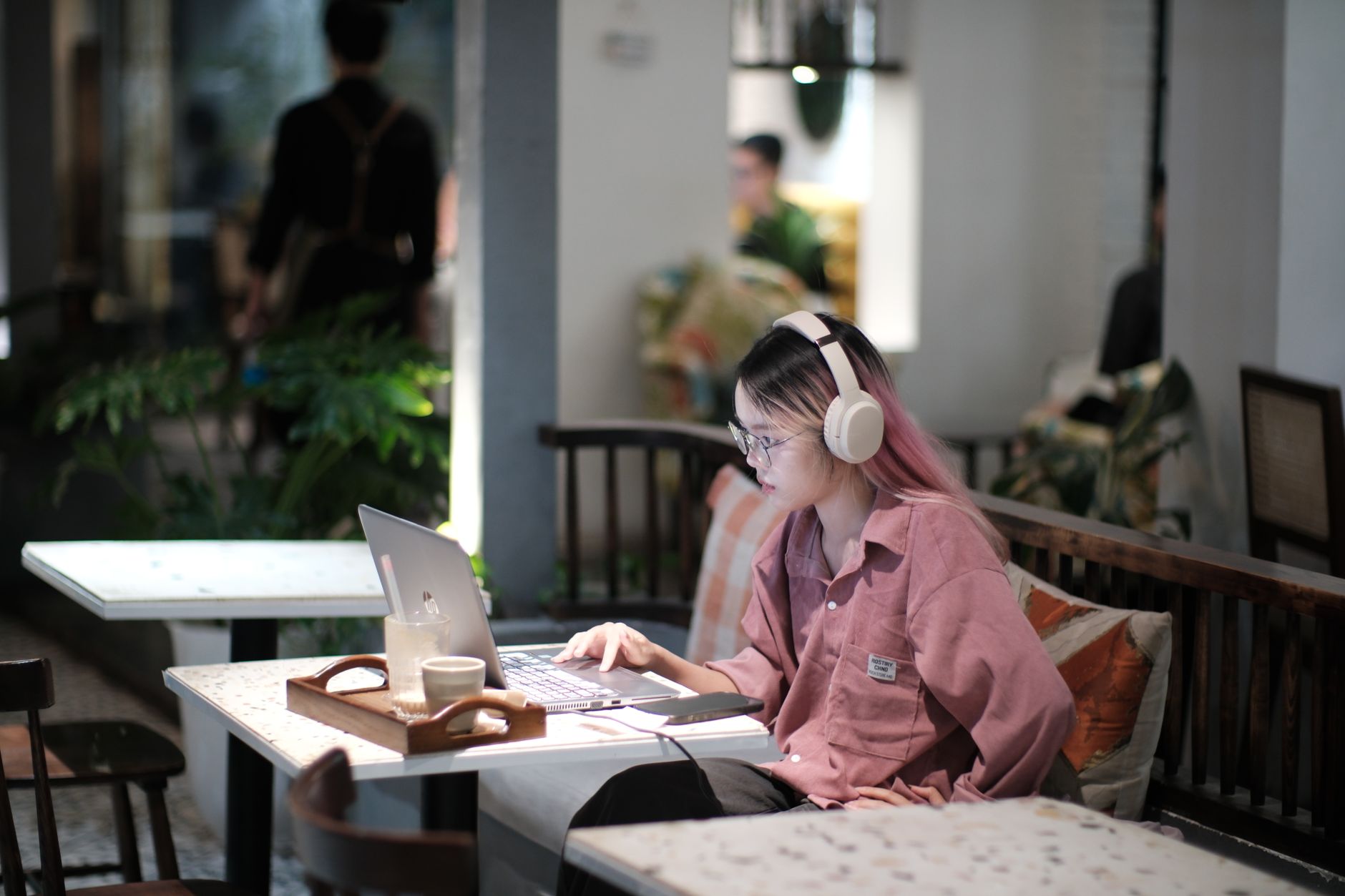
Da Lat has quietly become Vietnam's most liveable remote-work base — cool air, cheap rent, and more cafes than you can reasonably test in a month.
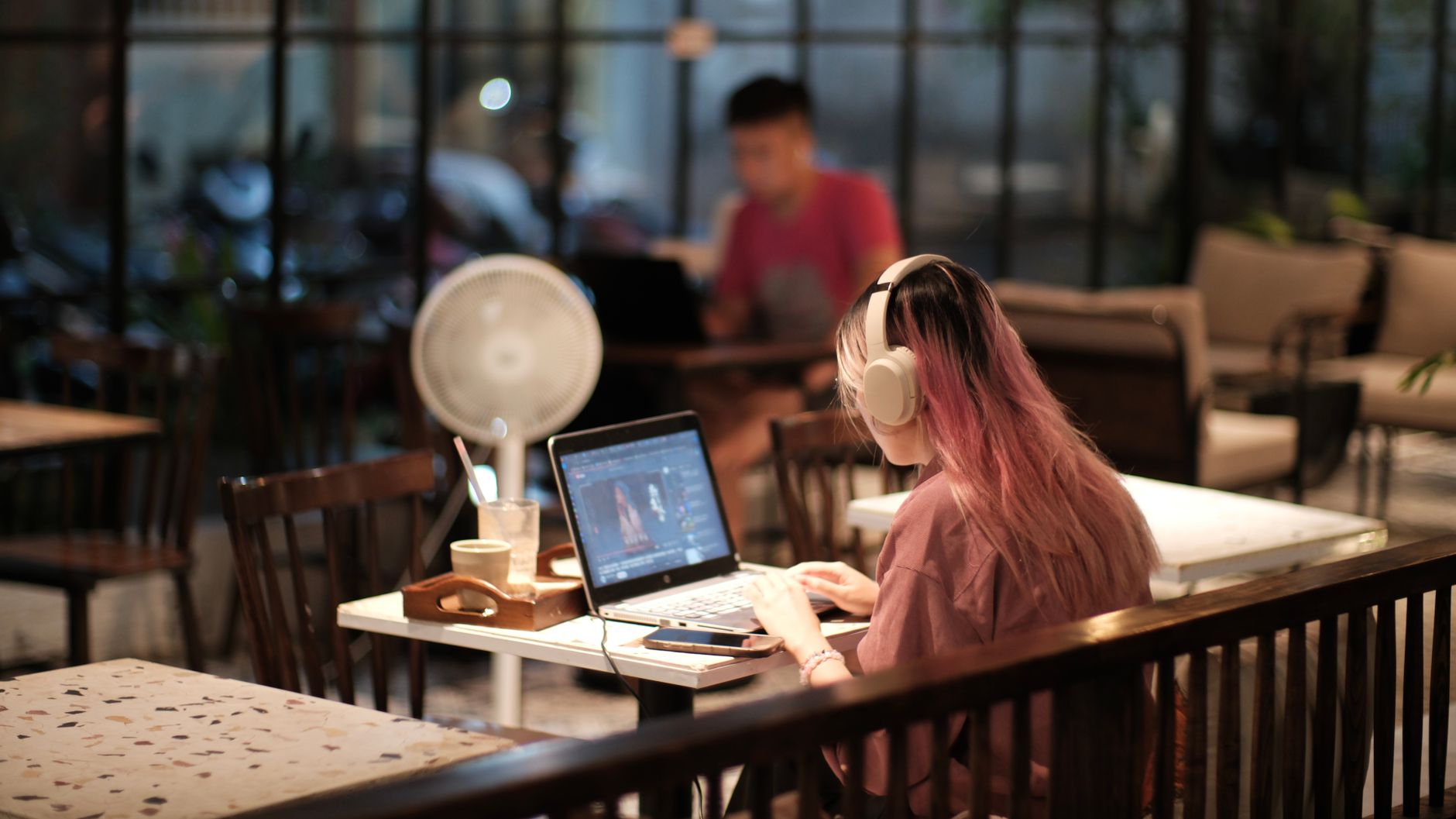
Hoi An is slow, cheap, and surprisingly well-connected. Here is what a working month actually looks like — costs, internet, and where to sit with a laptop.
More articles from the same category.
Phu Yen is often overshadowed by its neighbors, but its rice-based specialties and deep-sea ingredients offer a distinct flavor profile worth the detour.

Skip the tourist packages and eat your way through My Tho. Here is a curated, morning-to-night food trail featuring the best local spots, from iconic noodle soups to hidden market sweets.

Vietnam's herbal tea tradition goes well beyond lotus tea. Artichoke, chrysanthemum, and voi leaf each have a devoted following — here's what they taste like and where to find them.
Skip the generic hotel buffet and head to the village markets for authentic Thai ethnic snacks. Here is what you need to find in Mai Chau.
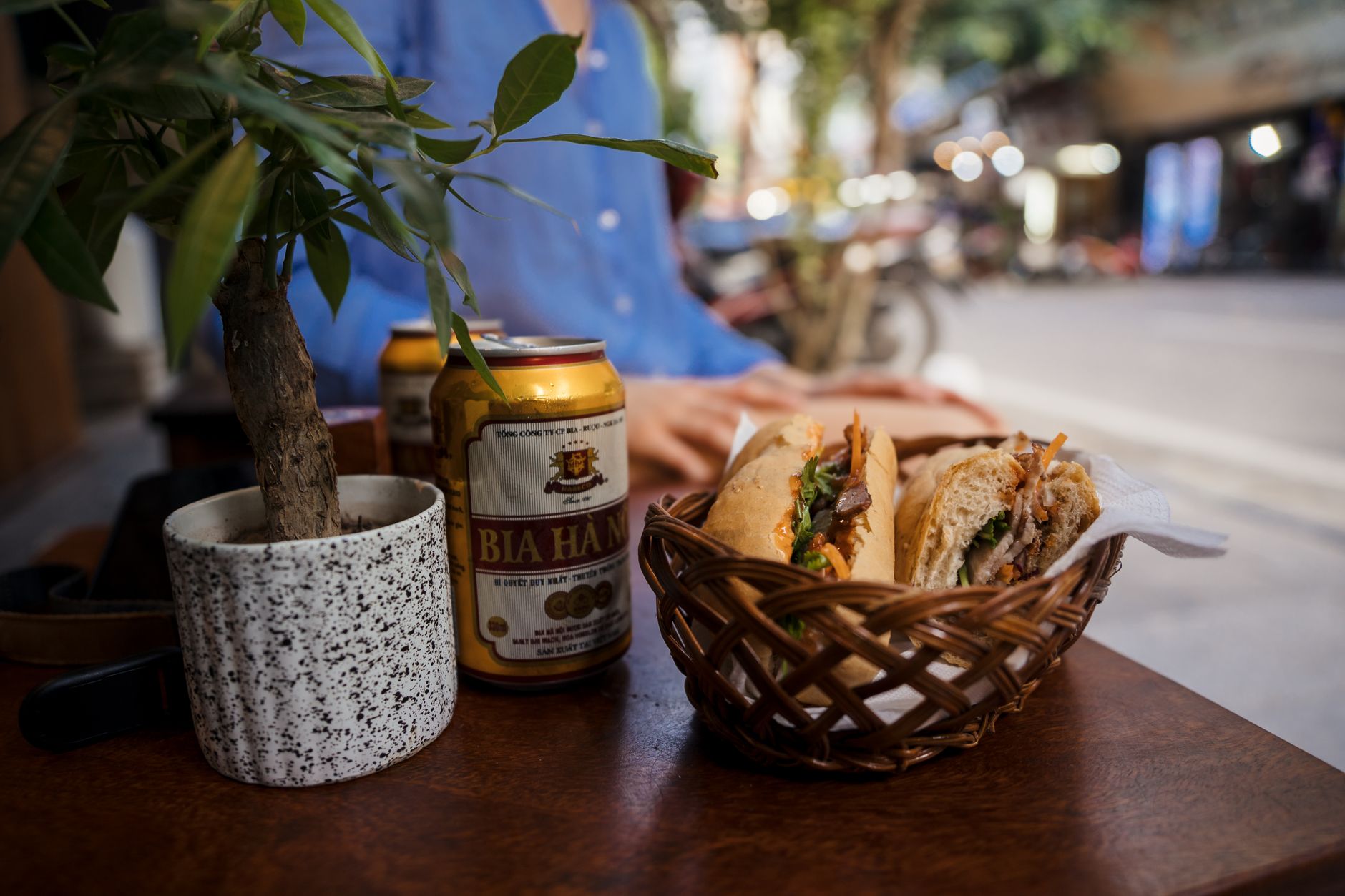
Pairing the right drink with Vietnamese street food is half the meal. Here is what locals actually order, and when.
While the floating markets draw the crowds, the real soul of Can Tho is found in its rice-based specialties. Here is where to find the best bowls in the city.
If you arrive in Pleiku expecting the standard bowl of broth-drenched noodles found in Hanoi or Saigon, you are in for a surprise. The city’s culinary identity is anchored by "pho kho" (dry pho), a dish that forces you to rethink the mechanics of a noodle meal. It is not a shortcut or a variation; it is a distinct, two-bowl experience that locals treat with religious devotion.
When you order a bowl, the server brings you two separate vessels. The first contains the noodles—thin, chewy rice flour strands tossed with fried shallots, minced pork, and a savory sauce that sits at the bottom. The second bowl is a clear, steaming broth filled with beef balls, brisket, or chicken, served on the side. The idea is to alternate: a bite of the seasoned, dry noodles followed by a spoonful of the hot, clean broth. It keeps the noodles from getting soggy and allows the texture of the rice to remain firm until the very last bite.
In Pleiku, the best food is rarely found in polished storefronts. You want to look for the places that have been operating for decades, often tucked into narrow alleys or simple shophouses with plastic stools.
Pho (쌀국수 / 越南河粉 / フォー) Hong, located on Nguyen Van Troi Street, is arguably the most famous name in town. It has been around long enough to see generations of Pleiku residents pass through its doors. Expect to pay around 45,000 to 60,000 VND depending on your choice of protein. The secret here is the sauce—a closely guarded recipe that balances saltiness and sweetness without overpowering the subtle flavor of the rice noodles.
Another reliable spot is Pho Ngoc Son on Hung Vuong Street. While slightly more accessible for travelers, it maintains the integrity of the dish. If you are there for breakfast, join the crowd early; by 9:00 AM, the best cuts of meat are often already sold out.

Photo by Toàn Đỗ Công on Pexels
Why does a city in the Central Highlands (중부 고원 / 中部高原 / 中部高原) have such a specific take on a noodle dish? Much of the culinary landscape here was shaped by migrants from the northern provinces who settled in the mountains during the mid-20th century. They brought the concept of "pho" with them, but adapted it to the local climate and available ingredients. The "pho kho" you eat today is a hybrid—a northern foundation built with the robust, earthy flavors of the highlands.
Unlike "bun bo hue" or "mi quang", which rely on heavy spice or turmeric-infused broths, "pho kho" is about clarity. The broth is usually simmered for hours with beef bones and ginger, resulting in a liquid that is almost sweet in its simplicity. When you add the mandatory side of fresh herbs, bean sprouts, and a squeeze of lime, the dish balances the cool mountain air of Pleiku perfectly.
Photo by Toàn Đỗ Công on Pexels
Do not just dive in. The ritual is part of the experience. First, add a spoonful of the house-made chili paste to the dry noodles. It is usually quite potent, so start small. Mix the noodles thoroughly to ensure every strand is coated in the sauce and the shallots.
Take a bite of the noodles, then take a sip of the broth. If you prefer, you can add a few pieces of the meat from the broth bowl into the noodle bowl, but purists generally keep them separate. Most locals will also order a glass of "vietnamese coffee"—specifically a strong, dark roast—to finish the meal. In the chilly mornings of the Central Highlands, this combination is the only way to start the day.
Most "pho kho" shops in Pleiku open early, around 6:00 AM, and close by midday. If you show up at 1:00 PM, you will likely find the doors locked. Carry small denominations of cash, as these family-run spots rarely handle large bills or digital payments.