— FINE —
Ultimo aggiornamento · May 30, 2026 · ricerca indipendente, mai sponsorizzata.
We use minimal analytics + ads (no personal tracking). See our privacy policy.
From Da Lat's hillside wineries to Hanoi's old-quarter street food, this 8-day itinerary connects Vietnam's most distinctive food cultures in one focused trip.

Ultimo aggiornamento · May 30, 2026 · ricerca indipendente, mai sponsorizzata.
Altri articoli su questa città.

Locals live on Zalo, tourists default to WhatsApp — here's why that gap matters and how to bridge it before your trip.
…
Hotels, homestays, hostels — strongest inventory in Vietnam.
Da Lat has quietly become Vietnam's most liveable remote-work base — cool air, cheap rent, and more cafes than you can reasonably test in a month.

Winter in the north is damp, grey, and surprisingly chilly. Forget the tropical gear and pack for layering to survive the humidity.
Altri articoli in questa regione.
The Wise debit card works well in Vietnam if you set it up right. Here's how to avoid fees, use the VND balance, and when it beats alternatives.
Thousands of foreigners teach English or freelance in Vietnam on tourist visas. Here is what Vietnamese law actually says, when it gets enforced, and how to do it properly.
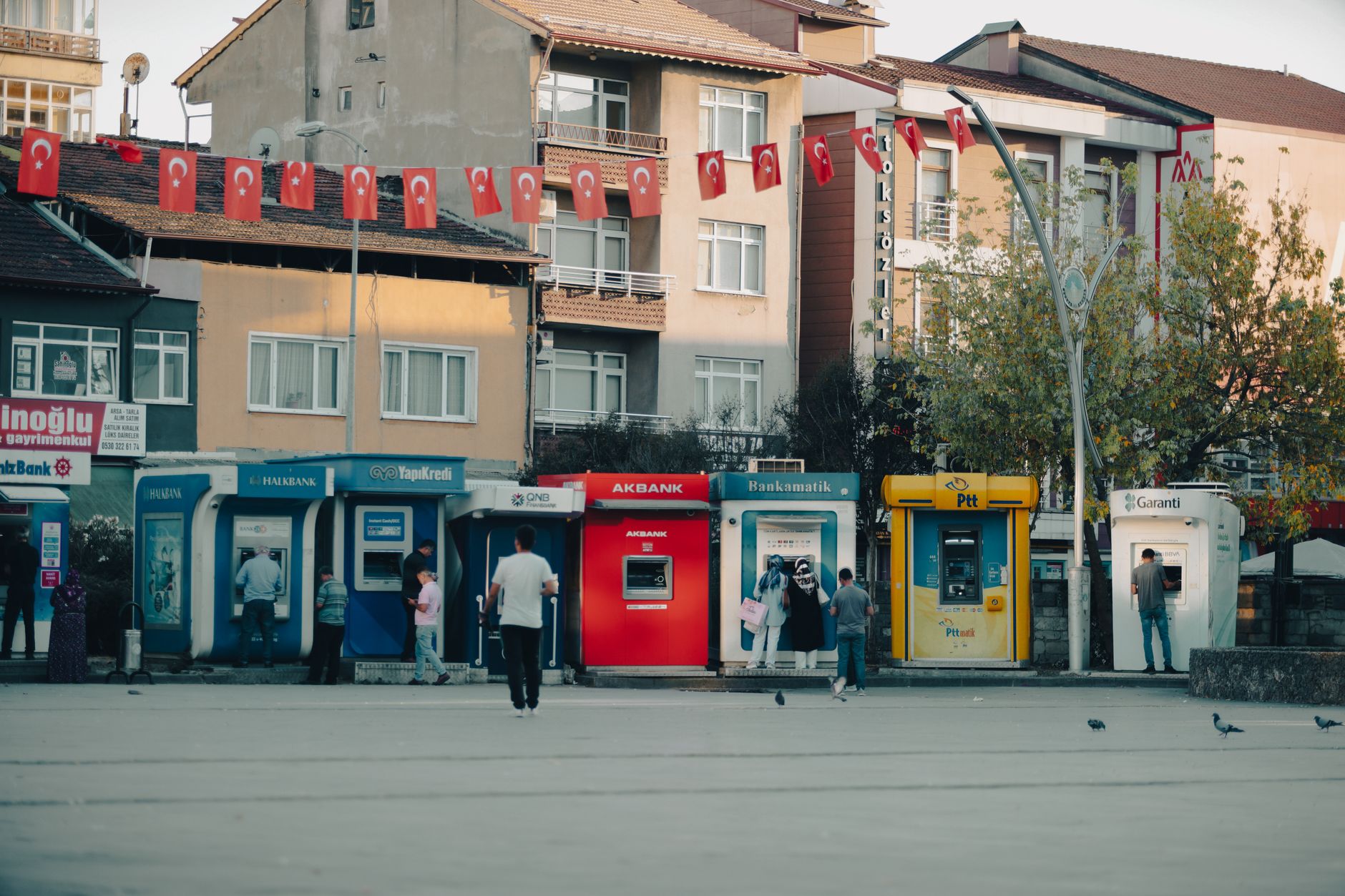
The Wise debit card works well in Vietnam if you know the fee structure. Here's how to use it at ATMs and merchants without losing money on bad rates.
More articles from the same category.

Hoi An is slow, cheap, and surprisingly well-connected. Here is what a working month actually looks like — costs, internet, and where to sit with a laptop.

Hoi An works better as a slow-living base than most people expect — if you know where to sleep, where to plug in, and how far your budget actually stretches.

Da Lat has quietly become Vietnam's most livable remote-work base — cool air, cheap rent, and a cafe scene dense enough to keep you caffeinated for months.

Skip the crowded highways and ride this 4-day motorbike loop from Quy Nhon through the dramatic cliffs of Phu Yen and the quiet valleys of the Central Highlands.
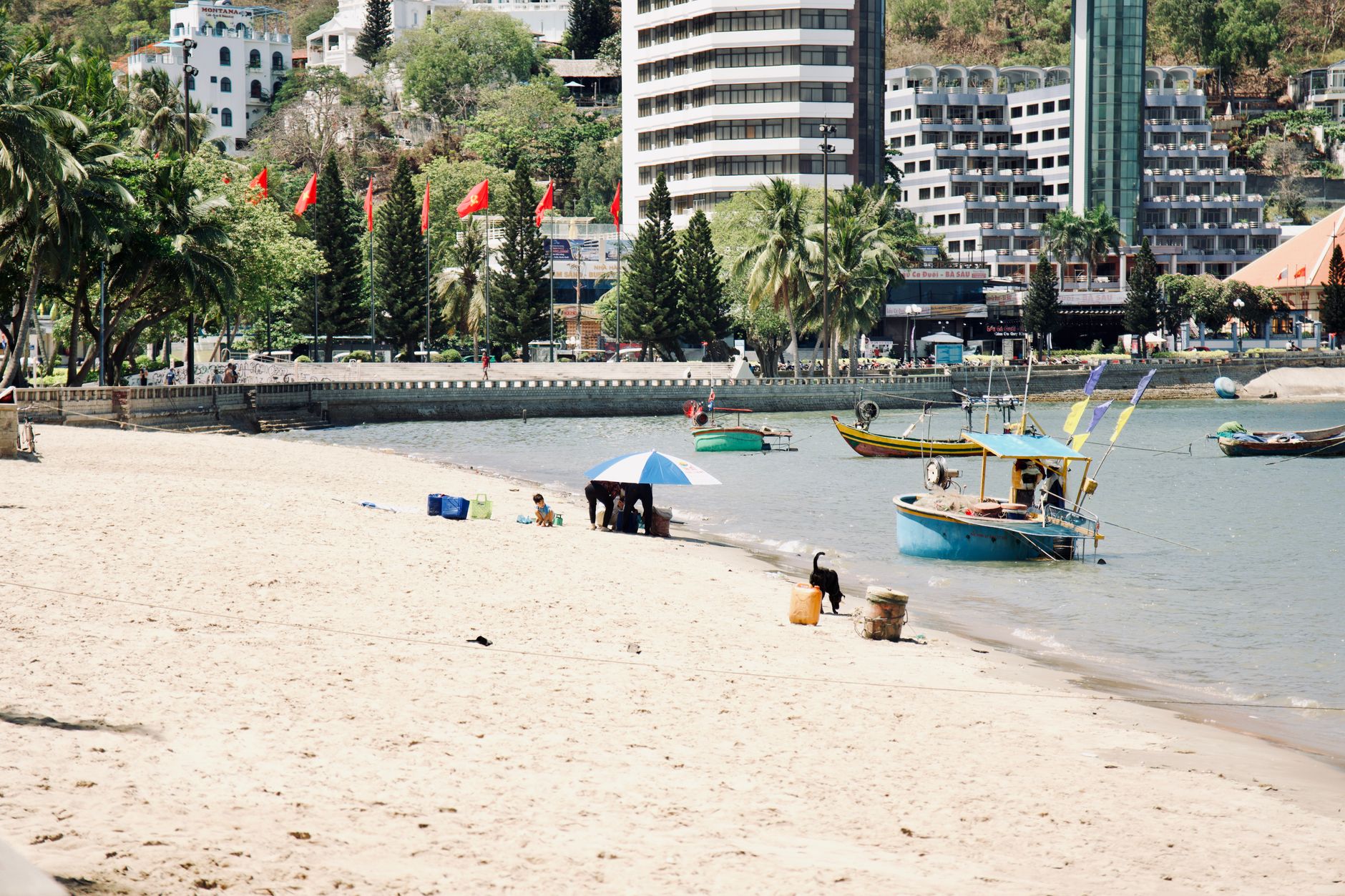
Escape the weekend crowds with this slow-paced, five-day family itinerary to Vung Tau, featuring kid-friendly seafood spots, shaded walks, and quiet coastal day trips.
Vung Tau is Saigon's pressure-release valve — two hours by ferry, a long beach, and one of the south's best street-food scenes. Here's how to do it in 48 hours.
Vietnam (베트남 / 越南 / ベトナム) is not a wine destination by reputation, but it probably should be — and once you add Da Lat's vineyards to a circuit that runs through Hoi An, Hue, and Hanoi, you've got eight days that cover more culinary ground than most people manage in three weeks.
Fly into Da Lat (달랏 / 大叻 / ダラット) and spend your first afternoon at Dalat Chateau Winery on Dong Khoi Street, the most serious of the local producers. Their reserve reds made from Cardinal and Merlot grapes are not going to challenge Burgundy, but they're honest, food-friendly wines that cost around 180,000–350,000 VND a bottle at the cellar door. The tasting room is low-key and the staff will walk you through the production without a sales pitch.
Day 2 belongs to the Da Lat Central Market. Get there before 7 a.m. to see the flower and vegetable trade at full volume — this is where produce from the plateau's farms moves into the city. Strawberries, artichokes, avocados, and local green vegetables you won't find cheaper anywhere else in the country. Pick up a bag of Da Lat strawberry jam and a block of local peanut brittle for the road.
For dinner, find a spot serving banh can (rice-flour mini-pancakes cooked in clay molds, topped with quail egg and spring onion) near the night market. It's the city's most specific street snack and costs about 30,000 VND for a full plate.
Fly Da Lat to Da Nang (roughly 1 hour), then taxi or grab-bike 30 km south into Hoi An. You'll be in the old town by early afternoon. Use the rest of the day to walk the covered Japanese Bridge area and eat lightly — tomorrow is a cooking class and you want to arrive hungry.
A bowl of "cao lau" at one of the old-town shops tonight makes sense: the flat, smoky pork-and-ash-water noodles are specific to Hoi An and the dish has a dedicated article on the site worth reading before your class.
Book a half-day class with one of the market-to-table operators (Morning Glory Cooking School or the Red Bridge class are both solid). These typically start at 8 a.m. with a guided walk through Hoi An Central Market, where your instructor will explain why the shrimp paste sold here differs from Hue's version, and which herbs are non-negotiable for "banh xeo" — the sizzling rice-flour crepe filled with pork and prawns that you'll make in the first session.
Expect to cook three to four dishes over three hours and eat everything you make. Classes run 650,000–950,000 VND per person depending on the school.
After the class, spend the afternoon loose. Hoi An's old town has several shops selling "mi quang" — the turmeric-yellow noodle dish that's the other great local staple. Order a bowl around 3 p.m. when the lunch crowds have thinned.

Photo by Pew Nguyen on Pexels
Hire a car or take an open-tour bus 120 km north along the coast to Hue — about 3 hours including the Hai Van Pass crossing, which is worth doing in the daytime for the views over Lang Co lagoon below.
Hue dinner: find a local spot serving "bun bo hue" for under 50,000 VND. This is the city's defining bowl — spicy lemongrass beef broth, thick round noodles, slices of pork and beef shank. It's more assertive than Hanoi pho and the local version, eaten in Hue itself, is noticeably better than what gets served under the same name in other cities.
Hue was the imperial capital for 143 years under the Nguyen dynasty, and the cuisine still carries that legacy. Book a royal set lunch at Tinh Gia Vien on Le Thanh Ton Street or La Carambole — both serve the traditional "com cung" format: small, intricate dishes in lacquered boxes meant to reflect court presentation. Expect lotus-seed soup, steamed rice with shrimp paste, miniature spring rolls, and "nem chua" (fermented pork rolls in banana leaf). Budget 300,000–500,000 VND per person.
The afternoon is for the street food circuit: banh khoai (smaller, crispier version of banh xeo) near Dong Ba Market, a cone of "banh beo** (steamed rice rounds with dried shrimp) from any of the vendor carts around Truong Tien Bridge, and a stop at the Tomb of Khai Dinh if you want to combine history with the walk.

Photo by Quý Nguyễn on Pexels
Morning flight to Hanoi (1.5 hours). Drop your bags and head straight into the Old Quarter.
Hanoi's food geography rewards walking. Start with "pho" at Pho Bat Dan on Bat Dan Street — queue outside, pay at the counter, eat standing or on a low plastic stool. Then walk ten minutes to Hang Trong Street for "banh cuon" — steamed rice rolls with minced pork and wood-ear mushroom, served with a thin dipping broth and crispy fried shallots.
Evening: bun cha on Hang Manh or Le Van Huu Street. Grilled pork patties and belly in a sweet-sour dipping broth with a basket of herbs and a plate of cold rice vermicelli — this is Hanoi's definitive lunch dish, though the restaurants serve it well into the evening. Wash it down with a glass of "bia hoi" from one of the corner kegs on Ta Hien Street at around 7,000–10,000 VND a glass.
End the night with "egg coffee" at Cafe Dinh on Dinh Tien Hoang — a small, second-floor room with condensed-milk-and-egg-yolk foam poured over strong robusta. It's thick, sweet, and entirely its own thing.
If your flight is afternoon or later, spend the morning at Dong Xuan Market — the city's oldest covered market and still the most useful one for dried goods, local snacks, and cheap breakfast. The ground-floor food stalls open before 6 a.m. Try a bowl of "bun thang" here: a Hanoi specialty of fine rice vermicelli in clear chicken broth with shredded chicken, egg ribbons, and dried shrimp.
Pick up vacuum-packed "pho" spice kits and bags of Da Lat coffee as edible souvenirs before heading to Noi Bai.
Domestic flights (Da Lat–Da Nang, Hue–Hanoi) book through VietJet or Bamboo; total airfare runs 1,200,000–2,000,000 VND per leg if booked two to three weeks out. Cooking classes in Hoi An fill quickly in high season (November–January) — reserve ahead. Food budget across all four cities: 200,000–400,000 VND per day eating well at street level, double that for sit-down restaurants and the Hue royal lunch.