— FINE —
Ultimo aggiornamento · May 30, 2026 · ricerca indipendente, mai sponsorizzata.
We use minimal analytics + ads (no personal tracking). See our privacy policy.
Forget the textbook phrases. Here is the practical Vietnamese you need to navigate street food stalls, negotiate taxi rides, and connect with locals.
Altri articoli su questa città.

Winter in the north is damp, grey, and surprisingly chilly. Forget the tropical gear and pack for layering to survive the humidity.

…
Hotels, homestays, hostels — strongest inventory in Vietnam.
Thousands of foreigners teach English or freelance in Vietnam on tourist visas. Here is what Vietnamese law actually says, when it gets enforced, and how to do it properly.
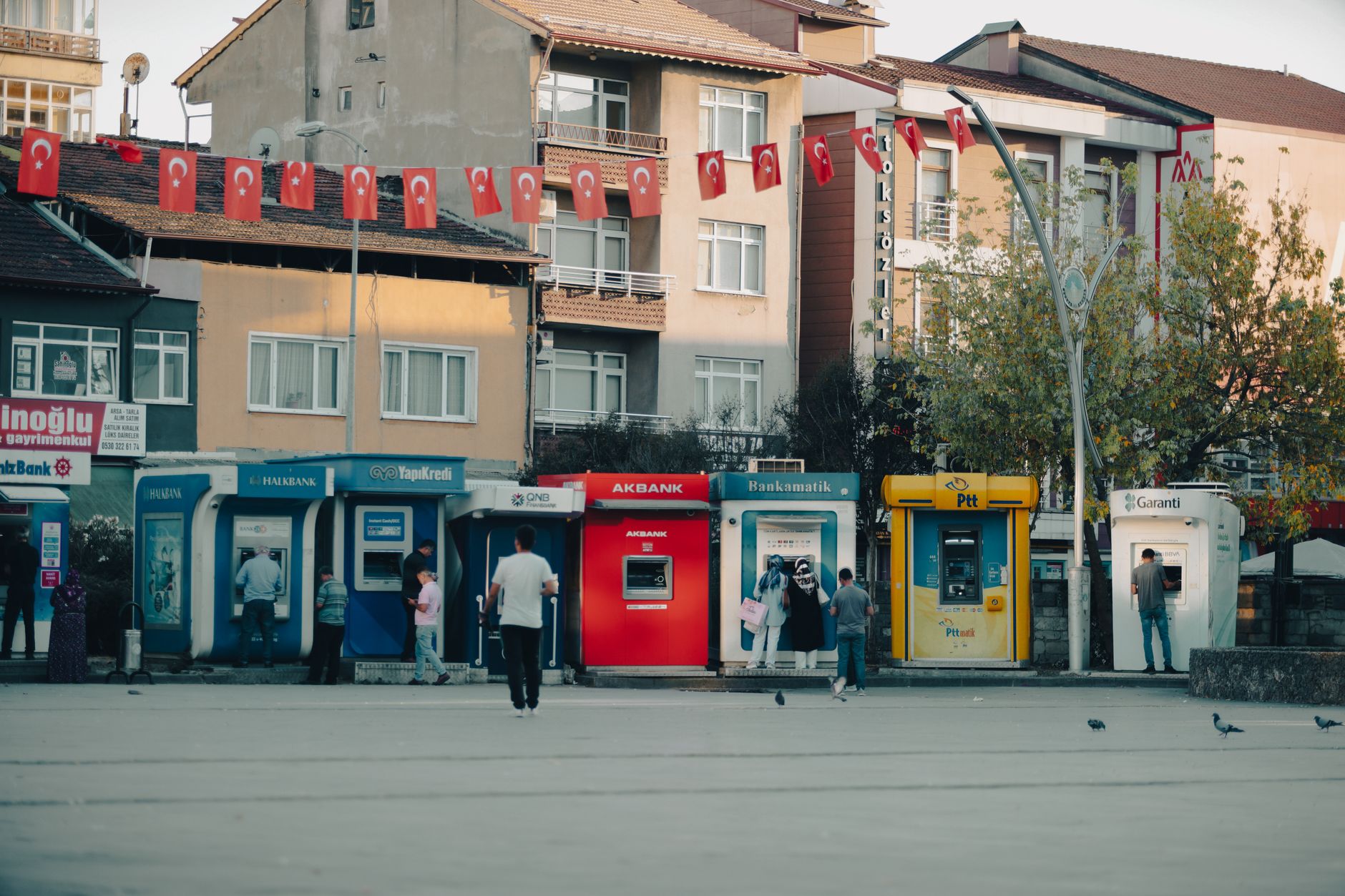
The Wise debit card works well in Vietnam if you know the fee structure. Here's how to use it at ATMs and merchants without losing money on bad rates.
Altri articoli in questa regione.

The Wise debit card works well in Vietnam if you set it up right. Here's how to avoid fees, use the VND balance, and when it beats alternatives.

Vietnam's wellness scene has matured fast. Here's how to spend 7 days across four retreats — Hoi An, Da Lat, Phu Quoc, and Mai Chau — depending on your pace and budget.
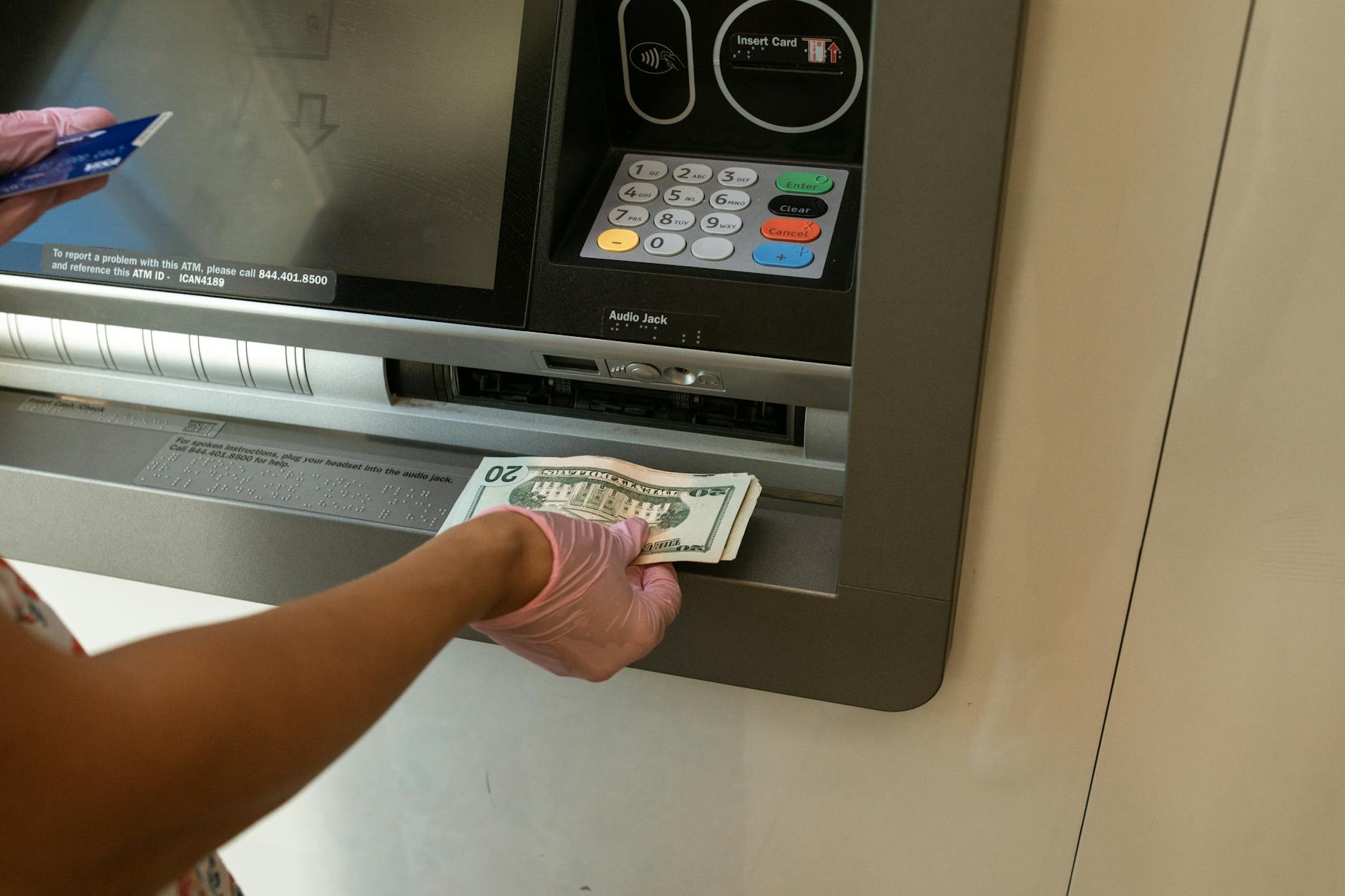
Vietnam runs on dong, but there are real situations where USD cash matters. Here is where you can actually pull USD from an ATM or bank counter.
More articles from the same category.
Forget the heavy gear. Packing for the Mekong Delta is about managing humidity, protecting your skin, and staying mobile on the water.

Wise works for sending VND to Vietnamese banks, but the process has quirks. Here's what fees to expect, which banks receive fastest, and why transfers get rejected.
Fees, speeds, and bank coverage compared for the three most-used international transfer services into Vietnam — so you pick the right one before you send.
Forget the resort-brochure packing lists. Here is the gear you actually need for Vietnam's coast, from the sands of Da Nang to the islands of Phu Quoc.
Mastering basic time and day markers in Vietnamese will save you from missed buses and confused taxi drivers. Here is the essential cheat sheet for your trip.

Most travel insurance policies have gaps that matter specifically in Vietnam — motorbike coverage, medical evacuation, and hospital payment methods. Here is what to check before you buy.
Most language apps teach you formal, rigid Vietnamese that sounds like a 1950s textbook. If you walk into a stall in Saigon and ask for "pho" using the exact phrasing from a tourist app, you will likely get a polite smile and a confused look. Vietnamese is a tonal language, but it is also a language of social hierarchy. The "pronoun" you choose defines your relationship with the person you are talking to.
If you want to get by, stop trying to sound like a local and start trying to be understood. Here is the reality of how to communicate effectively without spending months on grammar.
In Vietnam (베트남 / 越南 / ベトナム), you are rarely just "you." You are defined by your age and status relative to the person you are speaking to. The easiest way to bypass this is to use the word "em."
"Em" translates roughly to "younger sibling," but it is the universal pronoun for anyone you are interacting with in a service capacity—waiters, drivers, or shopkeepers. If you are a tourist, you are almost always the "older" person in the social dynamic of a transaction, but using "em" is a sign of respect and friendliness.
It is much safer to use "em" than to guess between "anh" (older brother) or "chi" (older sister), which can sometimes lead to awkward corrections if you guess wrong.
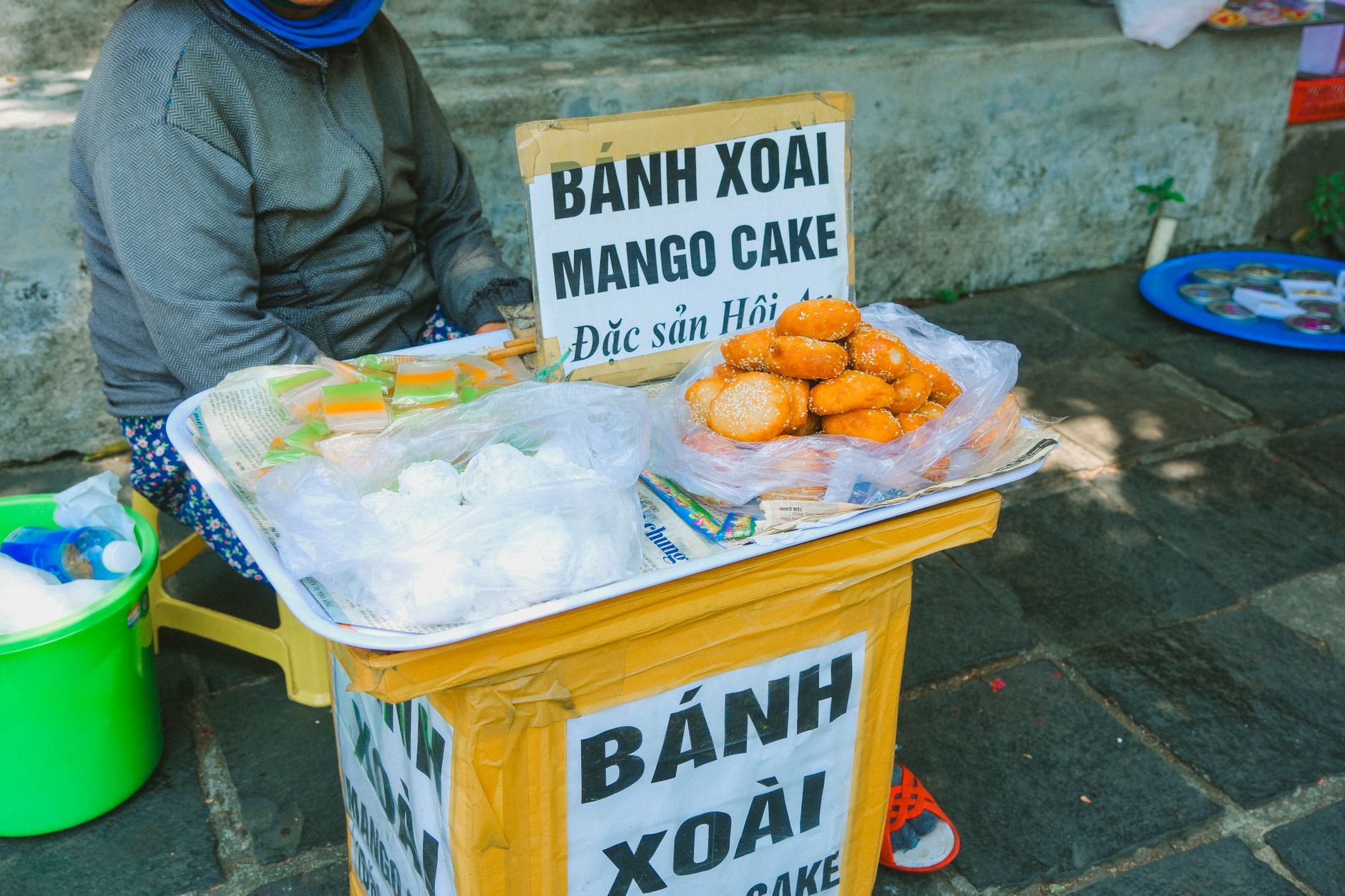
When you sit down for a bowl of "bun bo hue" or "banh mi," you do not need full sentences. In fact, full sentences make you sound like a robot. Keep it to the point.

Photo by Nguyen Ngoc Tien on Pexels
Taxi drivers and motorbike riders in cities like Hanoi or Da Nang appreciate it when you know the basics of direction.
If you are using a ride-hailing app, you rarely need to speak, but if you are flagging a cab on the street, have your destination written on your phone screen. Vietnamese is notoriously difficult for foreigners to pronounce correctly, and a slight tonal shift can change the meaning of a street name entirely. Don’t be embarrassed to show a map—it saves everyone time.
Over-apologizing: In the West, we say "sorry" for everything. In Vietnam, "xin loi" (sorry) is a heavy word. Only use it if you have actually committed a faux pas or caused a genuine problem. If you bump into someone on a crowded sidewalk in the Old Quarter, a simple nod or a small smile is usually enough.
The "Hello" trap: You do not need to say "xin chao" to everyone you pass. It is formal and can sound a bit touristy. A smile or a nod is the standard way to acknowledge someone in a market or a shop.
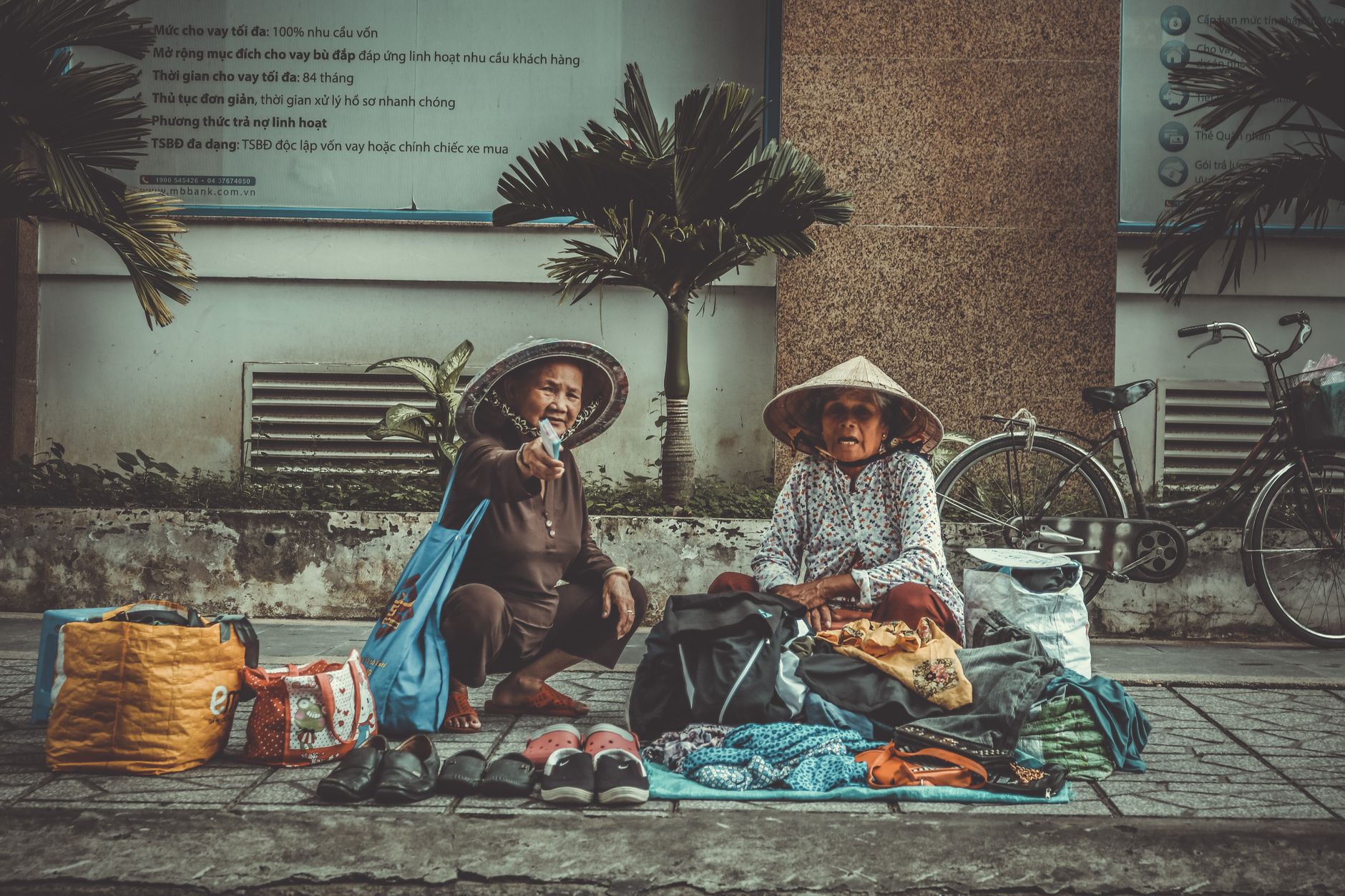
Assuming everyone speaks English: While younger generations in major cities speak decent English, do not assume the woman selling "goi cuon" on the corner does. If you get stuck, use your phone to translate or simply point. Pointing is not considered rude here as long as you are smiling.
Photo by Nguyen Ngoc Tien on Pexels
If you want to sound instantly more polite, start your sentences with "Da." It is a particle that adds a layer of softness and respect.
It is a small linguistic hack that signals to the local you are speaking with that you are trying to be respectful of their culture. It goes a long way in places like Hue, where social etiquette is held in high regard.
Don't stress about the tones. Even if you get them wrong, the effort to speak a few words of the local language is almost always met with warmth and better service. Keep it simple, use "em," and always carry a smile.