— 終 —
最終更新 · May 27, 2026 · 独自取材、スポンサーなし。
We use minimal analytics + ads (no personal tracking). See our privacy policy.
Bai Tu Long Bay sits directly north of Ha Long with the same limestone karsts and a fraction of the cruise traffic — here's how to actually get there and where to stay.
最終更新 · May 27, 2026 · 独自取材、スポンサーなし。
この都市に関する他の記事。

Two days, one coastal escape. Ha Long and Cat Ba deliver some of northern Vietnam's best seafood — if you know where to skip the tourist traps.

…
Hotels, homestays, hostels — strongest inventory in Vietnam.
Ha Long's real food culture goes well beyond tourist buffets — grilled squid patties, dried peanut worms, and live mantis shrimp pulled straight from floating cages.

Three coastal regions, three entirely different seafood cultures. Where to eat lobster in Nha Trang, sea urchin in Phu Quoc, and oysters in Ha Long—and how to find the fishermen's stalls instead of the tourist traps.
この地域の他の記事。

Winter in the north is damp, grey, and surprisingly chilly. Forget the tropical gear and pack for layering to survive the humidity.
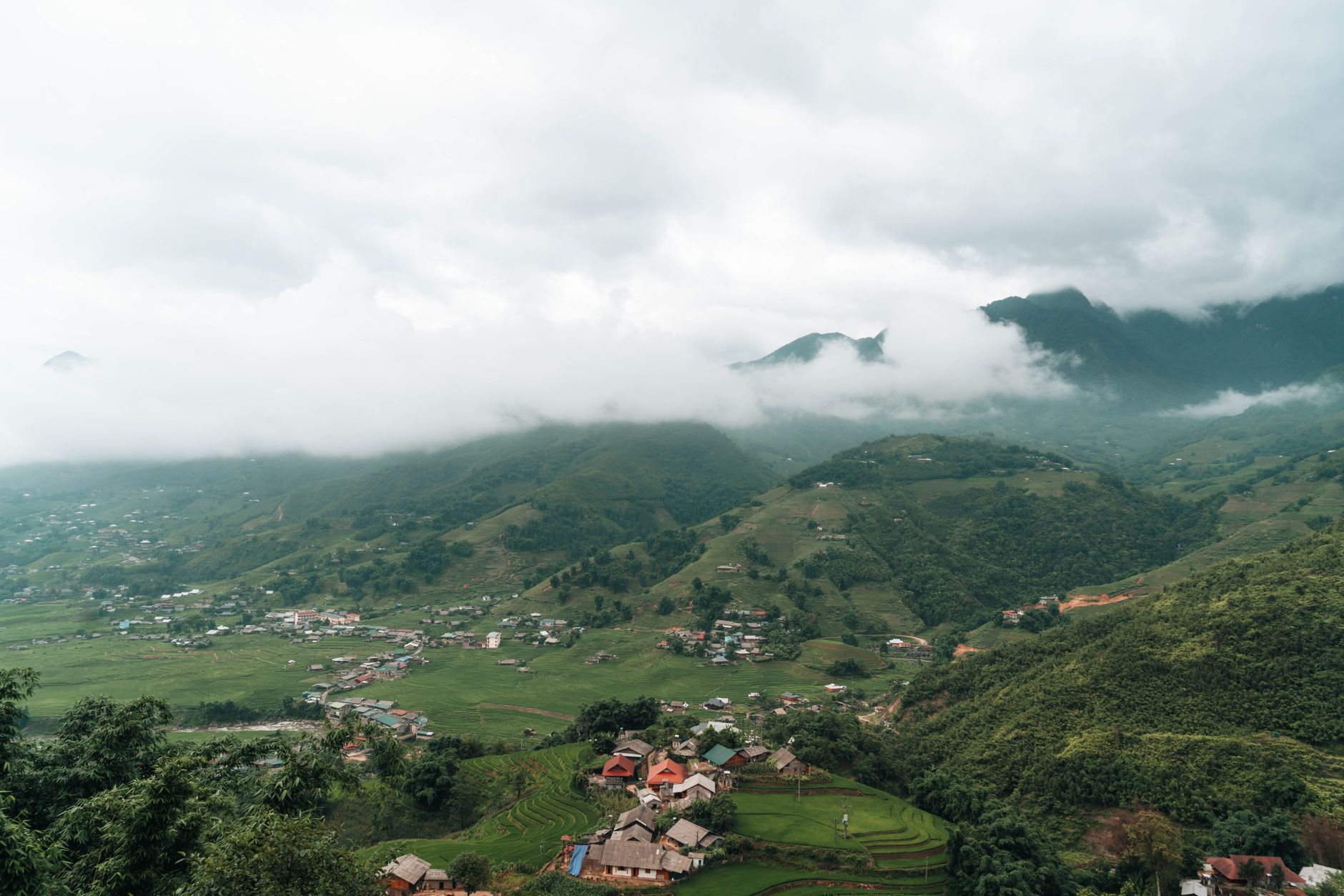
Y Ty is a Ha Nhi ethnic commune in Lao Cai province where sea-of-cloud mornings run from September to March — and almost nobody shows up compared to Sa Pa.

Y Ty's sea of fog is not a rumor — but it only appears reliably for a few weeks a year. Here's when to go, where to stand, and how to sleep close enough to catch it.
More articles from the same category.
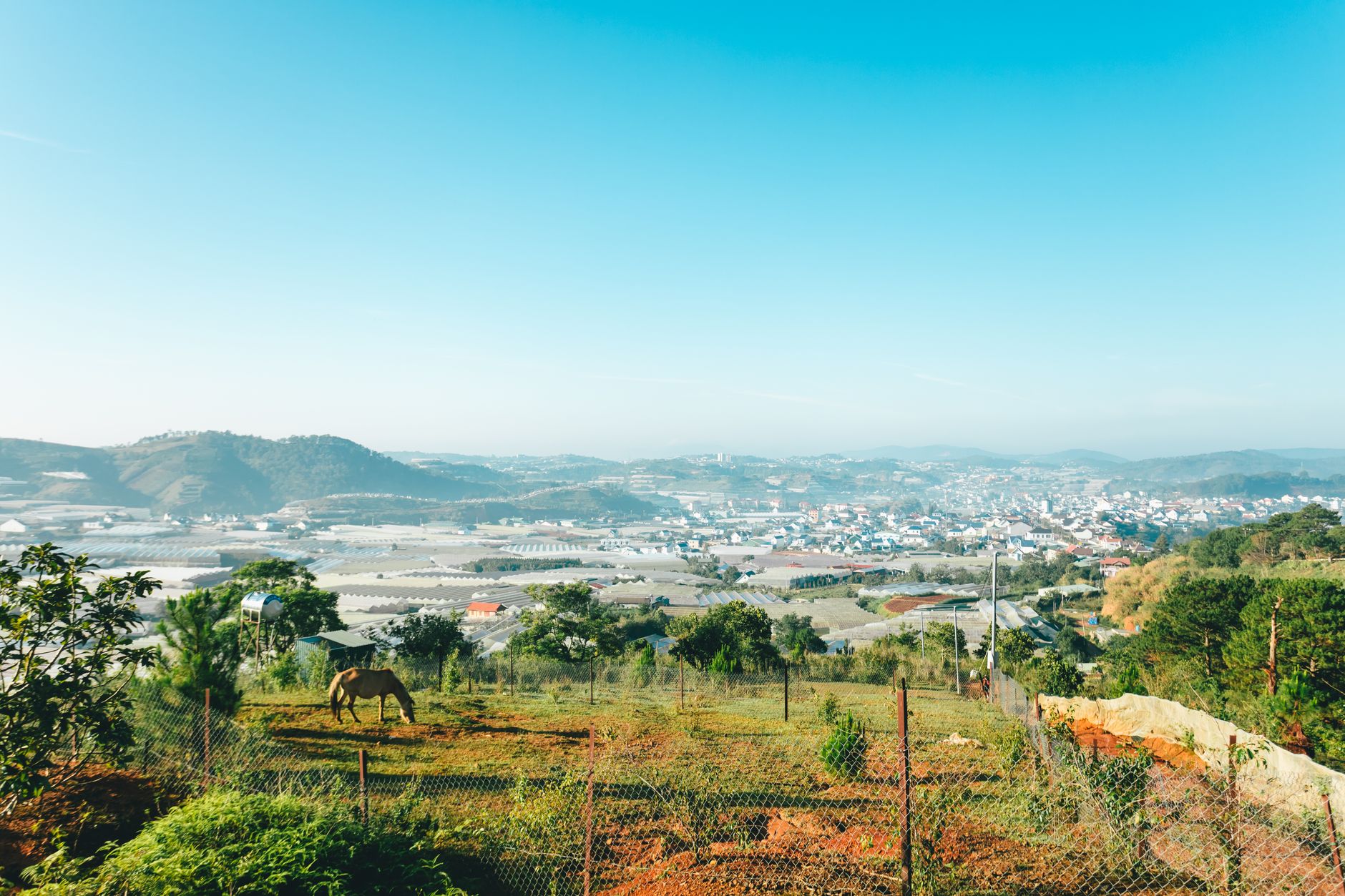
Yok Don is Vietnam's biggest national park and one of its least-visited. Here's what actually lives inside — and how to do it properly.

Yen Tu in Quang Ninh province is Vietnam's most significant Buddhist pilgrimage site — a forested mountain where a 13th-century king renounced his throne and founded a homegrown school of Zen.
Skip the crowds of Sapa for Y Ty, a remote highland outpost in Lao Cai where clouds settle in the valleys and ancient mud-walled houses dot the terraced hills.
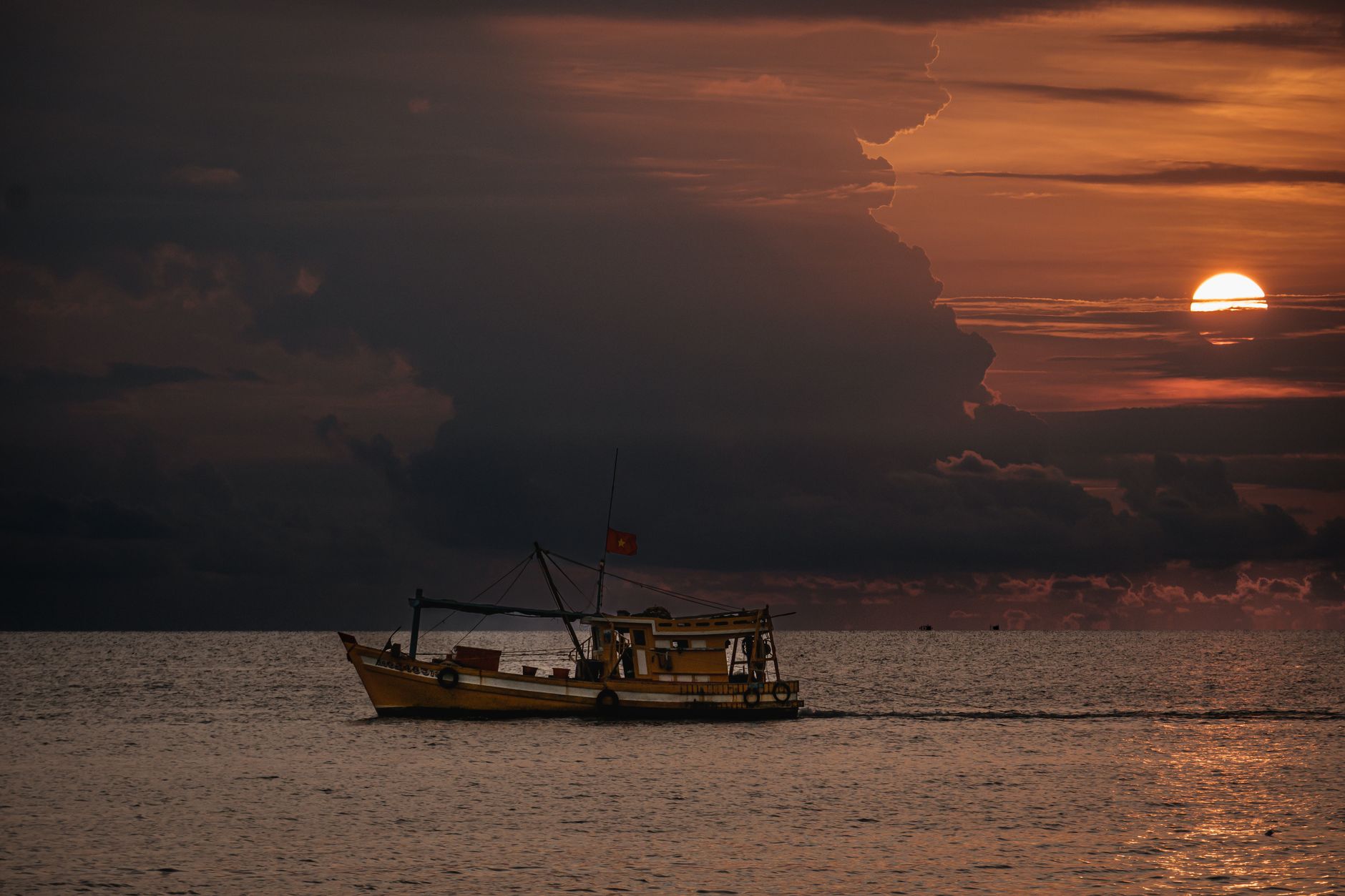
Skip the mega-resort bubble and head south to the An Thoi archipelago. This independent day-trip route covers speedboat logistics, quiet snorkeling spots, and local seafood.

A practical, no-nonsense guide to visiting Phong Nha Cave independently, including how to navigate the boat-sharing system, costs, and what to expect.

Ditch the crowded tourist loops of the Mekong Delta for Tri Ton, a quiet district of emerald palmyra fields, sacred Khmer pagodas, and incredible street food.
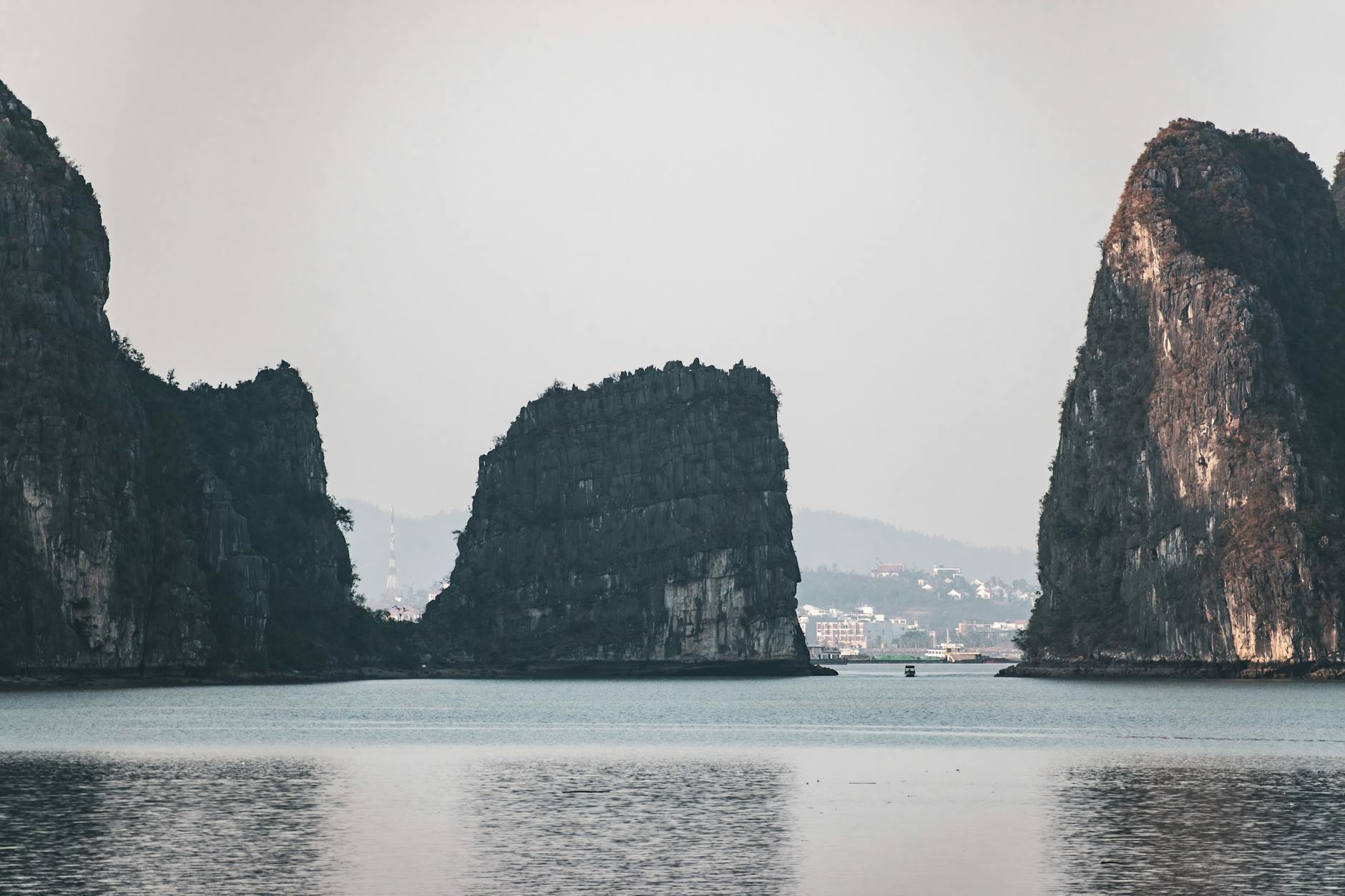
Bai Tu Long Bay is essentially Ha Long Bay with the tour buses removed. Same geology, same green water, same improbable rock formations — but the cruise density drops off sharply once you cross into Bai Tu Long's boundaries, and the islands are actually inhabited by people who fish for a living rather than pose for photographs.
Ha Long Bay (하롱베이 / 下龙湾 / ハロン湾) gets somewhere north of 3 million visitors a year. Bai Tu Long, which shares the same UNESCO-listed limestone karst ecosystem and sits immediately to the northeast, gets a small fraction of that. The practical difference is visible: on a weekday morning in Bai Tu Long, you might anchor near a karst formation and see one other boat. In Ha Long, you'd see thirty.
The bay covers roughly 1,650 square kilometers across Quang Ninh province, with the main inhabited islands — Quan Lan and Minh Chau — accessible by ferry from Cai Rong port in Van Don district. Van Don is about 60 km northeast of Ha Long city, a straightforward drive along Highway 18.
The karst landscape here is geologically identical to Ha Long — towering limestone pillars draped in scrub vegetation, caves worn through by water over millions of years, hidden lagoons you reach by kayak. What changes is the atmosphere. Fishing villages are still functional. The seafood you eat was caught that morning.
Most visitors come through Ha Long city or Hanoi. From Hanoi, the fastest option is the Hanoi–Ha Long expressway to Van Don, then a short drive to Cai Rong port. Total door-to-port time is around 3.5 to 4 hours depending on traffic leaving the city.
From Ha Long city to Cai Rong port is about 50 km, or roughly an hour by car. Taxis and booked cars are the realistic option — there's no direct public bus that's convenient for travelers with luggage.
Ferries from Cai Rong to Quan Lan run several times daily, with the crossing taking 45 minutes to an hour on the faster hydrofoil. Tickets run around 120,000–150,000 VND one way. Check the schedule at the port — last ferries back tend to be mid-afternoon, which catches people out if they're not paying attention.
This is genuinely the best reason to come. Bai Tu Long has several cave-and-lagoon systems that reward kayaking — Ba Ham Lake and the Hon Co area are the most commonly accessed. The water is calmer inside the karst clusters, and without a flotilla of cruise boats running engine noise in the background, it's actually quiet in a way Ha Long rarely is anymore.
Most overnight cruises that operate in Bai Tu Long include kayaking as part of the itinerary. If you're island-based (staying on Quan Lan or Minh Chau), you can arrange kayak rentals through guesthouses, though the selection is thinner than on a dedicated cruise.
Snorkeling around the outer islands, particularly near Quan Lan's south coast, is worth doing between April and September when visibility is better.

Photo by Dương Nguyễn on Pexels
Quan Lan is the larger and more developed of the two main islands, which still means it's very small. The main village, also called Quan Lan, has a cluster of guesthouses and simple seafood restaurants along the beach road. Expect to pay 300,000–600,000 VND per night for a clean room with air conditioning. A few places have been upgraded recently and charge closer to 800,000–1,000,000 VND, which still feels reasonable for a beach room with a direct sea view.
The beach on Quan Lan's east side is long, relatively uncrowded, and fully functional for swimming. No jet skis, no hawkers working the shoreline. The sand isn't postcard-white — it's the typical grey-gold of northern Vietnamese beaches — but the calm makes up for it.
For food, the guesthouses mostly cook to order. Fresh crab, clams, and grilled fish are the staples. A seafood meal for two with rice and a couple of "bia hoi" — draft beer — will run 200,000–350,000 VND depending on what you order and how well you negotiate.
Minh Chau sits adjacent to Quan Lan — they're technically the same island, separated by a narrow channel — and gets notably fewer visitors. There's one main beach, a handful of homestays, and not much else. That's the point.
If you're traveling as a couple or solo and you want a few days that involve reading, swimming, and eating simply, Minh Chau delivers that without any effort. Accommodation is basic — expect 200,000–400,000 VND per night at a homestay. Bring cash, because ATMs are not a reliable feature of the island.

Photo by Nguyen Ngoc Tien on Pexels
The bay's seafood is the thing to focus on. Squid cooked with garlic and chili, steamed clams with lemongrass, crab curry with rice — straightforward preparations that work because the ingredients are genuinely fresh. If you've been eating "bun cha" and "banh mi" on the mainland, the island diet is a useful shift.
On the cruise boats, meals are typically included and the quality varies by operator. Ask specifically about whether seafood is sourced locally or brought from the mainland — it's a reasonable question and the answer tells you something about the boat.
An overnight cruise gives you more flexibility to reach the better kayaking spots and tends to include guides who know the bay. Two-day, one-night cruises from Ha Long city into Bai Tu Long run 2,500,000–4,500,000 VND per person depending on the boat's standard. A handful of operators specifically market Bai Tu Long routes rather than routing into the more crowded Ha Long core.
Island-based stays cost less and feel more grounded — you're in a real place rather than floating accommodation — but getting to the outer karst formations requires arranging a boat separately, which adds friction.
For most people, the best version of a Bai Tu Long trip combines one night on a cruise with one night on Quan Lan, giving you both the open-water experience and some time on land.
The bay is accessible year-round, but the clearest weather runs from April through early October — outside of typhoon season, which peaks August to September. Bring cash to the islands; card payments are rare outside of a couple of the newer guesthouses. The ferry schedule from Cai Rong changes seasonally, so confirm times at the port on arrival rather than relying on information more than a few weeks old.