— 終 —
最終更新 · May 30, 2026 · 独自取材、スポンサーなし。
We use minimal analytics + ads (no personal tracking). See our privacy policy.
A slow, coastal-only itinerary hitting Ha Long, Quy Nhon, Nha Trang, Mui Ne, and Con Dao — with actual rest days built in so you're not just ticking boxes.
最終更新 · May 30, 2026 · 独自取材、スポンサーなし。
この都市に関する他の記事。

Locals live on Zalo, tourists default to WhatsApp — here's why that gap matters and how to bridge it before your trip.

…
Hotels, homestays, hostels — strongest inventory in Vietnam.
Thousands of foreigners teach English or freelance in Vietnam on tourist visas. Here is what Vietnamese law actually says, when it gets enforced, and how to do it properly.

The Wise debit card works well in Vietnam if you know the fee structure. Here's how to use it at ATMs and merchants without losing money on bad rates.
この地域の他の記事。

The Wise debit card works well in Vietnam if you set it up right. Here's how to avoid fees, use the VND balance, and when it beats alternatives.

Vietnam's wellness scene has matured fast. Here's how to spend 7 days across four retreats — Hoi An, Da Lat, Phu Quoc, and Mai Chau — depending on your pace and budget.

Vietnam runs on dong, but there are real situations where USD cash matters. Here is where you can actually pull USD from an ATM or bank counter.
More articles from the same category.
Da Lat has quietly become Vietnam's most liveable remote-work base — cool air, cheap rent, and more cafes than you can reasonably test in a month.

Hoi An is slow, cheap, and surprisingly well-connected. Here is what a working month actually looks like — costs, internet, and where to sit with a laptop.

Hoi An works better as a slow-living base than most people expect — if you know where to sleep, where to plug in, and how far your budget actually stretches.

Da Lat has quietly become Vietnam's most livable remote-work base — cool air, cheap rent, and a cafe scene dense enough to keep you caffeinated for months.

Skip the crowded highways and ride this 4-day motorbike loop from Quy Nhon through the dramatic cliffs of Phu Yen and the quiet valleys of the Central Highlands.

From Da Lat's hillside wineries to Hanoi's old-quarter street food, this 8-day itinerary connects Vietnam's most distinctive food cultures in one focused trip.
Vietnam (베트남 / 越南 / ベトナム)'s coastline runs roughly 3,400 km from north to south. Most people see a fraction of it. This 14-day route strings together five genuinely different beaches — limestone karsts, empty coves, wind-blown dunes, and a near-pristine island — with enough breathing room at each stop that you're not spending every afternoon on a bus.
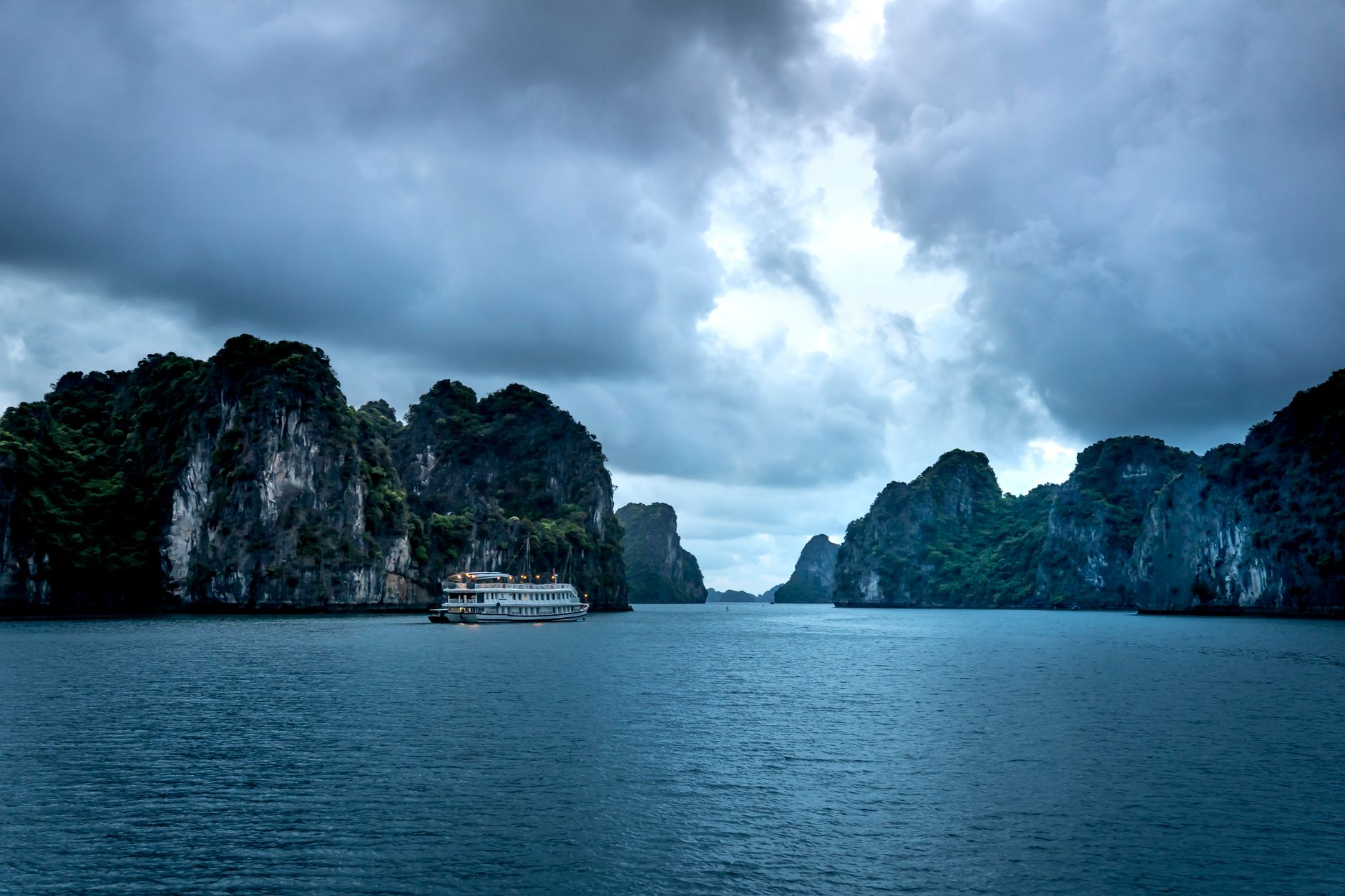
Fly into Hanoi and take the four-hour shuttle east to Ha Long. Skip the budget cruise operators clustered near the main pier and look at mid-range boats departing from the Tuan Chau Marina — the extra 200,000–300,000 VND per person gets you away from the boat traffic jam near Bai Chay.
Book a two-day, one-night cruise. The itinerary almost always includes kayaking through a finger of karst, a cave walk (Thien Canh Son is quieter than the main Sung Sot circuit), and enough time to sit on deck with a "bia hoi" at sunset without feeling rushed. Don't expect pristine water — Ha Long is busy and the bay shows it. The appeal is the scale of the landscape, not the swimming.
Day 2 afternoon: return to Hanoi (하노이 / 河内 / ハノイ), overnight train or budget flight south.
Quy Nhon is the stop most coastal itineraries skip, which is precisely why it works. The city is compact, the beaches are long and mostly uncrowded on weekdays, and the food is excellent in ways that have nothing to do with tourism.
"Mi quang" — the turmeric-stained noodle dish native to Binh Dinh province — is everywhere here and costs 35,000–50,000 VND a bowl. Eat it for breakfast. Bai Xep, a small fishing cove about 18 km south of the city centre, has become a low-key backpacker enclave but still feels like somewhere real.
Rest day: rent a motorbike (100,000–130,000 VND/day) and ride the coastal road south past Ky Co beach and back. The road is quiet, the views over the headlands are good, and you'll pass working fishing villages that haven't been reshaped for visitors.

Photo by Serg Alesenko on Pexels
Nha Trang has a reputation — beach resort city, Russian package-tour clientele, neon bar strips on Bui Vien's spiritual cousin. That reputation is earned. But the 6 km beach is genuinely beautiful when you're actually in the water, and the city has good bones if you know where to look.
"Banh canh" crab soup from the street stalls near Dam Market is one of the better bowls you'll eat on this trip. The Po Nagar Cham towers on the north bank of the Cai River are worth an hour — they date to the 8th century and are still used for active worship, which gives them a different quality from the ruins-as-museum experience at My Son.
Rest day: take the short ferry to Hon Mieu island or hire a snorkelling boat to Hon Mun. The reef around Hon Mun is patchy but the best accessible coral you'll find this close to Nha Trang's main beach. Afternoon back in the city: cold "ca phe sua da" somewhere on Nguyen Thien Thuat, do nothing useful.
Mui Ne is a 45 km strip of beach road rather than a proper town. Sleeper bus from Nha Trang takes about 3.5 hours. The draw here is specific: kitesurfing, the red and white sand dunes, and a fishing village that still operates at genuine pre-dawn scale.
The White Sand Dunes (Doi Cat Trang) are best before 7am, before the quad bikes arrive and before the heat makes walking them miserable. Hire a xe om from your guesthouse at 5:30am — it's around 50,000 VND each way — and you'll have the dunes largely to yourself in flat morning light.
"Banh mi" from the rolling carts near Hoa Binh Square in Phan Thiet (the actual town, 20 minutes from the resort strip) runs 15,000–25,000 VND and is the real breakfast here, not the resort buffet.
Rest day: do nothing at the beach. Mui Ne's wind makes it legitimately pleasant to lie under a palm umbrella in a way that Nha Trang's doesn't. If you want activity, rent a board from one of the kite schools for a lesson — rates hover around 700,000–900,000 VND for a two-hour beginner session.

Photo by Luke Dang on Pexels
Flying to Con Dao (Vung Tau Air or VASCO from Tan Son Nhat in Saigon, or a short puddle-jump from Can Tho) feels like breaking through to somewhere different. The archipelago is 16 islands; the main one, Con Son, has one small town, a few dozen guesthouses, no chains, sea turtles nesting on the beaches between July and September, and a national park that covers most of the island.
Rent a bicycle (50,000 VND/day) or motorbike and circle Con Son island in a morning. Dat Doc beach, on the east side, is the kind of place you stay longer than planned. Snorkelling off Bay Canh island — reachable by park-operated boat — is the best underwater visibility on this whole route.
Food on Con Dao is limited but the seafood is fresh. Grilled "goi cuon" with local squid at the restaurants along Nguyen Duc Thuan is the standard dinner. Expect to pay more than the mainland — 150,000–250,000 VND for a fish or squid dish is normal given the logistics of getting anything here.
Leave on Day 14 via Saigon, a 50-minute flight.
Total transport: two flights (Hanoi–Quy Nhon, Con Dao–Saigon), one sleeper bus (Nha Trang–Mui Ne), and local motorbike hire. Budget 1,000,000–1,500,000 VND per person per day including accommodation at mid-range guesthouses. Travel between November and April for the central and southern coast — Ha Long is damp year-round but manageable outside of typhoon season (July–September).