Most travelers treat Da Nang as a brief transit point between Hoi An and Hue, missing the city's own layered history. This 10-day itinerary focuses on Cham heritage, coastal traditions, and the distinct food culture of Central Vietnam, using the city as a base for deep regional exploration.
Day 1 — River Life and Street Food
Start your trip in the heart of the city along the Han River. Begin at Han Market, a two-story trading hub that has operated since the French colonial era. While the central aisles are packed with souvenir stalls, the outer ring is where locals buy fresh produce, dried seafood, and spices.
For lunch, walk three blocks to try "mi quang" at Mi Quang Ba Mua. This signature noodle dish features wide rice noodles colored yellow with turmeric, served in a shallow, intense pork and shrimp broth, topped with fresh herbs, toasted sesame rice crackers, and hard-boiled quail eggs.
In the evening, walk the riverfront promenade to see the Dragon Bridge.
- Off-script suggestion: Skip the crowded riverfront cafes at night. Instead, wander the quiet residential alleys of Hai Chau 1 ward just behind the market, where families set up small plastic tables to sell homemade soy milk and sweet tofu pudding.
Day 2 — Cham Sculptures and Marble Mountains
Dedicate the morning to the Da Nang (다낭 / 岘港 / ダナン) Museum of Cham Sculpture. Established in 1915 by French archaeologists, this museum houses the world's largest collection of sandstone sculptures from the ancient Champa Kingdom, which ruled central and southern Vietnam for centuries. The exhibits display intricate carvings of Hindu deities like Shiva, Vishnu, and Brahma, salvaged from ruins across the region.
In the afternoon, travel 9 km south to the Marble Mountains, a cluster of five limestone hills named after the five elements. Climb the stone steps to Huyen Khong Cave, a massive cavern illuminated by natural shafts of light, which served as a secret field hospital during past conflicts.
- Off-script suggestion: Avoid the elevator and the aggressive souvenir vendors at the main entrance. Take the quieter eastern path up the mountain, and seek out the lesser-visited Am Phu Cave, which features dramatic stone carvings depicting Buddhist concepts of purgatory.
Day 3 — Peninsula Forests and Coastal Faith
Head north to the Son Tra Peninsula, a mountainous nature reserve jutting into the East Vietnam (베트남 / 越南 / ベトナム) Sea. Visit Linh Ung Pagoda, home to a 67-meter-tall white marble statue of the Lady Buddha (Guanyin) that stands as a protector for local fishermen facing rough seas.
- Off-script suggestion: Set an alarm for 5:00 AM and head to Man Thai beach at the base of the peninsula. You will catch the local fishermen landing their traditional round bamboo basket boats on the shore, sorting their catch of small anchovies and squid directly on the wet sand while buyers haggle over the morning prices.
Day 4 — Market Culture and Savory Pancakes
Spend your morning at Con Market, the busiest wholesale market in the province. The indoor food court is a sensory overload of steaming pots, sweet soups, and grilled meats.
For lunch, seek out "banh xeo" at Banh Xeo Ba Duong, hidden down a narrow alleyway off Hoang Dieu Street. These crispy, turmeric-scented rice pancakes are stuffed with pork, shrimp, and bean sprouts, then wrapped in thin rice paper with green bananas, starfruit, and a rich peanut dipping sauce.
- Off-script suggestion: Head to the back corner of Bac My An Market in the afternoon. Look for a stall selling "kem bo" (avocado ice cream topped with coconut flakes and dried jackfruit), a cheap, creamy local dessert popular with university students.
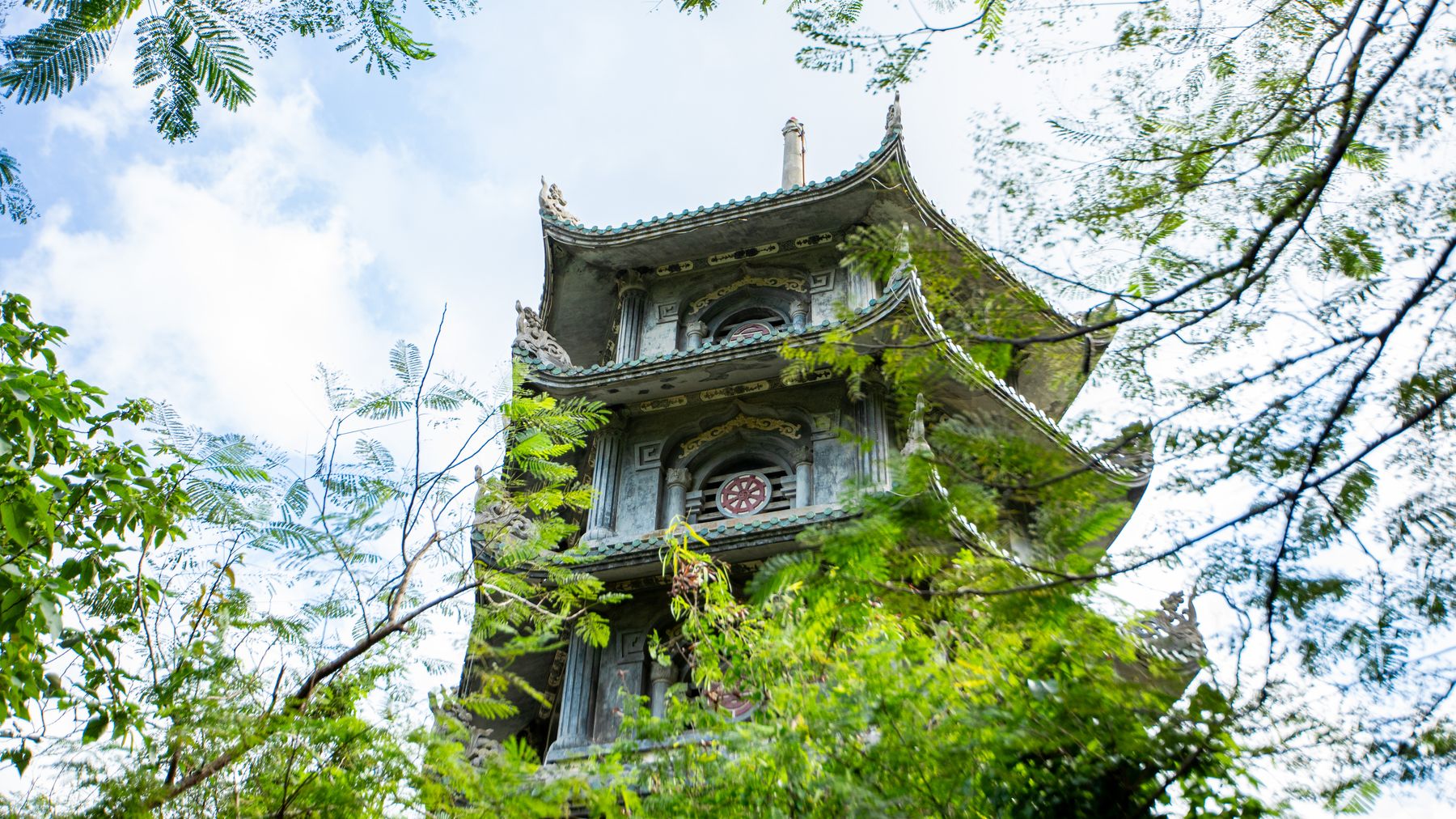
Photo by Sachith Ravishka Kodikara on Pexels
Day 5 — The Ruins of My Son Sanctuary
Take a day trip 40 km southwest to My Son, the spiritual heartland of the Champa Empire. Nestled in a green valley beneath Cat's Tooth Mountain, this UNESCO World Heritage site features dozens of red-brick temple towers built between the 4th and 14th centuries. The unique brickwork, joined without visible mortar, shows the architectural sophistication of the Cham builders.
- Off-script suggestion: Instead of booking a standard tour bus that arrives at midday when the heat is intense, hire a private driver and arrive at the gates at 6:30 AM. You will have the ancient ruins almost entirely to yourself before the tour groups arrive from Hoi An.
Day 6 — Art, Coffee, and Hidden Alleys
Spend a quiet morning at the Da Nang Fine Arts Museum. The three-story gallery showcases modern Vietnamese art, traditional woodblock prints, and war-era sketches that offer an intimate look at the country's recent history.
Afterward, dive into the local coffee culture. Order a classic "ca phe sua da" (strong robusta coffee dripped through a metal filter over sweetened condensed milk and ice).
- Off-script suggestion: Skip the modern, air-conditioned cafes. Find Long Cafe on Le Lai Street, a local institution operating since the 1980s. Sit on a low plastic stool on the sidewalk, listen to the bird cages hanging from the rafters, and watch the older generation play Chinese chess.
Day 7 — The Merchant Legacy of Hoi An
Travel 30 km south to the historic port town of Hoi An. Spend the afternoon walking the narrow streets of the Ancient Town, admiring the yellow-washed merchant houses, Japanese covered bridge, and Chinese assembly halls.
For dinner, try "cao lau", a noodle dish exclusive to Hoi An. The chewy, thick wheat noodles are traditionally made using water from the ancient Ba Le well, topped with sliced pork char siu and fresh herbs.
- Off-script suggestion: Avoid the crowded lantern-lit streets of the center after dark. Take the small passenger ferry from the Bach Dang pier across the river to Cam Kim Island, where you can watch traditional woodcarvers work in quiet workshops.

Photo by Hugo Heimendinger on Pexels
Day 8 — The Historic Hai Van Pass
Rent a motorbike or hire a driver to travel north over the Hai Van Pass. This winding mountain road offers views of the rugged coastline and the green peaks of the Annamite Range. Historically, this pass served as the physical and cultural boundary between different kingdoms and empires.
- Off-script suggestion: Stop at the peak of the pass, but bypass the tourist cafes. Walk up the grassy hill behind the shops to inspect the ruined brick fortifications, which include a gate built during the Minh Mang reign and bunkers used during the mid-20th century.
Day 9 — The Royal Tombs of Hue
Take an early morning train or private car through the mountains to Hue, the former imperial capital of the Nguyen Dynasty. Explore the Imperial Citadel, a vast walled complex modeled after the Forbidden City in Beijing.
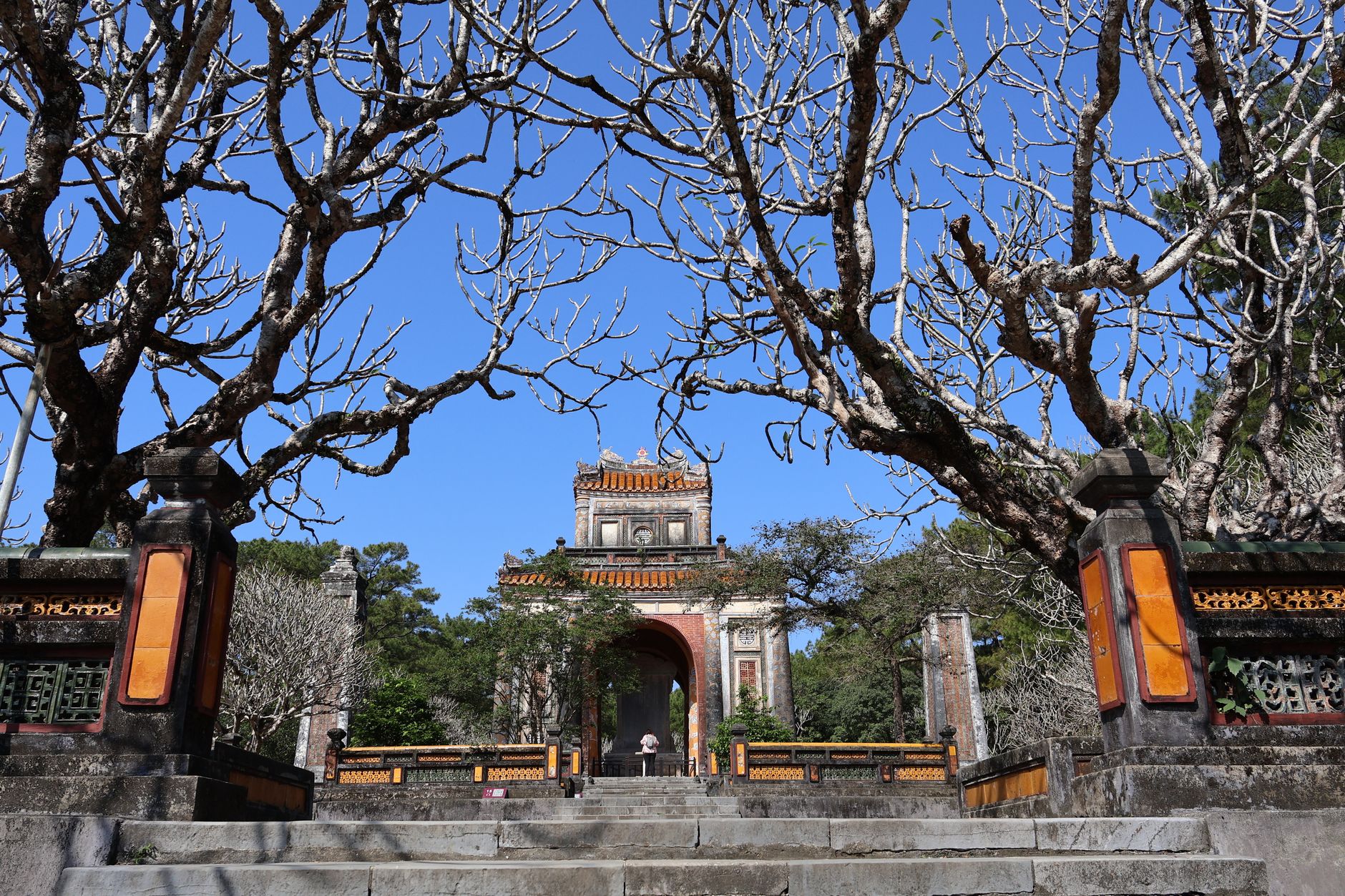
In the afternoon, visit the Tomb of Tu Duc, a sprawling royal burial ground designed by the emperor himself as a place of meditation, featuring pine forests, lakes, and stone pavilions.
For lunch, try "bun bo hue", the city's famous spicy beef noodle soup flavored with lemongrass and fermented shrimp paste.
- Off-script suggestion: Skip the highly restored Tomb of Khai Dinh. Instead, ask your driver to take you to the quiet, overgrown Tomb of Gia Long, located in a peaceful pine forest across the Perfume River, where you will rarely see another traveler.
Day 10 — Old Bridges and Quiet Sunsets
On your final day, take a slow walk across the Nguyen Van Troi Bridge. Built in the 1960s, this steel arch bridge is now a pedestrian-only zone, offering a quiet space to look back at the city skyline.
Before leaving, visit Cho Moi (New Market) to pick up local food gifts, such as dried squid, candied ginger, or jars of spicy Central Vietnamese chili paste.
- Off-script suggestion: Buy a fresh coconut from a street vendor near the eastern foot of the Thuan Phuoc Bridge. Sit on the grassy riverbank at dusk to watch the large container ships navigate the mouth of the Han River as they head out to sea.
Practical notes
For a cultural trip, base yourself in the Hai Chau district on the city side of the river rather than the beachside tourist strip of My An. This keeps you within walking distance of traditional markets, local coffee shops, and historical museums. Renting a 125cc scooter is the most practical way to navigate the day trips to Hoi An and the Hai Van Pass.
Last updated · May 30, 2026 · independently researched, never sponsored.