Day 1 — Arrival in Ha Giang City
Most travelers treat the city as a transit point, but stay a night to settle in. Check into a quiet riverside homestay near the Lo River. Spend your evening walking the banks and eating "com tam" at a local stall. Off-script: Visit the Tay ethnic village of Ha Thanh for a quiet walk through the rice paddies before dinner.
Day 2 — The Gateway to the North
Drive toward Quan Ba. The road climbs steadily, offering your first look at the karst plateau. Stop at the Heaven Gate viewpoint, but don't linger—the crowds are heavy. Continue to the town of Tam Son to find a local cafe serving "vietnamese coffee" with a view of the twin mountains. Off-script: Seek out a local market if it falls on a weekend; the colors of the Hmong textiles are unmatched.
Day 3 — Into the Karst Plateau
Head toward Yen Minh. The landscape shifts from lush green to jagged limestone. The drive is about 50km, leaving plenty of time for stops. Stop for a bowl of "pho" in a roadside shack—the broth is lighter here, flavored with mountain herbs. Off-script: Take the smaller, unpaved paths near the border fence for a private picnic.
Day 4 — The Valley of Lung Cam
Travel to the Sapa-like atmosphere of Lung Cam village. This is where the famous "Pao's House" is located. It is a traditional Hmong home that feels like stepping back a century. Spend the night in a restored stone house. Off-script: Ask your host to prepare a local chicken hotpot for dinner.

Photo by Quang Nguyen Vinh on Pexels
Day 5 — The Majesty of Dong Van
Drive to Dong Van. The road passes the Vuong Palace, a historic site belonging to the Hmong king. It is a mix of Chinese and local architecture. Spend your evening in the Old Quarter of Dong Van, which is surprisingly atmospheric once the tour buses leave. Off-script: Try the local "thang co" if you are adventurous, or stick to grilled skewers with local honey.
Day 6 — Ma Pi Leng Pass
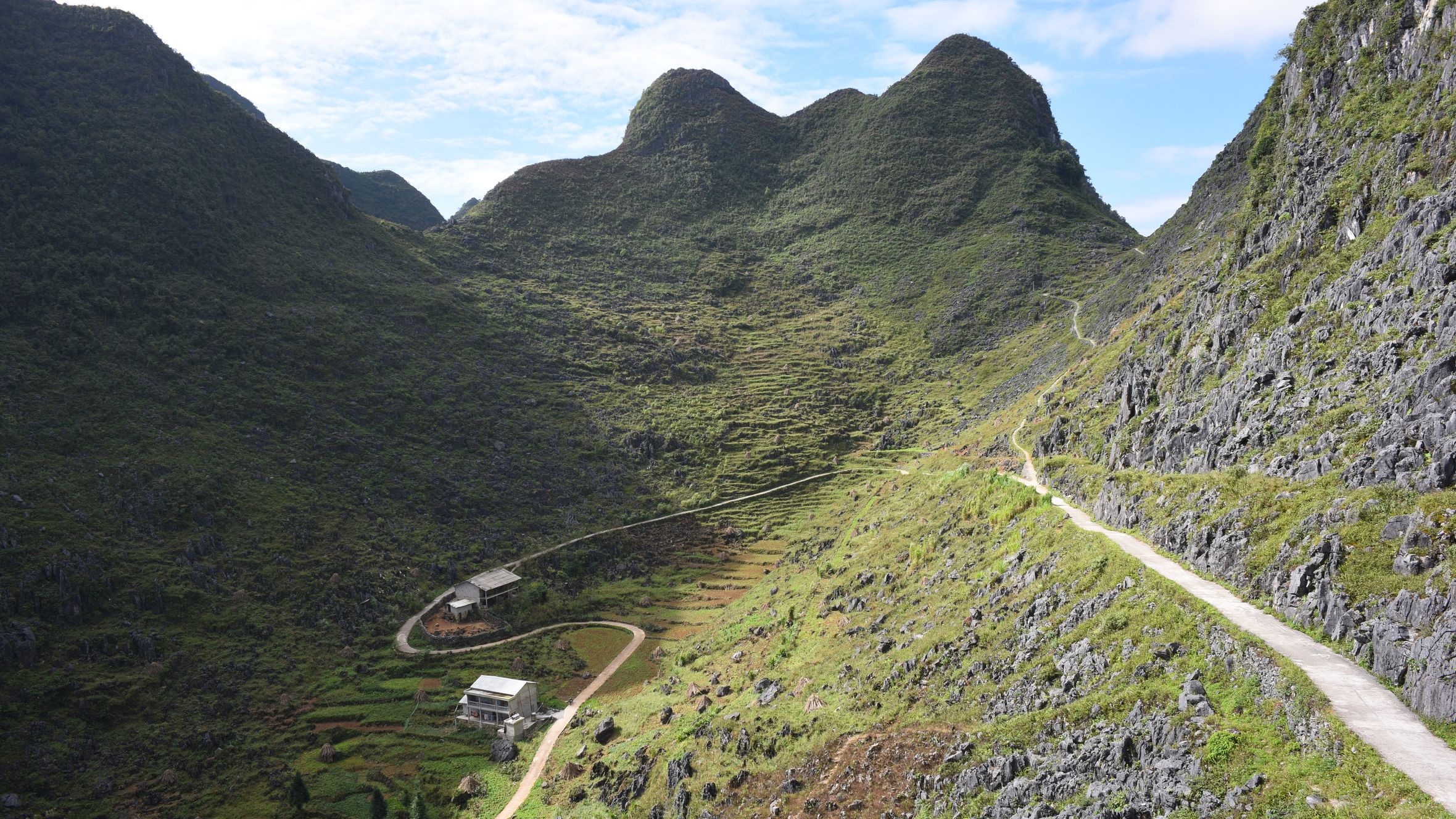
This is the highlight of the trip. The road between Dong Van and Meo Vac is arguably the most dramatic in the country. Stop at the top of the pass to look down at the Nho Que River. The scale is humbling. Off-script: Rent a small boat on the Nho Que River for an hour of silence between the canyon walls.
Day 7 — The Quiet of Meo Vac
Meo Vac is less polished than Dong Van, which makes it more authentic. Use this day to hike the surrounding hills. The air is thin and crisp, and the silence is absolute. Off-script: Visit a local blacksmith shop to see how traditional farming tools are still forged by hand.

Photo by Quý Nguyễn on Pexels
Day 8 — The Road to Du Gia
Head toward Du Gia. This is a longer, more rugged drive, but the destination is worth it. Du Gia is a valley surrounded by waterfalls and rice fields. It feels like the Ha Giang of twenty years ago. Off-script: Take a dip in the natural swimming hole near the village center—it is cold, but refreshing.
Day 9 — Slow Living in Du Gia
Do nothing. Read a book, drink "lotus tea" on your homestay porch, and watch the clouds move over the limestone peaks. This is the honeymoon luxury you came for. Off-script: Walk to the nearby waterfall at sunset when the light hits the water perfectly.
Day 10 — Return to Ha Giang City
The final drive back to the city is about 120km. Take your time, stopping in small villages to buy local tea or dried fruits. Return to the city for a final celebratory dinner of "banh xeo" before heading out the next morning. Off-script: Visit the local museum in the city to better understand the ethnic diversity of the province.
Practical notes
Rent a semi-automatic motorbike if you are experienced, but for a honeymoon, hiring a local driver allows you to actually look at the scenery instead of the road. Pack layers; even in summer, the temperatures on the mountain passes drop significantly at night.
Last updated · May 30, 2026 · independently researched, never sponsored.