If your typical vacation involves a lounge chair, a sandy shore, and a cold drink, the jagged limestone peaks of Ha Giang might seem intimidating. There are no oceans here, and the mountain roads demand focus rather than relaxation. However, you can still experience this northern frontier through a slower, water-centric lens.
This 10-day itinerary trades the grueling all-day motorbike rides for shorter travel times, swimming holes, river excursions, and long afternoons spent by the water. Here is how to tackle Ha Giang (하장 / 河江 / ハーザン) with a beach traveler's mindset.
Day 1 — Hanoi to Ha Giang City: The Mountain Transition
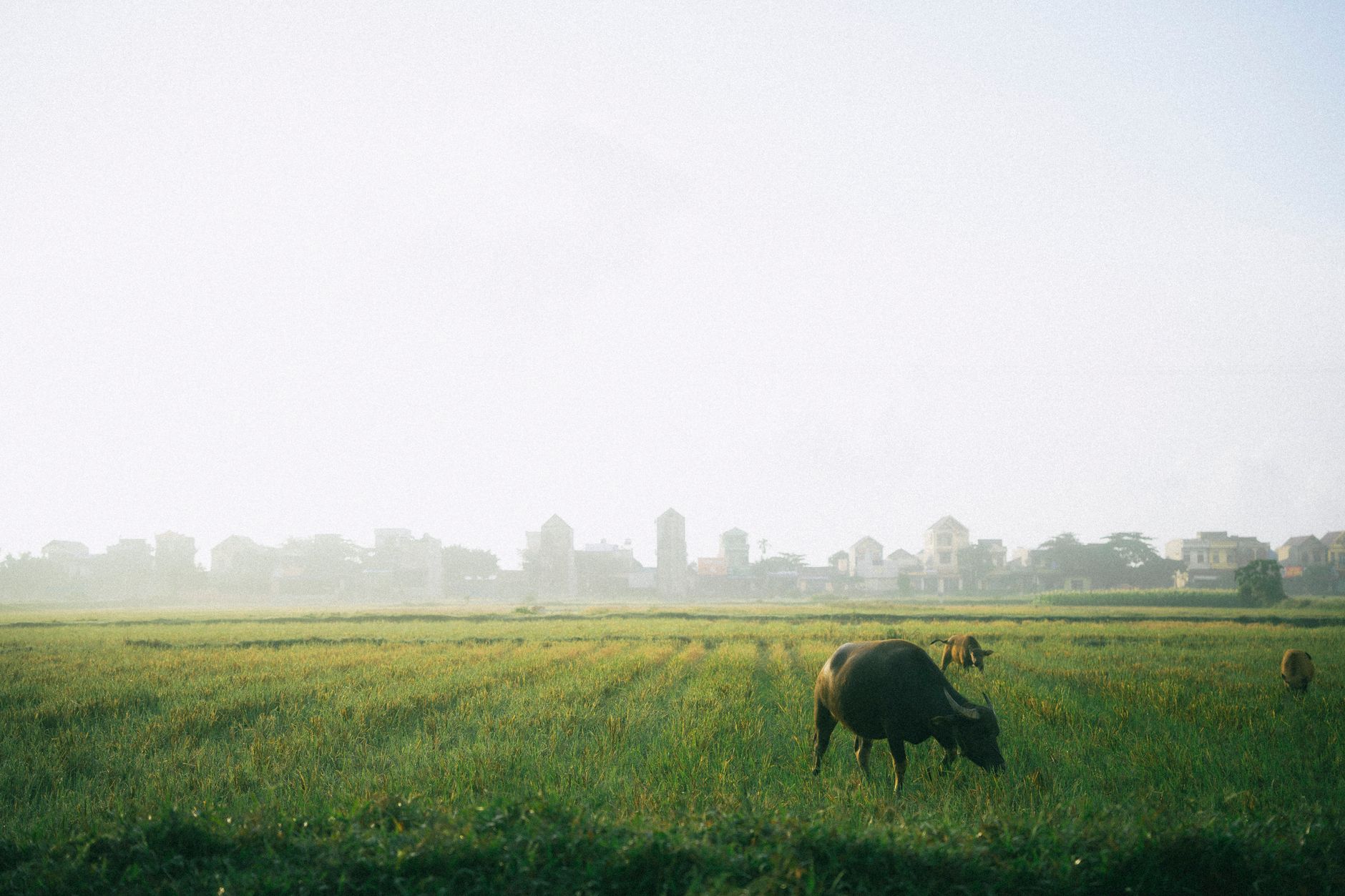
Skip the cramped public buses and book a private cabin sleeper bus from Hanoi to Ha Giang City (about 300 km, taking 6 hours). Arrive in the afternoon and check into a homestay in Thon Tha, a quiet village of the Tay ethnic minority located just outside the city center. The village is surrounded by green rice paddies and small streams, offering a soft introduction to the highlands.
- Dish to try: "Pho" chua (sour pho), a cold noodle dish with roasted pork, duck, and a sweet-sour sauce that is perfect for warm afternoons.
- Off-script suggestion: Skip the city center and walk the dirt paths of Thon Tha village at dusk, where you can dip your feet in the cool irrigation streams running alongside the stilt houses.
Day 2 — Ha Giang City to Quan Ba: The Gateway Valley
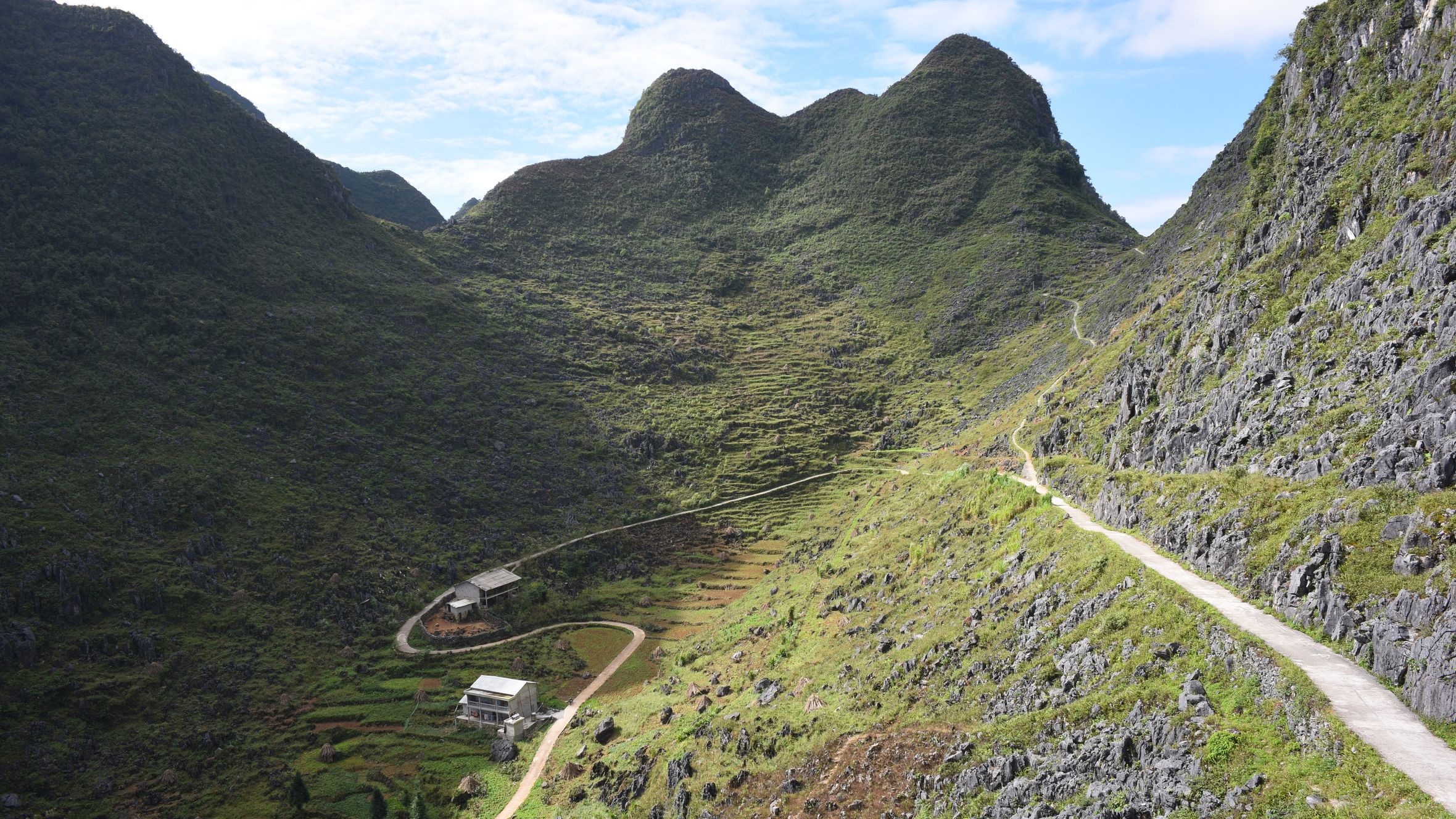
Drive 50 km north to Quan Ba. The climb is steep, passing through the Quan Ba Heaven Gate. Instead of rushing through, stop in Tam Son town. The climate here is cooler, and the valley floor is wide and breezy, reminiscent of a coastal plain surrounded by hills.
- Viewpoint: The Twin Mountains (Co Tien Mountain) from the roadside information center.
- Off-script suggestion: Book a traditional herbal bath at a Dao homestay in Nam Dam village. The warm, medicinal water is the mountain equivalent of a spa day by the sea.
Day 3 — Quan Ba to Yen Minh: Pine Forests and River Breezes
Travel 50 km to Yen Minh. The route takes you through pine forests that offer plenty of shade and cooler air. The landscape feels less like a rocky fortress and more like a green sanctuary.
- Dish to try: "Banh mi" with grilled pork skewers from a street cart in Yen Minh town.
- Off-script suggestion: Find the quiet banks of the Mien River just before entering the town. It is a peaceful spot to sit on the rocks with a cold "bia hoi" (local draft beer) and watch the water flow.
Day 4 — Yen Minh to Lung Cu: The Northernmost Horizon
Drive 80 km to Lung Cu, the northernmost point of Vietnam (베트남 / 越南 / ベトナム). The terrain becomes drier and more rugged, but the destination offers wide-open horizons that mimic the vastness of the ocean.
- Viewpoint: The Lung Cu Flag Tower, offering a 360-degree view of the border landscape.
- Off-script suggestion: Spend the afternoon in Lo Lo Chai, a village of clay houses. Sit at Cafe Cuc Bac for a slow cup of "vietnamese coffee" while listening to the wind chimes.

Photo by Quý Nguyễn on Pexels
Day 5 — Lung Cu to Dong Van: Ancient Streets and Slow Cafes
Take a short 30 km drive to Dong Van, the main hub of the karst plateau. The ancient quarter here is perfect for travelers who prefer to wander on foot rather than spend hours on a vehicle.
- Dish to try: "Banh cuon" (steamed rice rolls) served with a warm bowl of pork bone broth instead of the typical fish sauce.
- Off-script suggestion: Walk up to the ruins of the French Fortress (Don Cao) at sunset. The climb is steep, but the view of the town lighting up below is worth the effort.
Day 6 — Dong Van to Meo Vac: The Deep Blue Canyon
This is the day that will appeal most to water lovers. Cross the famous Ma Pi Leng Pass to Meo Vac (30 km), but head straight down to the Nho Que River. The water here is a striking emerald green, winding through a massive limestone canyon.
- Activity: Take a boat tour or rent a kayak to paddle along the river.
- Off-script suggestion: Avoid the crowded main boat piers. Rent a kayak for 100,000 VND and paddle upstream into the Tu San Canyon, where the towering cliffs block out the sun and the water is completely still.
Day 7 — Meo Vac to Du Gia: The Mountain Oasis
Drive 75 km from Meo Vac to Du Gia. The road is bumpy and slow, but Du Gia is the ultimate destination for beach travelers in Ha Giang. It is a lush, water-rich valley filled with streams, waterfalls, and natural swimming pools.
- Dish to try: Mountain river fish grilled in banana leaves.
- Off-script suggestion: Stop at a roadside stall in the Mau Due valley to buy fresh plums or peaches (depending on the season) to snack on during the drive.

Photo by Quang Nguyen Vinh on Pexels
Day 8 — Du Gia: Waterfall Jumping and Valley Chilling
Dedicate a full day to relaxation. Du Gia Waterfall is the main attraction, featuring a deep, cold pool of mountain water surrounded by smooth rocks perfect for sunbathing.
- Activity: Swimming and jumping into the natural pools at Du Gia Waterfall.
- Off-script suggestion: Walk two kilometers upstream from the main waterfall pool. You will find smaller, shallower rock pools where you can sit in peace away from the crowds.
Day 9 — Du Gia to Ha Giang City: Winding Down
Drive 70 km back to Ha Giang City to complete the loop. The road winds along the Lung Tam valley, where you can see traditional linen weaving by the Hmong people.
- Drink to try: "Ca phe sua da" (iced coffee with condensed milk) at a cafe overlooking the Lo River in Ha Giang City.
- Off-script suggestion: Stop by the riverbanks near the city outskirts for a late afternoon walk as the local kids splash in the water.
Day 10 — Ha Giang City to Hanoi: Return to the Capital
Take a morning limousine bus back to Hanoi. Use this day to transition back to urban life or prepare for your next coastal destination.
- Final Treat: Celebrate the end of your mountain journey with a hot "egg coffee" in Hanoi's Old Quarter.
Practical notes
Pack light, quick-drying clothes and a pair of sturdy water shoes for the rocky riverbeds. The mountain water is cold year-round, so a light windbreaker is essential even if you plan to swim. Always check local weather reports before heading to the waterfalls, as heavy rains can quickly turn gentle streams into fast-flowing torrents.
Last updated · May 30, 2026 · independently researched, never sponsored.