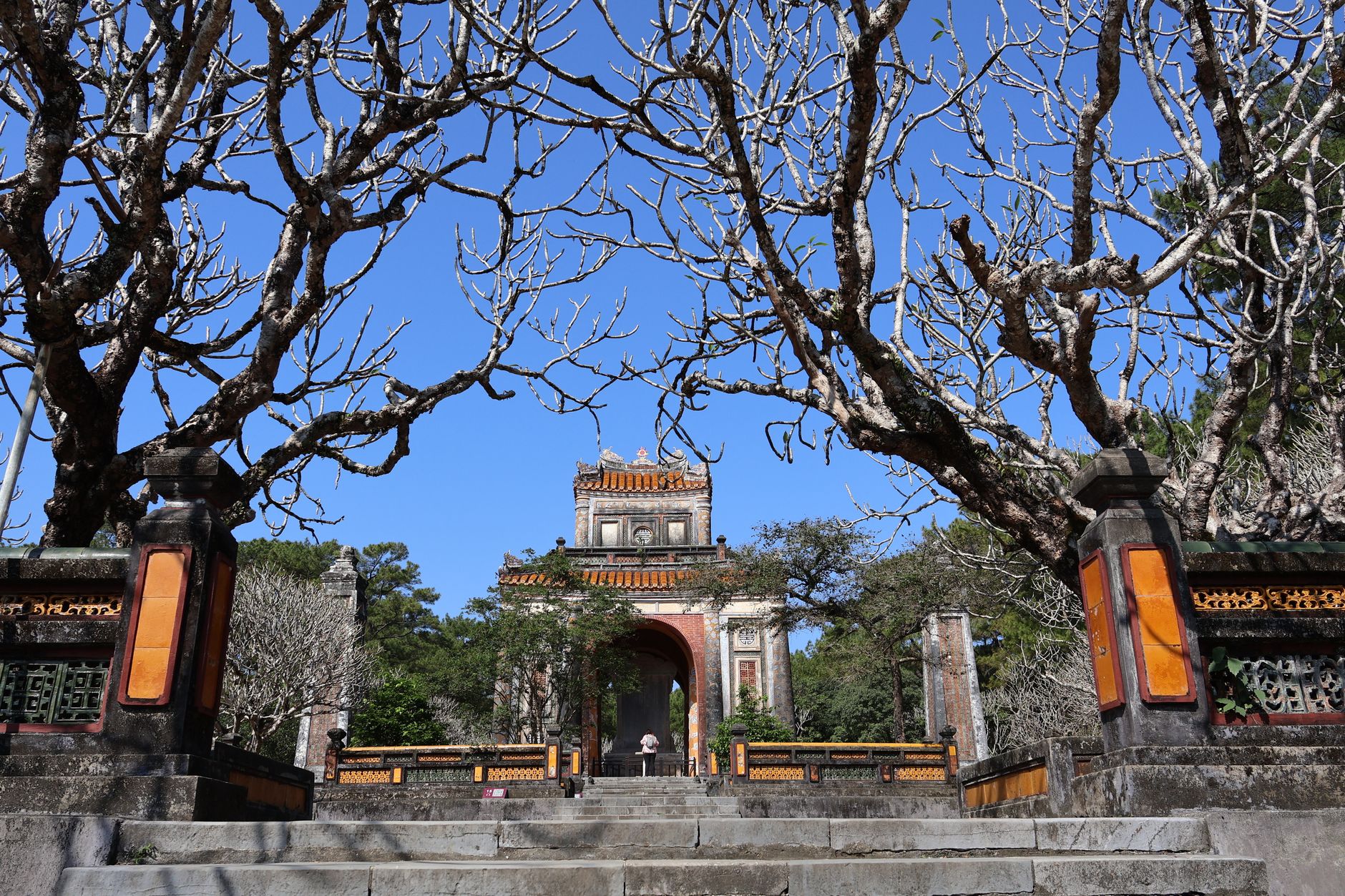
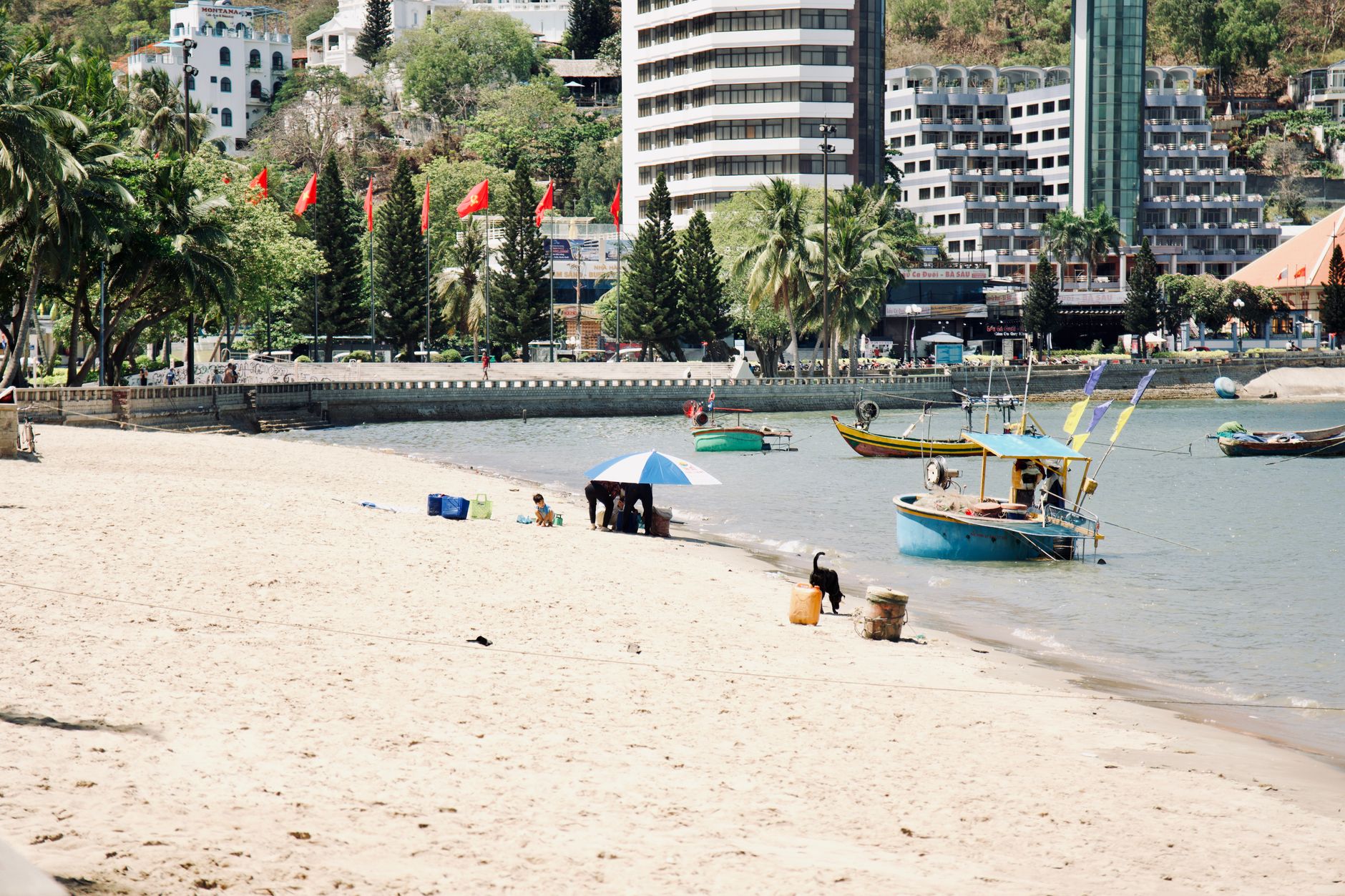
Most travelers treat Hoi An as a quick two-day pitstop, rushing through the yellow-walled alleys before heading south. Spending ten days here allows you to peel back the layers of this former trading port, discovering how Cham, Chinese, Japanese, and French influences shaped its unique coastal culture.
This slow-travel itinerary avoids the typical tourist rush, focusing instead on deep cultural immersion, traditional crafts, and regional food.
Day 1 — The Ancient Town Core
Start by orienting yourself within the UNESCO-listed historic center. The architecture here reflects a unique fusion of styles left behind by merchants who settled during the 16th and 17th centuries.
- Focus: Historic assembly halls and merchant houses.
- Dish to try: "cao lau", a regional noodle dish made with wood-ash water, topped with sliced pork and crispy rice crackers.
- Viewpoint: The rooftop of Faifo Coffee on Tran Phu street, which offers an unobstructed view over the tiled roofs of the old town.
- Off-script suggestion: Walk the narrow, unnamed alley connecting Tran Phu and Nguyen Thai Hoc at 6:00 AM. You will catch the morning light hitting the yellow walls before the shops open and the crowds arrive.
Day 2 — The Craft of Clay and Wood
Cross the river to explore the artisan communities that built Hoi An (호이안 / 会安 / ホイアン). For centuries, these villages supplied the bricks, tiles, and wooden boats that sustained the trading port.
- Focus: Thanh Ha Pottery Village and Kim Bong Carpentry Village.
- Dish to try: A classic "banh mi" from Madam Khanh (The Banh Mi Queen) on Tran Cao Van street.
- Viewpoint: The middle of the Thu Bon River, viewed from the local public ferry.
- Off-script suggestion: Skip the commercial pottery demonstration shops in Thanh Ha. Instead, walk 200 meters inland along the dirt paths to find the smaller, family-run kilns where elderly artisans still throw clay on foot-powered wheels.
Day 3 — The Ruins of My Son Sanctuary
Travel 40 km inland to the spiritual heart of the ancient Champa Kingdom. This valley of red-brick temple towers was built between the 4th and 13th centuries to worship Hindu divinities.
- Focus: Cham architecture and spiritual history at "My Son".
- Dish to try: "mi quang", wide turmeric-infused rice noodles served with a rich pork broth, fresh herbs, and toasted sesame crackers.
- Viewpoint: The clearing facing Group B, where bomb craters from the war sit directly next to 1,000-year-old brickwork.
- Off-script suggestion: Hire an independent local guide at the sanctuary entrance rather than booking a large group tour from town. Their personal family stories of the ruins during the post-war years add invaluable context.
Day 4 — Tailors and Textiles
Hoi An is famous for its tailoring, a trade rooted in its history as a major silk trading port on the maritime silk route.
- Focus: Silk weaving heritage and custom tailoring.
- Drink to try: A strong "ca phe sua da" (iced coffee with condensed milk) from a street-side cart.
- Viewpoint: The second-floor balcony of the Hoi An Cloth Market, looking down at the colorful chaos of fabric merchants.
- Off-script suggestion: Visit the ancient Ba Le Well off Phan Chau Trinh street. This unassuming square well is the only source of water used to make authentic local noodles; watch the water carriers haul buckets to local restaurants.

Photo by Quang Nguyen Vinh on Pexels
Day 5 — Farming in Tra Que
Spend the day in the agricultural belt just 3 km north of the old town, where farmers grow the aromatic herbs that define central Vietnamese cuisine.
- Focus: Traditional organic farming and agricultural heritage.
- Dish to try: "banh xeo (반세오 / 越南煎饼 / バインセオ)", crispy savory crepes stuffed with shrimp, pork, and bean sprouts, wrapped in fresh mustard leaves.
- Viewpoint: The neat, green ridges of the sweet basil and coriander fields at sunset.
- Off-script suggestion: Avoid the touristy foot-massage packages. Instead, ask one of the local farmers if you can help them rake seaweed fertilizer from the lagoon into the soil.
Day 6 — The Island Life of Cam Kim
Rent a bicycle and cross the bridge to Cam Kim Island. This rural delta remains largely untouched by tourism, offering a glimpse into traditional farming and boat-building.
- Focus: Rural cycling, rice paper making, and wooden boatyards.
- Dish to try: "hen tron", tiny minced river clams sauteed with herbs and served with large rice crackers.
- Viewpoint: The narrow bamboo bridges that span the small canals throughout the island.
- Off-script suggestion: Visit the small boatyards near the river mouth. Here, carpenters still paint protective eyes on the bows of wooden fishing vessels to ward off sea monsters.
Day 7 — Lanterns and Performance
Explore the artistic side of Hoi An through its famous paper lanterns and traditional performing arts.
- Focus: Lantern making and folk theater.
- Drink to try: A quiet pot of "lotus tea" at Reaching Out Teahouse, a silent cafe run by speech and hearing-impaired staff.
- Viewpoint: The quiet riverbank of Cam Nam island looking back at the glowing lights of the old town across the water.
- Off-script suggestion: Skip the crowded lantern boats on the river. Instead, find a seat on the steps near the bridge to watch locals play "bai choi", a traditional musical card game that combines singing, acting, and poetry.
Photo by Quang Nguyen Vinh on Pexels
Day 8 — Coastal Fishing Culture
Head to the coast to understand the relationship between the local communities and the East Sea.
- Focus: Fishing villages, basket boats, and coastal temples.
- Dish to try: Fresh grilled fish wrapped in banana leaves, served with crispy "cha gio" (fried spring rolls).
- Viewpoint: Cua Dai beach at 5:00 AM, as the wooden fishing fleet returns with the night's catch.
- Off-script suggestion: Visit the Lang Ong (Whale Temple) near the shore, where local fishermen worship the spirits of whales that have washed ashore over the decades to ensure safe passage at sea.
Day 9 — The Art Scene and Hidden Galleries
Hoi An has attracted writers, photographers, and painters for decades. Spend the day exploring the local galleries and colonial architecture.
- Focus: Photography, local painters, and French colonial architecture.
- Drink to try: A rich "egg coffee" in a quiet courtyard cafe.
- Viewpoint: The French colonial facades along Phan Boi Chau street, which showcase a different era of the town's history.
- Off-script suggestion: Spend two hours at the Precious Heritage Museum. This free gallery by photographer Rehahn documents the traditional costumes and cultures of Vietnam's 54 ethnic groups.
Day 10 — Culinary Deep Dive
Conclude your trip by learning the secrets behind the dishes you have eaten over the past nine days.
- Focus: Market sourcing and traditional cooking techniques.
- Dish to try: "goi cuon" (fresh spring rolls) and "banh cuon" (steamed rice rolls) that you make yourself.
- Viewpoint: The chaotic wet market section of the Hoi An Central Market.
- Off-script suggestion: Buy a bowl of "xi ma" (black sesame sweet soup) from one of the elderly street vendors near the market. They use a recipe passed down through generations that you won't find in any restaurant.
Practical notes
Hoi An is easily reached via a 45-minute drive from the airport in "Da Nang". While the old town is pedestrian-only during the afternoon and evening, renting a bicycle (usually 20,000 to 30,000 VND per day) is the most efficient way to navigate the surrounding villages and beaches.
Last updated · May 30, 2026 · independently researched, never sponsored.