The Regional Divide
"Banh xeo" means "sizzling pancake" — that loud hiss when the batter hits hot oil is the whole point. But drive two hours between Hue, Da Nang, and Hoi An and you'll find three wildly different interpretations. The pancakes vary in size, thickness, fillings, and how they're meant to be eaten. None is "better"; they're just rooted in local ingredients and eating habits that have stuck around for decades.
Hue: Small, Crispy, One Bite
Hue's "banh xeo (반세오 / 越南煎饼 / バインセオ)" is the smallest version — about the size of your palm, paper-thin, and aggressively crispy. It's often served as a standalone snack, not a full meal component.
The filling is minimal: usually just a small pocket of shrimp or pork, maybe a sliver of bean sprout. The pancake itself is the star. When it comes to your plate, it's golden, shattered at the edges, and meant to be eaten whole — literally one or two bites. Some versions include a whisper of turmeric in the batter, giving it a faint yellow hue (후에 / 顺化 / フエ) and earthy undertone.
The wrap technique is simple: you don't. Eat it straight, with fish sauce dip on the side. Dip, bite, gone. If there's any greens on the plate, it's for garnish, not part of the eating process.
Where to eat it:
- Banh Xeo Thanh Huong (3 Pham Ngu Lao, near the Citadel). The owner has been making these for 30+ years. A single pancake costs 15,000–20,000 VND; most people order three or four. They arrive hot and loud.
- Banh Xeo Tien Phuong (just off Pham Ngu Lao, same area). Smaller, less known, equally good. Same price range. Open mornings and early afternoons.
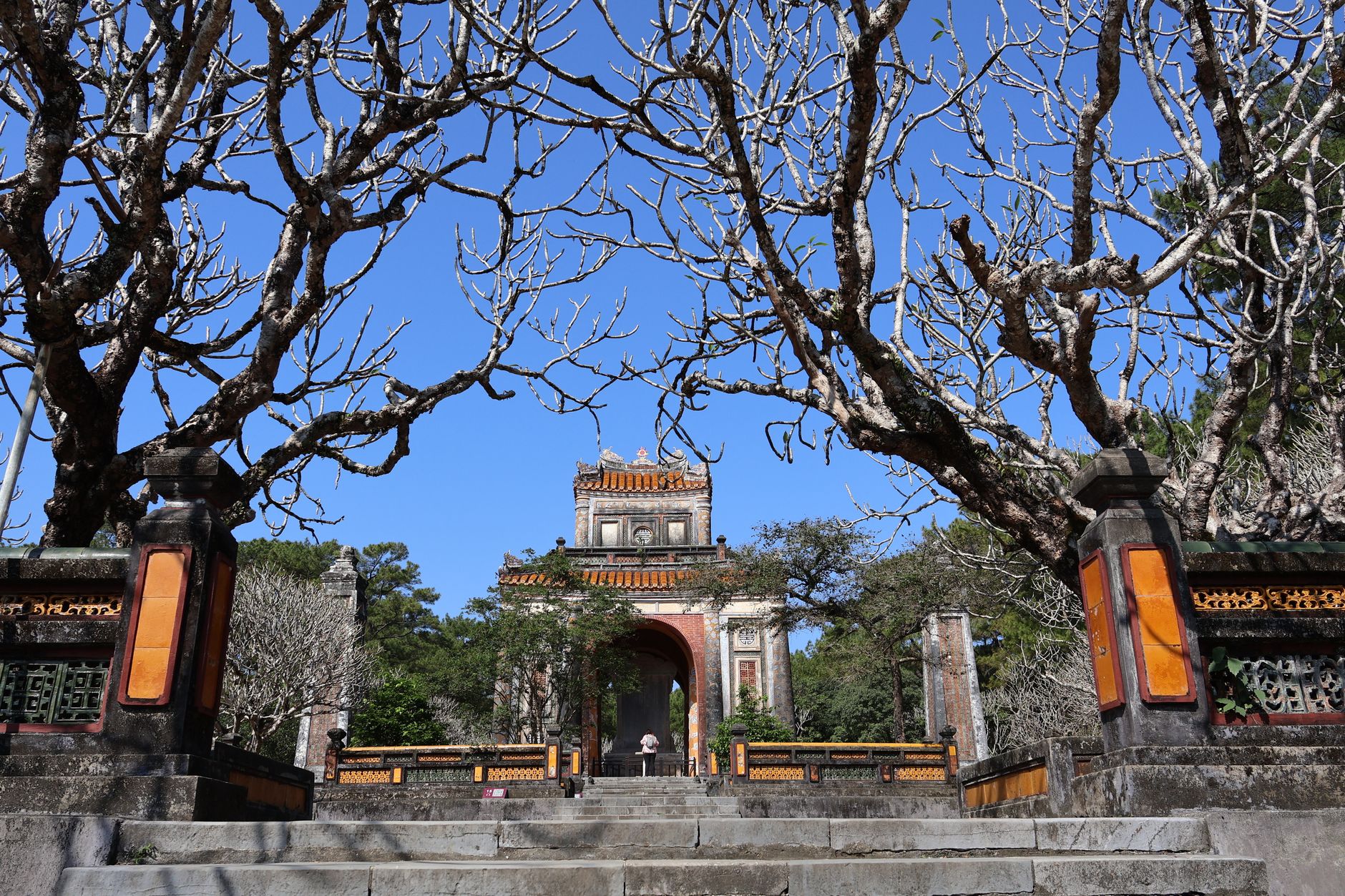
Photo by Hải Nguyễn on Pexels
Da Nang: Banh Khoai (The Egg-Heavy Version)
Da Nang's signature is often called "banh khoai," though locals use both names interchangeably. It's thicker than Hue's version, richer in egg, and slightly puffy in texture. The pancake is less about shattering crispness and more about a tender exterior with a creamy inside.
The fillings are more generous: shrimp, pork, mushroom, sometimes bean sprouts and onion. The batter itself contains more egg and sometimes a touch of turmeric or curry powder, which gives it a faintly savory-sweet edge. It's a more "complete" pancake than Hue's minimal pocket, and it's often served as a lunch dish rather than a snack.
Size falls between Hue's single-bite version and Hoi An's platter-sized behemoth — about 15 cm across, easily two or three bites.
Where to eat it:
- Banh Khoai 68 (68 Bach Dang, near Han Market). The flagship: thick, eggy, generous shrimp filling. One pancake is 25,000–30,000 VND. It's crowded at lunch; go early.
- Com Tam Da Nang (a few blocks west of Han Market). They serve banh khoai alongside broken-rice dishes. Less touristy, local crowd, same quality.
Hoi An: The Theater Version
Hoi An's "banh xeo" is the showstopper: enormous (20+ cm diameter), thin-crispy exterior, but loaded with shrimp, bean sprouts, and herbs. It arrives at your table as a whole circle, and the eating experience is ritualized.
You're given rice paper and a large plate of fresh mint, cilantro, and lettuce. The pancake is torn into 4–6 pieces. Each piece gets wrapped: rice paper on the bottom, pancake on top, herbs and shrimp-studded interior wrapped up together, then dipped in fish sauce with chili and lime. It's a full meal, not a snack. One large pancake feeds two people easily, or serves as your main course if you're eating alone.
The batter is ultra-thin and crispy all the way to the center, almost like fried tuile. The shrimp are visible and substantial. The bean sprouts are always fresh — Hoi An has excellent markets — so they snap between your teeth.
Where to eat it:
- Banh Xeo Thanh Huong (51 Nguyen Hue). Yes, same name as Hue's version, but completely different restaurant and pancake style. This one is the Hoi An institution: huge, shrimp-heavy, perfectly crispy. One pancake is 30,000–35,000 VND. Expect a wait at lunch; go at 11 AM or 1:30 PM.
- Banh Xeo Hoa (off Tran Phu, near the market). Smaller spot, less crowded, same quality. Locals eat here. 25,000–28,000 VND per pancake.
- Madam Khanh (actually famous for "Banh Xeo Banh Cuon" — she serves both). Corner spot on Nguyen Hue. The banh xeo is outstanding, though the restaurant is famous enough that it can feel touristy. Still worth it.

Photo by Theodore Nguyen on Pexels
Why the Differences Exist
Hue's minimal, snack-style banh xeo reflects the city's royal court heritage — quick, elegant, refined in restraint. Da Nang sits between old and new Vietnam, so its banh khoai is richer, more indulgent. Hoi An's enormous version suits a tourist-trade, lingering-meal eating culture: it's theatrical, interactive, Instagram-friendly.
Ingredient availability also matters. Hoi An's shrimp are consistently excellent because the town sits close to coastal suppliers. Da Nang's egg supply is abundant due to local farming. Hue's tight, crackly pancakes rely on technique and patience — less filling means less steam, crispier result.
Frequently Asked Questions
How do Hue, Da Nang, and Hoi An banh xeo differ from each other?
Hue's version is palm-sized, paper-thin, and eaten in one or two bites with minimal filling. Da Nang's banh khoai is thicker, egg-heavy, and about 15 cm across — closer to a lunch dish. Hoi An's is the largest at 20+ cm, torn into pieces, wrapped in rice paper with fresh herbs, and dipped in fish sauce. Each city treats the dish as a different eating occasion: snack, lunch, or full meal.
What does a banh xeo meal cost at recommended spots in central Vietnam?
Prices vary by city. In Hue, a single pancake at Banh Xeo Thanh Huong or Banh Xeo Tien Phuong costs 15,000–20,000 VND; most people order three or four. In Da Nang, one banh khoai at Banh Khoai 68 on Bach Dang street runs 25,000–30,000 VND. Hoi An's larger pancakes are priced as a main course rather than a snack, reflecting their size — one feeds two people.
When is the best time of day to eat banh xeo in Da Nang and Hue?
In Hue, Banh Xeo Tien Phuong is open mornings and early afternoons. In Da Nang, Banh Khoai 68 near Han Market draws a lunch crowd, so arriving early is recommended. Hoi An's version is served as a full meal rather than a snack, making it suited to lunch or dinner rather than a quick morning bite.
Practical Notes
All three styles are breakfast/lunch foods; most places close by 2 PM or 3 PM. None of them keep well; eat banh xeo hot. If you're visiting all three cities, try one version in each — you'll taste how geography shapes food more clearly than any restaurant review can explain.
Last updated · May 29, 2026 · independently researched, never sponsored.