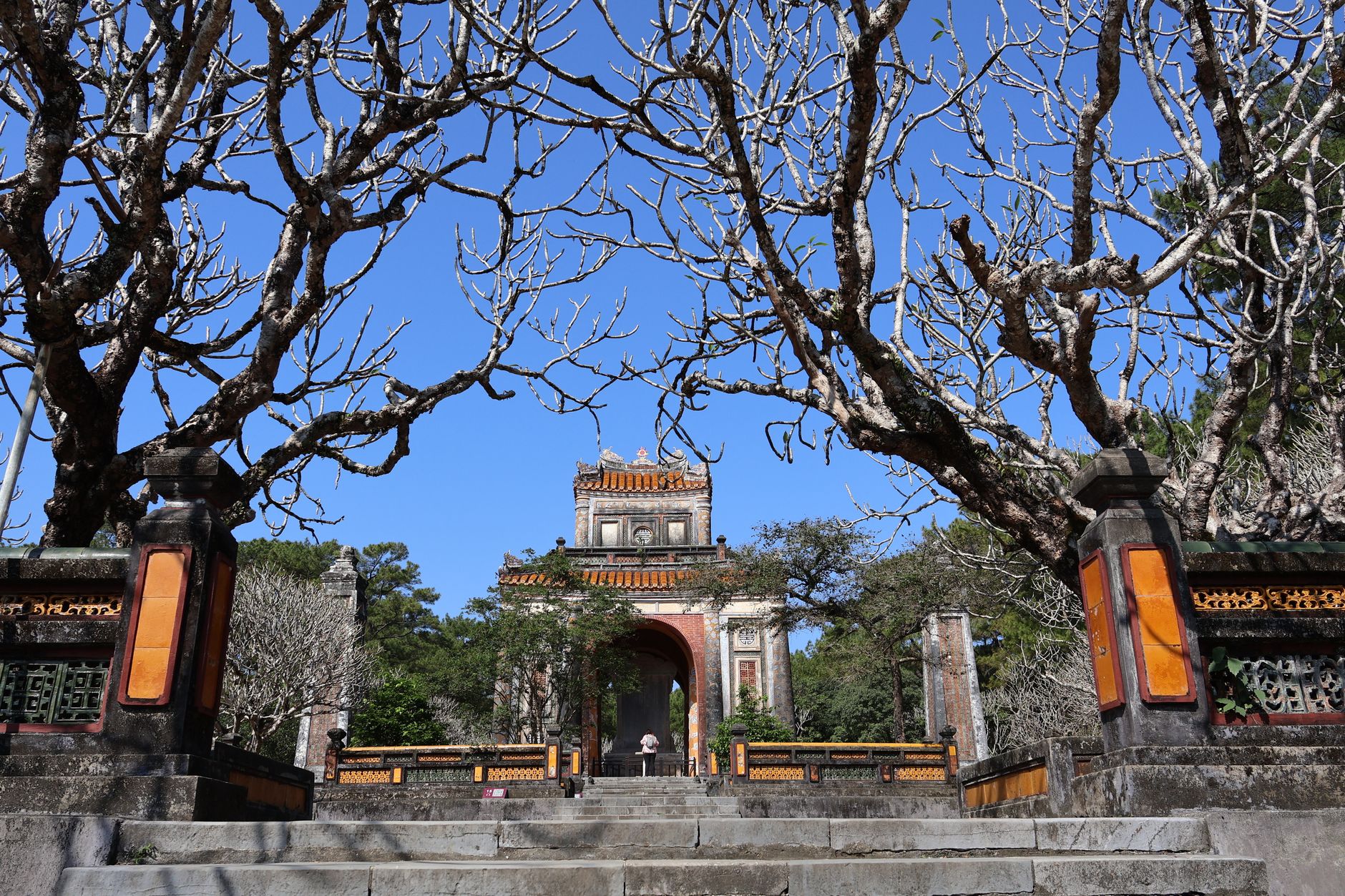
Ten days in Hoi An is an eternity for the average tourist, but for anyone who travels to eat, it is just enough time to peel back the layers of Central Vietnam (베트남 / 越南 / ベトナム)'s complex food scene. This slow-paced itinerary bypasses the standard tourist traps to get you into the back alleys, herb gardens, and local markets where the real cooking happens.
Day 1 — The Ancient Town Classics
Start your trip by introducing your palate to Hoi An (호이안 / 会安 / ホイアン)'s most famous dish: "cao lau". These thick, chewy noodles get their unique texture from being soaked in lye water traditionally sourced from the ancient Ba Le Well. Head to Thanh Cao Lau on Thai Phien Street, where a bowl costs about 35,000 VND. The noodles are topped with tender slices of five-spice pork, crispy square croutons, and a handful of fresh herbs.
In the afternoon, grab a classic "banh mi" from Madam Khanh (The Banh Mi Queen) on Tran Cao Van Street. Order the mixed option ("banh mi thap cam") to get a layer of pate, pork char siu, fried egg, homemade pickles, and her signature spicy sauce.
Off-script suggestion: Skip the crowded Bach Dang waterfront at dusk. Instead, walk the quiet residential lanes of Cam Pho just west of the historic center, where you can watch locals setting up small folding tables for evening street snacks.
Day 2 — Market Breakfasts and Yellow Noodles
Wake up early to catch the Hoi An Central Market at its peak around 6:30 AM. Navigate past the fishmongers to the indoor food hall. Find a stall serving "mi quang", the rival noodle dish of Central Vietnam. Unlike cao lau, mi quang uses wide yellow rice noodles stained with turmeric, served in a shallow, highly concentrated pork and shrimp broth, topped with crushed peanuts and toasted rice crackers.
Spend your afternoon wandering the yellow-walled alleys of the Old Town.
Off-script suggestion: Stop by a street cart on Tran Phu Street for a glass of "mot", a refreshing herbal tea brewed with lemongrass, ginger, and lotus petals. Drink it while sitting on the low wooden stools on the curb to watch the cyclo drivers pass by.
Day 3 — Riverside Grills in Cam Nam
Cross the bridge south of the Old Town to Cam Nam island, a flat spit of land known for its rustic riverside eateries. This is the place to try "banh dap" (cracked rice paper), which consists of a crispy baked rice cracker pressed together with a thin, wet rice noodle sheet, dipped in a pungent fermented anchovy sauce ("mam nem"). Pair it with "hen tron", tiny stir-fried river clams tossed with herbs, fried shallots, and peanuts.
Off-script suggestion: Rent a bicycle and ride to the easternmost tip of Cam Nam. The tourist crowds disappear completely here, replaced by boat repair yards and views of the Thu Bon River meeting the sea.
Day 4 — An Bang Seafood and Coastal Bites
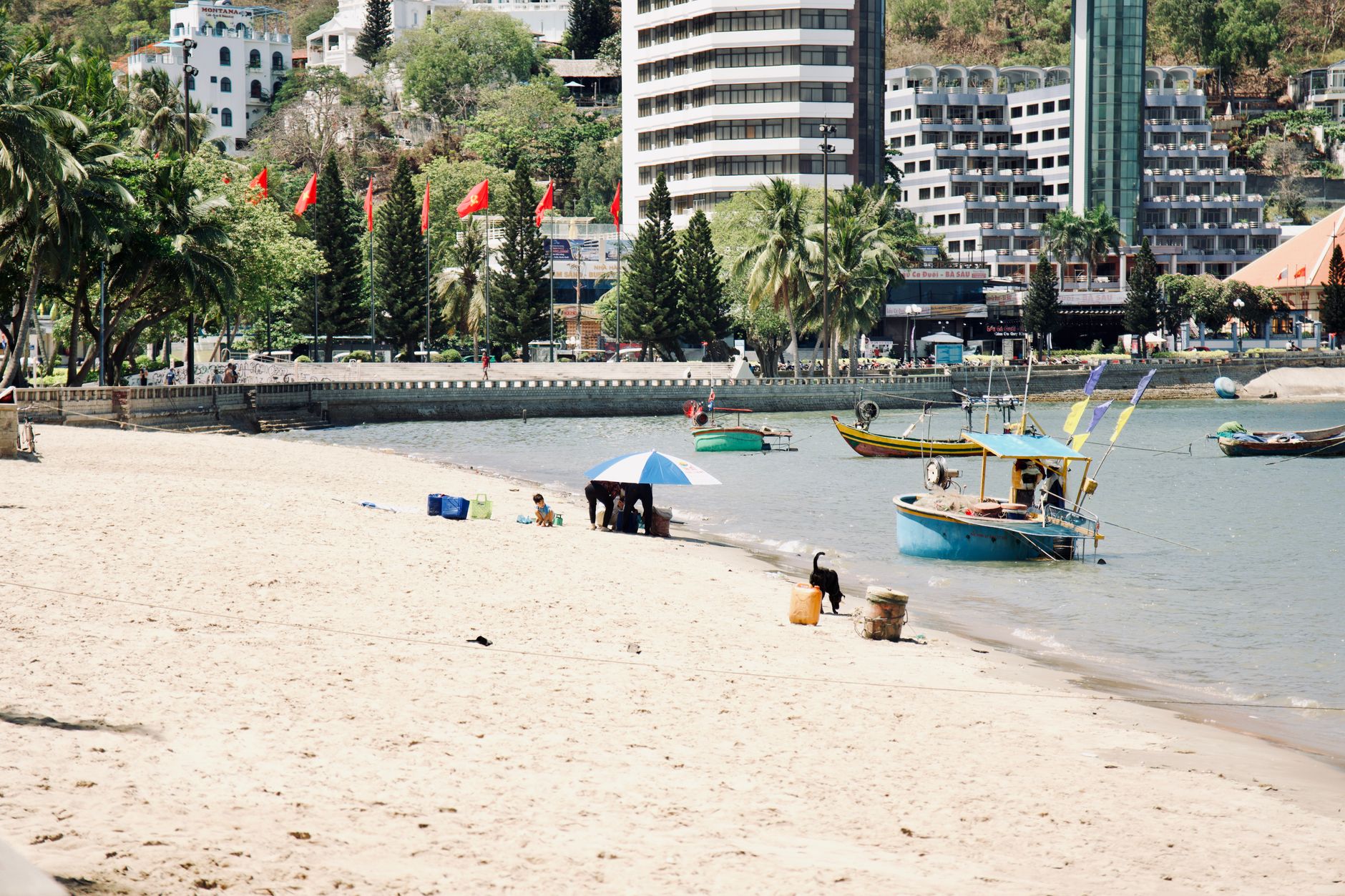
Take a 5 km ride north to the coast. While An Bang Beach is popular, skip the busy main entrance and head down the lanes of Tan Thanh Beach. Find a simple plastic-chair seafood shack right on the sand. Order grilled scallops with scallion oil and peanuts ("so diep nuong mo hanh") and clams steamed with lemongrass.
Off-script suggestion: Walk two blocks inland from the beach into the quiet fishing village alleys to find a local stall serving "ca phe sua da" (iced coffee with condensed milk) to off-duty fishermen. It will cost a fraction of the beachside cafe prices.
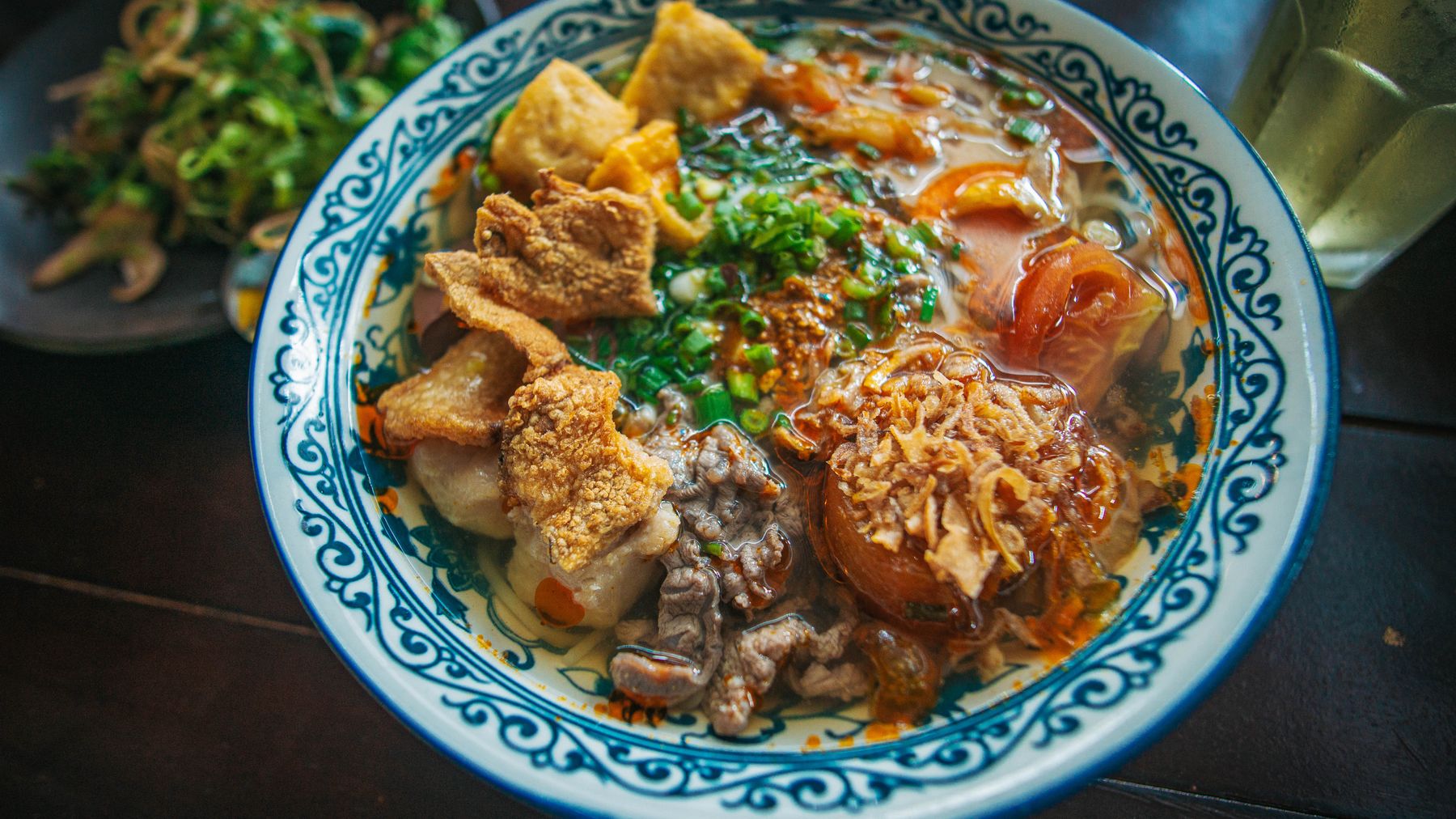
Photo by FOX ^.ᆽ.^= ∫ on Pexels
Day 5 — The Coffee Ritual
Dedicate today to Vietnam's intense coffee culture. Start your morning with a traditional drip brew at a sidewalk cafe, watching the slow drip of the phin filter. Later, seek out a modern specialty cafe like Phin Espresso & Roastery, hidden down a quiet alleyway near the ancient town, to try their rich, custard-like "egg coffee".
Off-script suggestion: Spend an hour at the Reaching Out Teahouse. Run by speech and hearing-impaired staff, this tea house operates in complete silence, offering a peaceful respite from the motorbikes and a chance to taste premium local oolong and lotus teas.
Day 6 — The Green Fields of Tra Que
Cycle out to Tra Que Vegetable Village, the agricultural heart of Hoi An. The sandy soil here is fertilized with seaweed harvested from the nearby lagoon, giving the herbs an unusually intense flavor. Many local families offer casual cooking sessions where you can learn to make "banh xeo" (crispy rice pancakes) stuffed with pork, shrimp, and bean sprouts, wrapped in fresh mustard greens.
Off-script suggestion: Avoid the large, commercial cooking schools. Walk deeper into the fields and look for independent farmers; many will gladly show you how they water the crops using traditional twin watering cans for a small tip.
Day 7 — Cam Kim Island by Bicycle
Cross the Cam Kim Bridge to explore rural Hoi An. The island is a maze of cornfields, banana plantations, and quiet paved paths. Stop at a roadside shack for a bowl of rustic rustic noodles. The food here is simpler, cheaper, and tailored entirely to local farmers.
Off-script suggestion: Visit the Kim Bong woodworking village on the island. While there are souvenir shops near the jetty, ride further inland to find active workshops where craftsmen still carve intricate wooden pillars for traditional houses and temples.

Photo by Sachith Ravishka Kodikara on Pexels
Day 8 — The Street Food Crawl
As the sun sets, the street food vendors line the banks of the Hoai River. Focus on "banh cuon" (steamed rice rolls) wrapped around grilled pork skewers that have been cooked over charcoal. You wrap these yourself in thin rice paper with cucumber, star fruit, and herbs, dipping them in a rich peanut sauce.
Off-script suggestion: Skip the main night market across the bridge, which mostly sells generic souvenirs. Instead, look for the elderly women sitting on the pavement near the Japanese Covered Bridge selling warm bowls of "che" (sweet dessert soup made with black beans or lotus seeds).
Day 9 — A Day Trip to Da Nang
Hire a driver for the 30 km trip north to Da Nang. The culinary scene here is distinct from Hoi An. Hunt down a bowl of "bun cha ca" (fish cake noodle soup) at Bun Cha Ca 109 on Nguyen Chi Thanh Street. The broth is sweet and savory, packed with pumpkin, cabbage, and pineapple.
Off-script suggestion: Skip the crowded Marble Mountains. Instead, drive up the winding roads of the Son Tra Peninsula to find quiet rocky coves and enjoy a cold drink at a basic roadside shack overlooking the ocean.
Day 10 — The Final Feast
Use your last day to revisit your favorite spots. Spend the afternoon buying spices, local pepper, and dried shrimp to take home. For your final dinner, book a table at a contemporary Vietnamese restaurant in the Cam Chau neighborhood to see how modern chefs are reinterpreting classic Central Vietnamese flavors.
Off-script suggestion: Walk down to the riverbank near the market around 5:30 PM. Negotiate directly with an independent wooden boat operator for a 30-minute sunset cruise. It should cost around 150,000 VND and gets you away from the aggressive ticket sellers on the main docks.
Practical notes
Pack light, breathable clothing as Hoi An can be incredibly humid, especially during the midday heat. Cash is king at street food stalls and local markets, so keep plenty of 10,000 and 20,000 VND notes on hand. Renting a bicycle (usually 20,000 to 30,000 VND per day) is the most efficient and rewarding way to navigate the flat terrain between the Old Town, the rice paddies, and the beach.
Last updated · May 30, 2026 · independently researched, never sponsored.