What it is
About 7 km southeast of Sapa town center, scattered across a hillside in Hau Thao commune, sit roughly 200 boulders covered in mysterious carvings. This is Bai Da Co — literally "ancient stone field" — a collection of petroglyphs etched into rock surfaces by people who lived in these mountains long before any modern ethnic group settled here. The carvings range from abstract geometric patterns and spirals to depictions that scholars interpret as maps, human figures, or cosmological diagrams.
Discovered by French archaeologists in 1925, the site was largely forgotten during decades of conflict before being rediscovered and studied again in the 1990s. Vietnamese researchers date the oldest carvings to approximately 2,000–3,000 years ago, though debate continues. The site earned national heritage status in 1994.
No one knows with certainty who made them or why. That's part of the draw.
Why travelers go
Most visitors come to Sapa (사파 / 沙坝 / サパ) for trekking and rice terraces. Bai Da Co offers something completely different — a quiet, slightly eerie hillside where you can crouch next to stones carved millennia ago and try to puzzle out what they mean. It's not a grand monument. It's intimate, strange, and surprisingly uncrowded compared to Cat Cat village or Fansipan cable car queues.
The walk to the site passes through Hmong and Dao hamlets, bamboo groves, and terraced fields. On a clear morning, the surrounding valley views toward Muong Hoa are reward enough even without the archaeology.
Best time to visit
Sapa's weather dictates everything. The ideal window is September through November — rice harvest season means golden terraces, clear skies, and comfortable temperatures (15–22°C). March through May also works well, with spring flowers and improving visibility after winter fog.
Avoid December through February if you dislike cold fog. Temperatures drop to 5–8°C and the site can be slippery. June through August brings rain — the carvings are harder to spot when rocks are wet and mossy, though you'll have the place nearly to yourself.
Mornings are best for photography. By midday, haze often rolls in from the valley.
How to get there
From Sapa town center, Bai Da Co sits along the Muong Hoa valley road (the same route toward Ta Van and Lao Chai villages).
By motorbike: The most flexible option. Rent in town for 150,000–200,000 VND/day. The road is paved and manageable, though steep in sections. Follow the signs toward Muong Hoa — the site entrance is marked on the left side about 7 km from town.
By taxi or Grab: A car from Sapa center costs around 100,000–150,000 VND one way. Agree on a return pickup time or you'll be stranded.
On foot: Many trekkers combine Bai Da Co with a Muong Hoa valley walk. It's roughly 90 minutes downhill from town — pleasant going down, a grind coming back up. Consider walking down and grabbing a xe om (motorbike taxi) back for 50,000 VND.
Guided treks: Most Sapa homestay hosts and local guides can fold Bai Da Co into a half-day or full-day trek through the valley. Expect 400,000–600,000 VND per person for a guided group walk including lunch.

Photo by Quang Nguyen Vinh on Pexels
What to do
The site is an open-air area — no museum building, no audio guide. A few information panels (Vietnamese and basic English) identify notable stones. Budget 45–90 minutes to wander the full site.
Key stones to find
- Stone #1 (the largest): A massive flat boulder covered in concentric circles and linear patterns. Some researchers believe it represents a topographical map of the Muong Hoa valley.
- The "dancing figures" stone: A smaller rock near the upper trail showing what appear to be human forms with outstretched arms.
- Spiral stones: Several boulders feature tight spiral carvings that resemble motifs found in Bronze Age Dong Son culture artifacts.
Bring a water bottle to pour gently over faded carvings — the moisture makes patterns temporarily visible. (Don't scrub or chalk them.)
After exploring, continue down the road 2–3 km to reach Ta Van village, a Giay ethnic community with excellent homestays and valley views.
Where to eat
There's no restaurant at Bai Da Co itself. Options:
- Muong Hoa valley homestays: Simple meals of fried rice, "pho", spring rolls, and grilled stream fish. 60,000–100,000 VND per meal.
- Ta Van village: Several family-run places serve "com tam" and local Hmong-style dishes — try thang co (horse meat stew) if you're feeling adventurous, or stick with stir-fried vegetables and rice.
- Back in Sapa town: The Hill Station Signature Restaurant does refined northern Vietnamese food. For something cheaper, the row of local rice shops on Cau May street serves solid "bun" and noodle soups for 40,000–60,000 VND.
Grab "egg coffee" at one of the cafes near Sapa lake before or after your visit — several places do credible versions of Hanoi's original.
Where to stay
In Sapa town (convenient): Hotels and hostels from 200,000 VND (dorm) to 2,000,000+ VND (boutique). Sapa Charm Hotel and U Sapa are solid mid-range picks.
Muong Hoa valley homestays (atmospheric): Stay closer to the site in Ta Van or Lao Chai. Homestays run 300,000–500,000 VND including dinner and breakfast. You'll sleep on a mattress on a wooden floor, eat family-style, and wake up to rooster calls and mountain fog.
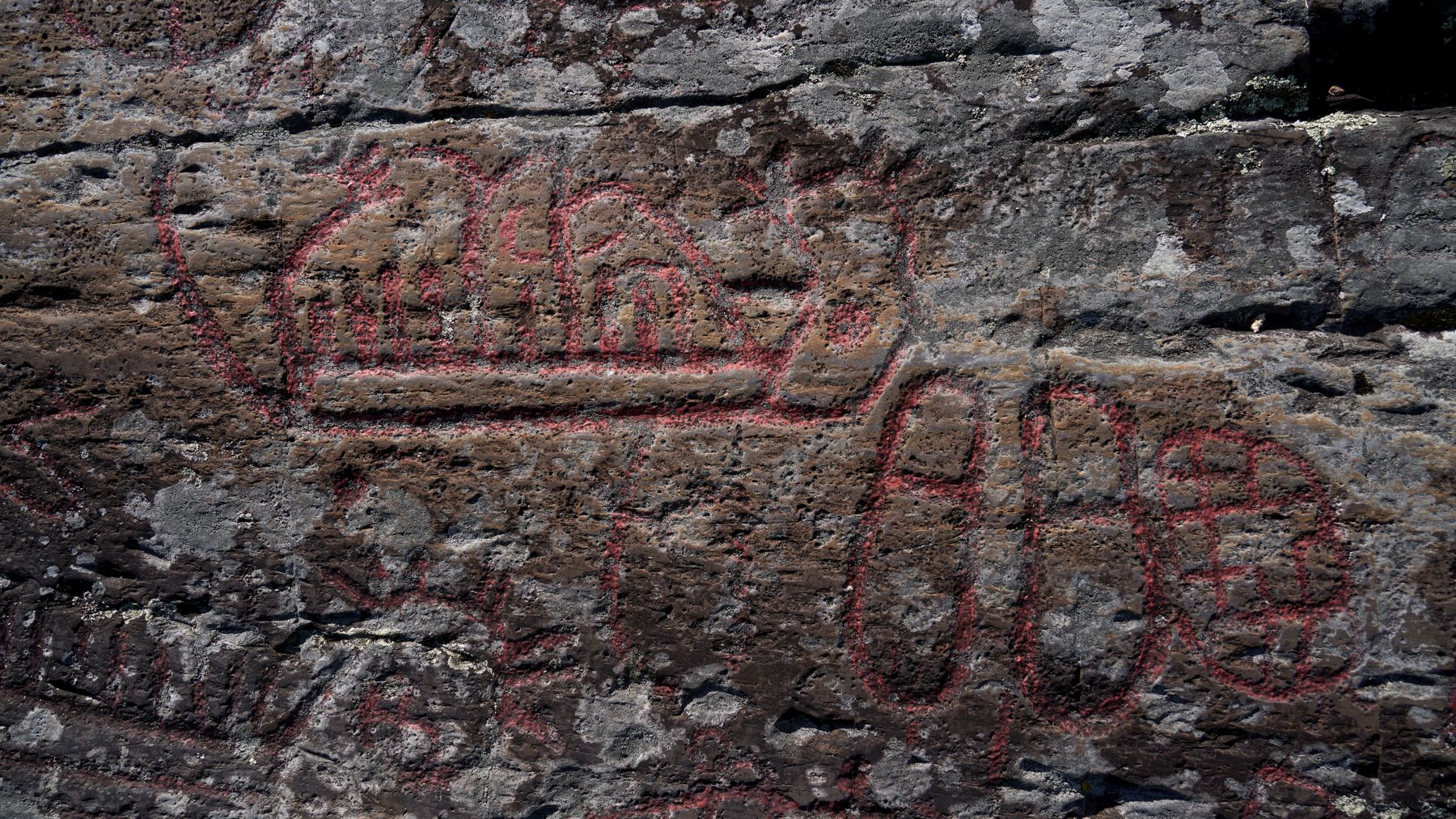
Photo by Barnabas Davoti on Pexels
Practical tips
- Entry fee: 70,000 VND (as of 2024). Pay at the small booth near the trailhead.
- Footwear: Wear shoes with grip. The stones are smooth and slippery, especially after rain.
- Combine it: Pair Bai Da Co with a Muong Hoa valley trek for a full day. The site alone doesn't justify a full-day trip.
- Local guides matter: A Hmong guide from Sapa can explain oral traditions connected to the stones that no signboard covers. Book through your homestay.
- Photography: Overcast light works better than harsh sun for capturing carved details. A polarizing filter helps cut glare on wet stone.
Common mistakes
- Skipping it because it sounds "boring": It's not a theme park. But if you appreciate archaeology or want a break from the standard trekking circuit, it delivers.
- Coming midday in summer: The heat and haze make for a miserable experience. Go early.
- Not bringing water: No shops between the main road and the site itself.
- Rushing through: Many people glance at two or three stones and leave. Slow down, look carefully — the more time you spend, the more patterns emerge from what initially looks like bare rock.
Final note
Bai Da Co won't be the highlight of most Sapa trips — that'll probably be the terraces or a homestay dinner. But it adds a layer of depth to the area that trekking alone doesn't provide. Someone carved meaning into these stones thousands of years ago, high in mountains that still feel remote today. That's worth 90 minutes of your morning.
Last updated · May 26, 2026 · independently researched, never sponsored.