What makes Quy Nhon's "banh xeo tom nhay" different
"Banh xeo tom nhay"—literally "sizzling crepe with jumping shrimp"—sounds like marketing, but in Quy Nhon it's real. The dish is a coastal twist on the standard "banh xeo", the crispy golden crepe loaded with shrimp, pork belly, and bean sprouts. But in this central-coast city, the shrimp dominate. You get thicker slices of live shrimp, sometimes whole jumbo prawns, instead of the minced prawns in Saigon versions. The batter is also thinner, almost translucent in spots, and cooks faster over a wood or charcoal fire—that aggressive heat gives you a darker, crispier edge.
The dipping sauce here skews heavier on chilli and fish sauce than the southern style. Locals order it with extra lime and fresh chilli on the side, which changes the whole game.
Where to eat it
Banh Xeo Tram 84
This is the spot that comes up first when you ask a Quy Nhon native where to get "banh xeo (반세오 / 越南煎饼 / バインセオ) tom nhay". It's tucked on a narrow side street off Tran Hung Dao, near the railway crossing. Small plastic tables, a hand-painted menu on the wall (Vietnamese only—come with a local or be prepared to point). The owner, Mrs. Hue, has been making these crepes for 20 years. She uses a wood-fired stove, not gas, which purists insist makes the difference. The shrimp is sourced from the fish market on Nguyen Hue street same morning, so the quality swings on tide and supply.
Price: 50,000 VND (US $2) per crepe. Order two.
When to go: 11 AM to 1 PM, or 5 PM to 7 PM. Lunch is safer for consistency. Evenings can sell out by 7:30.
Banh Xeo Ba Hoa
Another local favourite, but less touristy. It's on a corner near the Quy Nhon night market (cho dem), so you'll spot it by the smell and the crowd spilling onto the pavement. Ba Hoa is older than Tram 84—probably pushing 30 years. The crepes are smaller, thicker, and cooked in cast-iron pans over charcoal. That gives them a darker, almost burnt crust that works. The shrimp here is visibly thicker-cut and less likely to disintegrate in the pan.
Price: 45,000 VND per crepe. Slightly cheaper, slightly better value.
When to go: 5 PM onwards. This is a dinner crowd. By 8 PM it's packed with office workers and construction crews. Don't go at lunch; they're not set up for it.
Banh Xeo An Thanh
If you're staying near the beach, this one's convenient. On Le Hong Phong street, a 5-minute walk from the Saigon (사이공 / 西贡 / サイゴン) Quy Nhon hotel. Less atmospheric than the others—it's a proper sit-down spot with menus and aircon—but the crepes are genuinely good. The owner sources jumbo prawns from a specific boat at the harbour, and you can taste it. The batter here has a hint of turmeric, which other spots skip. Some locals say it's "prettier for tourists"; others swear by it.
Price: 55,000 VND per crepe.
When to go: 11 AM to 10 PM, reliably open. Less of a wait than the street spots.
Banh Xeo at Quy Nhon Market (Cho Quy Nhon)
The central market on Hai Ba Trung has three or four stalls selling crepes during lunch hours (11 AM–1:30 PM). Most do standard "banh xeo"; one stall (run by a woman called Thao, usually on the east side) specializes in "banh xeo tom nhay". Chaotic, cash-only, 40,000 VND per crepe. The shrimp is inconsistent, but when it's good, it's as good as Tram 84. Risky if you're on a schedule, but worth a try if you're exploring the market anyway.

Photo by Sergey Guk on Pexels
How to order
In most spots, you walk up, point at the crepe pan, and say "mot banh xeo tom nhay" (one crepe). If you want it extra crispy, add "nuong them" (burn it a bit). For the sauce, it comes on the side in a small dish. Don't be shy about asking for extra chilli or fish sauce—vendors expect it.
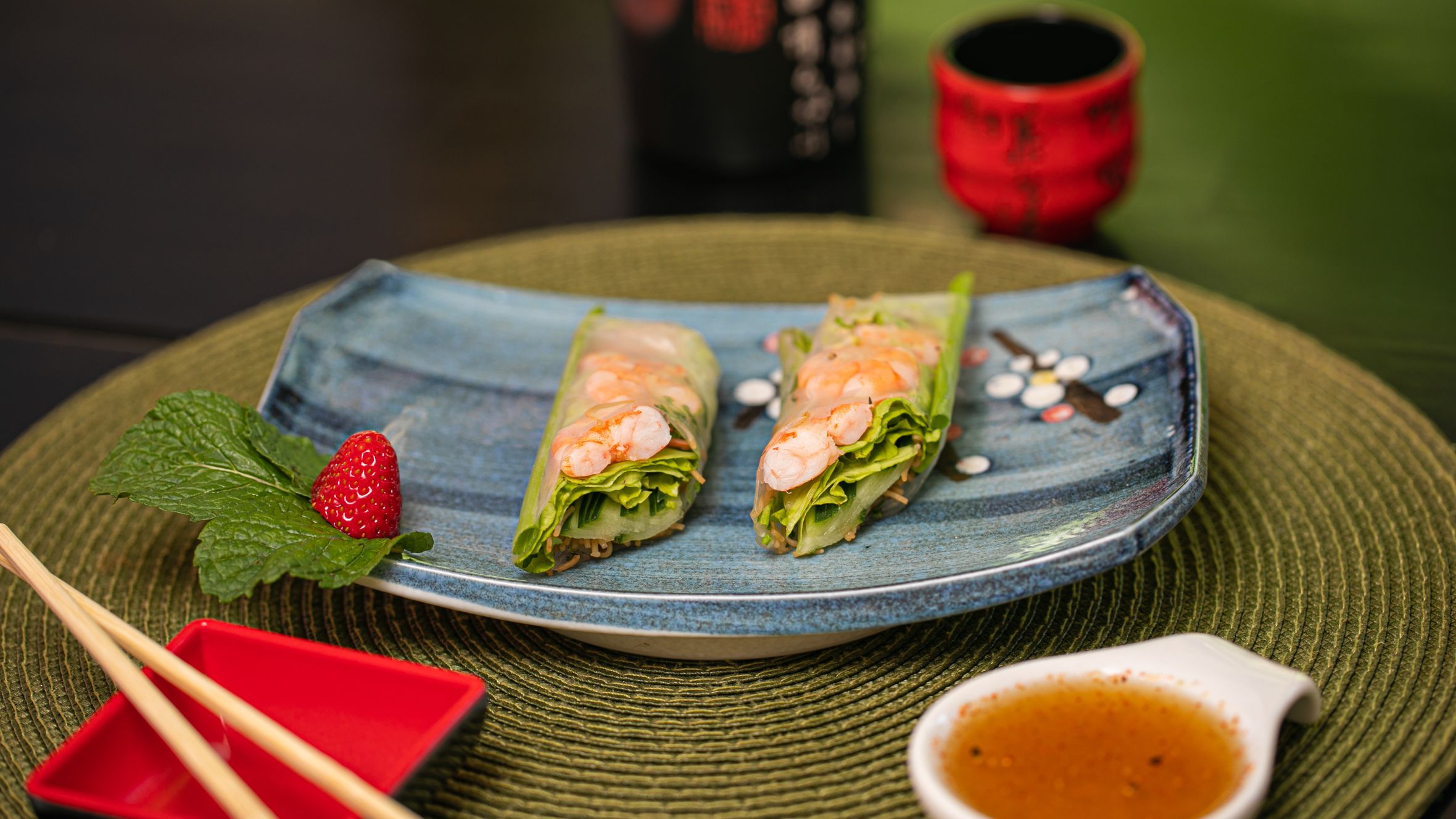
All spots serve the crepe wrapped in rice paper or lettuce. Locals eat it by tearing off a piece, wrapping it in lettuce with fresh herbs (mint, dill), dipping it in the sauce, and eating it in one bite. It's messy and deliberate.

Photo by Vietnam Tri Duong Photographer on Pexels
What to eat alongside
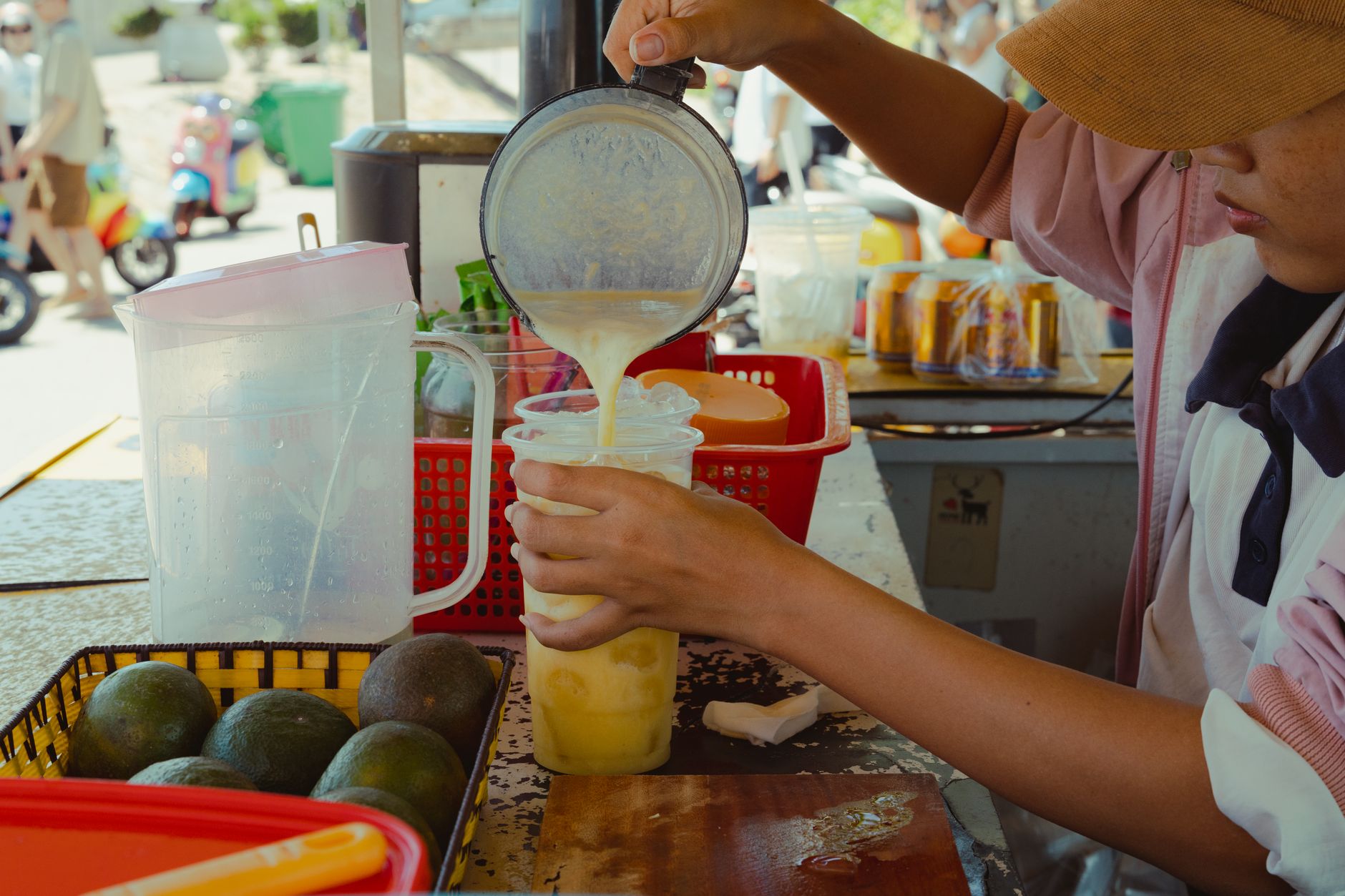
Order a sugar cane juice (nuoc mia) or a cold "ca phe sua da" (Vietnamese iced coffee with condensed milk). Some spots serve a side of soup—usually a light prawn or pork broth that cuts the richness. Don't skip it.
Practical notes
Quy Nhon's "banh xeo tom nhay" season peaks May to September, when shrimp quality and size are best. October onward, the crepes are thinner and use smaller shrimp. Lunch crowds are mostly students and office workers; evenings are construction crews and families. Both are good, just different energy. Bring cash; most spots don't take cards.
Last updated · May 29, 2026 · independently researched, never sponsored.