Dak Nong sits 600–800m above sea level in central Vietnam (베트남 / 越南 / ベトナム)'s plateaux, which means cooler temperatures year-round compared to the lowlands—but also unpredictable weather. Unlike the predictable monsoons of the coast, the highlands mix their own rhythm of rain and shine. Picking the right season depends on what you're after: waterfalls and trekking, or comfort and clear views.
The short answer
November to early December and January to February are ideal. Dry, cool, low humidity, minimal crowds. Skip September and October entirely—they're wet and muddy.
Weather by season
Dry season (October–May)
October straddles two climates. Early October is still wet from the southwest monsoon; by late October, things dry out fast. Temperatures drop noticeably—highs around 24–26°C, lows near 15°C. Humidity eases. November arrives fully dry and cool: 22–25°C daytime, 12–14°C at night. This is the sweet spot. December stays dry and crisp (20–24°C), perfect for hiking. January and February remain dry but cooler still (18–22°C daytime), occasionally dipping near freezing at night in higher elevations like around Ban Methuot if you venture north. March warms up (23–27°C), staying mostly dry until late April. By May (26–30°C), humidity creeps back in, but rain is still rare until June.
Wet season (June–September)
June marks the switch. Rain begins light but steadily increases through July and August, when afternoon downpours are near-daily. Temperatures hover around 23–25°C—not hot, but damp. Trails become mud slides. August and September see the heaviest rainfall; visibility on motorbike rides is poor, and some roads in remote areas can wash out. Humidity sits 80–90%. September is often the worst month—prolonged rain, slippery conditions, and a real risk of being stuck in smaller villages if flooding occurs.
Month-by-month breakdown
January–February: Cool (18–22°C), dry, clear skies. Light jackets needed, especially early morning. Tourist numbers are moderate—higher than low season but not peak. Waterfall flows are lower after the dry months, so if you're hoping for dramatic cascades, this isn't ideal. But hiking and cave exploration are pristine.
March–April: Warming trend (23–28°C), still mostly dry. Humidity starts rising. Tourist traffic picks up slightly. Waterfall flows improve toward April. Late April can see isolated rain, but overall reliable for outdoor plans.
May: Warm (26–30°C), humidity rising, scattered rain. Early May is usable; avoid late May if you mind rain. Tourist numbers drop as families return to school in neighboring countries.
June–August: Hot and wet (23–26°C, 80–90% humidity, daily rain). Waterfalls are full and spectacular, but infrastructure suffers. Guesthouses and guides are quiet—you'll likely have trails to yourself. If you tolerate mud and rain, adventure is richer. Budget extra time for delays.
September: Worst month. Peak rainfall, high humidity, poor visibility. Only visit if you have serious flexibility or rain is not a concern.
October: Transition month. Early October is wet; late October dries out quickly. Late October can work if you time it right, but it's unreliable.
November–December: Ideal. Cool (20–25°C), dry, clear. Tourist numbers moderate but steady. Waterfalls still have respectable flows. Everything works.

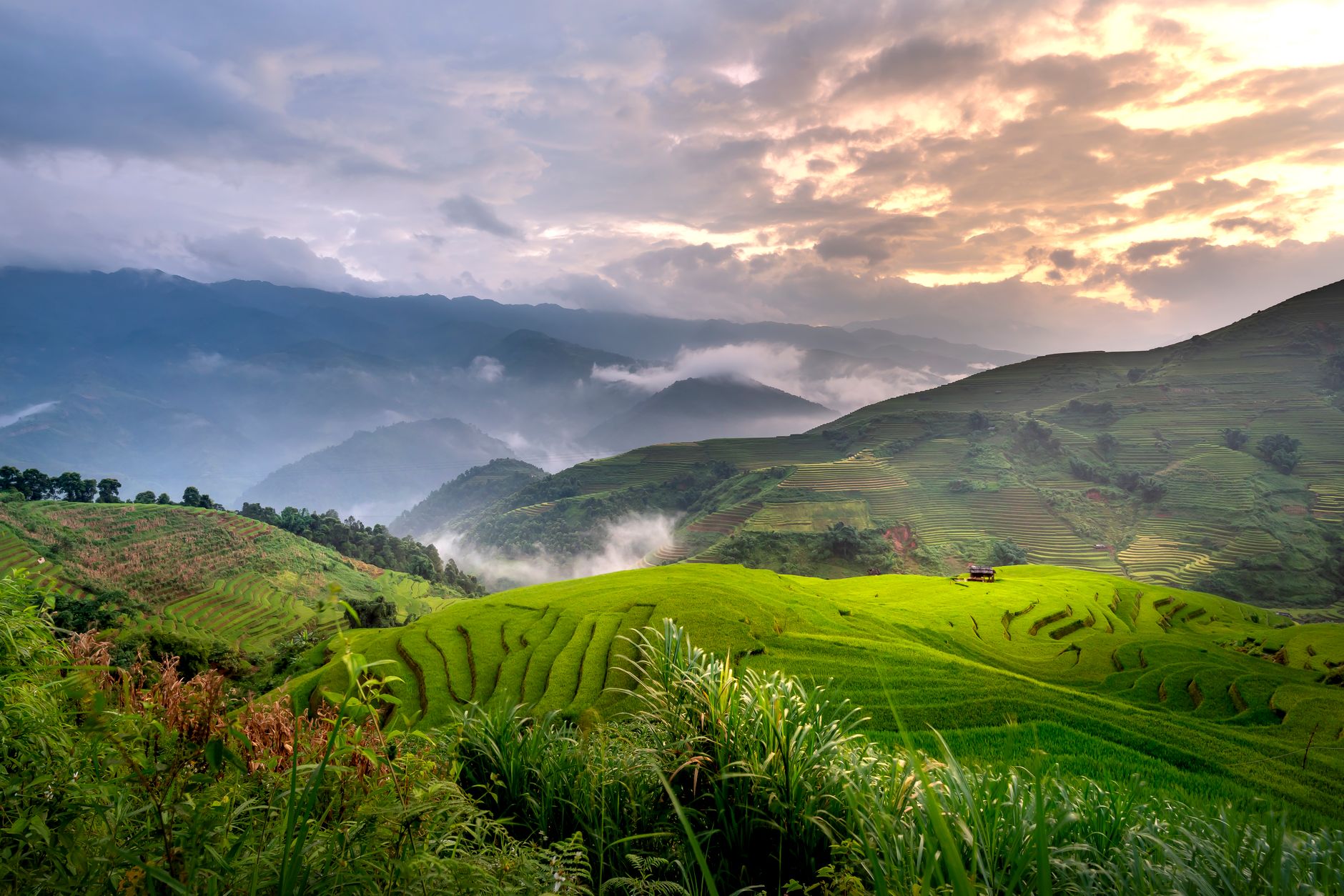
Photo by Quang Nguyen Vinh on Pexels
Festivals and local events
Dak Nong has no major tourism festivals like Tet (뗏 (베트남 설날) / 越南春节 / テト) that dominate the calendar. The province celebrates Tet (Lunar New Year) in late January or early February with family gatherings and temple visits, but it's not a tourist draw—most restaurants and shops close for 2–3 days, and roads can be congested with holiday traffic. If you're in the province during Tet, plan low-key activities or arrive after the rush passes.
Minority communities—Kinh, Ede, M'nong, and others—mark their own seasonal festivals, but dates vary by village and aren't reliably scheduled for visitors. Local guesthouses in towns like Dak Nong City or Gia Nghia can point you to upcoming celebrations if you're curious, but don't plan a trip around them.
Peak, shoulder, and off-season
Peak season: November–December and January–February. Cool, dry, clear skies. Tourist numbers (still modest compared to Hanoi or Saigon) noticeably increase. Hotels in Dak Nong City fill on weekends; book ahead if traveling Thu–Sun. Prices rise 10–20% in budget and mid-range hotels. Guides and tour operators have more bookings but more availability. If you dislike crowds, this isn't crowded—it's just the busiest the province gets.
Shoulder season: March–May and October. Comfortable for most visitors; fewer tourists than Nov–Feb. Prices are standard. March–April is reliable. October is a gamble—worth trying only if flexibility is your strength.
Off-season: June–September. Rain dominates. Hotels are cheap (20–30% discounts). Roads and trails are muddy. Tourist infrastructure is thin—fewer tour operators, fewer English speakers, longer wait times for services. Waterfalls are at peak flow, which is stunning if you're equipped for wet conditions. Solitude is guaranteed. Only choose this if you're prepared for hardship and value it as adventure.

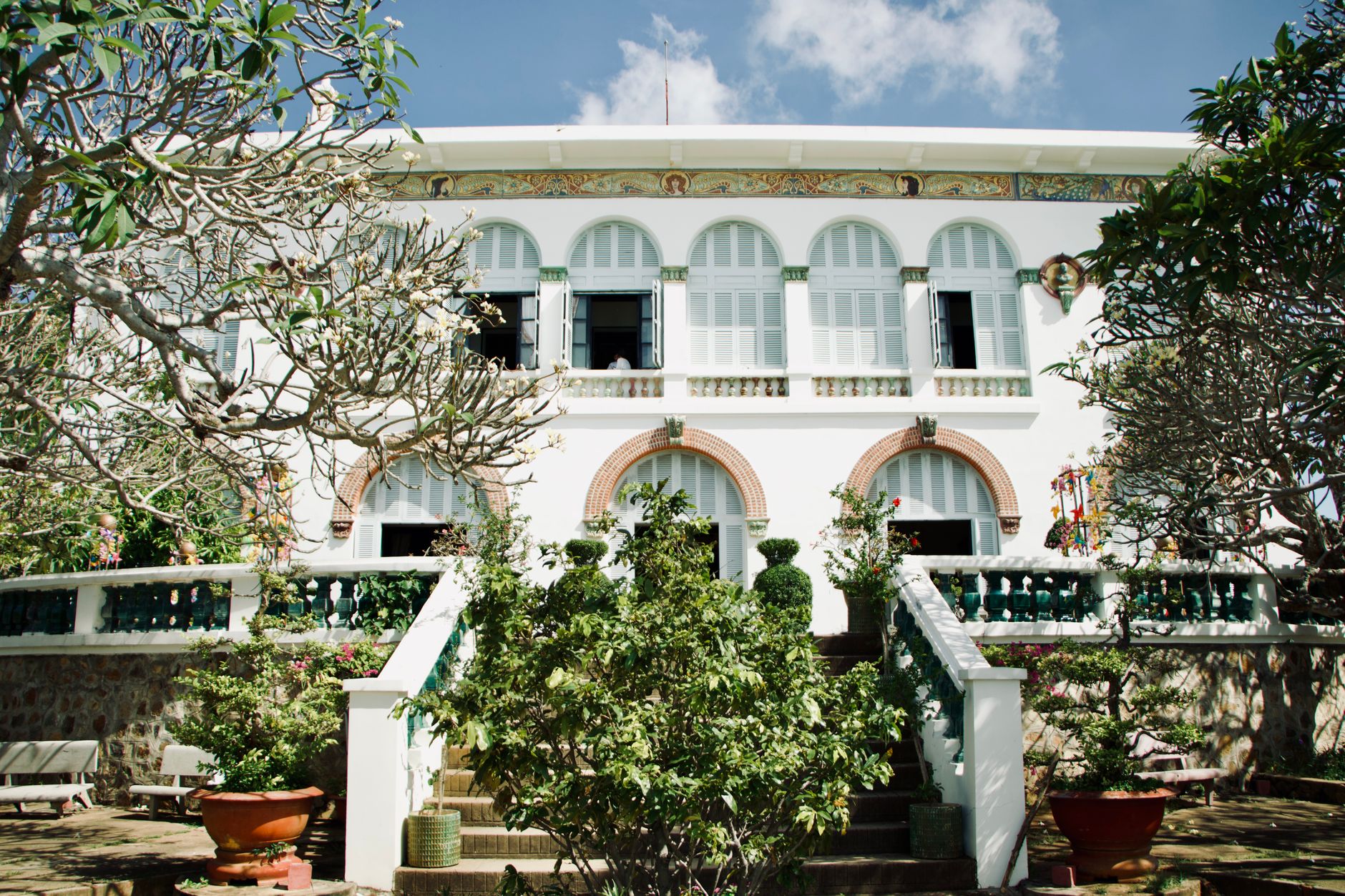
Photo by Musaddek Sayek on Pexels
What to pack by season
Nov–Feb (cool dry): Layers—T-shirt, light sweater, windbreaker. Long pants. Closed-toe hiking shoes. Sunscreen and hat. A thin scarf for early mornings on motorbikes.
Mar–May (warm, increasing humidity): Light, breathable shirts. Shorts. Lightweight rain jacket (May especially). Good sneakers. Sunscreen.
Jun–Sep (wet): Waterproof jacket, waterproof bag cover, quick-dry clothes. Sturdy waterproof hiking boots. Umbrella (though a hat and jacket are more practical on narrow trails). Extra socks. Avoid cotton—it stays wet.
Crowd levels and practicality
Dak Nong is never truly crowded. It lacks the UNESCO sites or international beach appeal of Da Nang, Hoi An, or Phu Quoc. Most visitors are Vietnamese weekenders from Ho Chi Minh City and Da Nang, plus a small trickle of foreign backpackers and nature enthusiasts.
Easiest logistics: Nov–Feb. Accommodations are available, guides speak basic English, roads are passable, and you won't need contingency plans. A 3-day motorbike loop to Dray Nur waterfall, Buon Ma Thuot (the larger coffee-region hub), and limestone caves is smooth.
Hardest logistics: Jun–Sep. Guesthouses close seasonally. English proficiency drops. Trails flood. Roads washout. Plan longer timelines, carry extra fuel, and accept delays.
Frequently Asked Questions
When is the best time to visit Dak Nong for hiking and clear weather?
November to early December and January to February offer the best conditions for hiking and outdoor activities. Temperatures sit between 18-25°C, humidity is low, and skies stay clear. December is particularly good for hiking at 20-24°C. Avoid September and October, when trails turn to mud slides, humidity reaches 80-90%, and remote roads can wash out entirely from heavy rainfall.
What temperatures should a first-time visitor to Dak Nong expect?
Dak Nong sits 600-800m above sea level, keeping it cooler than Vietnam's lowlands year-round. Daytime highs range from 18-22°C in January and February to 26-30°C in May. Nights can drop to 12-14°C in November and near freezing at higher elevations in January and February. Pack a light jacket for early mornings even during the dry season.
When do waterfalls in Dak Nong have the most impressive flow?
Waterfalls peak during and just after the wet season, from June through August, when near-daily afternoon rain keeps flows full and spectacular. By January and February, flows drop significantly after months without rain, making the dry season less ideal if dramatic waterfalls are your priority. April offers a middle ground — flows improve as humidity rises, while conditions remain mostly reliable for outdoor plans.
Practical notes
Dak Nong's elevation keeps it cool and green compared to lowland Vietnam, but "best time" depends on your tolerance for rain and mud versus crowds and heat. November through February is objectively the easiest window: dry, cool, and organized. If you prioritize waterfall drama over comfort, June–August rewards your flexibility with solitude and full cascades. Avoid September unless you have serious rain-travel experience. Whatever season you choose, bring layers—highland weather shifts fast.
Last updated · May 29, 2026 · independently researched, never sponsored.