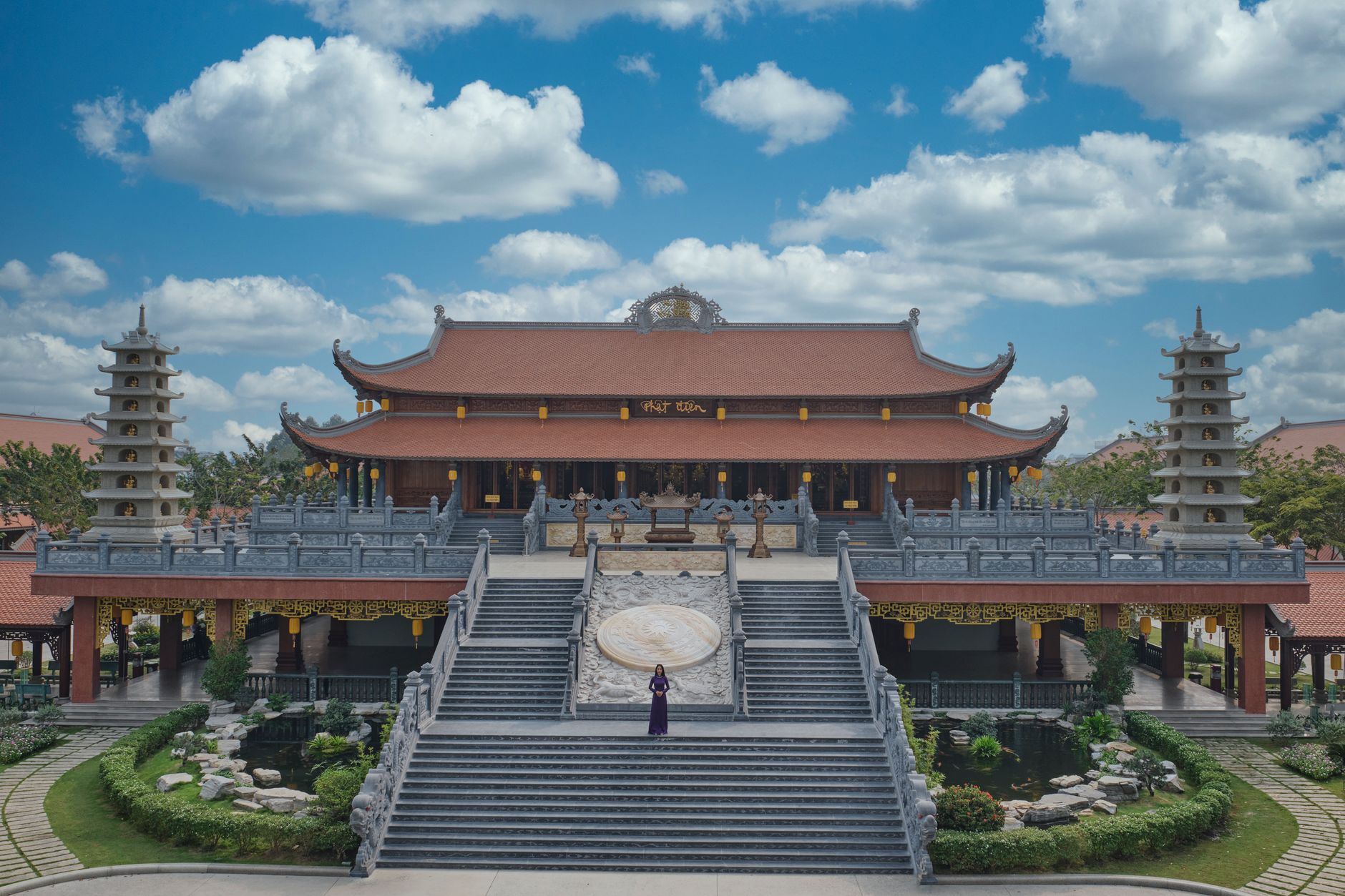
What it is
Bao Tang Thai Binh (Thai Binh Museum) is a provincial museum that now falls within the expanded Hung Yen administrative area following the merger of the former Thai Binh province. It sits in the old Thai Binh city center, a low-slung building on Ly Bon Street surrounded by tamarind trees and not much else competing for your attention. The museum documents roughly 2,000 years of settlement in the Red River Delta lowlands — rice farming culture, resistance wars, folk traditions, and the particular brand of stoicism that flatland provinces are known for.
The collection isn't massive. You'll find Bronze Age tools, Dong Son-era drums, ceramics from the Ly and Tran dynasties, and a ground-floor wing dedicated to the revolutionary period. There's also a decent ethnographic section covering traditional crafts — mat weaving, fish sauce production, and the region's connection to "cheo" folk opera.
It opened in 1980, got a renovation in 2005, and remains one of those places where you might be the only foreign visitor that week. The staff will likely be surprised and pleased.
Why travelers go
Honestly, most don't — and that's part of the appeal. If you're passing through the Red River Delta on the way between Hanoi and the coast, or you've come to Hung Yen for longan season or to see Pho Hien ancient town, the museum adds context. It's the kind of place that makes a flat, agricultural province suddenly legible. You start understanding why villages here look the way they do, why the food tastes the way it does, and why people talk about their land with a quiet pride that doesn't need mountains or beaches to justify itself.
For anyone interested in Vietnamese folk arts — particularly "cheo" theater and traditional mat weaving — the ethnographic wing offers artifacts you won't find in Hanoi (하노이 / 河内 / ハノイ)'s museums.
Best time to visit
October through March gives you cooler, drier weather for walking around Thai Binh city afterward. The delta gets brutally humid from May through August — not dangerous, just uncomfortable for wandering a museum without aggressive air conditioning (the AC works, but think "takes the edge off" rather than "arctic blast").
If you time it for late August or September, you'll hit longan harvest season across Hung Yen, which pairs well with a museum visit. The museum itself is open year-round, Tuesday through Sunday, 8:00–11:30 and 13:30–17:00. Closed Mondays.
How to get there from Hanoi
From Hanoi, you have a few options:
Bus: Catch a bus from Giap Bat station heading to Thai Binh city. The ride takes about 2–2.5 hours depending on traffic through the delta towns. Expect to pay 80,000–120,000 VND. Buses run frequently from early morning until late afternoon. From Thai Binh bus station, the museum is about 2 km — a 30,000 VND xe om ride or a 15-minute walk down Ly Bon Street.
Motorbike: The ride from central Hanoi is roughly 110 km via QL1A and then cutting through the delta roads. Allow 2.5–3 hours. The roads are flat and decent but narrow in spots, with farm vehicles and cattle making surprise appearances. Fill up before leaving Hanoi's outskirts.
Car (Grab/private): A one-way Grab car runs 500,000–700,000 VND. Worth it if you're combining with stops at Pho (쌀국수 / 越南河粉 / フォー) Hien or the Hung Yen longan orchards.

Photo by NGUYỄN THÀNH NHƠN on Pexels
What to do
Walk the Bronze Age and ceramics halls
The ground floor has a chronological layout starting with Neolithic tools found in local excavations. The Dong Son bronze drums are the highlight — smaller than the famous ones in Hanoi's History Museum, but well-preserved. The Ly-Tran ceramic collection includes some elegant celadon pieces that show the delta's connection to broader Vietnamese court culture.
Study the ethnographic wing
This is where the museum earns its keep. Displays on "cheo" opera include costumes, masks, and instruments. There's a section on sedge mat weaving (Thai Binh was historically one of the biggest mat-producing regions in Vietnam) with actual looms and step-by-step process displays. If you've seen Water Puppetry in Hanoi, the "cheo" material here gives you a sense of another folk performance tradition that's less tourist-facing.
Check the revolutionary period gallery
Upstairs covers the French colonial era through 1975. Standard provincial museum fare — photographs, weapons, personal effects of local soldiers — but a few items stand out, including hand-drawn maps of delta irrigation systems that doubled as supply routes. Take it as historical context rather than political narrative.
Walk Ly Bon Street afterward
The street outside the museum is lined with old government buildings and French-era shophouses in various states of repair. It's not Hoi An — it's a working provincial town — but the architecture tells its own story. Grab a "ca phe sua da" at one of the sidewalk stalls and watch the town move at its own pace.
Day-trip to Pho Hien
If you're already in the area, Pho Hien ancient trading port (about 45 minutes north by motorbike) pairs naturally with the museum visit. It was a major commercial hub in the 16th–17th centuries — Japanese, Chinese, Dutch, and Portuguese traders all passed through.
Where to eat nearby
Thai Binh city's food scene is honest delta cooking. Two things to seek out:
"Banh canh" cua dong — thick tapioca noodle soup with freshwater crab, served at stalls near the central market. Rich, slightly sweet broth. A bowl runs 35,000–50,000 VND.
"Nem chua" Thai Binh — fermented pork rolls wrapped in banana leaf. The local version is tangier and less sweet than the Thanh Hoa style. Buy them at any market stall for 5,000–8,000 VND per piece. Good road snack for the trip back.
Where to stay
Budget (300,000–500,000 VND/night): Nha nghi (guesthouses) cluster around Thai Binh bus station and the central market. Basic but clean. Don't expect English-speaking staff.
Mid-range (600,000–1,000,000 VND/night): A few newer hotels on Tran Hung Dao Street offer air conditioning, hot water, and breakfast. Dong Xuan Hotel and Thai Binh Star are both functional.
Most travelers visit as a day trip from Hanoi and don't stay overnight. The town is pleasant but quiet after dark.

Photo by Quang Nguyen Vinh on Pexels
Practical tips locals would tell you
- Bring your own water. The museum has no cafe or vending machine inside.
- Entry fee is 20,000 VND (may have increased slightly — it's nominal either way).
- Labels are in Vietnamese only. Download Google Translate's camera function before you go — it handles museum signage reasonably well.
- The museum staff sometimes offer impromptu tours if you show interest. Basic Vietnamese helps enormously here. Even "dep qua" (beautiful) and pointing gets you far.
- Photography is generally allowed but ask at the front desk. Flash is discouraged near the older textiles.
Common mistakes to avoid
- Showing up Monday. Closed. Also closed during lunch (11:30–13:30) — plan accordingly.
- Expecting a Hanoi-scale museum. This is a provincial collection. Adjust expectations and you'll appreciate it more.
- Skipping the ethnographic wing. Most visitors beeline to the war gallery. The craft and folk culture section is the more distinctive offering.
- Not combining it with other stops. Thai Binh city alone doesn't justify a full day trip from Hanoi for most travelers. Pair it with Pho Hien, longan orchards (in season), or a delta cycling route.
Practical notes
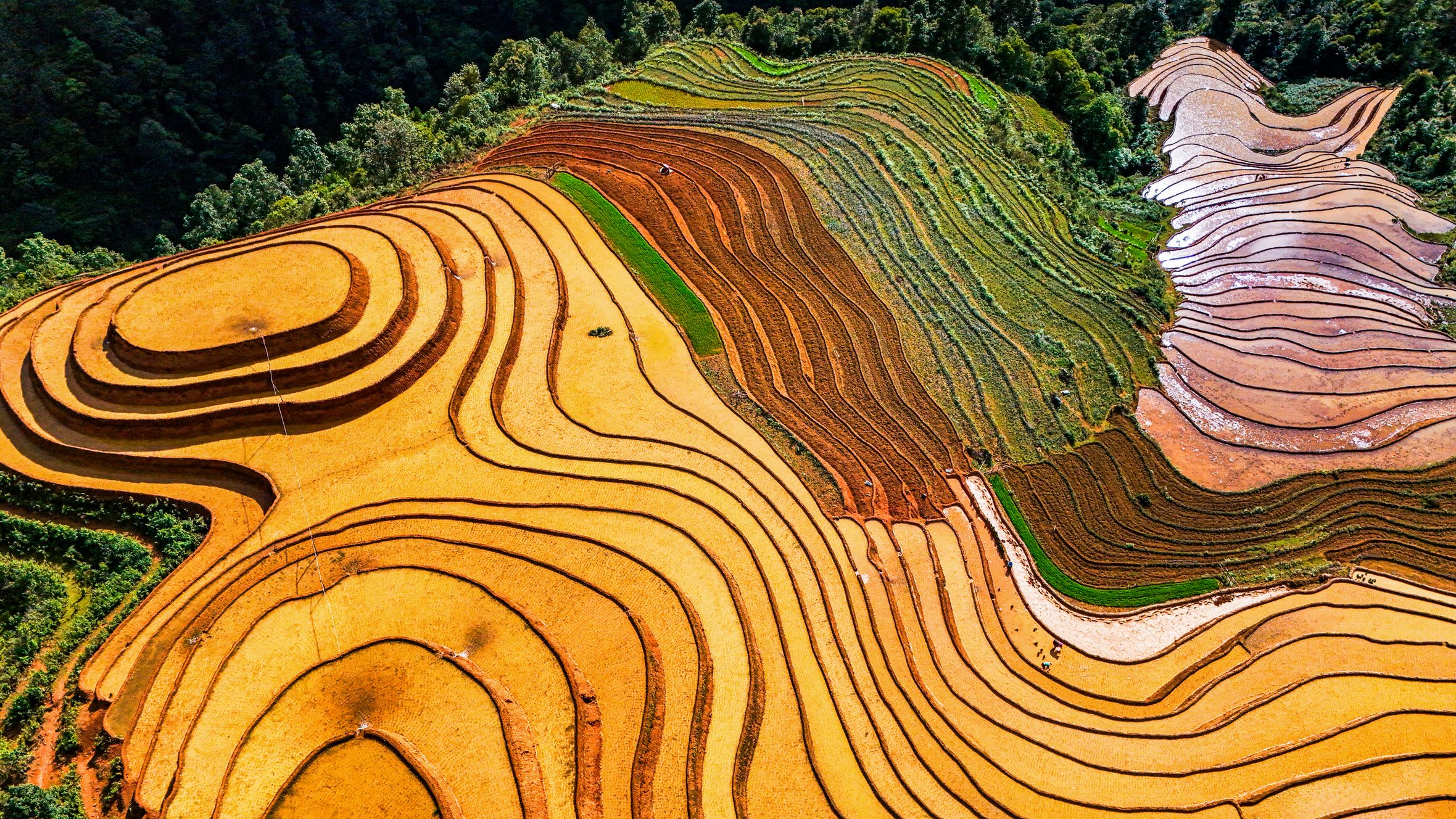
Bao Tang Thai Binh won't appear on any top-ten list, and that's fine. It's a place that rewards curiosity over expectation — a couple of hours that make the rest of the Red River Delta make more sense. Combine it with good "banh canh," a slow ride through rice paddies, and you've got a day that feels more like actual Vietnam than most itineraries deliver.
Last updated · May 29, 2026 · independently researched, never sponsored.