Buon Ma Thuot gets most of its food attention for coffee — and fair enough — but the city has a noodle soup that locals eat for breakfast with the same quiet devotion. "Bun do" translates roughly as "red noodles," which tells you everything about what hits you first: that vivid, rust-colored broth that stains the bowl and lingers on your lips long after the last sip.
What Bun Do Actually Is
Bun do is a noodle soup native to Buon Ma Thuot and the surrounding Dak Lak province. It is not widely known outside the Central Highlands (중부 고원 / 中部高原 / 中部高原), and you will almost never see it in Hanoi or Saigon — which is half the reason to seek it out. The soup is built on a base of field snail broth, simmered low and long until it develops a deep, slightly earthy backbone. Annatto seeds (hat dieu mau) give the broth its signature red-orange color and a faint peppery warmth. That color is not from chili alone — it is baked into the stock itself.
The noodles are soft, round rice noodles, similar to what you would find in a bowl of "bun rieu" but slightly thicker in most preparations here. Toppings vary by stall, but expect sliced pork, fried tofu cubes, and in the more traditional versions, whole snails pulled from the shell. Some vendors add a soft-cooked egg. The broth is seasoned with shrimp paste (mam ruoc), which sharpens everything and adds a fermented depth that polite food writing tends to skip over. It smells strong. It tastes better than it smells.
The Flavor Profile
If you have eaten bun rieu (분지에우 / 蟹肉米粉汤 / ブンリュウ) in Hanoi, you have a rough map. Bun do is in the same family — snail-based, brick-colored, unapologetically pungent — but the Central Highlands version tends to be spicier and richer. Locals load the table with fresh herbs: rau ram (Vietnamese coriander), bean sprouts, banana blossom, and sliced green chili. A squeeze of lime cuts through the fat. Some stalls serve a small dish of mam ruoc thinned with lime juice on the side for dipping the meats.
The snails themselves, when included, are clean-tasting and slightly chewy — not fishy, not gamey. The texture is closer to clam than to anything you might be imagining. If you are on the fence, order a bowl without and ask to try one from a neighboring diner. In this city, that is not a strange request.

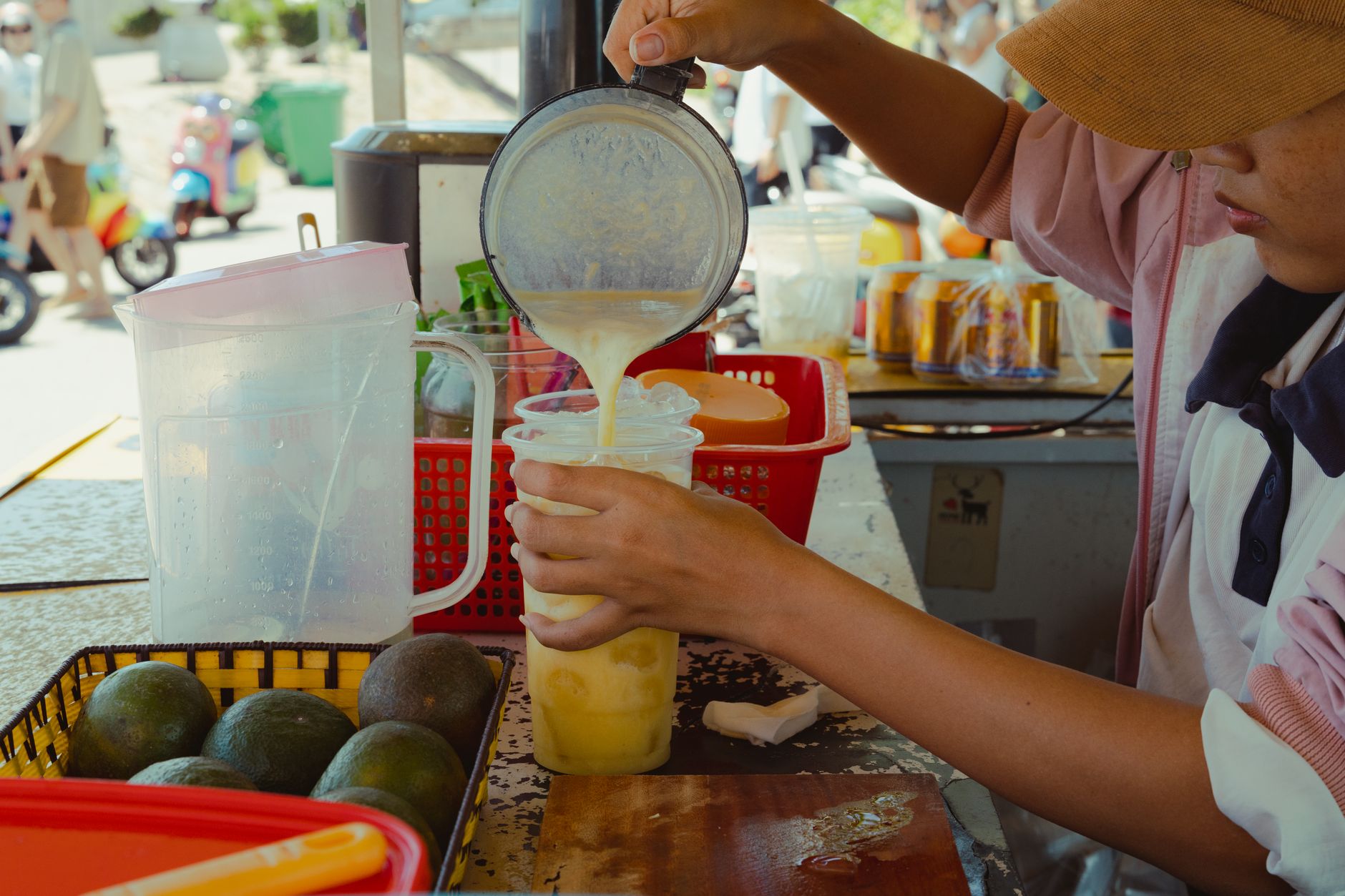
Photo by Tuan Vy on Pexels
Where to Find It
Bun do is a morning food. Most stalls open around 6 a.m. and run out before noon. The area around Ton That Thuyet street and the markets off Ly Thuong Kiet are reliable hunting grounds. Look for plastic stools on the footpath, a pot of red broth on a gas burner, and a glass case of toppings beside the cook. A bowl runs 25,000–40,000 VND depending on how much meat you add.
There is no single famous bun do address the way Hanoi has its pho institutions. The best bowls tend to be at stalls that have been in the same spot for twenty years and are run by a single family. Ask your guesthouse or whoever parks their motorbike near yours — Buon Ma Thuot residents are proud of this dish and will give you directions with the specificity of someone drawing a treasure map.
How to Order
Point at the bowl if your Vietnamese is nonexistent. Hold up one finger for one bowl (mot to). If you want extra snails, say "them oc" (tum ock, roughly). For more chili, "them ot." The herbs are self-serve — pile them in. The table condiments usually include fish sauce, chili vinegar, and fresh sliced chilies in brine. Use all of them.
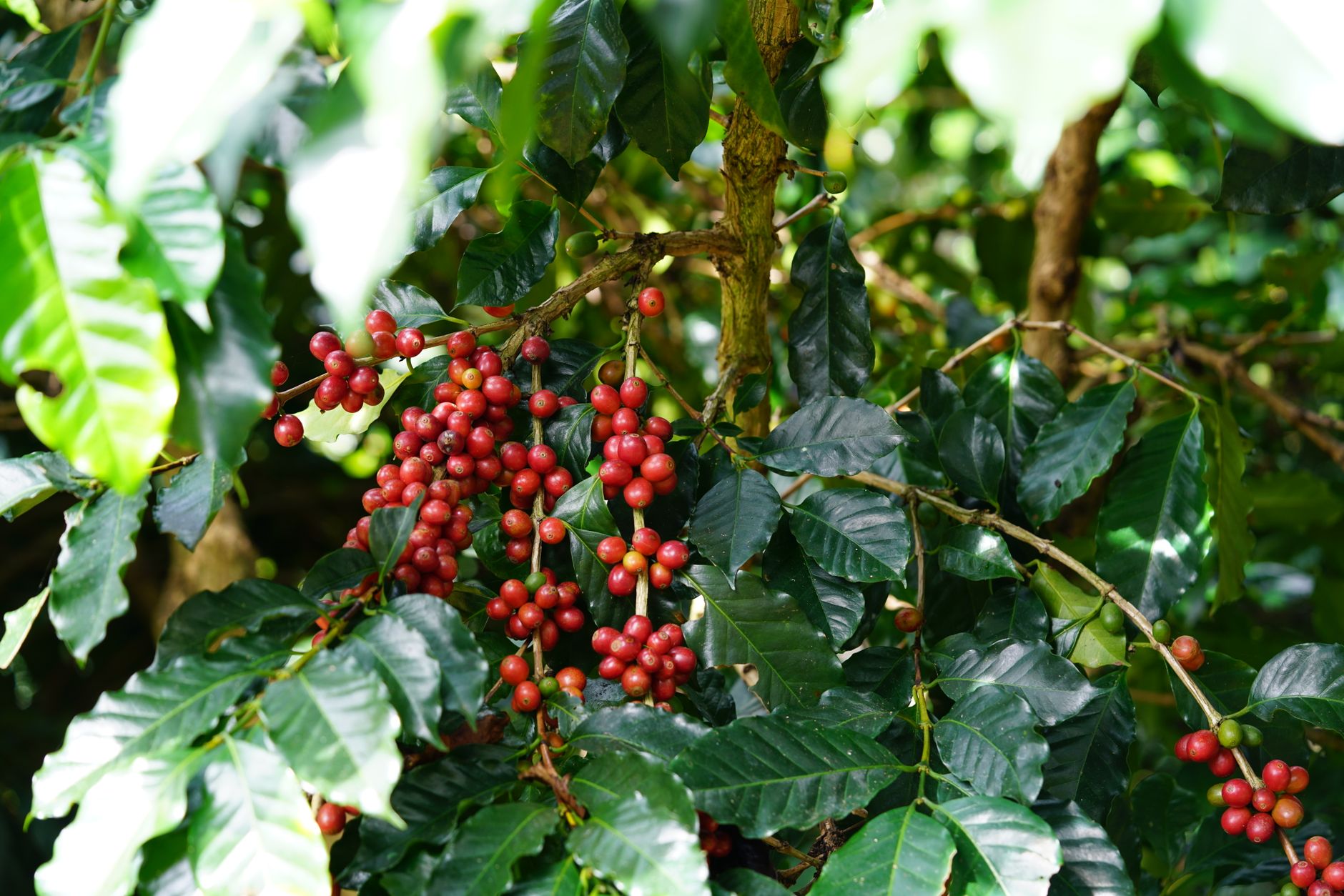
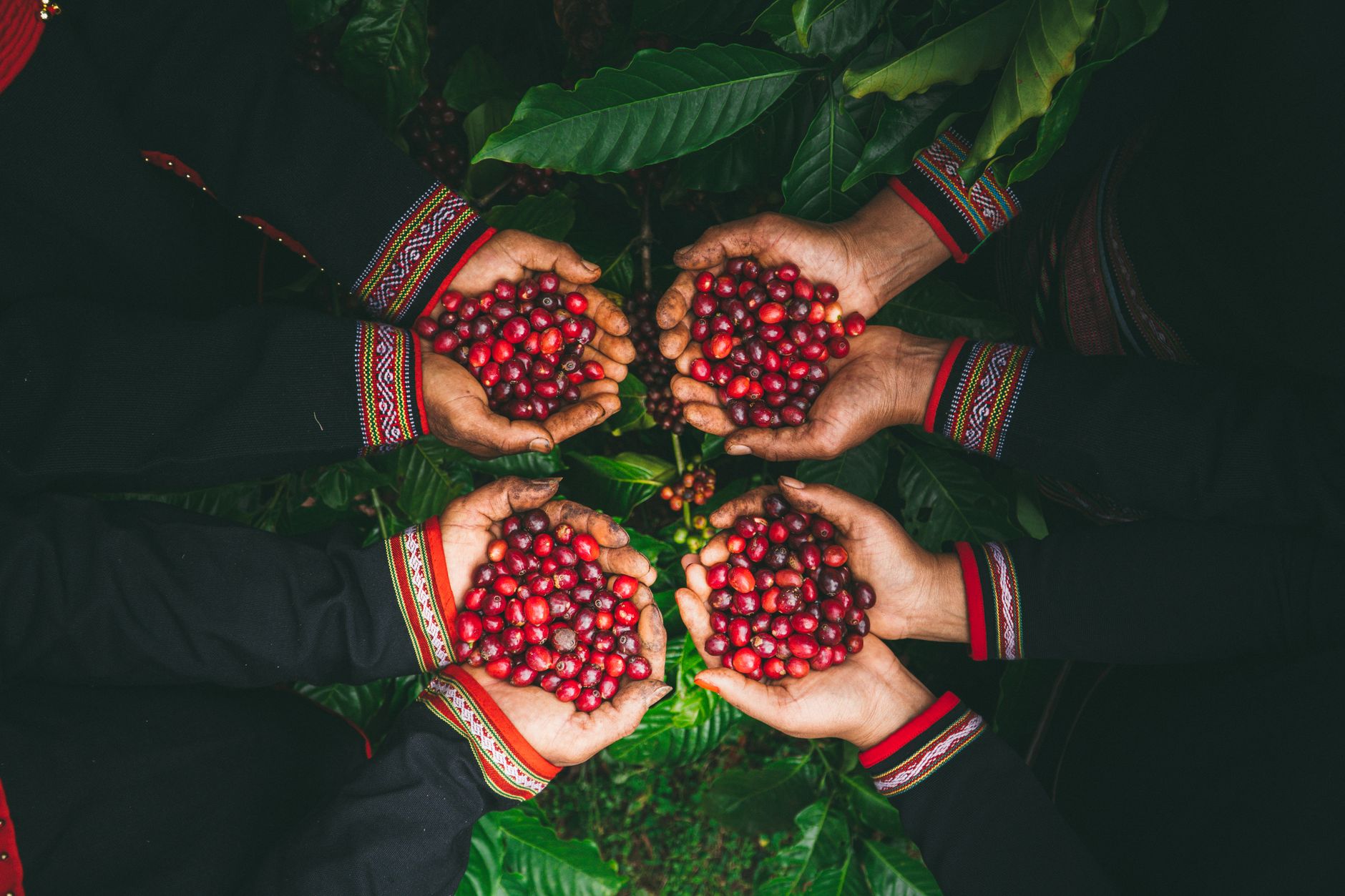
Most bun do stalls do not serve coffee. After your bowl, walk about fifty meters in any direction and you will find a ca phe stall. Buon Ma Thuot is Vietnam's coffee capital, and a dark iced "ca phe sua da" after a spicy bowl of bun do is one of the more honest pleasures the Central Highlands has to offer.

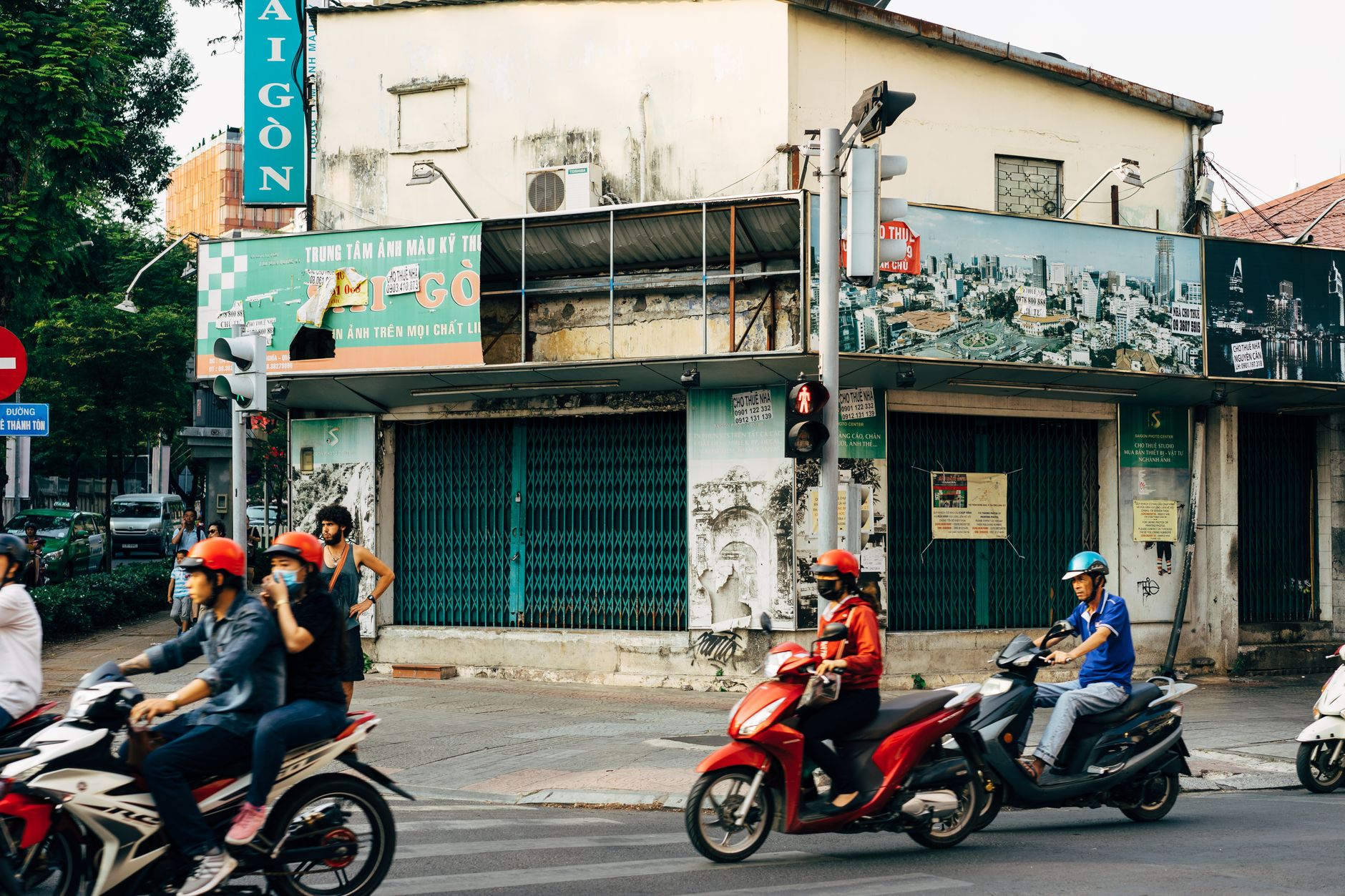
Photo by Pew Nguyen on Pexels
Is It Worth the Trip?
Not on its own — Buon Ma Thuot asks more of you than a single noodle soup. But if you are already in the highlands for the coffee farms, Dray Nur waterfall, or the road toward Dak Lak's ethnic minority villages, then yes: breakfast on bun do makes the visit feel less like a checked box and more like you actually arrived somewhere specific.
This is not a dish with a famous origin story or a celebrity endorsement. It is simply what people here eat when they want something warming and red and real before they get on with their day. That is usually the kind of food worth finding.
Practical Notes
Bun do is almost exclusively a breakfast and early-morning dish — arrive after 10 a.m. and your options shrink fast. Buon Ma Thuot sits roughly 350 km from Da Nang and 350 km from Saigon, accessible by daily flights or an overnight bus from Ho Chi Minh City. Budget 25,000–40,000 VND per bowl.
Last updated · May 29, 2026 · independently researched, never sponsored.