The seafood restaurants lining My Khe beach are easy to find, priced in USD, and aimed squarely at visitors who don't know better. Meanwhile, Da Nang has a genuinely good local seafood scene — you just have to leave the beachfront boulevard to find it.
Why Locals Skip My Khe (Mostly)
The My Khe strip isn't terrible. You'll get fresh fish, decent grilling, cold beer. But pricing is loose, portions shrink when the table looks foreign, and the menus are laminated photo affairs that could exist in any coastal tourist town in Southeast Asia. Locals head there occasionally for convenience or group dinners, but for everyday seafood eating, they go elsewhere.
Da Nang (다낭 / 岘港 / ダナン) sits between the Han River and the Son Tra peninsula, with fishing communities that have been working the same waters for generations. The fish is the same — what changes is who's cooking it, for whom, and at what price.
Nam O — The Fishing Village Worth the Drive
Nam O is about 15 km northwest of the city center, past the industrial port and easy to miss if you're not looking for it. It's a working fishing village, not a heritage tourism project, and the seafood "restaurants" here are really just households with a few plastic tables set up in front.
"Goi ca mai" — a raw fish salad made with young herrings, rice crackers, roasted peanuts, and fresh herbs — is the dish Nam O is known for, and it's genuinely hard to find prepared this well anywhere else in the city. The herrings come in from overnight boats and get served the same morning. A full plate runs around 50,000–70,000 VND. Eat it with the rice paper they bring automatically.
Nam O is also the place to try "ca com" (anchovies) done properly — fried crisp with chili and lime, served alongside rice and pickled vegetables. You won't find a menu. Point at what looks good, ask the price before it's cooked, and you'll be fine.
Getting there: grab a Xanh SM or Be app ride. It'll cost around 40,000–55,000 VND each way from the city center. Going by motorbike is easy — follow Nguyen Tat Thanh north past the port.

Photo by AN Nhol on Pexels
Son Tra Peninsula — Eating with a View That Isn't Marketed
Son Tra is best known for its monkey sanctuary and the Lady Buddha statue, but the eastern shoreline has a string of seafood spots that cater to local families on weekends. These aren't hidden gems — Da Nangers know them well — but they don't show up in most travel guides because they require navigating Son Tra's winding interior roads.
Look for spots around the Tien Sa port area and along the road toward Bai But and Bai Nam beaches. The format is simple: fishing families sell directly from coolers or low tables near the shoreline. You pick your seafood — mantis shrimp, blood cockles, "so long" (razor clams), crab — they cook it. Grilling, steaming, or stir-frying with salt and chili are the standard options.
Expect to pay 80,000–150,000 VND per dish depending on what you order. Mantis shrimp ("tom tich") grilled with salt and chili is the move here — firm, sweet, and cheap compared to anything on the main tourist strip.
Weekend mornings are when Son Tra's coastal spots are busiest. Arrive before 10 a.m. or after 2 p.m. to avoid the family rush.
Han Market and Cho Con — The Unglamorous Version
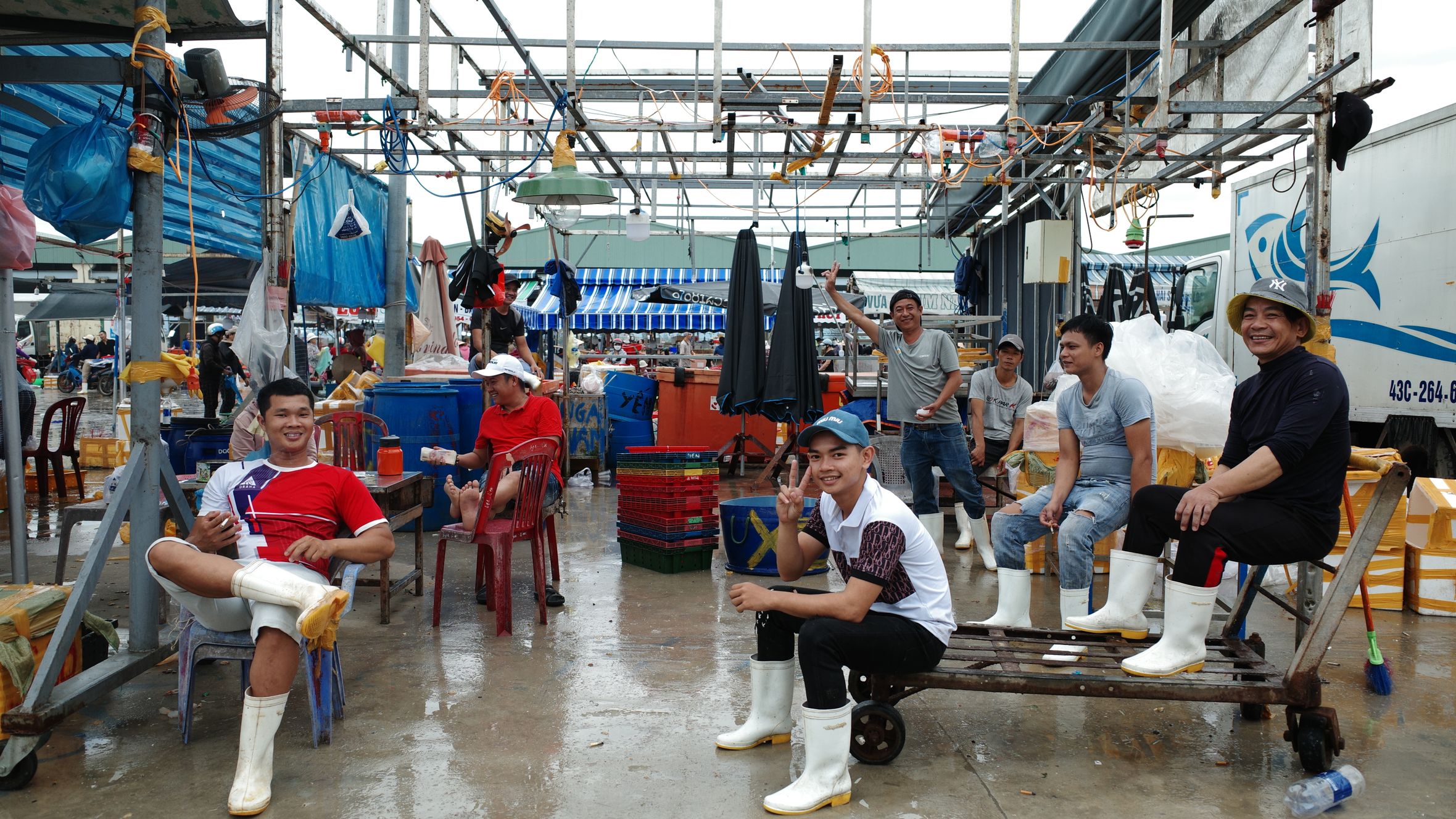
If you want to understand what Da Nang actually eats day-to-day, spend an hour at Han Market (Cho Han) or the larger Cho Con market on Ong Ich Khiem. Both have wet market floors with fresh catch brought in from the morning boats — grouper, squid, clams, blue crab, tiger prawns.
The market stalls don't cook for you, but the "quan com" (rice shops) on the upper floors and surrounding lanes buy from the same vendors and turn it into lunch. A plate of steamed fish with ginger, rice, and a bowl of sour soup will run 40,000–60,000 VND and tastes like what a Da Nang grandmother would actually feed you.
Cho Con is open from around 5 a.m. and winds down by early afternoon. Go early for the best selection and to watch the wholesale action.

Photo by Long Bà Mùi on Pexels
What to Order and What to Know
Da Nang's seafood repertoire leans toward grilling and steaming over heavy sauces. "Banh xeo" filled with shrimp and bean sprouts is technically a central Vietnam dish, not a seafood restaurant staple, but several spots near the Pham Van Dong beachfront area serve a coastal version packed with small prawns and squid — worth trying alongside the more obvious grilled-fish options.
A note on pricing: always ask before ordering at informal spots. "Theo ky" means priced by piece or by 100g — confirm the unit. At proper local restaurants (not tourist strip), expect 150,000–400,000 VND for a full seafood spread for two people including rice and vegetables. If a quote sounds like it's in a different currency, it probably is.
Drink cold "bia hoi" or canned Larue beer. Both are widely available and cost 10,000–20,000 VND. Skip the cocktail menus.
Practical Notes
Nam O and Son Tra are the two most worthwhile detours for seafood that's actually embedded in local life — Nam O for the raw fish culture and village atmosphere, Son Tra for casual coastal eating without the markup. Both are reachable by rideshare without a rental vehicle. Cho Con market is the fastest way to see Da Nang's seafood supply chain up close, even if you're just browsing.
Last updated · May 26, 2026 · independently researched, never sponsored.