Can Tho doesn't have the craft-beer density of Hanoi or Saigon, but that's half the point — drinking here still belongs to locals, and the rhythm of an evening on the Ninh Kieu waterfront with a cold glass in hand is worth the trip on its own.
The Bia Hoi Culture in Can Tho
"Bia hoi" — fresh-brewed draft beer, unpasteurized, dispensed from kegs — is the backbone of street drinking across Vietnam, and Can Tho (껀터 / 芹苴 / カントー) does it well in its own low-key way. Prices hover around 7,000–10,000 VND per glass, which puts a full evening of drinking well under 100,000 VND if you're not trying hard.
The mechanics are simple: a keg arrives in the morning, the beer runs out by evening, and everyone sits on plastic stools at tables roughly ankle-height. You don't reserve. You don't order ahead. You sit down and a glass appears.
The best concentration of bia hoi (비아호이 / 鲜啤 / ビアホイ) corners in Can Tho clusters along and just off Hai Ba Trung Street, particularly the stretch between the Ninh Kieu wharf and the night market. These aren't tourist setups — they're neighbourhood spots that happen to be visible from the waterfront promenade. Look for the handwritten signs reading "bia tuoi" or "bia hoi" and the plastic furniture spilling onto the footpath.
Another reliable pocket is around Nguyen Thai Hoc Street, a few blocks inland, where the clientele is almost entirely local: delivery drivers, market workers finishing shifts, older men who've been drinking at the same table since the 1990s.
What Locals Are Actually Drinking
Beyond bia hoi, the default mass-market choice in Can Tho and the wider Mekong Delta is Saigon Beer — the red-label lager that outsells everything else in the south. It's 20,000–25,000 VND a can at most com tam shops and sidewalk restaurants, and it pairs honestly with the food here. Tiger and 333 ("Ba Ba Ba") are also everywhere.
Heineken has a disproportionately strong presence in Can Tho's mid-range restaurants and karaoke-adjacent beer clubs — partly aspirational branding, partly the fact that the local Heineken Vietnam plant supplies the southern region efficiently. If you're at a sit-down restaurant and ask for "bia," there's a reasonable chance a Heineken appears.
The Local-vs-Foreigner Split
Can Tho gets a fraction of the foreign visitors that Hoi An or Hanoi do, so the tourist-trap beer bar phenomenon hasn't fully taken hold. That said, the Ninh Kieu waterfront area has a handful of spots clearly aimed at Vietnamese domestic tourists and the occasional foreign traveller — higher stools, bilingual menus, prices 30–40% above the back-street rate.
If you want to drink where locals drink, walk two or three blocks away from the waterfront. The price drops, the noise level rises, and the snacks improve. You'll be eating "goi cuon" (fresh spring rolls) and grilled river fish rather than spring rolls from a laminated photo menu.

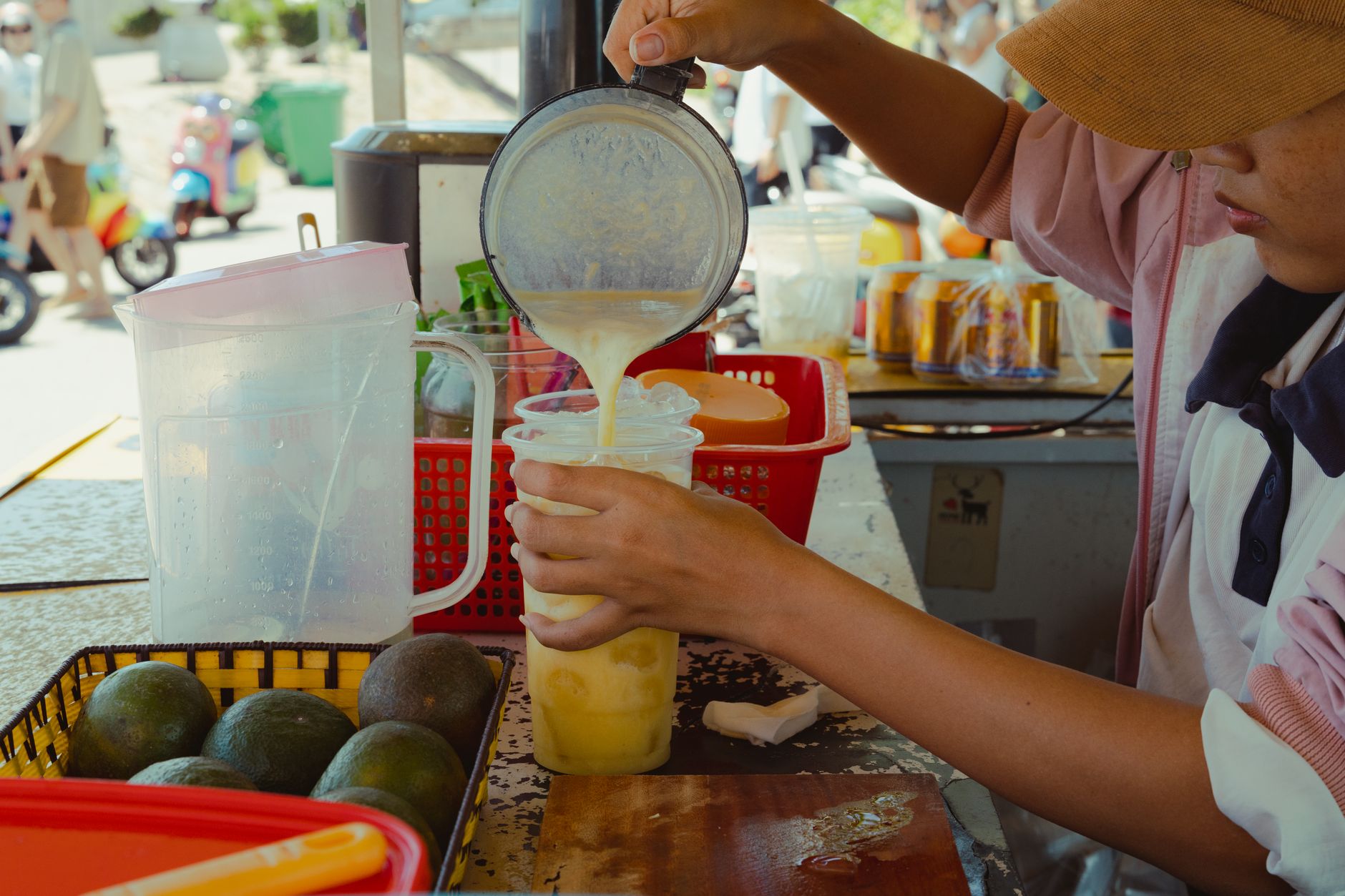
Photo by Tuan Vy on Pexels
Craft Beer in Can Tho
The craft scene here is thin but exists. Pasteur Street Brewing Company — the Ho Chi Minh City-based craft brewer — has distribution reach into Can Tho, and a few spots stock their cans: the Jasmine IPA and Cyclo Pale Ale appear in Western-leaning cafes and the better hotel bars. Expect to pay 60,000–80,000 VND a can.
Heart of Darkness, another Saigon craft label, shows up similarly. Neither brand has a dedicated taproom in Can Tho yet, so you're hunting bottles and cans rather than draft.
The closest thing to a genuine craft taproom in Can Tho is Boo Beer, a small local operation that's been expanding its tap selection and occasionally pouring Vietnamese-made craft alongside imports. It sits near the university district and draws a younger crowd — students, young professionals, the demographic that followed the Hanoi and Saigon craft wave and wants the same thing in the delta. Prices are 50,000–90,000 VND a glass depending on what's on tap.
What to Eat While You Drink
Can Tho's food pairs naturally with cold beer. The Mekong Delta kitchen leans toward fresh herbs, grilled protein, and river fish — nothing too heavy, nothing that fights a light lager.
The go-to drinking snacks at bia hoi joints are banh mi with pate (the baguette here is genuinely good — the Mekong Delta has its own style, slightly crispier crust), grilled skewers of pork or squid, and whatever the owner's wife is cooking that afternoon. At 15,000–25,000 VND per skewer, you can eat well for almost nothing.
If you want a proper meal alongside your beer, the local bowl of "bun rieu" — crab-paste and tomato rice-noodle soup — is a Can Tho staple worth seeking out, particularly at stalls around the Cai Rang floating market neighbourhood in the early evening after the market day winds down. Wash it down with a Saigon red.
For a longer sit-down session, the riverside restaurants along Ninh Kieu serve deep-fried elephant ear fish ("ca tai tuong") wrapped in rice paper — a Mekong Delta signature dish that takes about fifteen minutes to eat properly and pairs well with anything cold.

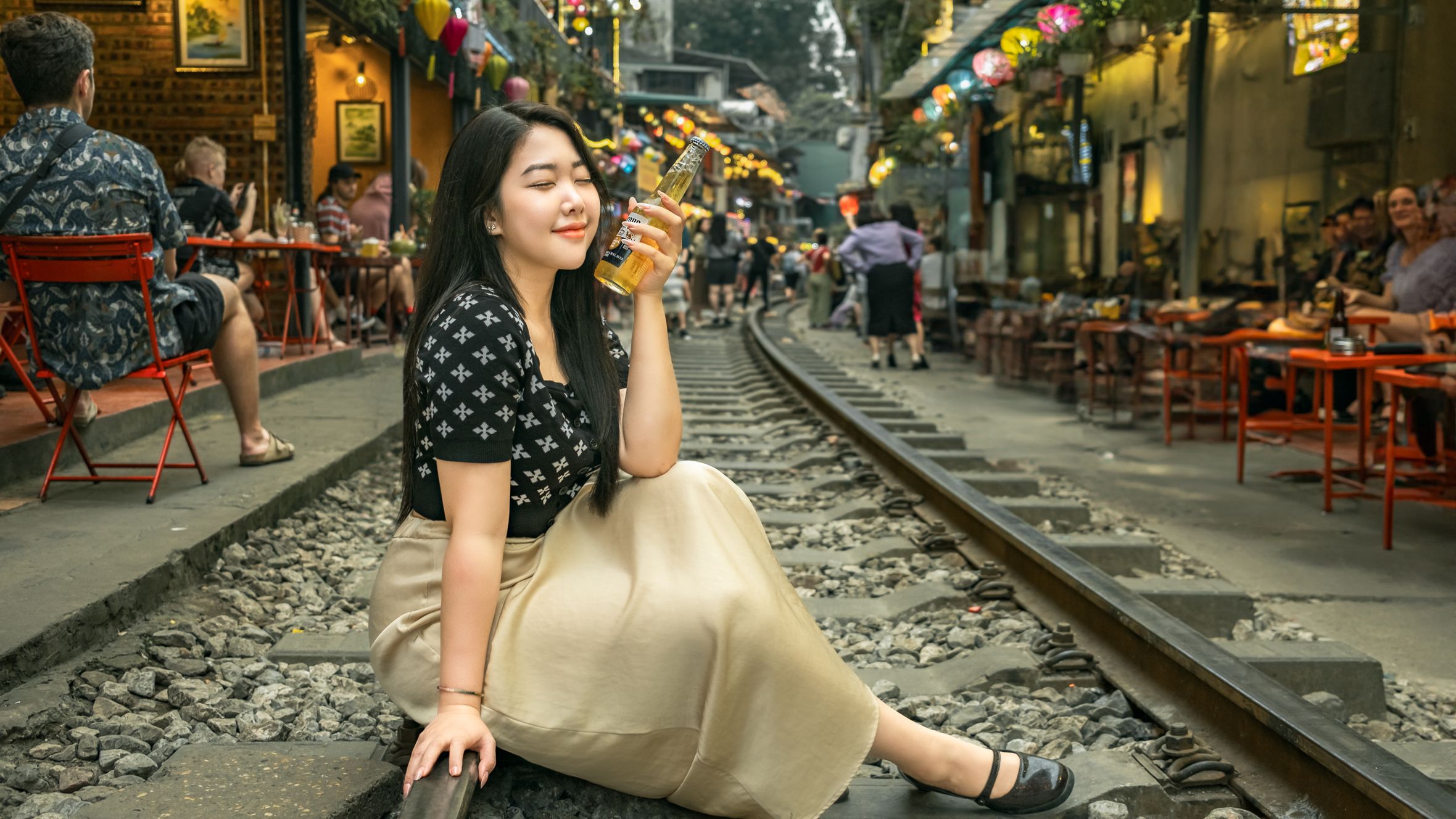
Photo by Vietnam Tri Duong Photographer on Pexels
When to Go
Drinking in Can Tho is an evening activity. The waterfront fills from around 6pm onward; the bia hoi corners hit full capacity by 7–8pm and start thinning after 10pm. The city is not a late-night place by Saigon standards — most street spots close by 11pm.
Weekend nights along Hai Ba Trung are livelier and slightly louder, with occasional live music drifting from the covered restaurants near the night market. Weeknights are quieter and cheaper — the bia hoi crowds are smaller and the kegs don't run out as fast.
Practical Notes
Can Tho is roughly 170 km southwest of Saigon — about three to four hours by bus, or 30 minutes by the Vam Cong bridge route if you have your own transport. Most accommodation sits within walking distance of the Ninh Kieu waterfront, which makes the beer-and-food circuit manageable on foot. Bring cash: almost no bia hoi corner accepts cards, and the better street stalls don't either.
Last updated · May 29, 2026 · independently researched, never sponsored.